Dean River Steelhead Fishing
For many anglers, the thought of fishing the legendary Dean River for its elusive steelhead often comes with a mix of excitement and trepidation. It's a place shrouded in mystique, known for its pristine wilderness, challenging access, and strictly enforced conservation rules, leaving many wondering if such a dream trip is even attainable. This comprehensive guide aims to cut through the complexity, providing you with all the essential knowledge to understand what makes Dean River steelhead fishing so unique and how to approach planning your own unforgettable adventure.
The Legend of the Dean River: Why It's So Special
The Dean River isn't just another fishing destination; it's a pilgrimage for serious steelhead anglers. Located deep within British Columbia's remote coastal mountains, it’s a place where wildness still reigns supreme, and the rewards for the dedicated angler are truly unparalleled. But why does this river hold such a revered status among the global fishing community? It’s more than just big fish; it’s about the entire experience, from the journey to the pristine environment and the incredibly powerful fish themselves.
Unparalleled Wild Steelhead Runs
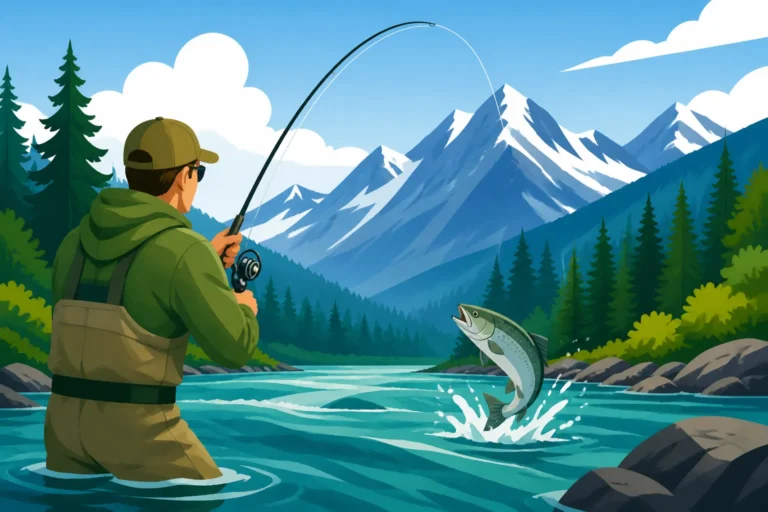
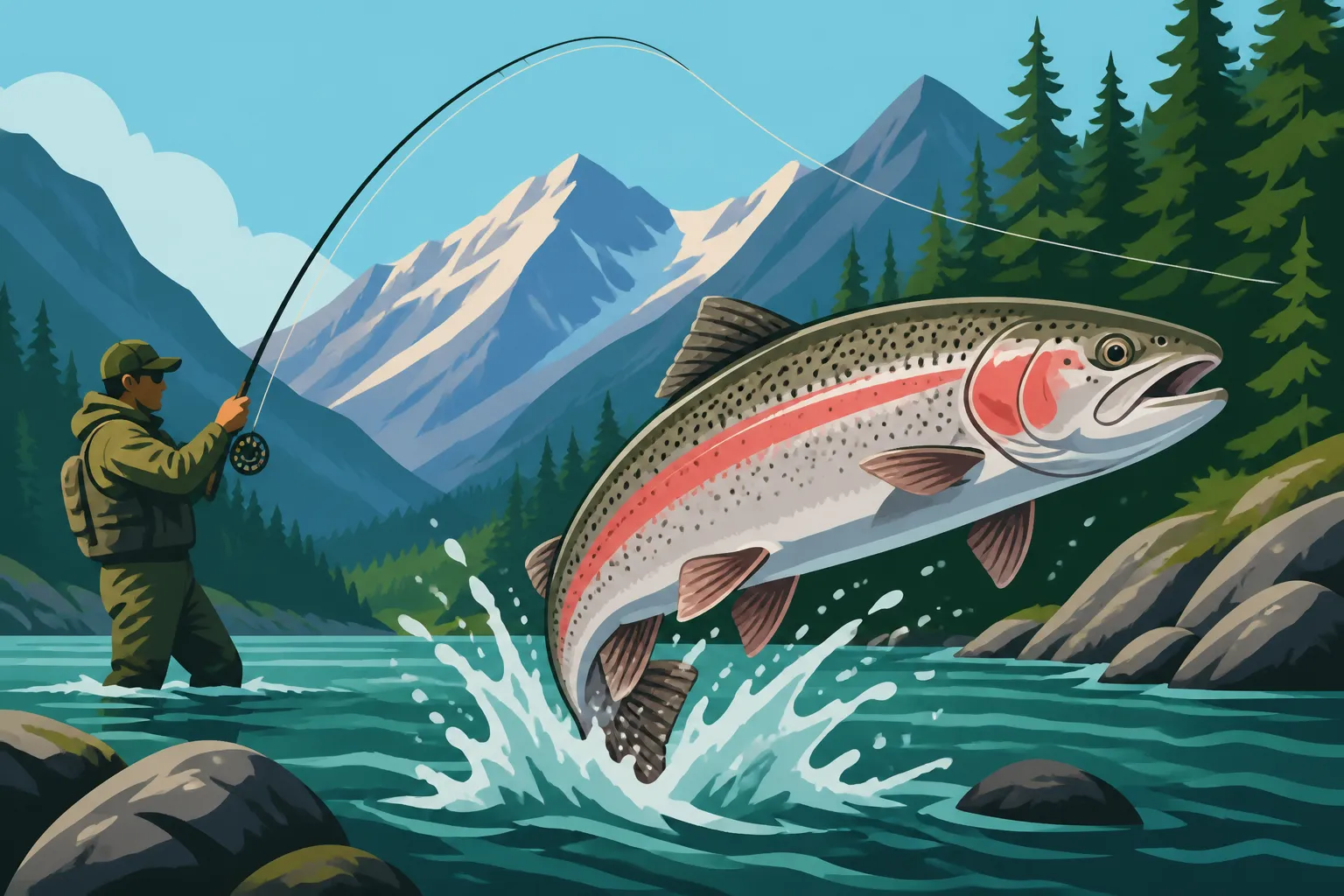
What truly sets the Dean apart is its reputation for producing some of the strongest, most acrobatic wild steelhead on the planet. These aren't hatchery-raised fish; they are pure, genetic marvels that have battled their way up from the Pacific Ocean, driven by instinct to return to their natal waters. When you hook a Dean River steelhead, you’re not just fighting a fish; you’re engaging in a primal tug-of-war with an apex predator. Their power is legendary, often described as "hot" due to their explosive runs, aerial acrobatics, and relentless refusal to give up. Many anglers who have fished steelhead rivers around the world will tell you that the Dean’s fish are in a league of their own. They arrive in prime condition, full of fight, having just transitioned from the salt, and they take full advantage of the river's swift, clear currents. It's a true test of skill and tackle, and every hookup feels like a monumental achievement.
The Dean's Unique Ecosystem
Beyond the fish, the Dean River offers an immersion into an incredibly vibrant and largely untouched ecosystem. The river itself is a marvel, originating from tranquil alpine lakes high in the Coast Range, cascading down through diverse landscapes before finally meeting the ocean in Dean Channel. This varied topography creates a dynamic river system with a mix of boulder-strewn runs, deep pools, intricate riffles, and long, glassy glides – each section demanding a different approach from the angler. The surrounding wilderness is just as spectacular, characterized by towering old-growth forests, jagged peaks, and abundant wildlife. Bears, eagles, deer, and countless bird species are common sights, making every moment on the river an opportunity to connect with nature on a profound level. The air is crisp, the water is crystal clear, and the silence is often broken only by the rush of the river or the call of a distant bird. This pristine environment isn't just beautiful; it's also crucial for sustaining the health of the steelhead runs, which is why conservation is taken so seriously here. It's a truly wild experience, a stark contrast to more developed fishing destinations, and that raw, untamed beauty is a huge part of its allure.
Navigating Dean River Access: A Journey for the Dedicated
Getting to the Dean River is an adventure in itself, often presenting the first significant hurdle for aspiring anglers. Unlike many rivers with easy road access, the Dean's remoteness is both its blessing and its challenge, preserving its wild character but requiring meticulous planning and a substantial investment to reach. Many anglers find this aspect of the trip a significant point of frustration, but it’s also what keeps the fishing pressure manageable and the experience so authentic.
Remote Location and Logistics
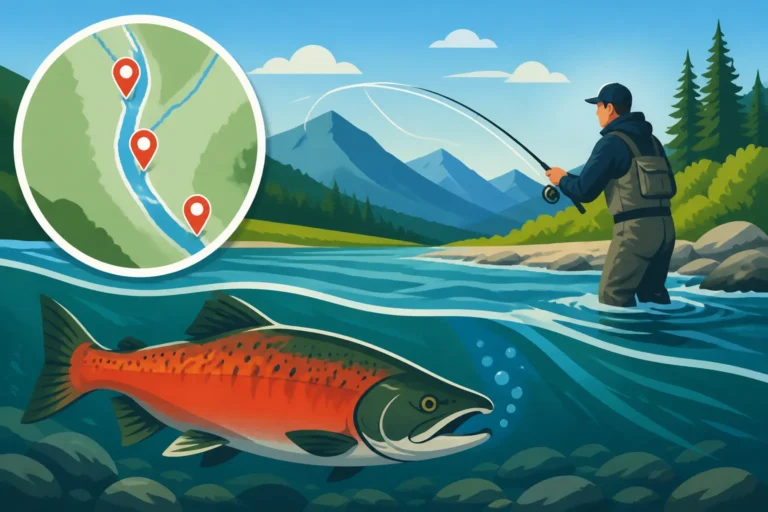
The Dean River is located approximately 100 miles north of Bella Coola, British Columbia, in a region largely inaccessible by conventional roads. This means that reaching the river typically involves a combination of air travel and potentially a boat or floatplane ride. Most anglers will fly into Vancouver or a major hub, then connect to a smaller charter flight or commercial flight (like Pacific Coastal Airlines) to Bella Coola. From Bella Coola, accessing the lower Dean River where the prime steelhead fishing occurs often necessitates a floatplane trip directly to one of the remote lodges or camps situated along the riverbanks.
The logistics can feel daunting. Imagine flying from your home city, landing in a bustling hub, taking another regional flight, and then boarding a small seaplane, watching the landscape transform from towns to dense, rugged wilderness below. It’s an expensive and time-consuming journey, not for the faint of heart or those on a tight schedule. This multi-stage travel can be frustrating, especially when weather delays inevitably pop up in such a remote region. Bags are often weighed carefully for floatplane flights, adding another layer of planning to ensure you bring only the essentials. This isolation, however, is precisely why the Dean maintains its allure, protecting it from overcrowding and ensuring a truly wild experience.
Controlled Access and Booking Systems
Because of the Dean River’s remote nature and the imperative to protect its delicate ecosystem and steelhead runs, public access is heavily controlled. This isn't a river where you can simply show up with your gear and start fishing. Instead, access to the most productive sections of the river is primarily managed through a limited number of private fishing lodges and guide operations. These lodges hold leases or tenures that grant them exclusive or preferential access to specific beats of the river.
Booking a trip to the Dean typically means reserving a spot at one of these renowned lodges, often a year or more in advance due to their high demand. This limited access model serves a crucial conservation purpose: it restricts angler numbers, minimizes pressure on the fish, and helps maintain the pristine quality of the river. The frustration of needing to book so far out, and the expense involved, is a common complaint, but it's a necessary evil for ensuring the long-term health of this fishery. Expect to work with the lodge or a specialized travel agent to secure your spot. Websites like FishingBooker can be a useful resource for exploring reputable lodges and guides who operate in the Dean River region and checking their availability well in advance, though direct booking with specific lodges is also common for such exclusive destinations. Understanding this system is key; you simply cannot "wing it" when it comes to fishing the Dean.
Understanding Dean River Steelhead Seasons and Regulations
Successfully fishing the Dean River means more than just knowing how to cast; it means deeply understanding and respecting the strict seasons and conservation-focused regulations that govern this precious fishery. Failure to do so can result in hefty fines and potential bans, and more importantly, it can jeopardize the health of the very fish you've travelled so far to pursue. It's a common point of anxiety for anglers, trying to ensure they're fully compliant.
Peak Fishing Windows
While the Dean River sees steelhead runs throughout the summer and fall, two primary windows are generally considered "peak" for different types of fish and conditions. The timing can fluctuate slightly year-to-year based on water levels and temperatures, but generally, anglers focus on these periods:
- Early Season (Late June – Early August): This is when the first, aggressive "summer-run" steelhead begin to arrive, fresh from the ocean. The river levels are typically higher from snowmelt, and the water is colder and often a bit greener, providing excellent conditions for these powerful chrome fish. The fish are incredibly strong and willing to chase flies. This period often sees incredible action, as the steelhead are still very active and eager to feed after their journey. It's an exciting time, but the higher water can also make wading challenging, requiring careful attention to Wading Techniques for BC Steelhead Rivers.
- Late Season (Mid-August – September): As the summer progresses, water levels generally drop and clear, and temperatures rise. This period can see more fish in the river, though they may be more "settled" and require a more finessed approach. The fishing can still be fantastic, especially during cooler snaps or periods of rain that bring new pushes of fish into the system. Later in the season, you might also encounter resident trout and the occasional salmon, adding variety to your catch. However, lower water means fish can be spooky, and presentation becomes even more critical.
It’s absolutely vital to confirm specific BC Fishing Season Dates and Closures and BC Steelhead Season Dates for the Dean River with your chosen lodge or the current BC Freshwater Fishing Regulations Synopsis before planning your trip. These dates are subject to change based on conservation needs, so staying informed is paramount.
Strict Conservation Rules and Gear Restrictions
The Dean River operates under some of the most stringent fishing regulations in British Columbia, all designed to protect its wild steelhead population. Anglers must obtain a valid BC freshwater fishing license, along with a mandatory Steelhead Conservation Surcharge Stamp. You can learn more about these requirements in our guide on the British Columbia Fishing License Guide for 2026. Beyond licenses, the Dean has very specific gear restrictions:
- Single Barbless Hooks Only: This is non-negotiable. All hooks must be single-pointed and have their barbs pinched down completely. This greatly reduces harm to fish during catch and release.
- Fly Fishing Only: For steelhead, the Dean River is exclusively a fly-fishing-only river. This means no spinning gear, baitcasters, or bait of any kind. This policy is in place to minimize incidental mortality and maintain the sporting challenge.
- No Lead Weights: To protect the environment, the use of lead weights is prohibited. Anglers must use non-toxic alternatives.
- No Weighted Flies: Certain areas or times may restrict heavily weighted flies, or even any added weight to the line, to ensure fish are not targeted deep, particularly during spawning phases. Always check the local regulations and with your guide.
These rules, while sometimes feeling restrictive, are critical to ensuring future generations can experience the same incredible fishing. Understanding BC Fishing Regulations Explained in detail is crucial for any Dean River angler.
Catch and Release Only Practices
Perhaps the most important regulation on the Dean River is the universal requirement for 100% catch and release for all steelhead. There is absolutely no retention of steelhead permitted. This policy is the cornerstone of the river’s conservation efforts, ensuring that every wild steelhead caught has the best possible chance of survival to spawn and contribute to future generations.
This means that anglers must be proficient in proper catch and release techniques. Here are some key practices:
- Minimize Fight Time: Use appropriate tackle to land fish as quickly as possible without over-stressing them.
- Keep Fish in Water: Do not remove the fish from the water. Unhooking, photography, and revival should all occur with the fish fully submerged or only briefly lifted for a quick photo, ensuring its gills remain wet.
- Use Proper Tools: Carry hemostats or long-nosed pliers for easy hook removal.
- Revive Carefully: If a fish is lethargic, hold it gently in the current, facing upstream, until it can swim away under its own power. Do not pump it back and forth.
- Avoid Handling Gills or Eyes: These are extremely sensitive areas.
- No "Beach Balling": Do not let fish flop on the bank. If you land a fish on shore, immediately return it to the water.
This commitment to responsible angling, outlined in our piece on BC Catch and Release Only Waters, is deeply ingrained in the Dean River fishing ethos. It's not just a rule; it's a shared responsibility among all who cherish this extraordinary fishery.
| Season Window | Approximate Dates | Typical Water Conditions | Steelhead Behavior | Key Regulations |
|---|---|---|---|---|
| Early Summer Run | Late June – Early August | Higher, Colder, Greenish | Aggressive, Hot, Fresh from Ocean | Fly Fishing Only, Single Barbless, Catch & Release |
| Late Summer Run | Mid-August – September | Lower, Clearer, Warmer | More Settled, Can be Spookier, Strong Fighters | Fly Fishing Only, Single Barbless, Catch & Release |
Note: Always consult the current BC Freshwater Fishing Regulations Synopsis for precise and up-to-date regulations.
Mastering Dean River Steelhead Techniques
Fishing for Dean River steelhead is a refined art, demanding precision, patience, and a deep understanding of the river's character. While these fish are known for their aggressive takes, the sheer power of the water and the challenging wading conditions mean that certain techniques and gear choices are more effective than others. This is where the learning curve for many anglers truly begins, and it can be a source of both immense satisfaction and occasional frustration.
Fly Fishing: Swinging Flies and Spey Casting
Given the Dean River's "fly fishing only" regulation for steelhead, mastery of fly casting techniques, especially Spey casting, is paramount. Spey casting is not just a fancy technique; it's a highly efficient way to cover large stretches of water and present flies effectively in powerful currents without needing back-casting room, which is often limited by the steep banks and dense foliage along the Dean.
- Swinging Flies: This is the quintessential Dean River steelhead technique. It involves casting a weighted fly (often a classic steelhead pattern like a Black Bear Green Butt, Hoh Bo Spey, or Intruder) across and slightly downstream, allowing the current to "swing" the fly through the fish-holding lies. The take often comes as a subtle tug or a jarring strike as the fly pauses at the end of the swing. The beauty of the swing is its simplicity and effectiveness. You're covering water methodically, feeling the current, and anticipating that sudden, electrifying pull. Choosing the right line (often a Skagit or Scandi head with various sink tips) and matching it to the fly and water speed is crucial. Our guide on Fly Patterns for BC Steelhead Rivers offers some excellent starting points.
- Reading the Water: Dean River steelhead hold in specific lies: seam lines where fast and slow water meet, behind large boulders, in the deeper troughs of runs, and at the head and tail-outs of pools. Learning to read these subtle cues – changes in current, depth, and structure – is more important than casting distance. A perfect cast to the wrong spot is useless, but a mediocre cast to the right spot can result in a magnificent fish. Guides are invaluable here, as they know every rock and current seam intimately.
- Wading and Presentation: The Dean's currents are strong, and the bottom can be uneven, making wading challenging. Safety is paramount; always wade with a staff and never push your limits. Your presentation needs to be smooth and controlled, allowing the fly to sink and swing naturally. Avoid stripping the fly too aggressively; let the current do the work. The goal is to make the fly look like a natural, vulnerable food item or an irresistible curiosity that triggers an aggressive strike.
Essential Gear for Dean River Steelhead
Having the right gear makes a world of difference on a challenging river like the Dean. It’s an investment, but crucial for both comfort and success. Don't skimp on quality; your gear needs to stand up to powerful fish and remote conditions.
- Rods: A two-handed (Spey) rod is almost universally preferred for swinging flies. A 12-14 foot rod in an 8 or 9 weight is standard, offering the power to cast heavy lines and flies, control big fish, and handle windy conditions. Some anglers also bring a single-handed 7 or 8 weight for specific situations or as a backup.
- Reels: A high-quality, large arbor fly reel with a smooth, reliable drag system is essential. It needs to hold your fly line, backing (at least 200 yards of 30lb dacron or gel-spun), and have the stopping power for a running steelhead. Companies like Abel, Galvan, and Lamson are popular choices known for their durability.
- Lines: A variety of shooting heads (Skagit and Scandi) with different sink tips (T-11, T-14, T-17) will allow you to adapt to varying depths and current speeds. Don't forget floating lines for specific conditions or topwater presentations.
- Leaders and Tippet: Strong, abrasion-resistant leaders and tippet are a must. Fluorocarbon in 12-15 lb test is common for its invisibility and strength.
- Waders and Boots: High-quality, breathable chest waders are essential for comfort and staying dry. Stout wading boots with felt or rubber soles (often studded for extra grip) are critical for navigating the slippery, rocky bottom. This is not a place for cheap, leaky gear.
- Accessories: Don't forget a wading staff for safety, polarized sunglasses for spotting fish and reading water, a good quality net (rubber mesh preferred for fish safety), nippers, forceps, a headlamp, and plenty of layers of clothing for fluctuating weather.
- Safety Gear: Given the remote nature of the Dean, consider a satellite communication device (like a Garmin InReach or Spot device) for emergencies, especially if you plan any unguided excursions. First aid kits are a must, and many guides carry extensive ones.
It's a lot to consider, but proper preparation with the right gear ensures you’re ready for the ultimate steelhead challenge on the Dean.
Planning Your Dean River Expedition: Costs and Considerations
The allure of the Dean River is undeniable, but the reality of planning a trip there involves significant financial investment and careful consideration of logistics. This is not a budget destination, and being realistic about the costs and challenges from the outset can save a lot of heartache and ensure a smoother trip. Many anglers are initially shocked by the price tag, but the value of the experience often justifies it.
Guided Trip vs. DIY Challenges
For the vast majority of anglers, a guided trip through a reputable lodge is the only practical and safe way to experience Dean River steelhead fishing. The challenges of a DIY trip are immense:
- Access: As discussed, getting to the river is complex and expensive. Lodges arrange floatplane charters directly to their camps, eliminating much of the headache.
- Knowledge and Safety: Dean River guides possess an unparalleled knowledge of the river’s ever-changing lies, fish movements, and local hazards (bears, high water, etc.). They navigate the challenging currents safely and know where the fish are holding based on current conditions. Without this expertise, a DIY angler would spend precious fishing time trying to figure out the water, with potentially dangerous consequences.
- Permits and Regulations: Lodges manage the complex web of permits and regulations, ensuring their guests are compliant. Trying to secure these independently can be a bureaucratic nightmare.
- Accommodations and Meals: Lodges provide comfortable accommodations, delicious meals, and all the necessary amenities in a remote setting. A DIY trip would require extensive camping gear, food preparation, and wilderness survival skills.
- Cost: While guided trips are expensive, the cost often bundles flights, lodging, meals, expert guiding, and often even gear. Trying to piece together a comparable DIY trip with floatplane charters, food, and specific equipment for such a remote location can often approach or even exceed the cost of a guided package, without the benefits of expert guidance or established infrastructure.
Therefore, for a world-class experience with the highest chances of success and safety, a guided trip is highly recommended. Many lodges catering to Dean River anglers can be found through specialized booking platforms. For example, FishingBooker lists several top-tier guide services and lodges throughout British Columbia that specialize in salmon and steelhead, giving you a starting point for researching Dean River specific options. Expect costs for a week-long, all-inclusive package to range from CAD $8,000 to $15,000+ per person, not including international airfare or gratuities. It's a significant investment, but for many, it's a once-in-a-lifetime experience.
Packing for the Wilderness Adventure
Given the remote nature of the Dean River and the variable coastal BC weather, careful packing is essential. You'll be spending long days on the water, often in changing conditions, and there are no quick trips to a sporting goods store. Overpacking, however, is not an option due to floatplane weight restrictions.
Clothing (Layering is Key):
- Base Layers: Moisture-wicking synthetic or merino wool long underwear (tops and bottoms).
- Mid-Layers: Fleece jackets, down vests, or synthetic insulated jackets for warmth.
- Outerwear: A high-quality, waterproof and windproof wading jacket and pants. Essential for staying dry in persistent rain or spray.
- Socks: Multiple pairs of warm, moisture-wicking wool or synthetic socks.
- Hat: A warm beanie for cold mornings and evenings, and a baseball cap or wide-brimmed hat for sun protection.
- Gloves: Fingerless fishing gloves for sun protection and warmth, and a pair of waterproof gloves for colder, wetter conditions.
Fishing Specifics:
- Rods: At least two Spey rods (e.g., an 8wt and a 9wt) as backups, or one Spey and one single-handed. Breakages happen!
- Reels and Lines: As mentioned, robust reels and a selection of appropriate Spey lines and sink tips.
- Flies: A good assortment of classic Dean River steelhead patterns in various sizes and weights. Your guide can advise on current hot patterns, but bring a variety.
- Terminal Tackle: Leaders, tippet, split shot (non-lead), and any specific rigging accessories.
- Wading Belt/Pack: For carrying essentials on the water.
- Net: If you prefer your own, ensure it's fish-friendly.
Personal Items:
- Toiletries and Medications: Bring all personal hygiene items and any prescription medications.
- Sunscreen and Insect Repellent: Mosquitos and black flies can be active, especially in calmer areas.
- Camera: For capturing those incredible moments (ensure it's waterproof or in a dry bag).
- Power Bank: To charge electronics in remote locations.
- Book/Entertainment: For downtime in the evenings.
Remember, most lodges provide linens and towels, but always confirm. It’s better to be slightly over-prepared for the elements than under-prepared in such a remote setting. Your packing list for a trip to the Dean is a critical component of your overall preparedness for this truly wild BC fishing experience.
Disclaimer
Please remember that fishing regulations in British Columbia can change frequently due to conservation efforts and environmental factors. Always consult the official BC Freshwater Fishing Regulations Synopsis and relevant Fishery Notices before planning and embarking on any fishing trip. This guide is for informational purposes only and should not be considered a substitute for official regulations.