Campbell River Fishing Guide
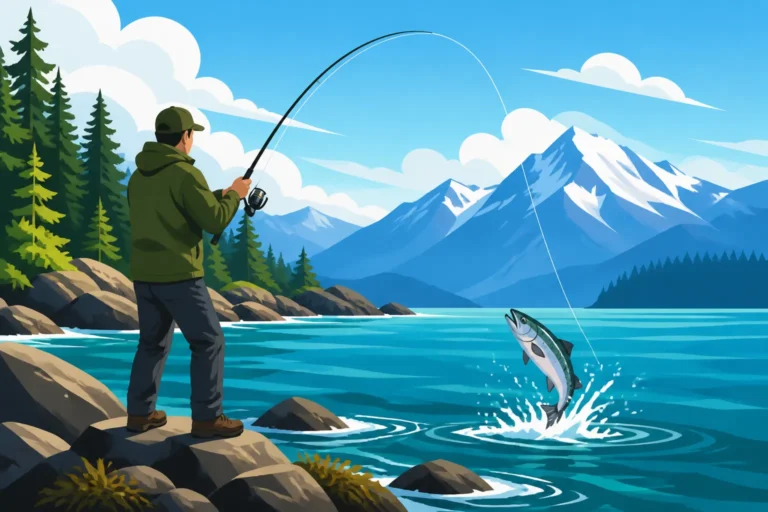
Navigating the incredible fishing opportunities around Campbell River, often dubbed the "Salmon Capital of the World," can feel like a daunting task for even seasoned anglers. With so much diverse water, from the vast Pacific Ocean to intricate river systems and tranquil lakes, it's easy to get lost in the sheer volume of choices and regulations. This comprehensive guide is here to untangle that complexity, providing you with everything you need to know about species, seasons, prime locations, essential techniques, and crucial regulations to ensure your fishing adventure in Campbell River is both memorable and successful.
Why Campbell River is a World-Class Fishing Destination
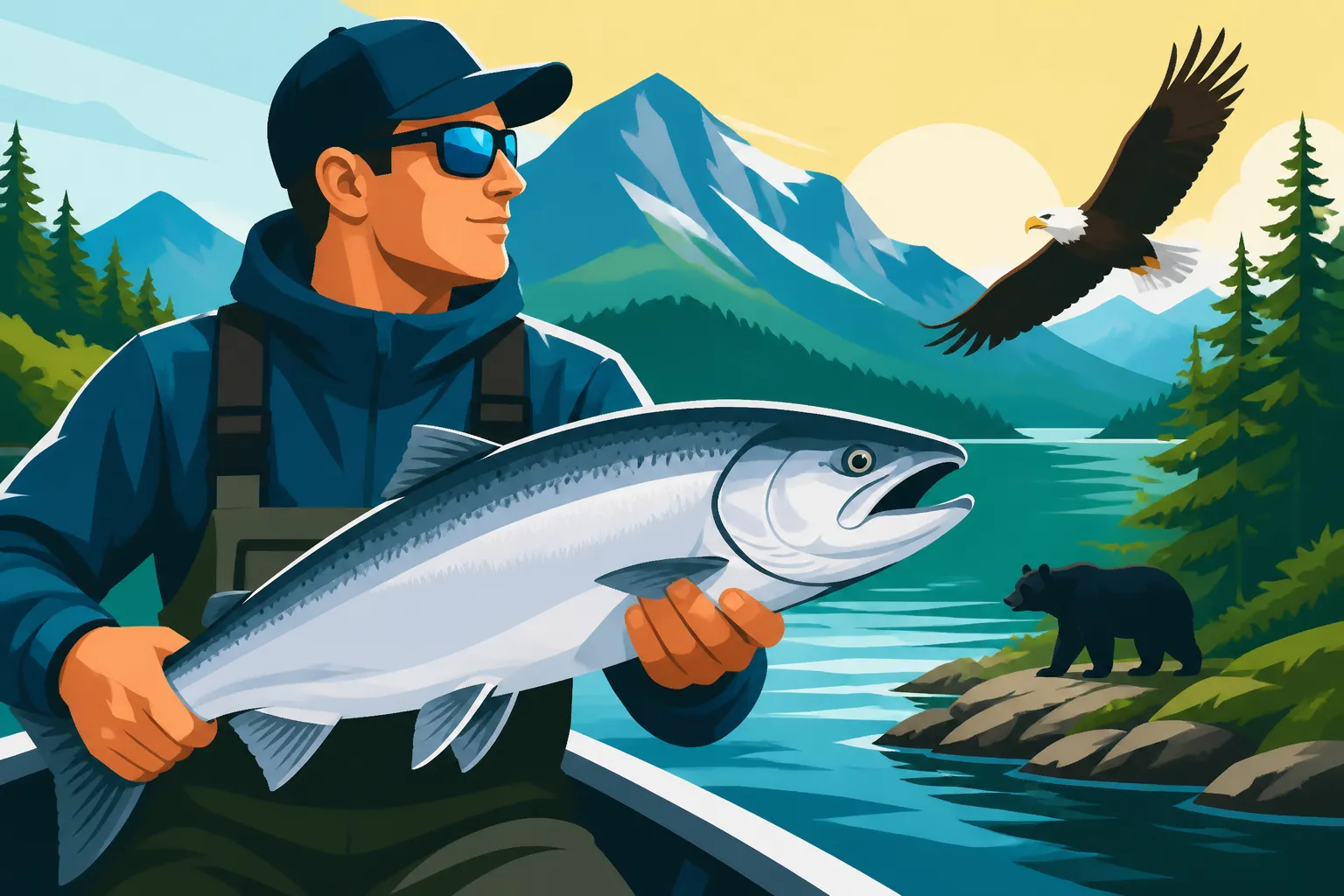
Campbell River truly lives up to its reputation as a global hotspot for anglers. Nestled on the east coast of Vancouver Island, it’s a gateway to some of the most productive fishing grounds in British Columbia, offering an unparalleled diversity of experiences. Whether you dream of battling a trophy Chinook in the saltwater or delicately presenting a fly to a chrome Steelhead, this region has it all.
The Salmon Capital of the World: History and Reputation
The moniker "Salmon Capital of the World" isn't just a catchy phrase; it's a historical fact deeply rooted in Campbell River's identity. For generations, this area has been synonymous with immense runs of Pacific salmon, particularly the mighty Chinook. Back in the day, record-breaking fish were a common occurrence, drawing anglers from around the globe to test their mettle against these powerful creatures. While fishing practices and conservation efforts have evolved, the sheer abundance and variety of salmon returning to these waters each year continue to uphold its legendary status. The area’s unique geography, with nutrient-rich currents and protected migratory routes through the Discovery Passage, creates an ideal staging ground for salmon returning to spawn in the vast river systems of Vancouver Island and the mainland. This consistent return ensures thrilling opportunities throughout much of the year, making it a bucket-list destination for many.
Diverse Fisheries: Saltwater vs. Freshwater Opportunities
What truly sets Campbell River apart is the incredible contrast and accessibility of its fishing environments. You could be trolling for a Chinook salmon in the ocean in the morning and by afternoon, be casting for a Steelhead in a pristine river just a short drive away. The saltwater fishery, stretching through the Discovery Passage, the Strait of Georgia, and beyond into the open Pacific, offers exhilarating opportunities for all five species of Pacific salmon, as well as Halibut, Lingcod, and various rockfish. These deep, rich waters are teeming with baitfish, attracting and holding large schools of predatory fish.
On the other hand, the freshwater systems surrounding Campbell River, including the namesake Campbell River itself and its tributaries, provide a completely different but equally rewarding experience. Here, anglers pursue Steelhead, resident Rainbow Trout, Cutthroat Trout, and even migrating salmon as they push upstream. This dual nature means that no matter your preferred style of fishing – be it offshore trolling, river fly fishing, or lake casting – Campbell River has a perfect spot waiting for you. It’s a rare gem where you truly get the best of both worlds, often within minutes of each other.
The Influence of the Discovery Islands and Strait of Georgia
The geography immediately surrounding Campbell River plays an enormous role in its fishing productivity. The Discovery Islands, a cluster of islands including Quadra, Cortes, and Read Islands, create a natural funnel and provide sheltered waters through the Discovery Passage. This passage is a critical migratory corridor for salmon heading to spawning rivers further south on Vancouver Island and the Fraser River on the mainland. The strong tidal currents here churn up nutrients, making it a rich feeding ground for salmon, particularly Chinook and Coho. Anglers often find phenomenal success fishing the edges of these currents, where baitfish are concentrated.
Further out, the vast expanse of the Strait of Georgia acts as a major feeding and rearing ground for salmon before they make their final push into rivers. Its diverse bottom structure, from shallow reefs to deep canyons, supports a wide array of marine life. This confluence of currents, baitfish, and migratory pathways, sheltered by the rugged coastline and islands, creates a perfect storm of angling opportunity right on Campbell River's doorstep. Understanding these geographical influences is key to unlocking the best fishing spots and techniques in the area.
Key Fish Species You'll Encounter in Campbell River
The waters around Campbell River are teeming with an impressive array of fish species, offering something for every angler. Knowing what you're targeting and when they're most abundant is crucial for a successful trip. From the iconic Pacific salmon to feisty trout and delicious bottomfish, the diversity here is truly remarkable.
Pacific Salmon: Chinook, Coho, Pink, Chum, Sockeye
When people talk about Campbell River, they're often talking about salmon. All five species of Pacific salmon make their way through or into the waters surrounding the city, each offering a unique challenge and experience.
- Chinook Salmon (King Salmon): These are the true giants of the Pacific, highly prized for their size, strength, and delicious meat. Anglers dream of hooking a "Tyee" (a Chinook over 30 pounds) in Campbell River. They are often targeted by trolling in saltwater with spoons, hootchies, or natural bait like herring. Their runs vary throughout the year, with spring and fall often yielding large fish, but prime summer months see consistent action in areas like Discovery Passage and the fishing grounds near Quadra Island. Targeting them requires robust gear and a strong will, as they put up an incredible fight. Knowing the best times to fish for Chinook is key to landing one of these beauties.
- Coho Salmon (Silver Salmon): Known for their acrobatic jumps and spirited fights, Coho are a favorite among many anglers. They are typically smaller than Chinook but make up for it with their aggressive nature and willingness to strike a variety of lures and flies. Coho often feed closer to the surface, making them a blast to catch on light tackle. Their runs usually peak in late summer and fall, both in saltwater and as they enter the river systems. Trolling with small spoons, hootchies, or even casting flies in the river can be incredibly effective for Coho.
- Pink Salmon (Humpies): These are the most abundant salmon species, easily identified by the large hump that develops on the males during spawning. They run in enormous numbers every odd-numbered year (e.g., 2025, 2027), providing fantastic action, especially for beginners or those looking for consistent bites. Pinks are not generally targeted for their culinary value as much as other salmon, but they offer incredible sport on light gear. They are aggressive biters and will readily hit small spoons, flies, and jigs, particularly in the saltwater near the river mouths and in the lower reaches of rivers.
- Chum Salmon (Dog Salmon): Chum salmon are big, powerful fish, second only to Chinook in size. While not typically sought after for their table fare in the same way as Chinook or Coho, they offer an incredible fight. As they approach spawning, males develop impressive canine-like teeth and striking barred patterns. They tend to run in late summer and fall, pushing into rivers in large numbers. In freshwater, they are often caught on large flies or jigs, requiring heavy gear to turn their strong runs. Their sheer power makes them an exciting challenge for any angler.
- Sockeye Salmon (Red Salmon): Renowned for their vibrant red flesh and delicious taste, Sockeye are often challenging to catch on hook and line in marine environments. However, massive runs migrate through the area, especially during the peak years on the Fraser River. While specific retention rules apply and can change frequently, anglers occasionally encounter them, particularly in the lower river or estuary areas. They primarily feed on zooplankton, making them finicky biters. Special techniques, often involving small flashers and tiny lures, are sometimes used when opportunities arise. It's crucial to check local fishery notices for BC sockeye salmon closures and retention limits before targeting them.
Steelhead and Trout: Resident and Anadromous Varieties
Beyond the salmon, Campbell River's freshwater systems are home to fantastic Steelhead and resident trout populations, providing year-round angling opportunities for those who prefer river or lake fishing.
- Steelhead: These magnificent anadromous (sea-run) Rainbow Trout are arguably the most revered freshwater game fish in BC. They return from the ocean to spawn in rivers like the Campbell River and its tributaries, offering an incredibly challenging and rewarding fishery. Steelhead are famous for their beauty, powerful runs, and aerial acrobatics. There are both summer-run and winter-run Steelhead in BC. The BC Steelhead Season Dates are critical knowledge for any angler hoping to target these elusive fish. Techniques range from drift fishing with bait or jigs to float fishing and spey casting flies. Success often requires patience, persistence, and a good understanding of river dynamics. These fish are primarily a catch-and-release fishery, emphasizing conservation.
- Rainbow Trout: Found in many local lakes and rivers, resident Rainbow Trout provide consistent action. The Campbell River system, including its lakes like Buttle Lake, boasts healthy populations of these beautiful fish. They can be caught using a variety of methods, including fly fishing with dry flies or nymphs, spin casting with small spinners or spoons, or still fishing with bait. They are often more accessible than Steelhead, making them a great option for family outings or those looking for a more relaxed fishing experience.
- Cutthroat Trout: Coastal Cutthroat Trout are another common resident in the rivers and estuaries around Campbell River. They can be sea-run (like Steelhead) or entirely freshwater-resident. Recognizable by the red-orange slash under their jaw, they are aggressive predators that will readily chase flies, small spinners, and spoons. They often patrol the edges of rivers and estuaries, preying on insects and small baitfish. Catching a sea-run Cutthroat can be a particular treat, as they often have vibrant chrome sides and put up a strong fight.
Bottomfish and Other Coastal Delights: Halibut, Lingcod, Rockfish
The saltwater expanses off Campbell River offer more than just salmon. Venturing into deeper waters opens up opportunities for a variety of delicious and hard-fighting bottomfish.
- Halibut: These flatfish are true leviathans of the deep, growing to immense sizes and offering an incredible test of strength for any angler. Halibut fishing is a serious endeavor, often requiring heavy gear, deep-water techniques, and sometimes a longer run out to offshore banks. They are highly prized for their firm, white, flaky meat. The season and bag limits for Halibut are strictly regulated, so always check the current BC Halibut Bag Limit Rules before heading out. They are typically caught by jigging large lead jigs or baiting circle hooks with octopus, salmon heads, or herring on the bottom. Tofino and Ucluelet are famous for Halibut, but good fishing can be found off Campbell River too.
- Lingcod: With their distinctive mottled camouflage and fierce appearance, Lingcod are aggressive predators that inhabit rocky reefs and kelp beds. They are voracious eaters and put up a surprisingly strong fight. Like Halibut, they are excellent eating. Lingcod are often targeted by jigging with large swimbaits, metal jigs, or even live bait near structure. Their season is generally more extended than Halibut, but size limits and daily quotas still apply. They are a fantastic bonus catch for salmon anglers or a primary target for those specifically seeking bottomfish.
- Rockfish: British Columbia's coast is home to numerous species of rockfish, including Yelloweye, Copper, Quillback, and China rockfish. While some species are abundant, many are long-lived and vulnerable to overfishing, leading to strict regulations, including Rockfish Conservation Areas (RCAs) where retention is prohibited. These fish are generally found near rocky bottoms, reefs, and pinnacles. They readily take jigs, bait, and even salmon gear. While they make for good eating, understanding the specific rules for BC Rockfish Conservation Area Rules and identifying species is crucial to fish ethically and legally. Always be prepared to release rockfish carefully, especially from deep water, using descending devices to minimize barotrauma.
Understanding Campbell River's Fishing Seasons
Fishing in Campbell River is a year-round affair, but the species available and the techniques used change dramatically with the seasons. Understanding these cycles is paramount to planning a successful trip. The dynamic marine and freshwater environments mean there’s always something to chase.
Spring Fishing: Early Runs and Bottomfish Opportunities
As the snow melts and the days lengthen, spring brings a renewed sense of excitement to the Campbell River fishing scene. This is a transitional period, offering a mix of opportunities.
- Emerging Salmon Opportunities: While the peak salmon runs are still a few months away, spring offers a chance to target "winter" or "feeder" Chinook salmon in the saltwater. These are resident fish that haven't yet begun their spawning migration, and they are often found actively feeding in the Strait of Georgia and Discovery Passage. While not as numerous as summer runs, they can be large and are incredibly strong, making for a challenging fight. Trolling with spoons and hootchies at various depths is a common tactic. Anglers looking to get an early jump on the season will find good chances for these hard-fighting fish.
- Bottomfish Bonanza: Spring is an excellent time for targeting Halibut and Lingcod, as their seasons typically open and they become more active after the colder winter months. These fish are often found near underwater structure and in deeper channels. With calmer spring weather, it's often more comfortable to venture out to the offshore banks and reefs. Jigging with heavy lures or bait on the bottom is the go-to method. Remember to check current regulations for these species, as seasons and limits can change annually.
- Freshwater Trout Action: In the freshwater, resident Rainbow Trout and Cutthroat Trout become more active as water temperatures rise and insect hatches begin. This is a prime time for fly fishing on local rivers and lakes, with nymphs and emerging insects being key food sources. Rivers like the Campbell River and its tributaries, and lakes like Buttle Lake, can offer fantastic action for those seeking a more serene experience away from the saltwater hustle.
Summer Salmon Frenzy: Peak Season Action
Summer is synonymous with salmon in Campbell River. This is when the migratory runs truly begin in earnest, transforming the area into a bustling hub of angling activity.
- Chinook and Coho Peaks: July, August, and early September are prime months for Chinook and Coho salmon. Massive schools of these fish converge in the Discovery Passage and surrounding waters as they stage before entering their natal rivers. This period offers some of the most consistent and exciting salmon fishing of the year. Trolling with downriggers becomes the dominant technique, allowing anglers to present lures and bait at the precise depths where salmon are feeding. This is when the chance of landing a true "Tyee" Chinook is at its highest. Many anglers book charters well in advance through services like FishingBooker to ensure they get a spot during this peak window.
- Pink and Sockeye Runs: In odd-numbered years, the summer brings enormous runs of Pink Salmon, providing incredible light-tackle action for everyone. While Sockeye are harder to target on a line, their massive runs also occur during the summer, contributing to the overall ecological richness of the area. Even if not directly targeted, the sheer volume of salmon in the water makes every outing exciting.
- Warm Water Opportunities: The warmer summer waters also mean more comfortable conditions for offshore trips. This is a popular time for family fishing trips, taking advantage of the usually calm seas and abundant fish. However, be mindful of busy boat traffic and practice safe boating etiquette.
Fall Steelhead and Late Salmon Runs
As summer fades into fall, Campbell River offers a change of pace, with lingering salmon and the exciting arrival of powerful Steelhead.
- Late Season Salmon: While the main summer runs subside, the fall still provides excellent opportunities for Coho, Chum, and some late-run Chinook. Coho are often at their largest in the fall, having fed heavily all summer, and their aggressive nature makes them a thrilling catch. Chum salmon also enter the rivers in large numbers, providing powerful fights in the freshwater. This is a great time for river anglers, as salmon push upstream towards their spawning grounds.
- Winter Steelhead Prep: Late fall marks the beginning of the highly anticipated winter Steelhead season. These incredible fish begin to enter rivers like the Campbell and Quinsam, migrating from the ocean. While the peak of the winter run is still to come, patient anglers can find early opportunities for these prized fish. This is when anglers start to shift their focus to techniques like drift fishing, float fishing, and spey casting in the rivers.
- Lingering Bottomfish: Lingcod and other bottomfish can still be targeted in early fall, particularly before the winter storms make offshore trips less appealing. The cooler waters can even make them more aggressive in some areas. Always be sure to consult the most current BC Fishing Regulations Explained for species-specific opening and closing dates, as these can be dynamic.
Winter Opportunities: Lingcod and Resident Trout
Even in the chill of winter, fishing opportunities persist in Campbell River for the dedicated angler. It’s a quieter time on the water, often offering a more solitary and peaceful experience.
- Winter Steelhead Peak: For many, winter is all about the Steelhead. The peak of the winter Steelhead runs often occurs from late fall through early spring. These strong, chrome-bright fish are a testament to perseverance, as anglers brave colder temperatures and often higher, murkier water conditions. Success in winter Steelhead fishing is a badge of honor, requiring skill, determination, and proper gear. The challenge of catching a wild, anadromous Steelhead in the middle of winter is a powerful draw.
- Lingcod and Rockfish: Winter can be a fantastic time to target Lingcod, especially during periods of calmer weather. They are often found in deeper water and around rocky structures. While other bottomfish might be less active, Lingcod remain a viable target. Again, checking specific regulations for rockfish is crucial, especially concerning RCAs.
- Resident Trout: Many local lakes and even the slower stretches of rivers continue to hold resident Rainbow and Cutthroat Trout throughout the winter. While hatches might be sparse, nymphing or using small spinners can still yield results. For those who enjoy the tranquility of a quiet lake on a crisp winter day, this can be a rewarding experience. It's a great time to practice your technique without the crowds of summer.
Prime Fishing Spots Around Campbell River
Campbell River is blessed with an abundance of diverse fishing locations, each offering unique opportunities. From the renowned salmon highway of Discovery Passage to tranquil freshwater lakes, knowing where to cast your line is key to maximizing your success.
Discovery Passage and Quadra Island: Saltwater Hotspots
When it comes to saltwater salmon fishing, the Discovery Passage and the waters surrounding Quadra Island are legendary. This narrow, fast-moving strait acts as a critical bottleneck for migrating salmon, making it an incredibly productive area.
- The "Humps" and Green Can: These areas are famous for Chinook and Coho salmon. The "Humps" refer to underwater rises that create current breaks and concentrate baitfish, making them prime feeding grounds. The Green Can, a navigational marker, is another well-known hotspot where strong currents create ideal conditions for ambushing salmon. Anglers often troll with downriggers, deploying spoons, hootchies, or bait such as herring at various depths to intercept passing salmon. The action here can be fast and furious, especially during the summer peak. Charter boats from Campbell River, often booked through platforms like FishingBooker, frequent these zones, as they are reliable producers.
- Seymour Narrows: While not a fishing spot itself due to extremely strong and dangerous currents, Seymour Narrows is an important geographical feature impacting the fishing in Discovery Passage. The narrow passage funnels fish, and the areas immediately adjacent, both north and south, can be productive as fish stage before or after navigating the narrows. The current around Ripple Rock creates deep, nutrient-rich upwellings that concentrate baitfish, drawing in salmon. However, extreme caution and local knowledge are paramount when operating near these areas.
- Quadra Island Shorelines: The sheltered bays and rocky points along the Quadra Island shorelines, particularly on the side facing Discovery Passage, offer excellent opportunities. These areas can hold resident feeder Chinook year-round and are prime spots for migratory salmon to pause and feed. Drifting with jigs or mooching with bait can be effective closer to the shore, especially for anglers in smaller boats or kayaks. The diverse structure provides excellent habitat for baitfish, which in turn attracts salmon.
The Campbell River Estuary and Mainstem: River Mouth Action
Where the Campbell River meets the ocean, an incredibly fertile estuary is formed, offering unique fishing opportunities for both saltwater and freshwater species as they transition between environments.
- Estuary for Migratory Salmon: The estuary itself is a dynamic zone where fresh and saltwater mix. This is a critical staging area for all five species of Pacific salmon before they begin their journey upstream. As such, it can be an incredibly productive spot, particularly during the late summer and fall. Anglers often target salmon here from shore or small boats, using spoons, spinners, jigs, or flies that imitate baitfish. The tides play a crucial role in the estuary, with incoming tides often bringing fresh fish in and outgoing tides concentrating them in deeper channels. Checking the Campbell River Fishing Guide for specific closures or retention rules in the estuary is vital, as regulations can change to protect spawning salmon.
- Lower Campbell River for Steelhead and Salmon: The mainstem of the Campbell River, from the estuary upstream, is a renowned freshwater fishery. This river is famous for its winter Steelhead runs and provides excellent opportunities for Coho and Chum salmon in the fall. During salmon runs, anglers can often find fish congregating in deeper pools and runs. Drift fishing with roe, jigs, or pink worms is popular for Steelhead, while fly anglers often use weighted nymphs or spey flies. For salmon, larger plugs, spinners, or cured roe are effective. The river is relatively accessible, with numerous public access points along its length, offering opportunities for both bank and wade fishing.
- Quinsam River Confluence: A major tributary to the Campbell River, the Quinsam River is also an important salmon and Steelhead stream. The confluence where the Quinsam meets the main Campbell River can be a fantastic hotspot, as fish often pause here before deciding which river system to ascend. The Quinsam is also home to a salmon hatchery, which contributes to the health of the local runs. Fishing in the Quinsam requires specific knowledge of its regulations, as certain sections may have different rules or be closed to protect sensitive spawning grounds. It's a particularly good spot for Steelhead during the winter months.
Local Lakes and Tributaries: Freshwater Gems
Beyond the main river and ocean, Campbell River is surrounded by a network of beautiful lakes and smaller tributaries that offer excellent freshwater fishing, often for trout.
- Buttle Lake: Located within Strathcona Provincial Park, Buttle Lake is a large, deep lake known for its resident Rainbow Trout and Cutthroat Trout. It's a stunning setting for a day of fishing, surrounded by mountains. Trolling with spoons or flies is a popular method for targeting the larger trout, while shore anglers can find success casting smaller spinners or bait. The lake's size means that exploring different bays and drop-offs is key to finding the most productive areas. It’s a fantastic option for a more serene fishing experience away from the bustling saltwater.
- Echo Lake and Roberts Lake: These smaller, more accessible lakes near Campbell River are often stocked with Rainbow Trout by the Freshwater Fisheries Society of BC, making them excellent choices for families and beginner anglers. Stocked lakes typically offer more consistent action and are easier to fish from shore or small boats. Fly fishing with leeches or chronomids, or spin casting with PowerBait or small inline spinners, can be very effective here. These lakes provide a great opportunity to introduce kids to fishing, and often have amenities like boat launches and picnic areas.
- Smaller Tributaries and Ponds: Beyond the main rivers and large lakes, numerous smaller creeks and ponds dot the landscape around Campbell River. While some may be closed or have special regulations, others offer hidden gems for smaller resident trout. Exploring these lesser-known spots can be incredibly rewarding for the adventurous angler seeking solitude and a challenge. Always ensure you are fishing legally and respecting private property.
Essential Fishing Techniques for Campbell River Waters
To truly make the most of your Campbell River fishing adventure, it's vital to understand the most effective techniques for the various species and environments you’ll encounter. Each method is tailored to specific conditions and fish behaviors.
Saltwater Salmon Trolling: Gear and Strategies
Trolling is by far the most popular and productive method for targeting salmon in the saltwater around Campbell River, especially for Chinook and Coho.
- Downriggers are Key: Given that salmon often feed at specific depths, downriggers are indispensable for saltwater trolling. These devices allow you to precisely control the depth of your lure or bait, getting it right into the feeding zone. A typical setup involves a main fishing line attached to a release clip, which in turn is attached to a heavy cannonball weight on the downrigger wire. When a fish strikes, the line releases from the clip, allowing you to fight the fish directly without the weight. Understanding how to set your downriggers to target the optimal depth, often identified with sonar, is critical.
- Lure and Bait Selection: The choice of lure or bait is paramount. Popular options include plastic hootchies (squid imitations), various sizes and colors of spoons (like those from Rhys Davis or Gibbs Delta Tackle), and plugs. Natural bait, particularly herring, whether trolled whole or cut "plug-cut," is also incredibly effective, especially for Chinook. The specific color and size often depend on water conditions (clear vs. murky), light levels, and what the baitfish in the area are doing. Sometimes, a flasher or dodger is used ahead of the lure or bait to attract attention and impart an enticing action.
- Speed and Pattern: The speed and pattern of your troll are just as important as your gear. Salmon are often sensitive to boat speed, and a slight variation can make all the difference. Anglers typically troll at speeds between 2.0 and 4.0 mph, but experimenting is key. S-turns and figure-eights can be effective, causing your lures to speed up and slow down, triggering strikes from following fish. Watching your sonar for bait balls or fish arches, and then adjusting your depth and speed accordingly, is a skill honed over many hours on the water. Many charters on FishingBooker come equipped with top-tier electronics and experienced guides who can read the water like a book.
River Fishing for Salmon and Steelhead: Drift, Float, and Fly
For those who prefer the tranquility and challenge of river fishing, Campbell River offers excellent opportunities, particularly for Steelhead and migrating salmon.
- Drift Fishing: This technique is incredibly effective for Steelhead and salmon in rivers. It involves presenting a natural bait (such as cured roe, worms, or prawns) or an artificial lure (like a Jensen egg or a small jig) on the bottom, allowing it to tumble naturally with the current. The key is to use just enough weight to keep your presentation near the bottom without snagging excessively, mimicking a natural food item drifting downstream. A good drift is long and controlled, covering various depths and current seams where fish might be holding. This requires a sensitive rod to detect subtle bites.
- Float Fishing (or "Browning"): Popularized for its effectiveness and visual appeal, float fishing involves suspending your bait or lure beneath a bobber (float) and allowing it to drift through runs and pools. The float signals bites, often with a sudden dip or disappearance. This method is excellent for covering a lot of water and presenting your offering at a consistent depth, especially when fish are suspended or holding in specific current lanes. It’s particularly effective for Steelhead and Coho in the Campbell and Quinsam Rivers, using jigs, roe bags, or even small flies under the float. Proper float selection and shot placement are crucial for a natural drift.
- Fly Fishing and Spey Casting: For the purists, fly fishing offers an unparalleled connection to the fish and the environment. In the Campbell River, both single-hand and two-hand (Spey) rods are employed. Single-hand rods are used for resident trout, swinging streamers, nymphing, or casting dry flies to rising fish. For Steelhead and large salmon, Spey casting allows anglers to cover vast stretches of water with minimal effort, swinging large flies through prime holding water. Different fly patterns, from brightly colored intruders to more subtle patterns, are used depending on water conditions and target species. How to Catch Steelhead in BC with a fly rod is a challenging but deeply rewarding experience.
Jigging and Bottom Fishing: Targeting Halibut and Lingcod
When the target shifts to the bottom-dwelling giants like Halibut and the aggressive Lingcod, specialized jigging and bottom fishing techniques come into play.
- Heavy Jigging: For Halibut, heavy jigs are often employed. These can be large metal jigs, lead-head jigs dressed with large soft plastics (like Berkley Gulp! or Z-Man baits), or even traditional "banana" jigs. The technique involves dropping the jig to the bottom, then vertically jigging it with a sharp lift and controlled fall, imitating a wounded baitfish or squid. Halibut often strike on the fall or when the jig is resting briefly on the bottom. Fishing deep for Halibut requires strong rods, heavy braided line, and often electric reels for ease of retrieval.
- Bait Fishing for Bottom Dwellers: Another highly effective method for Halibut and Lingcod is bait fishing on the bottom. This usually involves a heavy sinker on a dropper loop or sliding setup, with a large circle hook baited with generous chunks of salmon, herring, octopus, or even whole squid. Circle hooks are preferred as they typically result in a hook-up in the corner of the fish's mouth, making for an easier and safer release for non-target species. Letting the bait sit on the bottom and waiting for a solid bite, then applying steady pressure to set the circle hook, is the strategy.
- Targeting Structure for Lingcod: Lingcod are ambush predators that love to hide in rocky structures, kelp beds, and underwater pinnacles. Therefore, effectively fishing for Lingcod involves finding these structures using your sonar and then precisely dropping jigs or bait into or around them. Heavy swimbaits and grub tails on large jig heads are particularly effective when retrieved slowly over and through the structure. It’s a game of navigating snags but the reward of a big Lingcod is often worth the effort. Always be aware of BC Rockfish Conservation Area Rules when fishing near structure, as many rockfish species reside there and must be released if caught.
Navigating Regulations and Licensing in Campbell River
Fishing in British Columbia, especially around a vibrant hub like Campbell River, comes with its share of rules. Understanding the regulations and securing the proper licenses is not just about avoiding fines; it’s about contributing to the conservation of these precious fisheries.
Freshwater vs. Tidal Water Licenses: What You Need to Know
This is a critical distinction that often confuses anglers, especially those new to BC.
- Freshwater Fishing License: If you plan to fish in any non-tidal waters – meaning lakes, rivers, and streams that are above the tidal influence – you will need a valid BC Freshwater Fishing License. This is issued by the Province of British Columbia and can be purchased online through the BC Angler system or from authorized vendors. The cost varies depending on residency (resident vs. non-resident) and duration (annual, 1-day, 8-day). Make sure you understand the nuances of BC Resident vs Non-Resident Fishing License Costs in BC before you buy. This license covers all freshwater species except for certain salmon species in designated freshwater systems, which require an additional stamp.
- Tidal Waters (Saltwater) Fishing License: If your adventure takes you into the ocean, including the Discovery Passage, Strait of Georgia, and any other marine waters, you’ll need a Tidal Waters Sport Fishing License. This license is issued by Fisheries and Oceans Canada (DFO). Like the freshwater license, it can be purchased online or from authorized vendors, and costs vary based on residency and duration. This license is essential for targeting any marine species, including all five species of Pacific salmon in saltwater. It’s important to note that even if you’re fishing for bottom fish or shellfish in the ocean, this is the license you require.
- The Overlap in Estuaries: This is where it gets tricky! In estuaries, where rivers meet the sea, there can be an overlap. Generally, DFO regulations (requiring a Tidal Waters License) apply below the "tidal boundary," which is usually clearly marked or defined in the regulations. Above that, provincial freshwater rules apply. If you're unsure, it’s often safest to possess both licenses, especially if you plan to fish both environments in a single day, or consult a local expert or your charter captain. A good charter service, often found via FishingBooker, will guide you on this. For a deeper dive, check out BC Freshwater vs Tidal Waters License, Explained.
Salmon Stamps and Conservation Surcharges
Simply having a basic fishing license isn't always enough, especially when targeting prized species like salmon and steelhead.
- Salmon Conservation Stamp (Tidal Waters): If you plan to retain any species of Pacific salmon caught in tidal waters, you must purchase a Salmon Conservation Stamp and affix it to your Tidal Waters Sport Fishing License. This stamp's proceeds go directly towards salmon enhancement, conservation, and habitat restoration efforts. Even if you only catch-and-release salmon in saltwater, many anglers purchase the stamp as a voluntary contribution to conservation. Make sure you understand BC Salmon Conservation Stamp Rules if you plan to fish for salmon.
- Freshwater Salmon Retention Rules: The rules for retaining salmon in freshwater are distinct and often species- and river-specific. For example, to retain certain species of salmon caught in freshwater (like Chinook or Coho that may be open for retention), you may need an additional "Freshwater Salmon Conservation Stamp" on your Provincial Freshwater Fishing License. These stamps are crucial for accountability and ensuring sustainable harvests. Always check the specific regulations for the river you are fishing, as openings, limits, and stamp requirements can change frequently based on conservation concerns. BC Freshwater Salmon Retention Rules often vary by season and location.
- Steelhead and Rainbow Trout Conservation Surcharges: For anglers targeting Steelhead in provincial freshwater rivers, there's a mandatory "Steelhead Conservation Surcharge Stamp" that must be purchased and affixed to your freshwater license. Similarly, in some regions, a "Rainbow Trout Conservation Surcharge Stamp" might be required. These stamps contribute directly to the management and conservation of these iconic freshwater species. These funds are vital for programs that protect their habitats and ensure their future.
Understanding Bag Limits and Seasonal Closures
These regulations are in place to ensure sustainable fishing practices and protect vulnerable fish populations. Ignoring them can lead to significant penalties.
- Bag and Possession Limits: Every species of fish in BC has a daily "bag limit" (how many you can catch and keep in one day) and a "possession limit" (how many you can have in your possession, including at home in the freezer). These limits vary by species, size, and sometimes by specific fishing area. For instance, BC Bag and Possession Limits by Species will clearly outline how many Chinook, Coho, or Halibut you can keep. Always measure your fish carefully and release those that don't meet the minimum size requirement.
- Seasonal and Area Closures: Many fisheries in BC operate under strict seasonal or area closures, particularly for salmon and Steelhead, to protect spawning aggregations or critically low populations. These closures can be static (e.g., specific rivers closed during certain months) or dynamic, changing in-season based on DFO or provincial monitoring. For example, BC Fishing Season Dates and Closures will detail when certain areas are open or closed. The Fraser River Sockeye run, for instance, often has specific non-retention windows, even in saltwater, that impact fishing in the Campbell River area.
- Fishery Notices: The most up-to-date and crucial information on closures, limits, and other regulations is issued through "Fishery Notices" by DFO (for tidal waters) and through the BC Freshwater Fishing Regulations Synopsis (for provincial waters). It is the angler's responsibility to check these notices before each fishing trip, as conditions can change rapidly. Ignorance of the rules is no defense. Local tackle shops, guides, and charter operators are often excellent sources of the latest information, and reputable services on FishingBooker will keep you informed.
Planning Your Campbell River Fishing Trip
A successful fishing trip to Campbell River isn't just about knowing where and how to fish; it’s about careful planning, choosing the right support, and being prepared for the conditions.
Choosing a Reputable Charter or Guide Service
For many visitors, especially those new to the area or targeting specific species, hiring a professional charter or guide is the best way to experience Campbell River’s world-class fishing.
- Benefits of a Guide: A local guide brings invaluable expertise, including knowledge of current hot spots, tides, baitfish movements, and effective techniques. They also handle the boat, safety gear, and often provide high-quality rods, reels, and tackle. This significantly increases your chances of success and allows you to focus purely on the fishing experience. Guides are also up-to-date on all the latest regulations, ensuring you stay compliant. For those new to the area, a guided trip can save countless hours of trial and error.
- What to Look For: When selecting a charter or guide, look for operators with strong local reputations, appropriate licensing (Transport Canada certification for saltwater captains), and positive reviews. Ask about their experience targeting your desired species and their approach to conservation (e.g., catch-and-release practices, proper fish handling). Communication is key; a good guide will answer your questions clearly and set realistic expectations. Many excellent options can be found and booked online through platforms like FishingBooker, allowing you to compare services and read testimonials from other anglers.
- Types of Services: Campbell River offers a range of services, from full-day offshore saltwater charters targeting salmon and halibut to smaller river guides specializing in Steelhead or freshwater trout. Consider whether you want a private trip or prefer to join a shared charter to reduce costs. Think about the size of your group and your specific angling goals when making your choice. How to Choose a BC Fishing Charter provides more in-depth advice on this.
Accommodation and Local Amenities for Anglers
Campbell River is a well-established tourist destination, offering a variety of accommodations and services tailored to visiting anglers.
- Lodging Options: From cozy fishing lodges and resorts to hotels, motels, B&Bs, and vacation rentals, Campbell River has options to suit every budget and preference. Many accommodations are located close to marinas, boat launches, and downtown amenities. If you're bringing your own boat, look for places with ample parking for trailers. Some lodges offer all-inclusive packages that include accommodation, meals, and guided fishing trips, providing a seamless experience.
- Tackle Shops and Supplies: The city boasts several well-stocked tackle shops where you can purchase licenses, pick up forgotten gear, get local advice, and often have your catch processed and frozen. These shops are invaluable resources for up-to-the-minute information on local conditions and what's biting. Engaging with the staff can often provide insights that no online guide can match. Major retailers like Canadian Tire also carry a good selection of fishing gear.
- Boat Launches and Marinas: If you're bringing your own boat, Campbell River has excellent public and private boat launch facilities. The Discovery Harbour Marina and the public launch ramps provide easy access to the saltwater. For river access, smaller launches are available at various points along the Campbell River. Ensure your boat meets all BC Boating Laws for Anglers, including safety equipment and registration requirements, before launching. Many marinas also offer moorage, fuel, and other services.
Packing Essentials and Safety Considerations
Being prepared is crucial for any fishing trip, especially when dealing with the variable weather and marine conditions of British Columbia.
- Layered Clothing: The weather in Campbell River can change quickly, so dressing in layers is essential. Waterproof and windproof outerwear is a must, even on sunny days, especially for saltwater trips. Bring warm base layers, fleece jackets, and waterproof pants. Gloves and a warm hat are also highly recommended, even in summer, particularly for early morning starts.
- Personal Gear: Don't forget sunscreen, sunglasses (polarized are a huge advantage for spotting fish and reducing glare), and a wide-brimmed hat. A small waterproof bag for personal items (phone, wallet, camera) is always a good idea. Snacks, drinks, and a packed lunch are important for longer trips, especially if your charter doesn't provide them. If you're prone to seasickness, bring appropriate medication and take it before you board.
- Safety First: Always prioritize safety. If you're on a charter, your captain will handle most safety aspects, but it’s still good to know what to expect. If you're fishing independently, ensure you have all required safety equipment on your boat, including life jackets (a must for everyone on board, and mandatory to wear in certain situations), flares, a whistle, and a first-aid kit. File a float plan if you’re going offshore, letting someone know your itinerary. Inform someone of your plans even if you're just fishing a local river. Carry a fully charged cell phone or satellite communication device, especially in remote areas. Knowing Life Jacket Requirements for BC Boaters is not just a suggestion, it's the law.
Conservation and Sustainable Fishing Practices
The incredible fishing opportunities in Campbell River are not limitless. They depend heavily on the health of the ecosystems and responsible angling practices. As stewards of these waters, it's vital that we all play our part in conservation.
Catch and Release Best Practices
While retaining fish for consumption is a time-honored tradition, catch and release is also a crucial tool for conservation, particularly for vulnerable populations like wild Steelhead or large, breeding salmon.
- Minimize Stress: The goal is to release fish with the highest chance of survival. This means minimizing the time a fish is out of the water, handling it gently with wet hands, and supporting its body horizontally. Avoid touching the gills or eyes.
- Proper Gear: Use single, barbless hooks whenever possible. Barbless hooks make removal much easier and reduce damage to the fish. When fishing for Steelhead, many areas mandate barbless hooks.
- Revive the Fish: Before releasing, gently hold the fish in the water, facing into the current, allowing water to flow over its gills until it regains its strength and can swim away on its own. Do not simply toss it back. This is especially important for larger, exhausted fish.
Respecting Local Ecosystems and Wildlife
Our presence on the water impacts more than just the fish we target. A respectful approach ensures the longevity of these beautiful natural environments.
- Pack It In, Pack It Out: Leave no trace. All garbage, fishing line, and waste should be packed out. Monofilament fishing line, in particular, is a significant hazard to wildlife. Consider carrying a small trash bag with you.
- Wildlife Viewing Etiquette: British Columbia is home to abundant wildlife, including whales, seals, sea lions, and various bird species. Enjoy these encounters from a respectful distance, avoiding any actions that could disturb or stress the animals. Familiarize yourself with marine mammal viewing guidelines.
- Protect Habitats: Be mindful of spawning redds (fish nests in riverbeds) when wading in rivers, especially during spawning seasons. Avoid disturbing sensitive vegetation along riverbanks and shorelines, as these areas are crucial for erosion control and insect habitat.
Supporting Local Conservation Efforts
Anglers have a vested interest in ensuring healthy fish populations for future generations. Supporting local conservation initiatives is an impactful way to give back to the resource.
- License Fees and Stamps: Remember that a portion of your license fees and conservation stamp purchases directly funds research, habitat restoration, stock assessment, and enforcement efforts. This is a direct contribution to the health of the fishery.
- Volunteer and Advocacy: Consider volunteering with local streamkeeper groups, conservation organizations, or hatchery programs. Many organizations like the Pacific Salmon Foundation, Steelhead Society of BC, and local angling clubs in Campbell River are actively involved in protecting and enhancing fish populations. Advocating for responsible resource management is another powerful way to contribute.
- Educate Others: Share your knowledge of responsible fishing practices with fellow anglers, especially newer generations. By spreading awareness about ethical angling, catch and release techniques, and conservation values, we can collectively ensure that Campbell River remains a world-class fishing destination for years to come.
| Species | Best Season | Primary Location | Common Techniques | Retention Rules (General) |
|---|---|---|---|---|
| Chinook Salmon | Summer (Jul-Sept), Spring | Discovery Passage, Offshore | Saltwater Trolling, Mooched Bait | Varies by size/area/season |
| Coho Salmon | Late Summer, Fall | Discovery Passage, River Estuary | Saltwater Trolling, River Casting (Lures/Flies) | Varies by area/season |
| Pink Salmon | Summer (Odd Years) | Estuary, Lower River | Light Tackle Trolling, Spin Casting, Fly Fishing | Often liberal in odd years |
| Chum Salmon | Fall | Mainstem Campbell River | River Float Fishing, Spey Casting (Flies) | Varies by area/season |
| Steelhead | Winter (Nov-Apr) | Campbell River, Quinsam River | Drift Fishing, Float Fishing, Spey Casting | Primarily Catch & Release |
| Rainbow Trout | Spring, Summer | Local Lakes, Campbell River | Fly Fishing, Spin Casting, Trolling | Varies by lake/river |
| Halibut | Spring, Summer | Offshore Banks | Deep Water Jigging, Bottom Bait Fishing | Strict limits, specific seasons |
| Lingcod | Spring, Fall, Winter | Rocky Reefs, Structures | Jigging with Baits/Lures, Bottom Fishing | Size/bag limits, open season |
Disclaimer
Fishing regulations in British Columbia are complex and subject to frequent change. This guide provides general information for planning purposes only. It is the angler's sole responsibility to consult the official Fisheries and Oceans Canada (DFO) website for current Tidal Waters regulations and Fishery Notices, and the BC Freshwater Fishing Synopsis for Provincial Freshwater regulations, before each fishing trip. Always ensure you have the correct licenses and stamps for your target species and location. Compliance with all regulations is mandatory.