BC Dolly Varden identification and limit rules
It can be incredibly frustrating to be out on the water, hook into a beautiful char, and then stare at it, wondering if it's a Dolly Varden or a Bull Trout, and what on earth the rules are for keeping or releasing it. British Columbia's diverse waterways are home to some truly stunning fish, but navigating the nuances of identification and the ever-changing regulations can feel like trying to untangle a bird's nest of fishing line. This guide will help you confidently identify Dolly Varden and understand the specific limit rules that apply in BC, ensuring you stay on the right side of conservation and enjoy your fishing experience without the guesswork.
Understanding Dolly Varden in BC's Waters
The Dolly Varden, a member of the char family (Salvelinus genus), is truly one of British Columbia's most iconic and beautiful freshwater fish. Often found in cold, clear, pristine waters, these fish are a testament to the health of an ecosystem. However, they are also frequently confused with their close relatives, the Bull Trout, leading to a lot of head-scratching among anglers. Getting their identification right isn't just about showing off your fish knowledge; it's absolutely vital for adhering to BC's fishing regulations, which can differ significantly between species and even within the same species across different regions.
What Makes a Dolly Varden, a Dolly Varden?
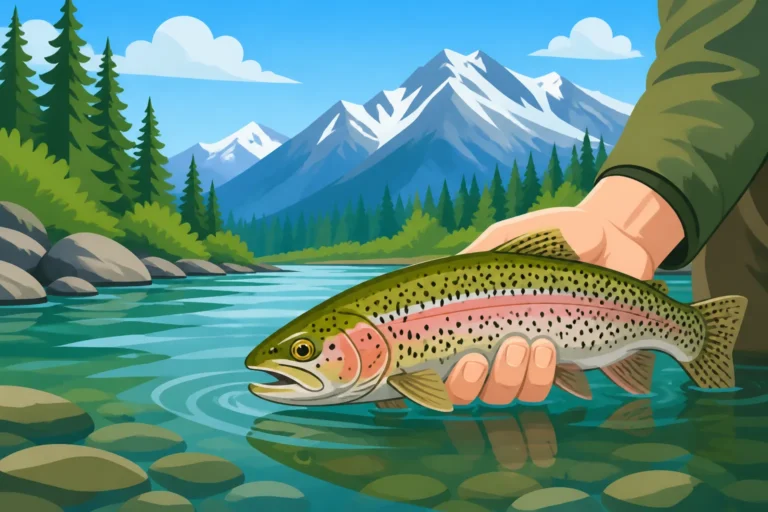
Dolly Varden (Salvelinus malma) are magnificent fish with a distinctive appearance that sets them apart, once you know what to look for. Generally, they boast an olive-green to brownish-green body color, peppered with numerous small, light-colored spots. These spots are typically pink, red, or yellowish, and they extend onto the dorsal fin. One key characteristic is the absence of vermiculations (worm-like markings) on the back and dorsal fin, which are often present on Brook Trout, another char species found in some BC waters.
Their fins are also a good indicator. Dolly Varden often have a white or cream-colored leading edge on their pectoral, pelvic, and anal fins, sometimes followed by a darker stripe. This subtle white tip can be a helpful, though not always definitive, identifier. The tail fin is usually slightly forked. Size-wise, Dolly Varden can vary greatly depending on their habitat. In smaller streams, they might only be a few inches long, while anadromous (sea-run) Dolly Varden found in coastal rivers and estuaries can grow to impressive sizes, sometimes exceeding 20 inches and weighing several pounds. These larger specimens often take on a more silvery sheen when in saltwater or fresh from the ocean, making their spots less prominent.
Dolly Varden vs. Bull Trout: The Great Debate (and Why it Matters)
Ah, the classic BC char conundrum! For years, and even today in casual conversation, many anglers will refer to any large char they catch in the interior of BC as a "Dolly Varden." However, the scientific and regulatory truth is a bit more nuanced. In British Columbia, the vast majority of char found in the interior, south of the Skeena River drainage, are actually Bull Trout (Salvelinus confluentus). True Dolly Varden (Salvelinus malma) are generally found in coastal drainages, Vancouver Island, and north of the Skeena system.
The distinction matters profoundly for conservation and regulation. Bull Trout populations, particularly in the southern interior, have faced more significant conservation concerns and often have stricter limits or are designated as catch-and-release only in certain areas. Misidentifying a Bull Trout as a Dolly Varden could lead to inadvertently violating regulations.
So, how do you tell them apart? It can be tricky, as they share many physical characteristics.
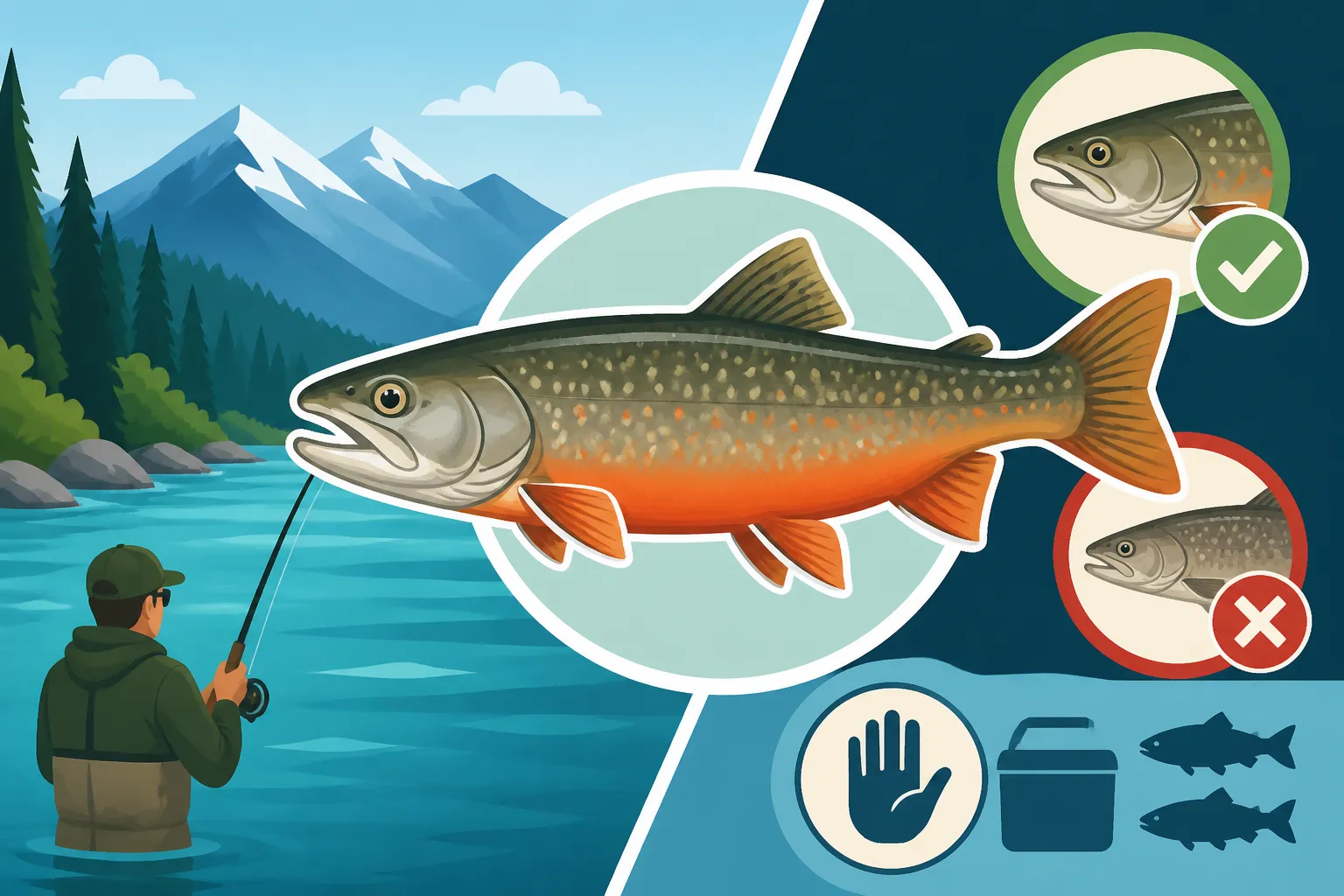
- Head Size: Bull Trout typically have a noticeably larger, broader head and mouth compared to their body size, giving them a more predatory appearance. Dolly Varden, while also predatory, tend to have a more streamlined head proportion.
- Spotting: While both have light spots on a darker background, Bull Trout spots tend to be more diffuse, sometimes appearing yellowish or orange, and typically don't extend as prominently onto the dorsal fin. Dolly Varden spots are often brighter, more distinct pink or red, and generally cover the dorsal fin more uniformly.
- Body Shape: Bull Trout often appear more "torpedo-shaped" or robust, especially as they get larger, while Dolly Varden might have a slightly more slender profile.
- Coloration: Both can vary greatly with habitat, but Bull Trout often have a more olive-grey or dark green back, while Dolly Varden can lean more towards a brownish-green.
The best approach is to familiarize yourself with the regional expectations. If you're fishing in the Kootenays, Okanagan, or Fraser system, chances are you're looking at a Bull Trout. If you're on Vancouver Island, the North Coast, or in the Yukon Territory, it's more likely a Dolly Varden. Always err on the side of caution if you're unsure, and consult the specific regulations for the water body you are fishing. It’s always a good idea to have a laminated fish identification card, perhaps one you ordered off Amazon for quick reference, especially if you're venturing into new territory.
Navigating BC's Dolly Varden Regulations
Let's be real, reading through the entire BC Freshwater Fishing Regulations Synopsis can feel like trying to decipher an ancient scroll. It's thick, full of legal jargon, and specific rules can change on a dime depending on the exact creek, river, or lake you're targeting. But understanding the regulations for Dolly Varden and Bull Trout is absolutely critical for responsible angling in British Columbia. These species are highly valued, and their populations are carefully managed.
Daily Quotas and Possession Limits
The first thing every angler needs to know is the daily quota and possession limit. For Dolly Varden and Bull Trout, these limits are often grouped together as "char" in the BC regulations. This means that if the limit is, say, 2 char, it doesn't matter if you catch two Dolly Varden, two Bull Trout, or one of each – your limit is two.
Typically, in BC, the general daily aggregate limit for char (which includes Dolly Varden, Bull Trout, and Brook Trout) is two (2). This means you can keep up to two char per day. The possession limit is usually the same as the daily quota, meaning you can't have more than two char in your possession at any time, whether they're fresh or frozen from a previous day's catch. However, this is just a general guideline. It is absolutely paramount to consult the specific regulations for the water body you intend to fish. Many lakes and rivers have specific "exceptions to general regulations" that override this. You might find a lake with a limit of 0 (catch-and-release only), or perhaps a higher limit if management objectives allow for it. For example, some heavily stocked lakes might have different rules. For detailed information, you'll want to check the specific section on BC Bag and Possession Limits by Species.
Size Restrictions and Gear Rules
Beyond just the number of fish you can keep, British Columbia often imposes size restrictions and specific gear rules for Dolly Varden and Bull Trout, again, with the aim of promoting conservation and sustainable fishing.
- Size Restrictions: You might encounter minimum or maximum size limits. For instance, a regulation might state "no char under 30 cm" or "no char over 50 cm." These are usually designed to protect juvenile fish, allowing them to mature and spawn, or to protect large, reproductively valuable broodstock. Catching a fish that's too small or too large means it must be released immediately and unharmed. Always carry a measuring tape.
- Gear Restrictions: Many sensitive char habitats, especially clear, cold streams and rivers, will have specific gear restrictions. The most common is the single barbless hook rule. This means your hooks must have only one point (no trebles) and the barb must be pinched down completely. The purpose of this rule is to minimize harm to fish, increasing their survival rate after release. You might also find bait bans in place, meaning only artificial lures or flies are permitted. This is often implemented to reduce accidental hooking mortality, as fish tend to swallow bait deeper. Some areas might even be restricted to fly fishing only.
- Other Restrictions: Occasionally, you'll encounter specific rules like no retention of char during certain spawning periods, or restrictions on fishing from boats in particular areas.
It's crucial to check these details in the Reading the BC Freshwater Fishing Regulations Synopsis before you even tie on your first lure. A small, lightweight fishing scale and measuring tape, easily found on Amazon, can be invaluable for ensuring you comply with size and weight regulations on the spot.
Regional and Seasonal Variations to Watch For
This is where things can get particularly tricky and why a casual "yeah, the limit's usually two" just won't cut it. British Columbia is a vast province with incredibly diverse ecosystems, and fishing regulations are highly localized and dynamic. What applies to a river in the Kootenays might be completely different from a coastal stream on Vancouver Island or a lake in the Northern Interior.
- Regional Differences: Each of BC's eight management regions (e.g., Lower Mainland, Thompson-Nicola, Kootenay) has its own specific set of regulations, and within those regions, individual water bodies can have further specific rules listed in "Region Specific Regulations" or "Exceptions to General Regulations." For example, a popular lake might have a different char limit than an isolated alpine stream just a few kilometers away.
- Seasonal Changes: Regulations can also change with the seasons. Certain periods might be closed to protect spawning fish, or limits might be adjusted to reflect run strength. Pay close attention to BC Fishing Season Dates and Closures when planning your trip.
- Fishery Notices: Perhaps the most important thing to monitor are the Fishery Notices issued by Fisheries and Oceans Canada (DFO) for tidal waters and the Province of BC for freshwater. These notices announce in-season changes to regulations, often due to unexpected shifts in fish populations, environmental conditions, or conservation concerns. A river that was open last week might be closed today, or a retention limit might suddenly become catch-and-release only. Always check the latest notices before heading out.
The onus is entirely on the angler to know and follow the rules. Ignorance is not an excuse, and fines for non-compliance can be substantial. Taking the time to understand the BC Fishing Regulations Explained is an essential part of being a responsible angler in this province.
Where to Find Dolly Varden in British Columbia
So, you've got your identification down, you know the rules, now where do you go to actually find these magnificent fish? Dolly Varden, and their Bull Trout cousins, are cold-water char that prefer pristine, oxygen-rich environments. Understanding their preferred habitats and behavior will significantly increase your chances of a successful and rewarding fishing trip.
Prime Habitats and Favorite Haunts
Dolly Varden are opportunistic predators, and their habitat preferences reflect this, often revolving around the availability of their prey and cool, clean water.
- Coastal Rivers and Streams: True Dolly Varden (Salvelinus malma) are most prevalent in the coastal drainages of BC, including streams and rivers on Vancouver Island, the Queen Charlotte Islands (Haida Gwaii), and northwards along the mainland coast and into the Skeena River system. These anadromous populations spend part of their lives in saltwater, returning to freshwater to spawn. They thrive in systems with good gravel beds for spawning and abundant forage fish or insects. Think of the crystal-clear rivers feeding into the Pacific, particularly those with good cover like fallen trees, undercut banks, and deep pools.
- Lakes: While often associated with rivers, Dolly Varden can also be found in many large, deep, cold-water lakes, especially in northern BC. Here, they might feed on smaller fish species like kokanee or minnows, as well as zooplankton and insects. They'll often cruise drop-offs, underwater structures, and near inlets/outlets where fresh water flows in, bringing food.
- Estuaries and Saltwater: The anadromous Dolly Varden will spend time foraging in estuaries and nearshore saltwater environments, particularly during spring and summer, fattening up before returning to their natal streams. This is where they often achieve their largest sizes.
Some of the Best Fishing Rivers in British Columbia for Dolly Varden and Bull Trout include the Fraser River system (mainly Bull Trout in its lower reaches, but Dollies further north), the Squamish River, the Cheakamus River, and many rivers on Vancouver Island like the Campbell River and Cowichan River. Further north, rivers within the Skeena and Nass systems are renowned for their char populations.
When and How to Target These Beautiful Fish
Timing and technique are everything when it comes to consistently hooking into Dolly Varden. Their aggressive nature makes them a joy to catch, but you still need to present your offering correctly.
-
Best Time of Year:
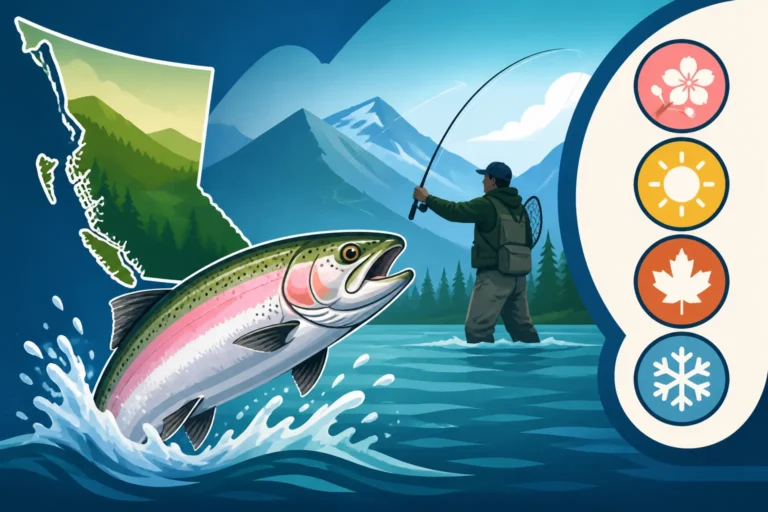
- Spring (April-June): As waters warm slightly and insect hatches begin, Dolly Varden become more active. Anadromous fish may be moving into estuaries or lower river sections.
- Summer (July-August): While some fish will move into deeper, cooler lake waters during the heat, coastal rivers can still be productive, especially in the early mornings or late evenings. This is also a prime time for sea-run Dolly Varden in estuaries.
- Fall (September-November): This is arguably one of the best times. Dolly Varden, like other chars, become very active in the fall as they prepare for spawning. They will often key in on salmon eggs from spawning salmon, making for fantastic fishing opportunities.
- Winter (December-March): While challenging, ice fishing for Dolly Varden in lakes can be productive, and some coastal rivers might offer opportunities for wintering fish in deeper pools.
-
Preferred Fishing Methods and Gear:
- Spin Fishing: Spoons and spinners are incredibly effective for Dolly Varden. Look for silver, brass, or copper colors, or patterns that imitate baitfish. Small Kastmasters, Crocodiles, or Rooster Tail spinners in sizes appropriate for the water body are excellent choices. Casting across runs and letting your lure swing through deep pools or along current seams can be very productive. A light to medium-light spinning rod with 6-10 lb test line is usually sufficient.
- Fly Fishing: For fly anglers, streamers that imitate baitfish (e.g., Sculpzillas, Clouser Minnows, Woolly Buggers) are highly effective. In the fall, egg patterns are absolutely deadly when salmon are spawning. Nymphing with stonefly or caddisfly imitations can also work in rivers. A 6-8 weight fly rod is a good all-around choice.
- Bottom Bouncing/Drifting: In rivers, especially when targeting larger Bull Trout, drifting baits (where legal) or artificial presentations like plastic worms or soft beads can be very successful.
- Trolling (Lakes): For lake Dolly Varden, trolling with spoons, gang trolls, or even small plugs can entice strikes. Vary your depth until you find where the fish are holding. This is similar to How to Catch Rainbow Trout in BC Lakes when they are feeding on baitfish.
When selecting gear, especially if you're shopping online, consider browsing Amazon for a good quality landing net with a rubberized mesh (fish friendly!), a durable measuring tape, and a set of forceps for easy hook removal. Remember, responsible angling means minimizing stress on the fish, especially if you're practicing catch and release.
No matter your chosen method, remember the importance of presentation and covering water. Dolly Varden are often ambush predators, so targeting areas with current breaks, structure, and depth changes is key.
| Feature | Dolly Varden (Salvelinus malma) | Bull Trout (Salvelinus confluentus) |
|---|---|---|
| Body Color | Olive-green to brownish-green | Olive-grey to dark green/brown |
| Spot Color | Distinct pink, red, or yellowish | Yellowish, orange, or sometimes faint |
| Spot Distribution | Extends prominently onto dorsal fin | Less prominent on dorsal fin |
| Head Size | More proportionate to body | Noticeably larger, broader head and mouth |
| White Fin Edges | Often distinct white leading edge on pectoral, pelvic, anal fins | Less distinct or absent |
| Geographic Range | Primarily coastal BC, Vancouver Island, North of Skeena | Primarily interior BC, South of Skeena |
| Typical Size | Up to 25 inches, can be larger (sea-run) | Up to 40+ inches (can be very large) |
Disclaimer
The information provided in this guide is for general informational purposes only and is not a substitute for the official British Columbia Freshwater Fishing Regulations Synopsis or Fisheries and Oceans Canada (DFO) Tidal Regulations and Fishery Notices. Regulations can change frequently and vary significantly by region and specific water body. It is the angler's sole responsibility to consult the most current official regulations before fishing. Always practice responsible angling and conservation.