BC Interior Fraser steelhead protection closures
Planning a fishing trip to British Columbia can be an incredible experience, but it also comes with the responsibility of understanding and adhering to a complex web of regulations. Few things are as disheartening as driving hours to a cherished river, only to discover that it's closed to protect a fragile fish population. For those targeting the magnificent steelhead, especially in the Interior Fraser region, these unexpected BC Interior Fraser steelhead protection closures can be particularly frustrating. This guide aims to demystify these critical regulations, helping you grasp their purpose, navigate their complexities, and ultimately ensure your angling pursuits are both successful and respectful of conservation efforts.
Understanding the Plight of Interior Fraser Steelhead
The steelhead of British Columbia's Interior Fraser watershed are truly special fish, but they are also incredibly vulnerable. Their survival hinges on strict protection measures, which is why understanding the "why" behind the closures is so important.
The Unique and Vulnerable Stock
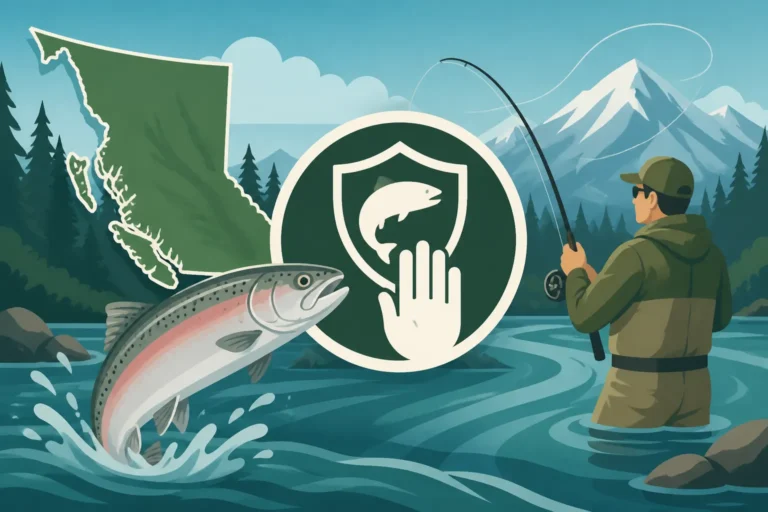
When we talk about Interior Fraser steelhead, we're not just talking about any steelhead. These are a genetically distinct population, often completing incredible, arduous migrations deep into the interior of the province, sometimes travelling hundreds of kilometres up rivers like the Thompson, Chilcotin, and Nicola. Their journey is epic, returning from the ocean as adults to spawn in the same freshwater streams where they were born. This unique life history makes them a keystone species for many interior river ecosystems, but also particularly susceptible to environmental changes and human pressures.
Sadly, in recent decades, these populations have faced a severe and alarming decline, reaching critically endangered levels. You've probably heard the dire reports – some years, returns have been so low that the numbers barely register. This sharp drop isn't due to a single factor but a combination of challenges, including habitat loss and degradation in both freshwater and marine environments, the impacts of climate change on water temperatures and flow regimes, increased predation, and historical overfishing. Their long migration routes expose them to many different threats along the way, making their recovery an uphill battle. It's truly heartbreaking to see such an iconic species struggle, and it’s why so many anglers, even those who love to fish for them, understand the critical need for robust protective measures.
Why Strict Conservation Measures are Essential
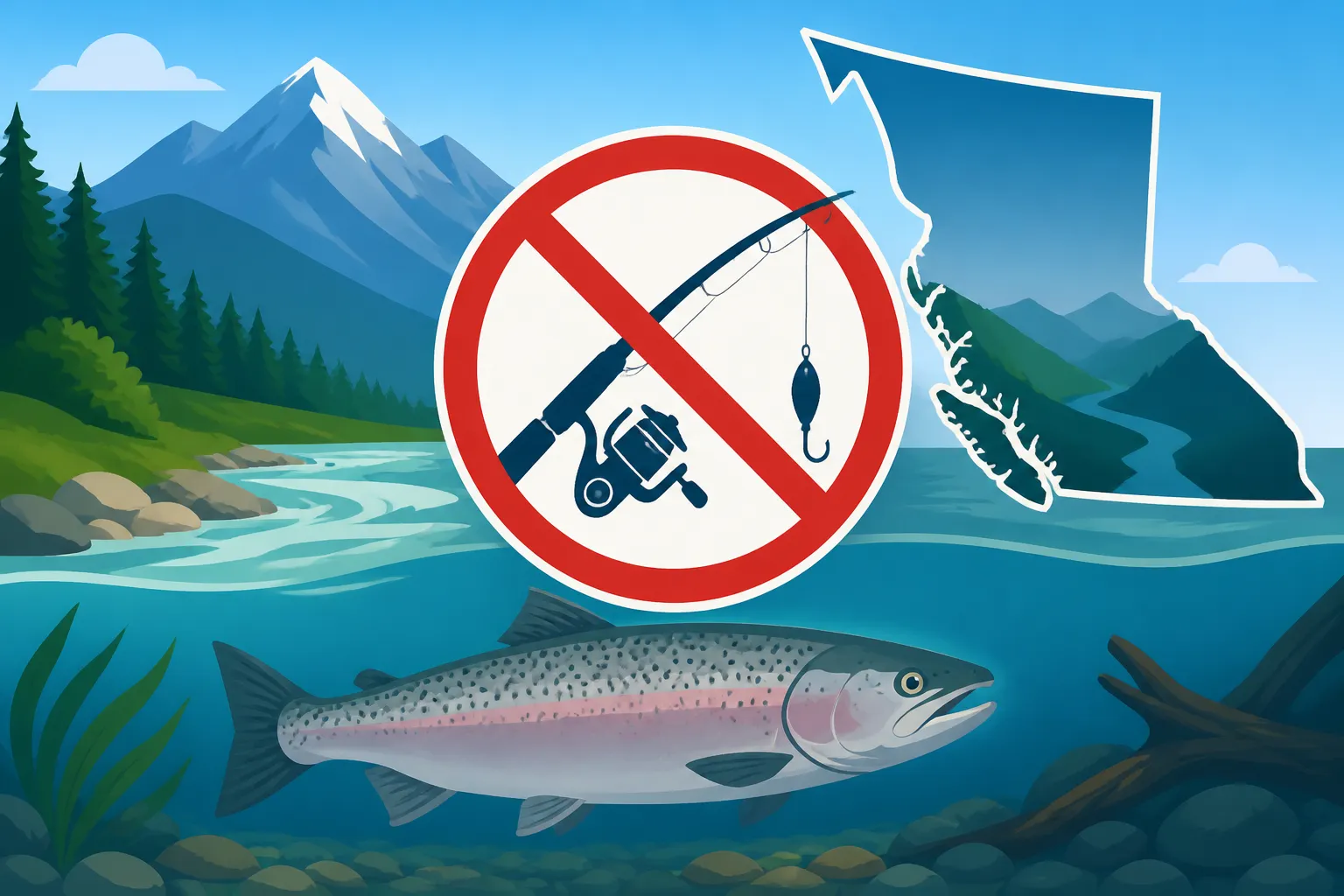
Given the critically low numbers and the unique genetic makeup of these steelhead, strict conservation measures aren't just a good idea; they are absolutely essential for their survival. The primary goal of the BC Interior Fraser steelhead protection closures is to provide these struggling fish with refuge and reduce any additional stressors during their most vulnerable life stages, particularly during their arduous migration and spawning periods.
While it can be incredibly frustrating to find your favourite river section closed, these decisions are made based on the best available science and real-time stock assessments. The closures aim to ensure that as many adult steelhead as possible can successfully reach their spawning grounds and reproduce, contributing to the next generation. It’s about giving them a fighting chance. Without these stringent protections, the risk of these unique steelhead populations disappearing altogether is very real. We all want to see healthy, thriving steelhead runs for generations to come, and sometimes that means making tough choices in the present. Think of it as investing in the future of fishing in British Columbia.
Deciphering BC Interior Fraser Steelhead Protection Closures
The term "closure" can sound a bit vague, but in practice, these protections are very specific, targeting certain areas during critical times. Understanding the nuances is key to responsible angling.
Geographic Scope and Affected Rivers
When we talk about the "Interior Fraser" region in the context of steelhead, we're generally referring to the vast network of rivers and their tributaries that flow into the Fraser River upstream of the Fraser Canyon. The main players often affected by these protection closures include the iconic Thompson River and its major tributaries like the Nicola River, the Bonaparte River, and the Deadman River. Further north, the Chilcotin River system, including the Chilko and Bridge rivers, also hosts Interior Fraser steelhead runs and can see similar closures.
It's crucial to understand that these aren't always blanket closures of entire river systems. Often, specific river sections, smaller tributaries, or even particular confluences are identified as critical migration corridors or spawning habitats and are therefore targeted for closure. For instance, you might find a specific stretch of the Thompson River closed to all steelhead fishing, while other sections remain open with restrictive gear rules, or are open to other species. These hyper-local regulations mean you can't just assume a whole river is open or closed; you need to check the specifics for your intended fishing spot.
Types of Closures and Their Duration
The regulatory landscape for Interior Fraser steelhead is dynamic and can involve several types of closures, each with its own implications for anglers. It's important to distinguish between them:
- Complete Closure: This is the most restrictive. A section of river is entirely closed to fishing for steelhead, meaning you cannot target or possess steelhead in that area, and often, it implies a closure to all fin-fishing to avoid incidental catches. If you accidentally hook a steelhead in a completely closed waterbody, you must immediately release it without removing it from the water, and often, you should discontinue fishing in that spot.
- Non-Retention: In these areas, you might be allowed to fish for steelhead, but you must release any steelhead you catch immediately and carefully. There is zero retention allowed. This is often accompanied by mandatory gear restrictions like single barbless hooks. This is a common strategy when stocks are low but not so critical as to warrant a full fishing ban. You'll see similar rules applied to salmon in some areas, as outlined in the BC Freshwater Salmon Retention Rules.
- Gear Restrictions: Even when a waterbody isn't fully closed, strict gear rules are almost always in effect for steelhead. This typically means single, barbless hooks only. The rationale here is to minimize injury to incidentally caught or released steelhead, increasing their chances of survival. Bait bans are also very common, as bait can lead to deeper hooking and higher mortality rates.
- Seasonal Closures: These are predictable annual closures, often implemented during the peak migration and spawning windows for steelhead. For the Interior Fraser steelhead, this generally means late fall through spring. These periods are when the fish are most vulnerable, making these seasonal closures a critical protection. You can find general seasonal information in the BC Steelhead Season Dates.
- In-Season Closures: This is where things can get tricky. Beyond the standard seasonal closures, Fisheries and Oceans Canada (DFO) or the provincial Ministry of Forests, Lands, Natural Resource Operations and Rural Development (FLNRORD) can implement emergency or in-season closures with little notice. These decisions are typically triggered by real-time data showing lower-than-expected returns or other unforeseen threats. This is why checking for updates right before you head out, and even during a multi-day trip, is paramount.
The duration of these closures can vary from a few weeks to several months, or even indefinitely until populations recover. This dynamic nature means that relying on last year's regulations is a recipe for disappointment and potential non-compliance.
Navigating the Regulations as an Angler
Understanding the closures is one thing, but knowing how they impact your actual fishing experience and what you need to do is another. It's about being prepared and proactive.
Specific Restrictions and Gear Requirements
When a section of river is declared "closed to fishing for steelhead," it means exactly that. You cannot intentionally target steelhead there. If you're fishing for other species in the same water and accidentally hook a steelhead, you are required to release it immediately, handle it minimally, and ideally, without removing it from the water. In many cases, if a steelhead population is critically endangered, authorities will close the entire fishery for all species in certain sections to eliminate any chance of incidental catch, as even a brief fight and release can stress these fragile fish.
Beyond outright closures, gear restrictions are practically universal when fishing for steelhead in BC. The rule of single, barbless hooks only is paramount. A barbless hook minimizes tissue damage and allows for a quick, clean release, greatly increasing the fish's survival odds. Many anglers manually crimp down the barbs on their hooks with pliers, a simple yet effective practice. Bait bans are also very common on steelhead waters, particularly in the Interior Fraser. Using bait can lead to "gut hooking" where the fish swallows the hook deeply, making a successful release nearly impossible. Therefore, artificial lures and flies are typically the only legal options in these sensitive areas. It's a small change to your tackle box, but it makes a huge difference to the fish. You'll find similar gear restrictions in BC Chinook non-retention areas to protect vulnerable salmon stocks.
The challenge for anglers in these restricted waters often lies in avoiding incidental catch. If you're targeting rainbow trout, for example, but steelhead might also be present, you need to be extra vigilant. This means being mindful of your fishing methods, your bait/lure choice, and your location. If you find you're consistently hooking steelhead, even accidentally, it’s a strong signal that you should move to a different spot or change your technique to minimize interactions. Always prioritize the well-being of the fish.
The Importance of Staying Informed
This might be the single most critical piece of advice for any angler in BC: you must stay informed. Ignorance of the regulations is not an excuse, and penalties for non-compliance can be severe, including hefty fines and confiscation of gear. More importantly, disregarding closures undermines the very conservation efforts meant to protect these incredible fish for future generations.
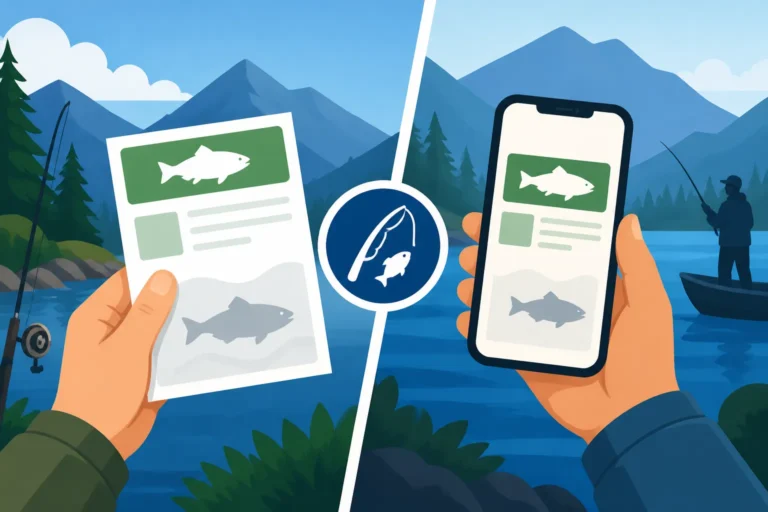
The primary source for freshwater regulations is the BC Freshwater Fishing Regulations Synopsis, published annually by the provincial government. While the printed version is great, and you can sometimes find supplementary guidebooks or regional maps on platforms like Amazon, it's absolutely vital to check the online version and official fishery notices for the most up-to-date information, as in-season changes are common. For anadromous species like steelhead, which spend part of their life in the ocean, you'll also need to consult the federal Fisheries and Oceans Canada (DFO) website for their fishery notices, as they manage these species. It can feel like a lot of homework, but it’s part of the deal when you fish these magnificent waters. A great resource to keep an eye on is BC Fishery Notices and In-Season Closures, Explained, which helps break down how to interpret these critical updates.
Practical Steps for Responsible Steelhead Fishing
Being a responsible angler goes beyond just following the rules; it's about actively contributing to the health of the fishery.
Essential Resources for Current Information
Before you even pack your bags, and certainly before you cast your first line, make it a habit to consult the official sources for the latest regulations, especially for the Interior Fraser steelhead. These resources are your best friends:
- DFO Fishery Notices: For all anadromous species like steelhead, the federal Fisheries and Oceans Canada (DFO) website is the authority. They issue "Fishery Notices" that detail openings, closures, and specific restrictions for various areas. You can subscribe to email alerts for your region, which is highly recommended. These notices are often the first place to announce sudden in-season closures or changes.
- FLNRORD Regional Regulations: The provincial Ministry of Forests, Lands, Natural Resource Operations and Rural Development (FLNRORD) manages freshwater fisheries. Their website hosts the full BC Freshwater Fishing Regulations Synopsis, available as a PDF. Always download the latest version. Pay close attention to the regional tables and special regulations sections that pertain to the Interior Fraser. You'll find a lot of general guidance in the main BC Fishing Regulations Explained article.
- Local Tackle Shops: Don't underestimate the power of local knowledge! Staff at reputable tackle shops in communities near steelhead rivers often have the most up-to-the-minute information, sometimes even before official notices are widely distributed. They live and breathe these waters and can offer invaluable advice on current conditions and unexpected closures.
- Reputable Guides and Charter Operators: If you're hiring a guide, they are legally obligated to know and follow all regulations. They are an excellent source of current information and can take the guesswork out of where and how to fish legally and ethically.
- Online Fishing Forums and Social Media Groups: While not official sources, these communities can be great for crowdsourcing information and quickly learning about new developments. Just be sure to always verify any information you find with an official source before acting on it.
Make a point of checking these sources not just once, but multiple times: when you're planning your trip, the day before you leave, and even daily if you're on a multi-day excursion. Cell service can be spotty in many remote BC fishing locations, so downloading PDFs or printing relevant sections of regulations beforehand can save you a lot of grief. For a deeper dive, check out Reading the BC Freshwater Fishing Regulations Synopsis to learn how to effectively navigate this crucial document.
Planning Your Trip Around Closures
Discovering that your planned fishing spot is closed can be a major bummer, but it doesn't have to ruin your entire trip. Responsible anglers learn to adapt and even find new opportunities.
- Flexibility is Key: If you're dead set on fishing for steelhead, consider having backup plans. This might mean researching multiple rivers or river sections that might be open, or having a plan B to target a different species if steelhead closures are widespread. For example, if the Thompson is closed, perhaps there are still opportunities for rainbow trout in nearby lakes, or even exploring different Best Steelhead Rivers in BC that might have different run timing and therefore different regulatory windows.
- Explore Other Opportunities: Closures for one species or one area often mean other fishing opportunities are still available. British Columbia is an angler's paradise, offering an incredible diversity of fish species and fishing environments. Perhaps it's an opportunity to try your hand at cutthroat trout in a coastal stream, or target bass in one of the Okanagan lakes.
- Focus on Education: Use a closure as an opportunity to learn more about the fish and the ecosystem. Spend time observing the river, understanding fish behaviour, or practicing your casting techniques. Sometimes, simply being present in nature, even without a line in the water, is a rewarding experience. This deeper appreciation for the resource makes you a better advocate for its protection.
- Hire a Local Guide: A local guide who specializes in Steelhead Fishing in BC will not only know all the current regulations but can also offer insights into which waters are fishable and ethical at any given time, saving you the headache of constantly checking notices. They often have access to real-time updates and can pivot plans if conditions or regulations change last minute.
Ultimately, the BC Interior Fraser steelhead protection closures are a stark reminder of the fragile state of some of our most cherished fisheries. While they demand more vigilance from anglers, they are a necessary measure to ensure these magnificent fish continue their incredible journey for generations to come. By staying informed, adapting your plans, and embracing responsible angling practices, you become a part of the solution, helping to safeguard BC's invaluable wild steelhead heritage.
Snapshot of Common Steelhead Closure Considerations
Please note: This table provides general considerations and examples of typical closure periods. Always consult official DFO Fishery Notices and the BC Freshwater Fishing Regulations Synopsis for current, specific, and real-time information before fishing. Closures are subject to change without notice based on stock assessments and environmental conditions.
| River System (Interior Fraser) | Typical Closure Period (Steelhead) | Primary Reason for Closure | Common Restrictions (if open) | Notes |
|---|---|---|---|---|
| Thompson River | Late Fall – Spring | Migration & Spawning Protection | Single, barbless hooks, Bait ban | Highly sensitive, frequently sees full closures for steelhead. Focus on ensuring successful spawning runs. |
| Nicola River | Late Fall – Spring | Migration & Spawning Protection | Single, barbless hooks, Bait ban | Tributary to the Thompson, often mirrors its closures. Critical spawning grounds for Interior Fraser steelhead. |
| Chilcotin River | Late Fall – Spring | Migration & Spawning Protection | Single, barbless hooks, Bait ban | Part of the broader Interior Fraser system; closures are common during vulnerable periods. |
| Bridge River | Late Fall – Spring | Migration & Spawning Protection | Single, barbless hooks, Bait ban | Another important tributary. Regulations can be complex due to power generation and various fish management areas. |
| Other Tributaries | Highly variable, often seasonal | Targeted spawning or nursery areas | Single, barbless hooks, Bait ban | Many smaller creeks and streams are permanently closed or have very specific seasonal closures to protect sensitive habitats, especially for Endangered and Protected Fish Species in BC like the Interior Fraser steelhead. |
Remember, this table is a guideline only. Real-time updates from DFO and FLNRORD are your ultimate source of truth.
Disclaimer
The information provided in this guide is for general informational purposes only and is not legal advice. Fishing regulations in British Columbia are complex, subject to change at any time, and can vary significantly by region, species, and even specific river sections. It is the angler's sole responsibility to consult and adhere to all current federal and provincial fishing regulations, including the BC Freshwater Fishing Regulations Synopsis and DFO Fishery Notices, before engaging in any fishing activity. Failure to do so may result in fines or penalties.