BC Catch and Release Only Waters
Navigating the myriad of fishing regulations in British Columbia can feel like trying to untangle a particularly stubborn knot, especially when you encounter waters designated as "catch and release only." It’s frustrating to arrive at a beautiful river or lake, only to realize you’re unsure if you can even keep a fish for dinner, or worse, accidentally violate a rule meant to protect our precious fisheries. This comprehensive guide is here to untangle those complexities, walking you through everything you need to know about BC's catch and release waters, ensuring you fish legally, ethically, and with confidence.
Understanding British Columbia's Catch and Release Philosophy
The concept of catch and release fishing isn't just a suggestion in many parts of British Columbia; it's a vital part of our fishery management strategy. These regulations are put in place for very important reasons, directly impacting the health and future of our angling opportunities. It’s about more than just numbers; it’s about responsible stewardship.
Why Catch and Release is Essential in BC
British Columbia is home to an incredible diversity of fish species, many of which are highly prized by anglers but also face significant pressures. Wild steelhead, for example, are a truly iconic species, but their populations in many rivers have declined dramatically over the years. Designating certain areas as catch and release only for these magnificent fish ensures that every individual has the chance to return to its spawning grounds and contribute to the next generation. It’s a direct action to combat declining numbers and help these populations rebound. Without these protections, the thrill of hooking into a powerful wild steelhead or a massive Fraser River sturgeon would quickly become a thing of the past.
Beyond these specific, often vulnerable, populations, catch and release also plays a crucial role in maintaining healthy trophy fisheries. Imagine a lake known for producing monster rainbow trout. If every angler kept their catch, those large, genetically superior fish would quickly be depleted, leading to a decline in both the size and number of trout available. By releasing these larger fish, they continue to grow, spawn, and provide exciting angling experiences for years to come. It’s an investment in the future of our sport and the ecosystems that support it. Furthermore, it allows for scientific data collection, helping fishery managers understand population dynamics without adding harvesting pressure.
The Legal Framework Behind C&R Regulations
These aren't just polite requests; catch and release rules in British Columbia are legally binding regulations. They are enshrined in the provincial Freshwater Fishing Regulations Synopsis and are often supplemented by specific in-season Fishery Notices issued by the Department of Fisheries and Oceans (DFO) for tidal waters, and the Ministry of Forests, Lands, Natural Resource Operations and Rural Development (FLNRORD) for freshwater. The system is designed to be dynamic, responding to real-time changes in fish populations and environmental conditions.
Failure to adhere to these rules can lead to serious consequences. Anglers caught retaining fish in a designated catch and release only water can face significant fines, confiscation of gear, and even a prohibition from fishing for a period. It's not uncommon for enforcement officers to patrol popular fishing areas, especially those with sensitive populations. You can learn more about the consequences by reading about Fishing Without a License in BC: Penalties, as these penalties often extend to other regulatory breaches too. It’s a system designed to protect the resource, and anglers are expected to do their part by being informed and compliant.
Key Waters Designated as Catch and Release Only
British Columbia is vast and diverse, and so are its catch and release waters. These areas are strategically chosen to protect specific species or entire ecosystems, often in response to conservation needs or to maintain high-quality trophy fisheries. Knowing which waters fall under these rules is your first step to responsible angling.
Famous Rivers and Streams with C&R Rules
Many of BC's most iconic rivers, especially those renowned for their anadromous fish runs (fish that migrate from salt to freshwater to spawn), have strict catch and release regulations. The Thompson River, for example, is famous for its incredible wild steelhead, but these fish are exceptionally vulnerable. As such, the Thompson and many of its tributaries are often subject to catch and release only rules for steelhead, and sometimes even for other species depending on the season. Anglers targeting these magnificent fish must be diligent in their catch and release practices to ensure their survival. You can find detailed information on species-specific seasons and regulations in articles like BC Steelhead Season Dates.
Similarly, large portions of the Skeena River system, particularly its tributaries like the Bulkley and Kispiox rivers, often have C&R regulations for certain salmon and steelhead runs. These are considered some of the world's premier steelhead rivers, drawing anglers from around the globe. To preserve their unique wild fish populations, strict rules are in place. Even the mighty Fraser River, especially upstream areas or during sensitive migration windows, can have catch and release rules for certain salmon species, and most notably, for its ancient white sturgeon. The sheer size and longevity of these sturgeon mean they are incredibly valuable, and the BC Fraser River Sturgeon Catch and Release Requirement is a critical component of their conservation. Always check the specific section of the river you plan to fish, as regulations can vary greatly within a single waterbody. For a broader understanding of where these iconic fish thrive, consider exploring guides on Best Fishing Rivers in British Columbia.
Lakes and Stillwater C&R Zones
It’s not just rivers that have these protections; many of BC’s picturesque lakes and stillwater bodies also feature catch and release provisions, often to cultivate and protect trophy-sized fish. The Interior of British Columbia, in particular, is dotted with countless lakes, some of which are managed to produce truly massive rainbow trout. In these specific lakes, retaining even a single trout might be prohibited to allow these fish to grow to their maximum potential and contribute to ongoing breeding programs. These might be smaller, isolated lakes, or specific bays within larger bodies of water.
Sometimes, C&R regulations in lakes are in place to protect specific, unique strains of fish, such as certain populations of bull trout. These incredible predators play a vital role in their ecosystems, and their protection is paramount. Other examples might include high-elevation alpine lakes that have extremely slow growth rates for fish, meaning any harvested fish would take a very long time to replace. To maintain a healthy population and future angling opportunities, catch and release is enforced. For those interested in where specific regulations are applied, delving into details about BC Wild Steelhead Waters Regulations or BC Fly Fishing Only Special Regulation Waters can provide further context, even if the latter focuses more on method than retention.
| Waterbody Example | Species Typically C&R | Reason for Regulation | Common Enforcement |
|---|---|---|---|
| Thompson River (Upper) | Wild Steelhead | Conservation of declining stocks | All steelhead must be released |
| Fraser River (Specific | White Sturgeon | Protection of ancient, vulnerable | All sturgeon must be released |
| sections) | species, slow growth | with care | |
| Bulkley River | Wild Steelhead, Chinook | Conservation, trophy management | Specific species C&R in season |
| Kootenay Lake (certain | Gerrard Rainbow Trout | Trophy fishery management | Large trout may be C&R |
| areas/times) | (check notices) | ||
| High-Elevation Lakes | Rainbow Trout, Cutthroat | Slow growth rates, ecosystem health | Often all fish are C&R |
Navigating the Regulations: How to Stay Informed
Staying on top of BC’s fishing regulations can feel like a full-time job, especially with rules that can change by the day, or even by the hour, in some cases. However, being a responsible angler means making it a priority to consult the official sources before every trip. Guessing or relying on old information is a recipe for trouble.
Reading the Official Freshwater Fishing Regulations Synopsis
The British Columbia Freshwater Fishing Regulations Synopsis is your bible for freshwater angling. This comprehensive guide outlines all the provincial rules, region by region, for lakes, rivers, and streams across BC. It's absolutely crucial to not just skim it, but to really dig into the details for the specific waterbody you intend to fish. These synopses are usually updated annually, typically around April 1st, and are available online through the provincial government website, often at local tackle shops, and sometimes even at sporting goods retailers like Cabela's or MEC.
When you're reading the synopsis, pay close attention to the specific lake or river you're targeting. There are symbols and abbreviations that indicate special regulations, and a common one is a "C" with a circle around it, often signifying "Catch and Release Only." You'll also see symbols for specific gear restrictions (like single barbless hooks) or bait bans, which often go hand-in-hand with C&R rules. Remember, the general provincial rules apply unless a specific waterbody's entry overrides them. It’s like a legal document, where the specific often trumps the general. Take your time to understand each entry, cross-referencing with the legend at the beginning of the synopsis. A detailed explanation of how to decipher this document is available in our guide on Reading the BC Freshwater Fishing Regulations Synopsis.
Utilizing Fishery Notices and In-Season Updates
Even after you’ve diligently read the annual synopsis, your homework isn’t over. Fishery Notices are perhaps the most critical, yet often overlooked, component of staying informed. These notices are issued throughout the year by both DFO (for tidal waters) and FLNRORD (for freshwater) to announce in-season regulation changes. These changes can happen quickly due to conservation concerns, sudden shifts in fish populations, or unexpected environmental factors like low water levels or high temperatures. A river that was open to retention one week might become catch and release only the next, or even be closed entirely.
Imagine you've planned a weekend trip to a specific river, relying on the annual synopsis. But a sudden heatwave has elevated water temperatures, putting stress on migrating salmon. A Fishery Notice might be issued to implement a temporary catch and release only rule, or even a full closure, to protect those vulnerable fish. If you don't check these notices, you could inadvertently violate a crucial conservation measure. Always check the DFO and FLNRORD websites directly before every fishing trip – yes, even if you just fished there last week! It's the most up-to-date information you can get and vital for responsible angling. Our article on BC Fishery Notices and In-Season Closures, Explained offers a deeper dive into how to effectively monitor these updates.
Best Practices for Effective and Ethical Catch and Release
Catching a fish in a designated C&R water is only half the battle. The true measure of an ethical angler is how successfully that fish swims away to fight another day. It requires the right gear, careful handling, and a deep understanding of fish physiology to ensure maximum survival.
Gear and Techniques for Minimizing Fish Stress
The right equipment can make a world of difference in the survival rate of a released fish. The golden rule in catch and release waters is often single, barbless hooks. Barbless hooks minimize tissue damage, allowing for quick and easy removal. If your hooks aren't barbless, it's simple to pinch down the barb with a pair of pliers. Treble hooks, especially in sensitive C&R areas, are generally discouraged or even explicitly banned because they cause excessive damage. For more on specific hook regulations, you might find our article Is Treble Hook Fishing Banned for Chinook in BC? particularly enlightening.
Beyond hooks, consider your rod and line. Using appropriate tackle that allows you to land the fish relatively quickly, without over-stressing it, is key. Dragging out a fight with inadequate gear exhausts the fish, making its post-release survival less likely. A soft, knotless landing net is also essential. These nets protect the fish's delicate slime coat, fins, and scales much better than abrasive knotted nets. Investing in good quality tools like long-nosed pliers or hemostats is also crucial for quickly and safely removing hooks, especially if they're lodged deeply. You can find excellent options for these vital tools from various brands on Amazon, ensuring you have everything you need for a responsible release. Always prioritize gear that puts the fish's well-being first, and don't skimp on these critical items.
Handling Fish with Care
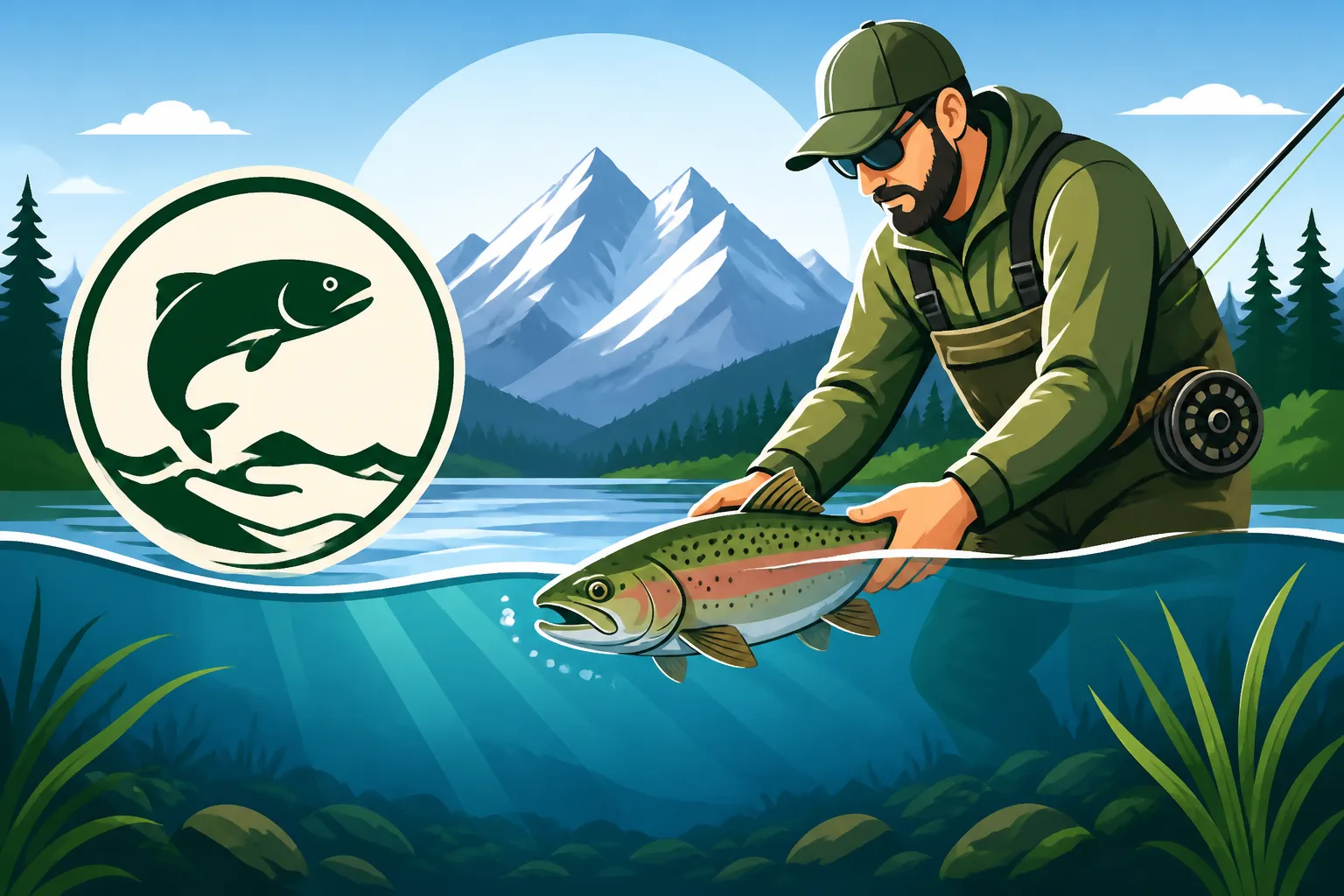
Once you've landed a fish, its survival depends almost entirely on how you handle it. The first and most important rule: keep the fish in the water as much as possible. A fish out of water is like a person holding their breath; it’s under immense stress. If you need to remove it from the water for a quick photo, do so for mere seconds, not minutes. Always wet your hands thoroughly before touching the fish. This protects its vital slime coat, which acts as a protective barrier against disease and infection.
Avoid squeezing the fish, especially around its belly or gills, as this can cause internal damage. If you need to support the fish, cradle it horizontally with one hand under its belly and the other gently supporting its tail, keeping it as level as possible. Never hold a fish vertically by its jaw or tail, as this can dislocate its spine or jaw, leading to fatal injuries. For larger fish, like a sturgeon, it’s often best to keep them entirely in the water, only lifting their head for a quick measurement or a photo. Be gentle, be quick, and always prioritize getting the fish back into its element safely. For specific guidance on handling larger species, check out Sturgeon Catch and Release Survival Tips.
Essential Considerations Post-Release
After carefully removing the hook, it's not enough to simply toss the fish back into the water. Take a moment to ensure it's revived and ready to swim away strongly. Gently hold the fish upright in the current, allowing water to flow over its gills. You'll feel it regain strength as it starts to wiggle or push against your hand. Look for signs that it's ready: often, it will try to swim away, and its fin movements will become more robust. Don't force it; let it swim away on its own terms. If it's a cold day or the water is particularly frigid, the fish may revive quickly. In warmer water, however, fish are under more stress and may take longer to recover.
Consider the water temperature, especially in summer. High water temperatures reduce oxygen levels, making C&R much harder on fish. If water temperatures are excessively warm (e.g., above 18-20°C for salmonids), consider not fishing at all, as even careful release might not guarantee survival. The goal is 100% survival, and a fish that appears to swim away might still perish later if not handled properly or if environmental conditions are too harsh. Many studies have been done on the efficacy of C&R, and understanding factors influencing survival, such as those discussed in What Percentage of Steelhead Survive Catch and Release, is vital for every ethical angler.
Disclaimer
Please remember that fishing regulations in British Columbia can change rapidly and without prior notice due to conservation measures or environmental factors. While this guide provides comprehensive information, it is not a substitute for checking the official sources. Always consult the most current BC Freshwater Fishing Regulations Synopsis and relevant Fishery Notices from the Department of Fisheries and Oceans (DFO) and the Ministry of Forests, Lands, Natural Resource Operations and Rural Development (FLNRORD) immediately before each fishing trip. Your adherence to these regulations is crucial for the preservation of BC's incredible fisheries.