Best charters for photographing the BC coastline
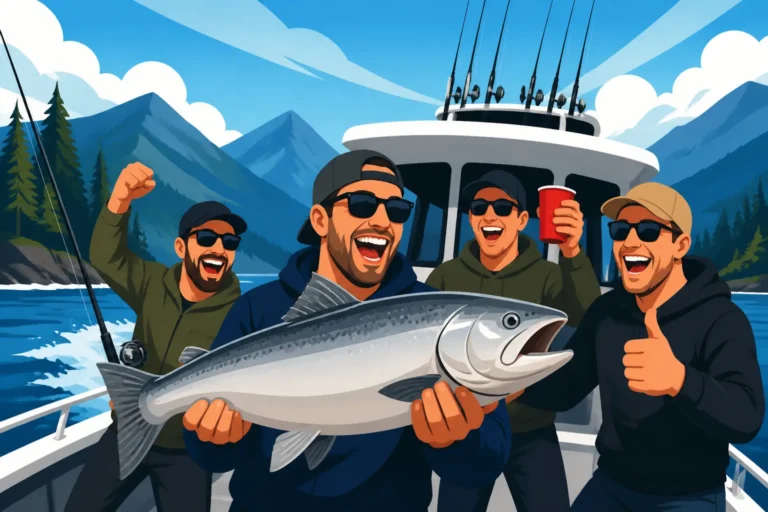
Many anglers dream of combining their passion for fishing with another profound love: photography. It's one thing to reel in a magnificent salmon or a feisty halibut, but it's another entirely to capture the raw, breathtaking beauty of British Columbia's coastline, its abundant wildlife, and the sheer joy of the angling experience through a lens. If you've been yearning for a fishing charter that doesn't just get you on the fish but also puts you in prime position for incredible photographs, you're not alone. This guide will help you navigate the stunning waters of BC to find those truly photo-friendly fishing charters, ensuring your memories are not only deeply felt but also beautifully preserved.
Why BC's Coastline is a Photographer's Dream (Beyond the Fish!)
British Columbia's coastline isn't just famous for its legendary fishing; it's a world-renowned paradise for photographers. From the moment you push off from the dock, you're entering a living, breathing canvas of natural wonder that changes with every shift in light and weather. It's a place where every turn can reveal a postcard-perfect scene, and every cast might be backdropped by something truly spectacular.
Unparalleled Natural Beauty and Dramatic Scenery
Imagine ancient, towering old-growth forests plunging directly into the emerald green ocean, their roots clinging to sheer rock faces. This is the everyday reality of much of BC's coast. The coastline is carved with countless fjords and inlets, offering dramatic, sweeping vistas that beg to be captured. Misty mornings often drape the mountains in an ethereal glow, giving way to crisp, clear afternoons where the sun sparkles off the water. Then there are the sunsets – long, fiery displays of colour that paint the sky and ocean in hues you have to see to believe. These aren't just pretty backdrops; they're integral to the experience, transforming a simple fishing trip into an unforgettable visual journey. You're not just fishing; you're immersed in a dynamic landscape that constantly shifts, offering endless compositions and moods for your camera.
Abundant Wildlife Photo Opportunities
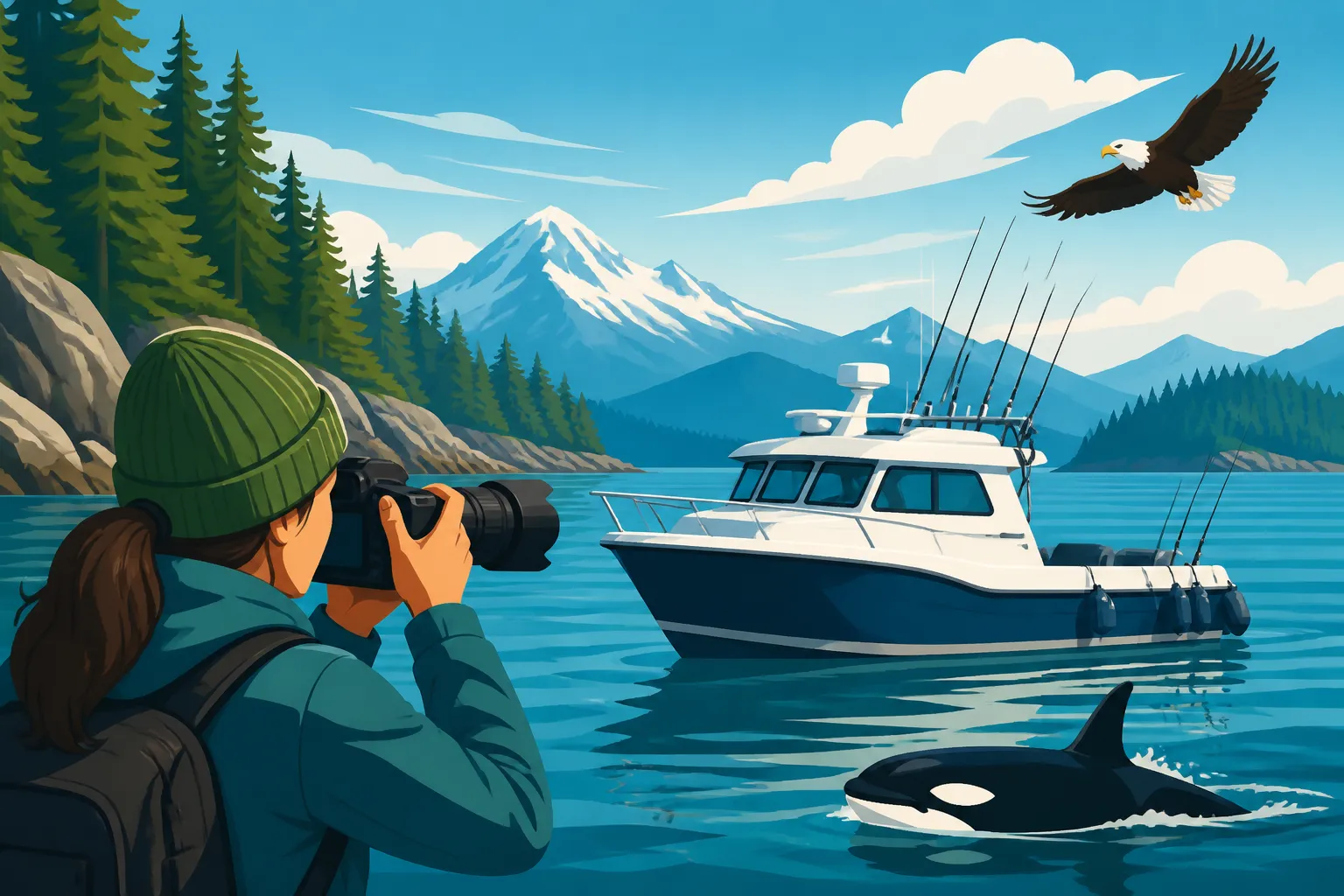
Beyond the incredible fish you're hoping to catch, BC's coast teems with wildlife, offering some of the best opportunities for natural photography anywhere. Envision majestic humpback whales breaching against a backdrop of distant islands, their immense forms rising from the deep blue. Orcas, or killer whales, are often sighted, sometimes even playfully swimming alongside your vessel. Bald eagles are practically ubiquitous, soaring overhead or perched regally in ancient trees, often diving for fish right before your eyes – a moment no photographer wants to miss. Keep an eye out for sea lions lounging on navigation markers or rocky outcrops, their barks echoing across the water. Depending on the region, you might even spot black bears or grizzlies foraging along the shoreline, especially in more remote estuaries. These wildlife encounters aren't just rare occurrences; they're a common, cherished part of the coastal BC experience, providing incredible candid moments that blend perfectly with the fishing adventure. It’s like being on a combined safari and fishing trip.
Dynamic Lighting and Atmospheric Conditions
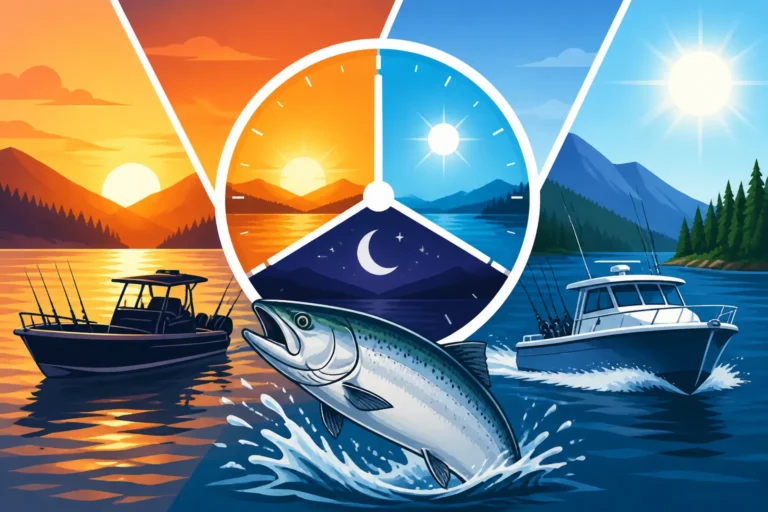
One of the most captivating aspects for any photographer on the BC coast is the incredible range of lighting and atmospheric conditions. It’s rarely just one thing. A dense, mysterious fog might roll in at dawn, cloaking the landscape in an otherworldly glow and adding incredible mood to your shots. As the sun burns through, the light can become sharp and clear, highlighting every detail of the rugged shore. Golden hour, both at sunrise and sunset, is particularly magical, casting a warm, soft light that can turn ordinary scenes into masterpieces. The way the light reflects off the water, especially on calm days, creates stunning mirror-like surfaces. Even stormy weather, with its dramatic clouds and turbulent seas, offers powerful, dramatic photo opportunities for those brave enough to venture out. These ever-changing conditions mean that no two trips are ever the same, and your camera will always find new stories to tell.
What to Look For in a Photo-Friendly Fishing Charter
Not all fishing charters are created equal when it comes to photography. While most guides are generally friendly and accommodating, a truly "photo-friendly" charter goes the extra mile to ensure you get those epic shots without sacrificing your fishing time. It's about finding a guide and a vessel that understand and appreciate your dual passion.
Experienced Guides Who Understand Photography
The single most important factor in a great photo-fishing charter is the guide. You want someone who isn't just a phenomenal angler but also has an eye for photography and an understanding of what makes a good shot. This means a guide who knows the best viewpoints, understands how the light will hit a particular cove, and is patient enough to slow down the boat or hold position for that perfect wildlife shot. They'll know where the eagles usually perch, which rock frequently hosts sea lions, or the patterns of whale activity. An excellent photo-guide will anticipate these moments, quietly positioning the boat and giving you a heads-up, rather than rushing past. They respect your need to capture the moment, understanding that sometimes the fish can wait a minute or two for a truly epic photo. When you're researching potential charters, don't hesitate to ask if their guides have experience with photographers or if they themselves enjoy photography.
Vessel Features for Photography
The boat itself plays a crucial role. A stable vessel is paramount, especially when you’re dealing with telephoto lenses on the open ocean. Look for charters with boats that offer ample open deck space, allowing you to move around freely and get different angles without constantly bumping into gear or other passengers. Low-profile railings can be a huge benefit, preventing obstructions in your shots. Some larger vessels might even have a small upper deck or flybridge that provides an elevated vantage point, which can be fantastic for sweeping landscape shots or spotting distant wildlife. Furthermore, consider boats with covered areas or a pilot house where you can quickly protect your valuable camera gear from unexpected rain or sea spray. Having a dry, secure spot for your camera bag is essential, especially when conditions are unpredictable.
Flexibility and Customization for Photo Ops
A truly photo-friendly charter will offer a degree of flexibility. While fishing is the primary goal, they should be willing to deviate slightly from a strict trolling pattern to circle a breaching whale, or spend a few extra minutes in a particularly scenic cove if the light is just right. Some charters might even offer specialized "photo-fishing" packages, where the emphasis is explicitly on combining the two activities, possibly even allowing for slightly longer trip durations to accommodate both pursuits. It's important to discuss your photographic goals when booking. Are you hoping for specific wildlife shots? Dramatic landscapes? Action shots of fish being reeled in? The more upfront you are, the better the charter can tailor the experience to your needs. This customization is key to ensuring you get both your catch and your cherished images. How to Choose a BC Fishing Charter can give you more insights into what questions to ask.
Gear Considerations and Protection
Finally, think about your precious camera gear. A good charter will be mindful of photographers and provide solutions for gear protection and power. Inquire about available dry storage space – dedicated compartments or large dry bags on board where you can keep your cameras, lenses, and accessories safe from moisture and spray. Many modern boats also have charging outlets, which can be invaluable for topping up camera batteries, especially on longer trips. While you should always bring your own protective measures like waterproof bags and lens cloths, knowing the charter also provides a safe environment for your equipment adds immense peace of mind. Discuss these practical aspects during booking; it shows you're serious about your photography and helps the guide prepare. What to Bring on a BC Fishing Charter offers more general advice on packing.
Top BC Coastal Regions for Dual Fishing and Photography Adventures
British Columbia's vast coastline offers a diverse range of landscapes and marine life, making certain regions particularly outstanding for combining fishing with photography. Each area has its own unique character and photographic "specialties" that will appeal to different visual tastes.
Vancouver Island's West Coast (Tofino, Ucluelet, Nootka Sound)
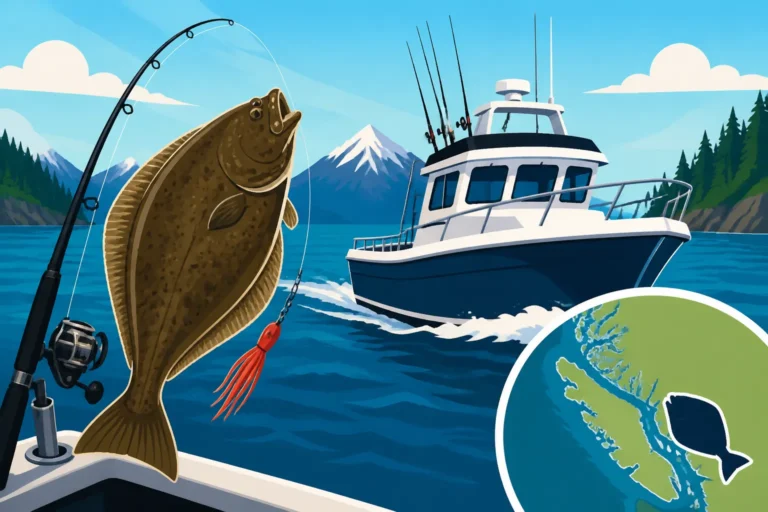
The wild, untamed west coast of Vancouver Island is perhaps one of the most iconic destinations for dramatic photography. Think rugged, rocky shorelines constantly battered by Pacific swells, ancient, gnarled trees clinging to cliff faces, and expansive sandy beaches framed by dramatic headlands. This area is famous for its incredible whale watching opportunities, particularly grey whales, humpbacks, and orcas, which are frequently spotted on fishing trips. The sunsets here are legendary, painting the vast ocean and sky in fiery oranges, purples, and reds. From a fishing perspective, Tofino and Ucluelet are phenomenal for Halibut Fishing off Vancouver Island and robust salmon runs. The dramatic weather, often shifting from misty to sun-drenched, adds incredible atmosphere to your photographs. You can capture both the serene beauty of a calm morning and the raw power of the ocean in a single trip.
Discovery Islands & Campbell River
Nestled between Vancouver Island and the mainland, the Discovery Islands and the waters around Campbell River offer a slightly different, yet equally stunning, photographic experience. The waters here are generally calmer than the exposed west coast, protected by numerous islands and intricate passages. This makes for smoother sailing and potentially steadier camera platforms. This region is a major migration route for all five species of Pacific salmon, meaning abundant opportunities to photograph not just the fish but also the myriad wildlife that congregates to feed on them, especially bald eagles. You'll often see dozens of eagles soaring, perched, or diving, offering fantastic action shots. The scenery includes beautiful forested islands, calm inlets perfect for reflections, and snow-capped peaks in the distance. The sunrises over the eastern mountains can be breathtaking, as can the sunsets over the western islands. Check out Campbell River Fishing Guide to understand the fishing potential here.
North Coast (Prince Rupert, Haida Gwaii)
For those seeking truly remote and pristine wilderness photography, the North Coast, including areas around Prince Rupert and the mystical archipelago of Haida Gwaii, is an unparalleled choice. This region is characterized by deep fjords, towering glacier-carved mountains, and a sense of ancient, untouched wilderness. The chances of spotting coastal bears (grizzly and black bears) foraging along the shore are higher here, especially in the salmon spawning rivers. The marine life is equally abundant, with large populations of whales, porpoises, and seabirds thriving in these rich waters. The light can be particularly soft and ethereal, especially on misty mornings, lending a dramatic, moody quality to your landscape shots. Fishing in these waters often involves targeting trophy salmon and halibut, adding to the thrill. The sheer scale of the landscape and the raw wildness of the environment make for truly unique and powerful photographs. If you're looking to book a remote experience, using a platform like FishingBooker can help you connect with charters specializing in these less-traveled areas.
Howe Sound & Sunshine Coast (Near Vancouver)
If you're based in the Lower Mainland or looking for a more accessible yet still incredibly scenic option, Howe Sound and the Sunshine Coast offer fantastic photo-fishing opportunities within a relatively short distance of Vancouver. Howe Sound is a dramatic fjord system, with towering mountains like the Stawamus Chief plunging into the deep, clear waters. The scenery is spectacular, blending rugged nature with hints of quaint coastal communities. You can photograph breathtaking mountain vistas, calm reflective waters, and often a surprising amount of wildlife, including seals, porpoises, and various seabirds. The fishing here is good for various salmon species, lingcod, and rockfish. The light, particularly at sunrise and sunset, plays beautifully off the mountains and water, creating stunning photographic conditions. It’s an ideal choice for a shorter trip or for those who want stunning photos without venturing too far afield. You might find a great salmon fishing experience here that offers plenty of scenic shots, as discussed in Howe Sound salmon fishing access.
| Region | Primary Photo Opportunities | Key Fish Species |
|---|---|---|
| West Coast Vancouver Island | Rugged coastline, whales, sea lions, sunsets | Halibut, Chinook, Coho |
| Discovery Islands / Campbell | Eagles, marine mammals, salmon runs, calm inlets | Chinook, Coho, Pink, Chum |
| North Coast (e.g., Prince Rupert) | Remote wilderness, coastal bears, fjords, pristine | Chinook, Coho, Halibut, Lingcod |
| Howe Sound / Sunshine Coast | Mountain vistas, calm waters, urban wildlife | Salmon (various species), Lingcod, Rockfish |
Planning Your Ultimate Photo-Fishing Trip to BC
Embarking on a photo-fishing adventure along BC's coast requires a bit more planning than your average fishing trip, but the rewards in stunning imagery are absolutely worth it. Thinking through the details upfront will ensure you maximize both your angling success and your photographic yield.
Researching and Booking the Right Charter
This is where your upfront work truly pays off. Start by clarifying what kind of photos you want: Is it primarily wildlife? Landscapes? Action shots of fishing? Or a blend of all three? With these goals in mind, you can begin researching charters. Look for charter websites or social media pages that feature high-quality photography – this can be a good indicator that they appreciate and facilitate photo opportunities. Read reviews carefully; sometimes past clients will mention if a guide was particularly patient for photos or pointed out wildlife.
When you contact potential charters, be very explicit about your desire to combine fishing with photography. Ask direct questions: "Are your guides comfortable taking extra time for wildlife viewing or scenic shots?" "Does your boat offer good vantage points for photography?" "Do you have secure, dry storage for camera gear?" Don't assume anything. Websites like FishingBooker can be an excellent resource for finding charters that might cater to these specific needs, as you can often filter by location and read detailed descriptions and reviews from other anglers, sometimes mentioning the scenic aspects of their trips. This platform allows you to compare options and ask questions directly to the operators before booking, ensuring they align with your photo-centric aspirations. Remember, transparent communication is crucial from the get-go.
Essential Photography Gear to Bring
Bringing the right gear is paramount, but so is protecting it. You'll likely want to bring at least two camera bodies if possible; one with a versatile zoom lens (like a 24-70mm) for landscapes and general shots, and another with a telephoto lens (like a 70-200mm or even longer, 150-600mm) for wildlife. Wide-angle lenses are fantastic for sweeping scenic shots. Don't forget polarizing filters to cut glare off the water and enhance colours, and neutral density filters for longer exposures if you're feeling creative. Pack plenty of extra batteries and memory cards – you'll be surprised how many photos you'll take!
Crucially, invest in high-quality dry bags or waterproof camera packs. Even on a sunny day, sea spray is a real threat. Lens cloths, a rocket blower, and lens pens are vital for keeping your glass clean. A small, sturdy tripod or monopod can be useful for stability, especially for telephoto shots or low-light conditions, but make sure it's compact enough for a boat. Consider a GoPro or similar action camera if you want to capture the excitement of reeling in a big fish in a more rugged, waterproof fashion. Always pack your gear carefully in padded cases, ensuring it's easily accessible but also well-protected. What to Expect on a BC Fishing Charter often includes details on general packing, but your camera gear needs special consideration.
Timing Your Trip for Optimal Light and Species
The time of year and even the time of day can significantly impact both your fishing and your photography. If you're targeting specific fish like salmon, you'll want to align your trip with their peak runs. BC Fishing Seasons by Month can help you determine the best times for various species. However, consider the light. Early mornings and late afternoons (golden hour) offer the best photographic light, but these might also be prime fishing times. Discuss with your guide if they can schedule trips to maximize these periods.
For wildlife photography, certain seasons are better for specific animals – whale migrations, bear activity, or seal pupping. If marine mammals are a high priority, research their seasonal presence in your chosen area. Fall, for instance, offers not only excellent salmon fishing but also potentially dramatic weather, vibrant colours in riparian zones, and fewer crowds, all of which can enhance your photography. Conversely, summer provides long daylight hours but often harsher midday light. Thinking about this balance will help you pick the perfect window.
Communication with Your Guide is Key
Once you've booked your charter, maintain open lines of communication with your guide right up to the day of your trip. Reiterate your photography goals. If you have a specific shot list – say, a breaching whale, an eagle with a fish, or a particular landscape feature – share it with them. They are your eyes and ears on the water and can help you achieve those shots.
During the trip, trust your guide's expertise on safety and navigation. They know the waters, the weather patterns, and the wildlife behaviour. They will often point out photo opportunities you might otherwise miss. Be ready to shoot quickly; wildlife moments can be fleeting. Also, respect the wildlife – maintain safe distances and never disturb animals for a photo. A good guide will prioritize animal welfare and help you get ethical, stunning shots. By working together, your guide can help you capture not just a fantastic catch, but also the unforgettable beauty of British Columbia's coastline through your lens.
Disclaimer
This article is for general informational purposes only and does not constitute professional advice. Laws, prices and regulations vary by location and change over time. Consult a qualified professional for guidance on your specific situation.