How to verify a BC charter captain’s license
Booking a fishing charter in British Columbia is an exciting prospect, promising incredible catches and unforgettable memories out on our stunning waters. But before you cast off, a nagging concern might settle in: how do you know if the captain at the helm is legitimate, qualified, and operating legally? It's a valid question, and the last thing you want is to be out on the water, far from shore, only to realize you've put your trust and safety in the hands of an uncertified operator. This guide will walk you through the essential steps to verify a BC charter captain's license and ensure your fishing adventure is both legal and safe.
Why Verifying Your Charter Captain's Credentials is Non-Negotiable
When you're entrusting your safety and your hard-earned money to a charter captain, a little due diligence goes a long way. The thought of stepping onto a vessel operated by someone who isn't properly trained or licensed is genuinely unsettling, and for good reason. Unlicensed operations can pose serious risks, not just to your personal safety but also to your legal standing and even the marine environment. It's not just about catching fish; it's about a responsible and secure experience.
Think about it: a professional charter captain isn't just someone who knows where the fish are biting. They are maritime professionals, trained in navigation, emergency procedures, first aid, and marine safety regulations. They understand the nuances of weather patterns on our often unpredictable coast and how to handle a boat in challenging conditions. Without these foundational skills and the regulatory oversight that comes with licensing, you're essentially gambling with your trip. This verification process isn't about being overly cautious; it's about being smart and ensuring peace of mind for yourself and your fellow anglers.
Moreover, if an incident were to occur on an unlicensed charter – an accident, a medical emergency, or even just equipment failure – the implications could be far-reaching. Insurance coverage, for instance, is a huge factor. Licensed and reputable charters carry commercial liability insurance, which offers protection in case of unforeseen events. An unlicensed operator might not have this, leaving you vulnerable in a worst-case scenario. This is why it's so important to understand What Safety Equipment BC Charters Are Required to Carry and that the captain is authorized to carry you.
The Essential Licenses and Certifications for BC Charter Captains
British Columbia's waters are regulated by a combination of federal and provincial laws, meaning charter captains need to meet a specific set of requirements to operate legally. It's a bit of a bureaucratic puzzle, but knowing the key pieces will empower you to ask the right questions and spot any potential red flags. These aren't just pieces of paper; they represent hours of training, rigorous examinations, and a commitment to maritime safety and professionalism.
The primary governing body for vessel operators in Canada is Transport Canada. They are responsible for marine safety and navigation, which directly impacts anyone operating a commercial fishing charter. For most smaller fishing charters that operate close to shore in BC, the captain will typically hold a Small Vessel Operator Proficiency (SVOP) certificate. This certification is specifically designed for operators of small commercial vessels, including fishing charters, and covers essential knowledge like navigation, collision regulations, and emergency procedures. For larger vessels or those operating further offshore, a higher-level certificate like a Master Limited or Master Partial might be required. In addition to their operator's certificate, captains also need Marine Emergency Duties (MED) training, which ensures they know how to respond to emergencies like fire, abandon ship, or medical situations.
Beyond the captain's personal qualifications, the vessel itself must also be properly registered as a commercial vessel with Transport Canada. This isn't the same as a recreational boat registration; commercial registration indicates that the vessel meets specific safety standards and is subject to regular inspections. Lastly, while the angler needs a personal fishing license (either freshwater or tidal, depending on where you're fishing), the captain also needs specific guide licenses if they are providing services that fall under guiding regulations, particularly for freshwater guiding. For saltwater charters, the focus is more on the vessel's commercial registration and the captain's Transport Canada certifications. It's a complex system designed to keep everyone safe. You can learn more about these specifics by reading Transport Canada licensing requirements for BC charter captains.
| Type of Credential | Issuing Body | What it Covers | Importance |
|---|---|---|---|
| Small Vessel Operator Proficiency (SVOP) | Transport Canada | Navigation, safety regulations, chart work, meteorology, emergency procedures for small commercial vessels. | Essential for operating most BC fishing charters. |
| Marine Emergency Duties (MED) | Transport Canada | First aid, fire fighting, survival at sea, use of safety equipment. | Ensures captain can handle on-water emergencies. |
| Commercial Vessel Registration | Transport Canada | Vessel safety standards, regular inspections, hull ID. | Confirms the boat is legally authorized for commercial use. |
| Provincial Guide Licence (if applicable) | BC Government | Specific requirements for guiding in certain freshwater fisheries. | May be required for specialized freshwater guiding trips. |
| Commercial Liability Insurance | Private Insurer | Financial protection in case of accidents or damages. | Critical for passenger safety and financial liability. |
Practical Steps to Verify a BC Charter Captain's License
Okay, so you understand what licenses and certifications are needed. Now, how do you actually go about verifying them? It's easier than you might think, and a reputable captain or charter company will be completely transparent and proud to share their credentials. They want you to feel confident and safe, after all. Don't ever feel awkward asking these questions – it's your right as a paying customer.
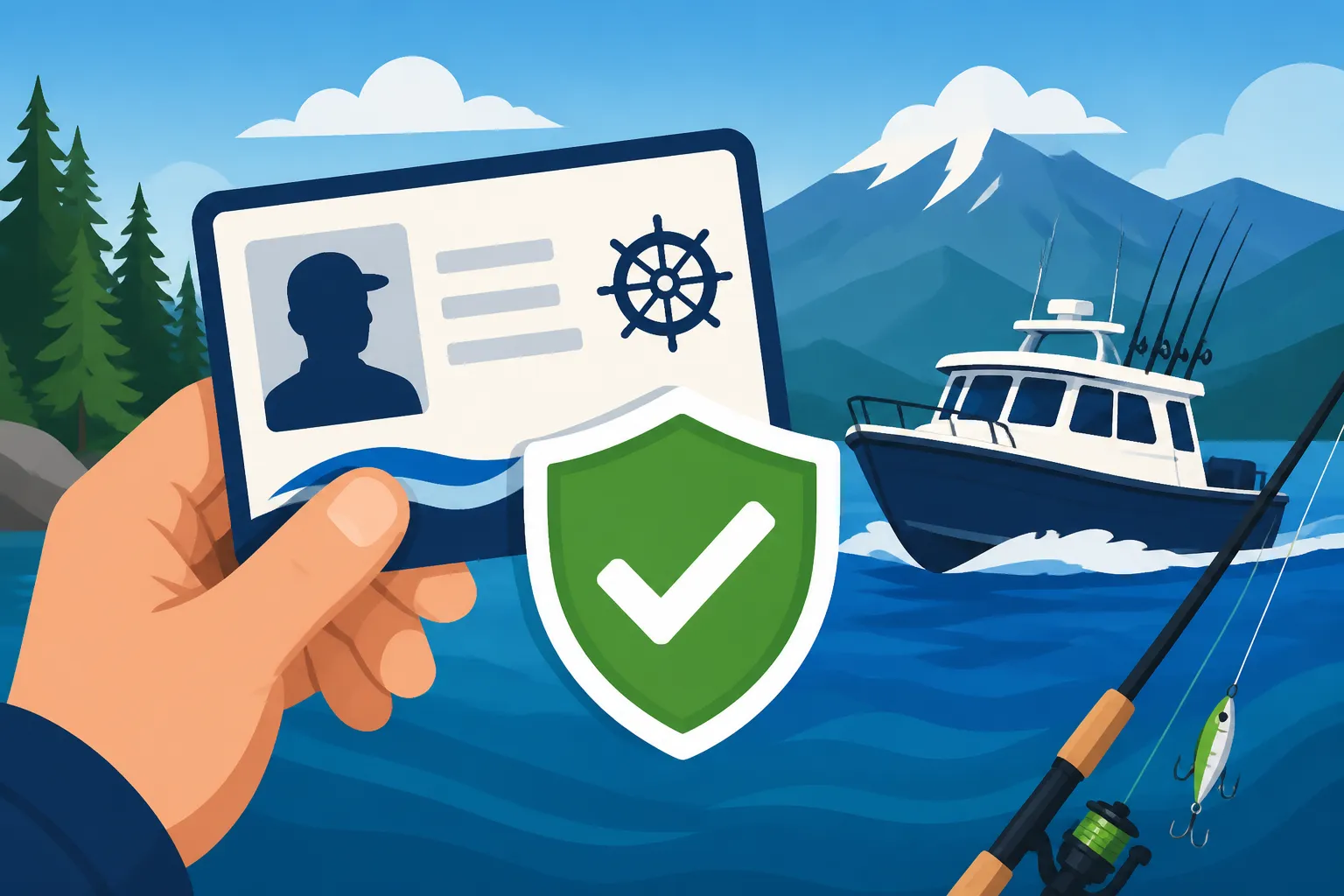
The first and most direct approach is simply to ask the charter company or captain when you're booking your trip. Inquire about their Transport Canada certifications (specifically SVOP and MED), their commercial vessel registration number, and their insurance details. A professional operation will readily provide this information. They might even have it prominently displayed on their website or in their booking confirmation emails. If you’re speaking with them in person, feel free to ask to see their certificates. Just like you'd expect a plumber or electrician to show their trade certification, a charter captain should be able to present theirs.
Many online booking platforms, like FishingBooker, often have a verification process for the captains and charters listed on their sites. These platforms understand the importance of trust and safety, and they frequently work to confirm credentials before allowing a listing. When you browse for charters on FishingBooker, pay attention to any badges or indications that the captain's licenses and insurance have been verified. This can add an extra layer of reassurance. While these platforms do a great job, it’s always wise to do your own checks too, especially if you have any lingering doubts.
For Transport Canada certifications and vessel registration, you can sometimes cross-reference information directly with Transport Canada. While they don't typically provide a public, searchable database of individual captain's certificates due to privacy concerns, you can often verify the vessel's commercial registration or inquire about a captain's standing if you have specific details. You might need to contact their Marine Safety division for assistance. If a captain is hesitant or evasive when you ask for proof of their credentials, consider it a significant red flag. You're paying for a service, and transparency is key to a trustworthy relationship. Before your trip, make sure you know Do You Need Your Own Fishing License for a BC Charter? as that is your responsibility as an angler.
Red Flags and What to Do If You Suspect an Unlicensed Operator
While most charter captains in British Columbia are legitimate, professional, and dedicated to providing a safe and enjoyable experience, it's unfortunate that a few bad apples can exist. Knowing the warning signs of an unlicensed or unprofessional operator can save you from a potentially dangerous situation. Trust your gut feeling; if something seems off, it probably is.
One of the most common red flags is a captain who seems unusually cagey or evasive when you ask about their licenses, certifications, or insurance. If they brush off your questions, change the subject, or simply say, "Don't worry about it, I've been doing this for years," that's a signal to tread carefully. Another warning sign could be prices that seem too good to be true. While everyone loves a deal, significantly lower prices than competitors might indicate corners are being cut, possibly on safety equipment, maintenance, or, indeed, proper licensing. You might also notice a lack of professional branding or online presence, or perhaps a boat that appears poorly maintained with missing safety gear, which is also addressed in BC Boating Laws for Anglers and Life Jacket Requirements for BC Boaters.
Be wary of cash-only operations without any clear booking process or formal receipts. While some smaller operations might prefer cash, a complete lack of official paperwork could be a way to avoid oversight and accountability. If you're physically inspecting the boat, check for visible commercial registration numbers (usually displayed on the hull). If they're absent, or if the boat looks like a purely recreational vessel being used for commercial purposes, that's another indicator to investigate further. Reputable operations on platforms like FishingBooker generally list their full business details and vessel information.
If you suspect you've encountered an unlicensed operator or are on a charter that doesn't seem to meet safety standards, your first priority is your own safety. If you're on the water and feel unsafe, try to discreetly contact someone ashore. After the fact, you should report your concerns to the appropriate authorities. For issues related to commercial vessel safety and captain's licenses, Transport Canada's Marine Safety division is the place to start. For concerns related to fishing regulations or guide licenses, contact your local Ministry of Forests, Lands, Natural Resource Operations and Rural Development (FLNRORD) office, or the Department of Fisheries and Oceans (DFO) if it concerns tidal waters or salmon. Taking action not only protects you but also helps maintain the integrity and safety of BC's charter industry for everyone. When you're considering a trip, you want to be fully prepared and confident; understanding What to Expect on a BC Fishing Charter from a legitimate operator is part of that preparation.
The Importance of Being an Informed Angler
Ultimately, the responsibility for ensuring a safe and legal fishing trip rests largely on you, the angler, to be informed and proactive. While it might seem like a lot to consider, taking the time to verify your BC charter captain's license is a crucial step towards having a worry-free and truly enjoyable experience. Our beautiful province offers some of the best fishing in the world, and you deserve to enjoy it with the confidence that you're in capable, legitimate hands.
This due diligence process isn't just about avoiding potential problems; it's about supporting the legitimate, hard-working, and highly skilled charter captains who invest in their training, their vessels, and their insurance to provide a top-notch service. When you choose a licensed and reputable captain, you're not only ensuring your safety but also contributing to the responsible and sustainable future of fishing in British Columbia. So, before you head out to chase those legendary salmon or wrestle with a mighty sturgeon, take a moment to ask those important questions. For other planning aspects, you might consider articles like Tipping Etiquette for BC Fishing Charters to ensure you're ready for every part of your adventure. Your peace of mind, and the success of your trip, are well worth the effort.
Disclaimer
This article is for general informational purposes only and does not constitute professional advice. Laws, prices and regulations vary by location and change over time. Consult a qualified professional for guidance on your specific situation.