What to bring for a full-day offshore charter in Tofino
Planning a full-day offshore fishing charter out of Tofino is exciting, but the sheer thought of being out on the Pacific Ocean for hours can bring on a wave of questions and anxieties, especially about what you actually need to pack. Many anglers, myself included, have shown up either woefully unprepared for the fickle West Coast weather or overloaded with unnecessary gear. This comprehensive guide will walk you through everything essential to bring for a successful and comfortable full-day Tofino offshore fishing adventure, ensuring you’re ready for whatever the ocean throws your way.
The Essentials: Gear & Documentation You Can't Forget
Heading out into the vast Pacific for a full day means being self-sufficient for a good chunk of time. Getting caught offshore without the absolute essentials can quickly turn a dream trip into a chilly, uncomfortable, or even frustrating experience. This section covers the non-negotiables that form the foundation of your packing list.
Personal Fishing License and Stamps
This is, without a doubt, the single most important item you need to bring. It's not just a suggestion; it's a legal requirement. You absolutely must have a valid non-tidal (saltwater/tidal waters) fishing license for British Columbia, and if you plan on targeting or retaining salmon, you'll also need a valid salmon conservation stamp attached to that license. Many new anglers, or those used to freshwater fishing, forget this crucial detail. Imagine landing a trophy Chinook only to find out you can't legally keep it because you missed a stamp!
Your charter captain will almost certainly ask to see this before you even leave the dock. Enforcement officers conduct checks, and the penalties for fishing without a proper license or stamp can be steep, spoiling your trip and costing you a hefty fine. Make sure you check the specific requirements for residents versus non-residents, and understand that children under a certain age might not need a license but might still require a juvenile registration. You can usually purchase these online through the provincial government website or from authorized vendors in Tofino before your trip. For more details on this, take a look at our guide on Where and How to Buy a BC Fishing License. If you're wondering about the specific cost of that all-important salmon stamp, we've got you covered in BC Tidal Waters Salmon Conservation Stamp Cost. Some charter companies, like those you might find listed on FishingBooker, will remind you of this requirement in their booking confirmation, but the responsibility ultimately falls on you.
Weather-Appropriate Clothing & Layers
The West Coast of Vancouver Island, particularly Tofino, is renowned for its stunning beauty, but also for its incredibly unpredictable weather. A clear, sunny morning can turn into a misty, windy, and even rainy afternoon in a heartbeat. Offshore, these conditions can be even more pronounced and feel colder due to the constant wind and ocean spray. This is why layering is not just a good idea; it's crucial for your comfort and safety.
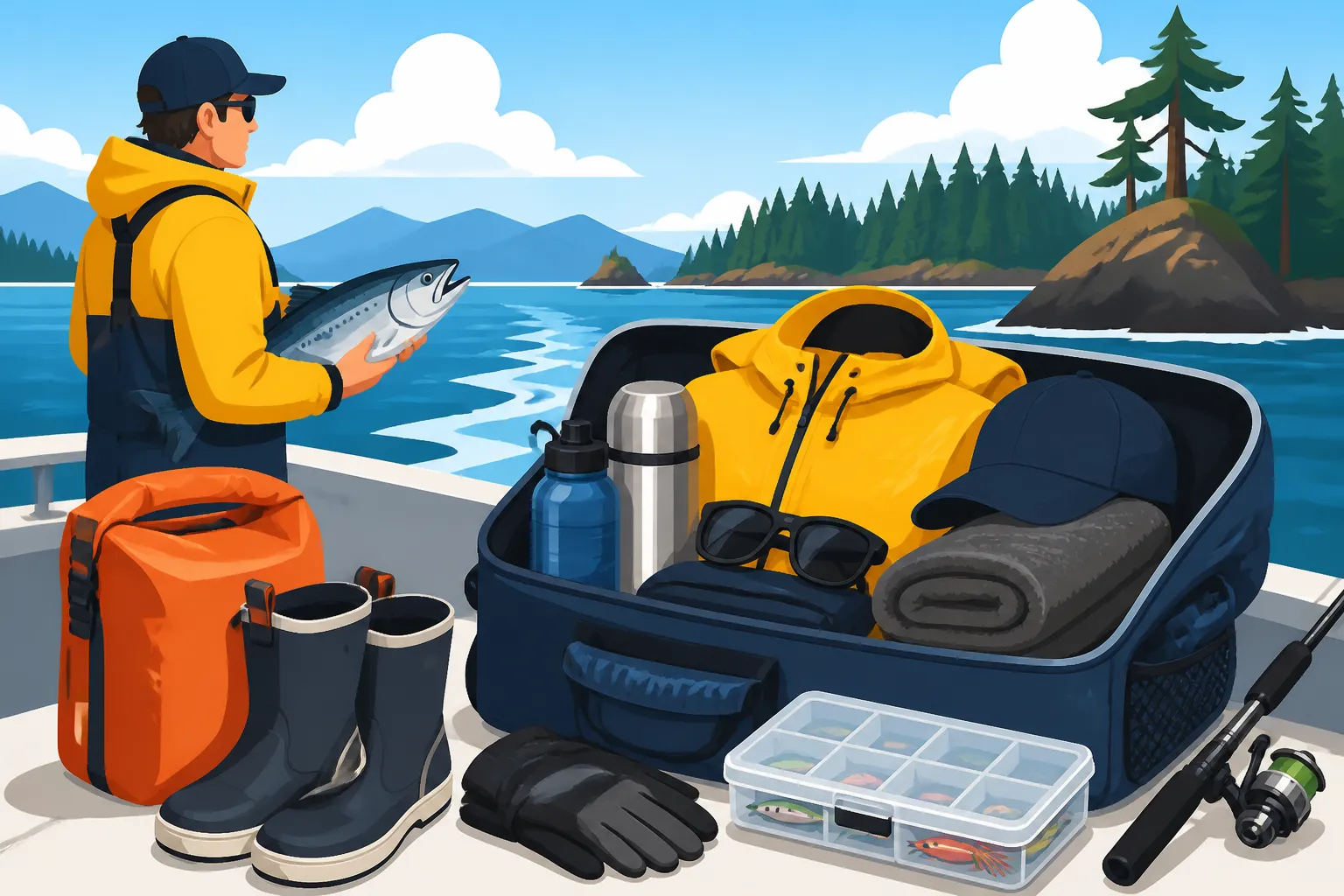
Start with a moisture-wicking base layer – think merino wool or synthetic materials, never cotton, as cotton loses all its insulating properties when wet and takes forever to dry. Next, add a warm mid-layer like a fleece jacket or a wool sweater. Finally, your outer layer must be waterproof and windproof. A good quality fishing jacket and bib pants (often called "foul weather gear") are ideal. While some charters may have extra gear, relying on it is a gamble. Bring a warm hat (a toque or beanie) that covers your ears, waterproof gloves (even in summer, your hands can get cold and wet), and a few pairs of wool or synthetic socks. Even if the forecast looks sunny, the temperature drop over the ocean combined with motion and spray can chill you to the bone. Don't underestimate the power of warm, dry clothing to make or break your day. For a more in-depth look at what to wear, check out What to wear on a BC fishing charter.
Personal Comfort Items for the Long Haul
Beyond the essentials, there are a few personal items that will significantly enhance your comfort over a full day on the water.
Firstly, sunglasses are non-negotiable. The glare off the ocean can be intense, causing eye strain and even headaches. Polarized lenses are best as they cut through the glare, helping you see into the water better (not that you'll be sight fishing for halibut, but it helps on the ride out!). Sunscreen and lip balm with SPF are also vital, even on cloudy days, as UV rays penetrate cloud cover and reflect off the water. Trust me, a bad sunburn on your face and lips after a full day offshore is no fun.
If you are at all prone to seasickness, or even if you're not sure, take motion sickness medication before you board the boat. Don't wait until you start feeling queasy; by then, it's often too late for the medication to be fully effective. Over-the-counter options like Dramamine or Bonine work well for many. Some people swear by ginger chews or acupressure wristbands. Being miserable with seasickness can ruin your entire trip and impact everyone else's experience too. This is a common concern for many, and we've dedicated an article to Seasickness tips for a BC fishing charter.
Lastly, a small, quick-drying towel can be incredibly useful for wiping hands, drying off spray, or even just sitting on. Hand sanitizer is also a good idea for quick clean-ups throughout the day, especially before eating.
Sustenance and Hydration: Fueling Your Day
A full day offshore means you'll be out there for anywhere from 8 to 12 hours, sometimes even longer depending on the bite and the travel time to the fishing grounds. You'll be expending energy, fighting fish, and battling the elements, so proper fuel and hydration are key to maintaining your energy and spirits.
Food for a Full Day Offshore
Think "easy, non-messy, and portable" when it comes to your food choices. Avoid anything that requires extensive preparation, utensils, or is prone to spilling or strong odors. Sandwiches are always a solid choice – cut them into halves or quarters for easier eating. Energy bars, granola bars, and protein bars are excellent for quick boosts. Fruit like apples, oranges, or bananas (though bananas have a superstitious reputation on fishing boats, so maybe choose apples!) are good, as are nuts and dried fruit.
I always recommend bringing more food than you think you'll need. Nothing is worse than being hungry hours from shore. Pack your food in reusable containers or zip-top bags to keep it fresh and prevent it from getting squashed or wet. Your charter might have a cooler, but it's often full of bait or other necessities, so a small, soft-sided cooler or insulated lunch bag for your personal stash is a good idea. Remember, the captain and crew are focused on getting you on fish, so quick, convenient meals are appreciated.
Staying Hydrated on the Water
This is just as important as food, if not more so. Dehydration can lead to fatigue, headaches, and even exacerbate seasickness. Bring plenty of water. I usually recommend at least 2-3 liters per person for a full day. Reusable water bottles are perfect. Electrolyte drinks or sports drinks can also be beneficial, especially if it's a warm day or you're expending a lot of energy.
While a celebratory beer or two might be part of the post-fishing ritual, it's generally best to avoid excessive alcohol or sugary sodas during the actual fishing trip. Alcohol can contribute to dehydration and seasickness, and too much sugar can lead to energy crashes. Stick to water, and you'll feel much better throughout the day and when you get back to shore.
Practical Tools & Personal Touches
These items might not be "essentials" in the same way your license is, but they certainly contribute to a more enjoyable, memorable, and hassle-free experience on your Tofino charter.
Camera, Phone, and Chargers
You're likely going to catch some incredible fish and witness breathtaking West Coast scenery – you'll want to capture those memories! A camera, whether it's your phone or a dedicated waterproof camera, is a must. Just be prepared for the marine environment. Salt spray and wet hands are constant companions on an offshore boat. Consider a waterproof case or a good quality dry bag for your phone or camera.
Crucially, bring a portable power bank or charger. A full day of photos, videos, or even just checking messages will drain your device's battery. There might not be charging ports available, or they might be in use. A fully charged power bank ensures your camera or phone is ready to go when that trophy fish hits the deck. Remember, you'll want to share those epic moments with friends and family later, so keeping your devices charged is paramount.
Small Day Bag and Storage
While your charter boat will have some storage space, it's typically communal and not always ideal for keeping your personal items organized and dry. A small, waterproof day bag or backpack is incredibly useful. This can hold your extra layers, snacks, water bottles, medications, and electronics, keeping them protected from spray, rain, and accidental splashes.
Many anglers opt for a roll-top dry bag or a waterproof backpack. It's much easier to keep track of your belongings when they're all stowed securely in one place that you can keep close to you. This also prevents smaller items from rolling around or getting lost during rougher seas or when the boat is maneuvering. Having a dedicated bag also makes it easier to pack up quickly at the end of the day.
Gratuities and "Thank You"
It's common practice and highly appreciated to tip your captain and especially the deckhand on a fishing charter. These individuals work incredibly hard to put you on fish, keep you safe, clean your catch, and generally ensure you have a fantastic experience. They often start before you arrive and finish long after you leave, cleaning the boat and preparing for the next trip.
A good rule of thumb for tipping is 15-20% of the charter cost, particularly for the deckhand who does much of the hands-on work with you. It's best to bring cash for this, as many charters don't have facilities to add tips to credit card payments. Presenting a tip at the end of the day is a thoughtful way to acknowledge their efforts. For a deeper dive into the ins and outs of showing your appreciation, check out our guide on Tipping Etiquette for BC Fishing Charters.
What Your Charter Might Provide (and What to Confirm)
One of the great advantages of booking a fishing charter, especially one found through platforms like FishingBooker, is that many of the big-ticket items are provided for you. However, assumptions can lead to disappointment, so it's always best to confirm directly with your specific charter operator what they supply.
Fishing Gear and Bait
For most full-day offshore charters out of Tofino, you can expect the captain and crew to provide all the necessary fishing gear. This typically includes high-quality rods and reels suitable for the species you're targeting (like salmon or halibut), terminal tackle (hooks, weights, leaders), and bait. This is a huge benefit, as you don't need to worry about transporting your own specialized gear or investing in expensive equipment for a one-off trip.
However, if you're an experienced angler who prefers to use your own lucky rod or a specific reel, you absolutely must confirm this with the charter in advance. Some charters are perfectly fine with it, while others prefer all clients to use their uniform equipment to avoid tangles or compatibility issues. Never just show up with your own gear without prior discussion. You'll find more general information about what charters typically provide in What Gear a BC Charter Provides.
Safety Equipment and First Aid
By law, all licensed fishing charters in British Columbia are required to carry a full complement of safety equipment. This includes Coast Guard-approved life jackets (often referred to as Personal Flotation Devices or PFDs) for everyone on board, flares, a first-aid kit, fire extinguishers, and communication devices like VHF radios. Your captain will typically conduct a brief safety orientation before departing, explaining where these items are and how to use them.
Listen carefully to these briefings – they are for your safety! While the charter is responsible for having these items, knowing their location and purpose can be vital in an emergency. If you have any specific medical conditions or allergies, it's always a good idea to discretely inform the captain or deckhand so they are aware in case of an incident. For a full breakdown of the regulatory requirements, our article What Safety Equipment BC Charters Are Required to Carry has the details.
Fish Cleaning and Packaging
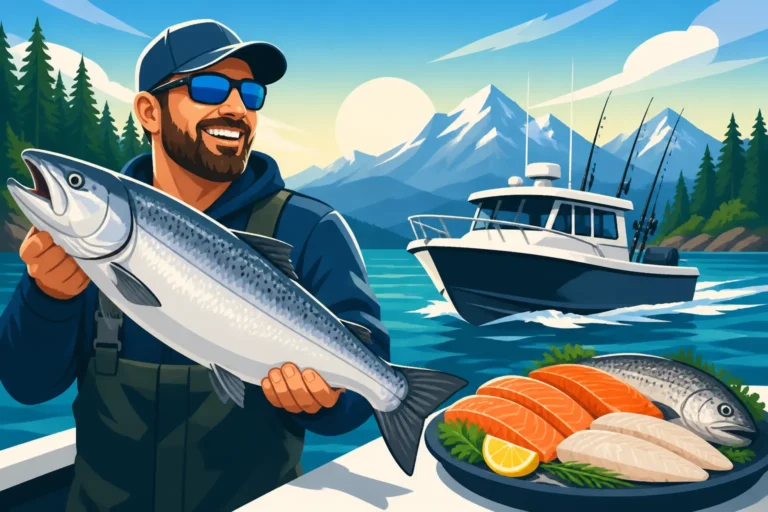
After a successful day of fishing, one of the best parts is taking home your fresh catch. Most Tofino offshore charters offer fish cleaning and filleting services as part of their package, or for a small additional fee. The deckhand, often a highly skilled professional, will expertly clean, fillet, and sometimes even bag your fish for you right on the dock. This is a huge convenience, saving you the mess and effort of doing it yourself.
Be sure to confirm this service with your charter when booking. If they do provide it, consider bringing a cooler filled with ice to transport your fillets home. This ensures your hard-earned catch stays fresh and in prime condition. There might be specific regulations on how fish must be retained or transported (e.g., skin on for identification), so always follow the crew's instructions. If you're looking for charters that go above and beyond with this service, you might find some excellent options through a quick search on FishingBooker, or by checking out Best charters that clean and bag your catch.
| Category | Item | Why It's Important | Notes |
|---|---|---|---|
| Documentation | BC Tidal Waters Fishing License | Required by law; avoid fines and keep your catch. | Must include a Salmon Conservation Stamp if targeting salmon. |
| Government-Issued Photo ID | May be required to verify license. | Keep in a waterproof pouch. | |
| Clothing | Waterproof/Windproof Outer Layers | Essential for unpredictable West Coast weather and ocean spray. | Jacket & bib pants (foul weather gear) are ideal. |
| Warm Mid-Layers (Fleece, Wool) | Crucial for insulation; offshore can be colder than expected. | Avoid cotton; synthetic or wool is best. | |
| Moisture-Wicking Base Layers | Keeps you dry and warm by wicking sweat away from your body. | Again, no cotton! | |
| Warm Hat (Toque/Beanie) | Protects head and ears from wind and cold. | ||
| Waterproof Gloves | Keeps hands warm and dry, important for comfort and dexterity. | ||
| Extra Socks (Wool/Synthetic) | Nothing worse than cold, wet feet. | ||
| Personal Comfort | Sunglasses (Polarized Recommended) | Reduces glare off the water, protects eyes from UV. | Helps with visibility on the water. |
| Sunscreen & Lip Balm (SPF) | Protects against sunburn, even on cloudy days. | Reapply throughout the day. | |
| Motion Sickness Medication | Take before boarding if prone to seasickness. | Crucial for an enjoyable trip. | |
| Small, Quick-Drying Towel | For wiping hands, drying off spray, general cleanup. | ||
| Hand Sanitizer | Quick clean-up, especially before eating. | ||
| Food & Drink | Snacks & Lunch | Maintain energy for a full day; choose non-messy, easy-to-eat items. | Sandwiches, bars, fruit, nuts. |
| Water (Plenty of it!) | Essential for hydration; dehydration can lead to fatigue/headaches. | At least 2-3 liters per person. | |
| Electrolyte Drinks (Optional) | Good for replenishing salts on active or warmer days. | ||
| Miscellaneous | Waterproof Camera/Phone | Capture memories of your catch and the scenery. | Bring a waterproof case or dry bag. |
| Portable Power Bank/Charger | Keep electronics charged throughout the day. | Limited charging options on many boats. | |
| Small Waterproof Day Bag/Backpack | Keeps personal items dry, organized, and accessible. | Roll-top dry bags are excellent. | |
| Cash for Gratuities | For tipping the captain and deckhand (15-20% is standard). | Best practice; often not possible with credit card. | |
| Cooler with Ice (for your catch) | To transport your fillets home in prime condition. | Check if charter provides cleaning/packaging first. |
Ultimately, a full-day offshore charter in Tofino is an incredible experience, offering the chance to hook into some truly magnificent fish like Chinook salmon or hefty halibut. By taking the time to prepare your packing list thoughtfully, focusing on layers, sustenance, and those crucial legal documents, you'll ensure your trip is as comfortable and successful as possible. Don't let a lack of preparation detract from the adventure of fishing British Columbia's stunning Pacific coast.
Disclaimer
This article is for general informational purposes only and does not constitute professional advice. Laws, prices and regulations vary by location and change over time. Consult a qualified professional for guidance on your specific situation.