Best charters for catching dinner to keep
There's nothing quite like the satisfaction of reeling in your own dinner, especially when you're fishing the bountiful waters of British Columbia. Many anglers dream of bringing home a fresh catch to share with family and friends, but with so many charter options available, it can be tough to know which one truly delivers on the promise of a delicious meal for your table. This guide will help you navigate the choices, understand what to look for, and find the perfect BC fishing charter focused on helping you fill your cooler.
Setting Your Dinner Goals: Species and Seasons for Retention
Before you even start looking at specific charters, it's crucial to understand what kind of fish you're hoping to catch for dinner and when they are available. British Columbia is incredibly diverse, offering everything from mighty salmon to delicious halibut and flaky rockfish, but each species comes with its own set of rules and seasons. Your "dinner goals" will heavily influence the best charter choice.
Popular Dinner Fish in BC Waters
When most people think of catching dinner in BC, a few key species immediately come to mind. These are often targeted by charters that focus on retention, not just the thrill of the fight or catch-and-release. Knowing what you want to eat is the first step in finding the right charter.
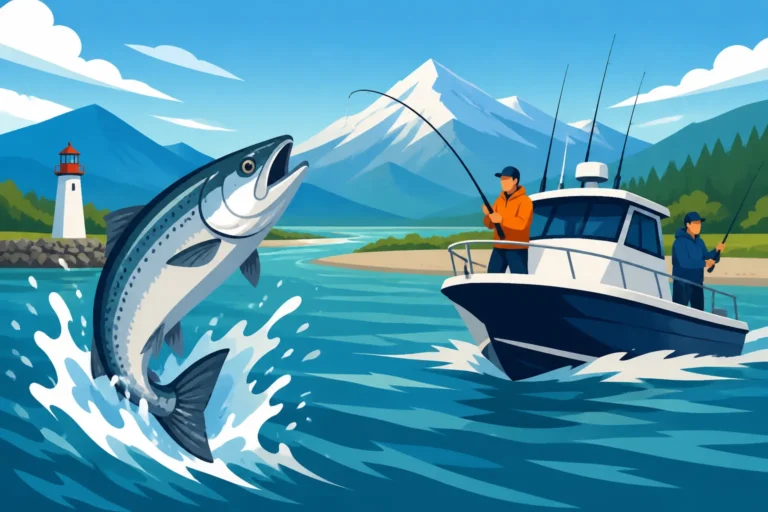
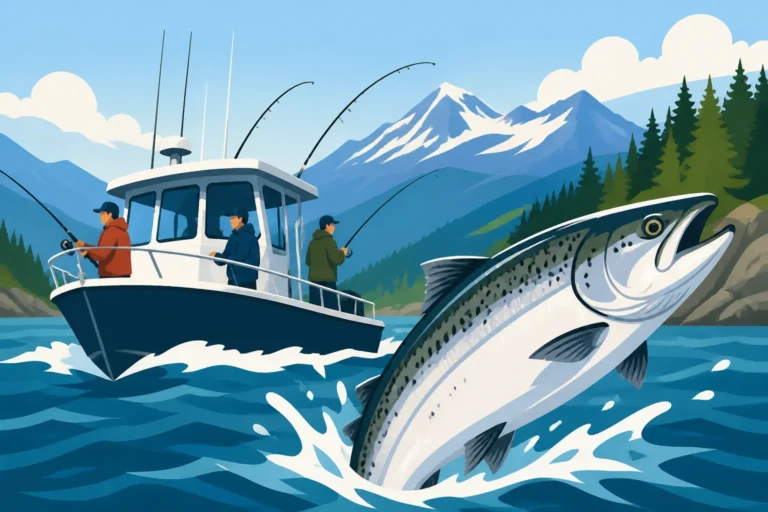
- Pacific Salmon (Chinook, Coho, Sockeye, Pink, Chum): Salmon are the quintessential BC dinner fish. Chinook (King) salmon are prized for their size and rich, oily flesh, while Coho (Silver) salmon offer a fantastic fight and excellent flavour. Sockeye, Pink, and Chum salmon also pass through BC waters in incredible numbers during their runs, providing abundant opportunities. Each species has distinct seasons, bag limits, and preferred habitats. A charter specializing in salmon fishing often has the gear and local knowledge to put you on fish you can keep. Remember to check BC Salmon Conservation Stamp Rules as these are often required for retention.
- Halibut: These flat, powerful bottom dwellers are incredibly popular for their firm, white, mild-flavoured meat. Halibut fishing is an entirely different game than salmon fishing, often requiring heavier tackle, different techniques, and specific depths. Charters targeting halibut will typically have specialized gear and a deep understanding of ocean currents and bottom structure. Halibut also have very specific BC Halibut Bag Limit Rules that change seasonally, so a good charter will be intimately familiar with these.
- Lingcod: Another fantastic eating fish, lingcod are aggressive predators found around rocky reefs and kelp beds. Their firm, white flesh is incredibly versatile. Like halibut, they require specific gear and knowledge of their preferred habitats. Catching a few lingcod can add a wonderful variety to your dinner plate.
- Rockfish: BC waters are home to numerous rockfish species, many of which are delicious. However, many rockfish species are slow-growing and vulnerable, leading to strict regulations, including Rockfish Conservation Areas (RCAs) where retention is often prohibited or heavily restricted. A responsible charter will know these zones intimately and guide you accordingly, ensuring you target species that are healthy and legal to keep.
Understanding Seasons and Retention Limits
The timing of your trip is paramount when planning for a dinner catch. Fish migrations, spawning cycles, and conservation efforts mean that what's open and abundant one month might be closed or scarce the next. Charters that aim for retention are always hyper-aware of these fluctuating conditions.
- Seasonal Availability: Salmon runs, for instance, are highly seasonal. Chinook salmon often have spring and fall runs, while sockeye appear in massive numbers for a shorter window in summer. Halibut fishing is typically best in warmer months when they are more active. Lingcod seasons can also vary. A reputable charter will be transparent about what's in season and realistic about your chances of success. You can find general timelines in resources like BC Fishing Season Dates and Closures.
- Bag and Possession Limits: This is where things get really specific and directly impact how much dinner you'll be taking home. Every species has a daily bag limit (how many you can catch in a day) and a possession limit (how many you can have in your possession, including at home). These limits can vary based on the specific body of water, time of year, and even the size of the fish. For example, some chinook salmon might have slot limits (only fish within a certain size range can be kept). A good "dinner charter" will not only know these limits inside out but will actively help you manage your catch to stay within regulations while maximizing your take-home fish. Check out BC Bag and Possession Limits by Species for a general overview, but always defer to your guide for the most current specifics.
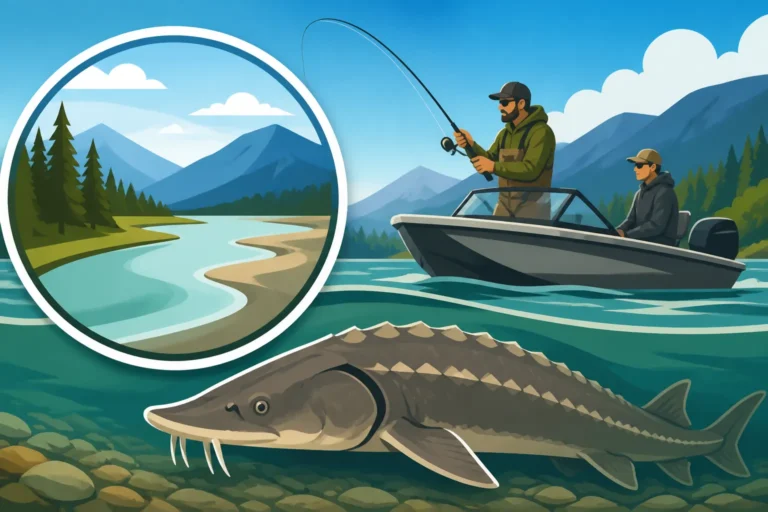
- Conservation vs. Retention: Some charters focus almost exclusively on catch-and-release, especially for iconic species like White Sturgeon on the Fraser River or wild Steelhead. While these trips offer incredible thrills, they are not designed for filling your cooler. When booking, explicitly state your goal of keeping fish for dinner. This ensures the charter guides you to appropriate species and locations where retention is encouraged and within regulations.
What Makes a Charter "Dinner-Focused"?
Not all fishing charters are created equal, especially when your primary goal is to bring home a delicious meal. A charter that prioritizes providing dinner for its clients will have specific practices, amenities, and a philosophy geared towards successful retention.
Guides Who Know the "Keeping" Spots
The best dinner charters employ guides who don't just know where the fish are, but where the keepable fish are. This means understanding local micro-regulations, recent fishing patterns for retention-size fish, and areas that historically produce well within legal limits.
- Targeting Keepers: A guide on a dinner-focused charter isn't just looking for any bite; they're looking for bites from fish that are legal to retain. This might mean adjusting depths, bait choices, or locations based on current regulations. For instance, if certain areas have non-retention rules for larger Chinook salmon, they'll steer you to areas where smaller, legal-to-keep fish are more abundant, or where different species with more liberal limits are present. They often have specific go-to spots for halibut or lingcod where you have a better chance of boating a keeper.
- Expert Navigation of Regulations: Navigating BC's fishing regulations can feel like learning a whole new language. Daily bag limits, possession limits, size restrictions (minimum, maximum, or slot limits), gear restrictions, and area closures can change frequently. A guide on a dinner charter will be your living, breathing fishing synopsis. They’ll interpret the latest BC Fishing Regulations Explained and BC Fishery Notices and In-Season Closures, Explained on the fly, ensuring you remain compliant and maximize your allowable catch. This is invaluable, as a single misstep can lead to fines or the loss of your catch.
- Focus on Local Knowledge: Many BC fishing communities have guides who have spent their entire lives on these waters. They know the tides, the currents, the seasonal movements of baitfish, and where the target species are likely to congregate. This deep, hyper-local knowledge is critical for consistently putting clients on dinner fish. They know the subtle signs of a good fishing hole and how to adapt quickly if conditions change.
Post-Catch Handling: Cleaning, Filleting, and Packaging
The journey from water to table involves more than just catching the fish. How your catch is handled after it's landed is crucial for its quality and freshness. A top-notch dinner charter will take care of these details.
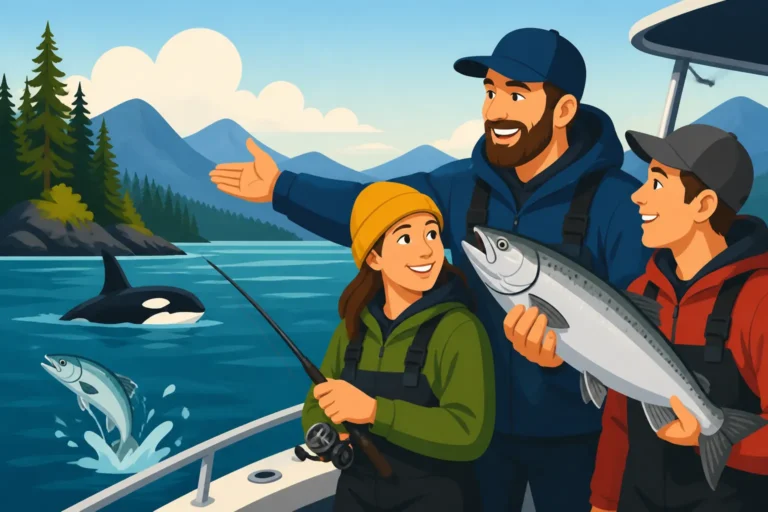
- Professional Cleaning and Filleting: Imagine reeling in a beautiful Chinook salmon, only to realize you have no idea how to properly clean and fillet it. A great dinner charter will include cleaning and filleting services as part of their offering. This means your guide or a deckhand will expertly process your fish right on the boat or back at the dock, turning a whole fish into ready-to-cook fillets. They know how to maximize yield and ensure the fish is handled hygienically.
- Proper Packaging for Transport: Once filleted, your fish needs to be kept cold and protected for the journey home. Charters focused on retention often provide sturdy bags, ice, or even vacuum-sealing services (sometimes for an extra fee) to ensure your fillets remain fresh. They understand the importance of cooling the fish rapidly to maintain quality. Some might even offer freezer space for multi-day trips. When you're researching, ask if they pack fish for travel and what that entails.
- "Catch and Cook" Options: Some charters, particularly those associated with lodges or resorts, might offer "catch and cook" experiences. This is where the lodge chef will prepare your fresh catch for your dinner that evening, providing the ultimate farm-to-table (or in this case, ocean-to-table) experience. If you’re on a multi-day trip, this can be a real highlight.
Equipment Geared for Success
The right gear makes all the difference, both in catching the fish and ensuring it's a size you can keep. Dinner-focused charters typically invest in specific setups.
- Appropriate Rods and Reels: For salmon, they'll have trolling rods with downriggers, or mooching setups. For halibut, expect heavy-duty rods and reels designed to lift powerful fish from deep waters. Lingcod fishing might involve jigging setups. The equipment is chosen to be effective for the target species and the specific techniques required to catch them. What Gear a BC Charter Provides is a great resource to understand standard offerings.
- Quality Baits and Lures: Guides on dinner charters are usually experts in what baits and lures are currently most effective. This might be fresh herring for salmon, large jigs for halibut, or artificial baits that mimic local forage. They ensure they have a plentiful supply of fresh, high-quality bait, knowing that a good presentation is key to getting bites.
Here's a quick comparison of what to expect from different charter types:
| Feature | Dinner-Focused Charter | Catch-and-Release Charter | Scenic Tour / Light Fishing Charter |
|---|---|---|---|
| Primary Goal | Maximize legal retention of eating fish | Thrill of the fight, conservation, ethical angling | Enjoy the scenery, light recreational fishing, fun |
| Guide's Focus | Specific regulations, "keeper" spots, fish handling | Fish health, proper release techniques, photo ops | Easy fishing, beautiful views, wildlife spotting |
| Post-Catch Service | Cleaning, filleting, packaging, icing often included | Educating on release, no processing needed | Minimal, usually just a photo and release |
| Gear | Heavy-duty for target species, downriggers, specific bait | Lighter tackle for sport, circle hooks for release | Basic spinning gear, simple bait/lures |
| Typical Cost | Generally higher due to expertise & services | Varies; can be high for specialized C&R | Lower, focused on shorter, less intensive trips |
| Recommended For | Anglers wanting fresh seafood for meals | Anglers seeking sport, large fish fights, conservation | Families with young kids, casual sightseeing anglers |
Key Questions to Ask Before Booking
To ensure you book the perfect charter for catching dinner, don't be afraid to ask direct questions. A reputable charter will be happy to provide clear, honest answers.
"What are the typical species we'll be targeting, and what are the current retention limits for those species?"
This question gets straight to the heart of your dinner goals. The answer will tell you if their target species align with what you want to eat, and whether current regulations allow for a decent take-home catch.
- Managing Expectations: The guide's answer will set realistic expectations. They might say, "We'll be targeting Chinook salmon, and right now, the limit is one per person over 60 cm, or three smaller Coho per person." This immediately gives you a clear picture of what's possible. If their answer is vague or implies mostly catch-and-release, it might not be the right charter for your goal. Ask about the likelihood of reaching those limits.
- Flexibility and Backup Plans: A good dinner charter might also offer flexibility. "While we primarily target salmon, if the bite is slow or limits are tight, we can shift to halibut or lingcod if you're interested and the conditions are right." This shows they are adaptable and committed to helping you put fish on the table.
"Do you offer fish cleaning, filleting, and packaging services? Is there an extra charge for this?"
Knowing these logistical details upfront will save you time and potential frustration after a successful day on the water.
- Included Services: Many quality charters include basic cleaning and filleting in their price. This is a huge convenience! Clarify exactly what "cleaning" means – does it mean gutting only, or full filleting?
- Additional Costs: Sometimes, services like vacuum sealing or custom cutting might incur a small extra charge. It’s worth every penny for the convenience and preservation of your catch, but it’s good to budget for.
- Your Responsibilities: Understand if you need to bring your own cooler for transport, or if they provide ice and bags. Knowing this helps you prepare adequately for your trip home with your bounty.
"What is your typical success rate for anglers wanting to take fish home?"
While no guide can guarantee fish, they should be able to speak to their historical success with retention-focused trips.
- Honest Assessment: An experienced guide won't promise you a cooler full of fish, as fishing success depends on many variables (weather, fish migration, angler skill, etc.). However, they can speak to their track record and the current conditions. They might say, "In this season, we typically see our clients going home with their limit of Coho, or at least one nice Chinook."
- Understanding "Good Days": They might describe what constitutes a "good day" for their clients in terms of retained fish. This helps you gauge if their definition of success aligns with yours. If they only talk about the thrill of the fight, and not the fish in the cooler, perhaps they're not the best fit for your dinner goals.
"What type of boat do you use, and how many anglers does it accommodate comfortably for a retention trip?"
The vessel itself plays a role in your comfort and ability to handle a successful catch.
- Boat Size and Amenities: For retention trips, especially if you're landing larger fish like halibut or multiple salmon, you'll appreciate a boat with enough deck space. Consider if it has a head (washroom), covered areas from sun or rain, and sufficient cooler space for your catch.
- Angler Capacity: A boat that might comfortably hold six people for a scenic tour might feel cramped with six anglers actively fighting fish and trying to manage their catch. Ensure the boat's capacity is suitable for the style of fishing and your group size. Sometimes, a slightly smaller group ensures more personal attention and space for each angler.
Finding and Booking the Right Dinner Charter
Now that you know what to look for, it's time to find that perfect charter. There are several ways to go about this, and leveraging online resources can be particularly helpful.
Online Platforms and Websites
The internet has made finding and comparing fishing charters much easier than ever before. Websites dedicated to charter bookings can be incredibly valuable.
- Specialized Booking Sites: Platforms like FishingBooker are fantastic resources. They allow you to filter charters by location (e.g., Campbell River, Tofino, Fraser River), target species, trip duration, and often explicitly mention amenities like fish cleaning. You can read reviews from previous customers, many of whom will comment on their success in taking fish home. This is where you can often spot charters that consistently help anglers catch dinner. How to Choose a BC Fishing Charter often highlights the importance of using such platforms to find reputable operators.
- Direct Charter Websites: Many individual charter operators have their own websites. Look for language that emphasizes "taking home your catch," "fish processing," or "table-ready fillets." Photos of clients holding up their successful catches (especially coolers full!) are a good sign. Pay attention to their "About Us" or "Services" pages for explicit details on what's included.
- Review Sites and Forums: Beyond booking platforms, check general travel review sites or local fishing forums. Anglers are usually very vocal about their experiences, both good and bad. Look for mentions of guides who went above and beyond to ensure clients caught fish they could keep.
Local Recommendations and Word-of-Mouth
Sometimes the best advice comes from those who have been there before.
- Talk to Fellow Anglers: If you know anyone who has fished in BC, ask them for their recommendations. Personal endorsements can be incredibly valuable, especially for charters that are known locally for consistent success.
- Visit Local Tackle Shops: Staff at local bait and tackle shops are often a goldmine of information. They know the local guides, who's been hot, and who caters to anglers wanting to keep their catch. They can often provide insights into current conditions and recommend guides that align with your goals. Places like River Sportsman in Campbell River or Island Outfitters in Victoria often have knowledgeable staff.
What to Consider During Booking
Once you've identified a few potential charters, the booking process itself should be smooth and transparent.
- Confirm Inclusions and Exclusions: Get everything in writing or a clear email confirmation. This includes the duration of the trip, target species, what's provided (gear, bait, snacks, water), and explicitly confirm the fish cleaning/filleting services and any associated costs. Ask about BC Fishing License Age Requirements and whether you need to purchase your license beforehand or if they assist with this.
- Deposit and Cancellation Policies: Understand the deposit requirements and the cancellation policy, especially regarding weather. BC Fishing License Refund and Replacement Policy is not what you're looking for here, but rather the charter's specific policy. Life happens, and sometimes trips need to be rescheduled.
- Special Requests: If you have specific dietary needs, mobility concerns, or other requests, communicate them upfront. A good charter will do their best to accommodate you.
- Mentioning "FishingBooker": When you're comparing options or even reaching out to a specific charter you found, mentioning that you saw them on a platform like FishingBooker can sometimes streamline the conversation, as they'll know you're coming from an informed source and have likely already reviewed their profile there. It can also help them understand where their business is coming from.
Bringing home a delicious meal from British Columbia's waters is an incredible experience, and with the right charter, it's a very achievable goal. By doing your homework, understanding the species and seasons, and asking the right questions, you'll be well on your way to enjoying your fresh catch.
Disclaimer
This article is for general informational purposes only and does not constitute professional advice. Laws, prices and regulations vary by location and change over time. Consult a qualified professional for guidance on your specific situation.