BC Fraser River Sturgeon Catch and Release Requirement
There's nothing quite like the thrill of hooking into a prehistoric behemoth, a white sturgeon, in the mighty Fraser River. The sheer power, the incredible size, it’s an experience that truly connects you to the wild heart of British Columbia. But with such an incredible privilege comes an equally important responsibility: ensuring these magnificent creatures continue to thrive. This comprehensive guide will walk you through everything you need to know about the mandatory catch and release requirements for sturgeon fishing on the Fraser River, helping you protect these living legends for generations to come.
Understanding the BC Fraser River Sturgeon Catch and Release Mandate
For anyone venturing onto the Fraser River with dreams of battling a white sturgeon, understanding the strict catch and release mandate isn't just a recommendation—it's the law. These regulations are in place for a very good reason, and adherence is absolutely paramount to the survival of this iconic species.
Why Sturgeon Need Our Protection
The white sturgeon (Acipenser transmontanus) are the largest and longest-lived freshwater fish in North America, with some individuals exceeding six meters (20 feet) and living for over 150 years. They're true survivors, having patrolled these waters for millions of years. Unfortunately, their long lifespan and slow reproductive cycle, combined with historical overfishing, habitat loss, and environmental changes, have made them incredibly vulnerable. The Fraser River population, while showing signs of recovery thanks to dedicated efforts, is still considered a species of special concern.
These fish don't reach sexual maturity until they are often over 20 years old, meaning it takes a long time for a generation to contribute to the population. When you pull a large, old sturgeon from the water, you're not just encountering a fish; you're interacting with a living piece of history, an elder of the river whose continued existence depends entirely on our careful stewardship. This fragile biology is the fundamental reason why every single sturgeon caught on the Fraser River must be released unharmed.
The Legal Framework: What the Regulations Say
The law is crystal clear: all white sturgeon caught in the Fraser River and its tributaries must be immediately released, unharmed, at the site of capture. There are absolutely no exceptions for retention, regardless of size, condition, or perceived health. This isn't a suggestion; it's a non-negotiable directive enshrined in the BC Fishing Regulations Explained. This means that once you've landed one, taken any necessary measurements, and perhaps a quick, safe photo, your immediate priority is to ensure its safe return to the water.
These regulations are enforced by federal fishery officers and provincial conservation officers, and they take any violations extremely seriously. The goal is simple: to minimize stress and physical harm to the sturgeon during the entire fishing process, from the moment it takes your bait to the moment it swims away. It's about respecting the fish, the fishery, and the future of this incredible resource.
Essential Gear for Responsible Sturgeon Catch and Release
When you're targeting a fish that can weigh hundreds of pounds and possess immense strength, your gear isn't just about catching it—it's about fighting it efficiently and releasing it safely. Skimping on tackle means longer fight times, more stress on the fish, and a higher chance of injury to both the sturgeon and yourself.
Rods, Reels, and Line: Building a Stout Setup
To handle the immense power of a Fraser River sturgeon, you need heavy-duty equipment. Think about it: you're trying to control a creature that can be longer than your boat and pull like a small car. A good sturgeon rod will be stout, often a heavy-action rod between 7.5 to 9 feet long, designed for big game. Many anglers prefer specialized sturgeon rods from brands like Berkley or Fenwick, built to withstand incredible strain.
Your reel needs to match this power. A robust conventional reel (like a Penn Squall or Shimano Tekota) with a strong drag system is essential. It should be capable of holding a substantial amount of heavy line. For line, braided superline is the undisputed champion for sturgeon. It offers superior strength-to-diameter ratio, no stretch for solid hooksets, and incredible abrasion resistance. We're talking 100 to 200 lb test braid here, not your typical salmon fishing line. A popular choice is Berkley X9 or PowerPro, which you can often find great deals on through online retailers like Amazon. Having enough line capacity to handle a long run from a big fish is critical to preventing the fish from fighting to exhaustion or breaking off.
Hooks, Leaders, and Terminal Tackle for Sturgeon Safety
This is where the "release" part of catch and release really comes into play. The regulations specifically mandate the use of single, barbless hooks when fishing for sturgeon. If your hook isn't barbless, you must pinch the barb down completely with pliers. This is non-negotiable. Barbless hooks minimize tissue damage and make hook removal much easier and quicker, reducing the time the fish is out of the water. Circle hooks are highly recommended, and often legally required for sturgeon fishing in many areas, as they tend to hook in the corner of the mouth, reducing gut-hooking instances, which are often fatal. Brands like Gamakatsu or Owner produce excellent heavy-duty circle hooks suitable for sturgeon.
Your leader material should be incredibly strong and abrasion-resistant, typically 200-400 lb test monofilament or fluorocarbon. Sturgeon have rough mouths and bony plates that can easily fray lighter lines, leading to break-offs and leaving hooks in the fish. Connect your main line to your leader using heavy-duty swivels and snaps, ensuring every component in your system can withstand the monumental forces involved. Again, a quick search on Amazon will reveal a plethora of options for strong leaders and appropriate circle hooks.
Critical On-Board Equipment for Handling and Measuring
Beyond your rod and reel, several other pieces of equipment are absolutely essential for a safe and legal sturgeon catch and release. First, a large, knotless, rubber-coated landing net or a heavy-duty sturgeon sling is critical. These protect the fish's delicate skin and slime coat, preventing scales (scutes) from being damaged, which can lead to infection. Never, ever use a standard mesh net, as it can strip a sturgeon of its protective coating.
You'll also need a flexible, non-abrasive measuring tape, preferably one that won't damage the fish's skin. Most guides use a soft, cloth-like tape that can conform to the fish's contours without scraping. Long-nosed pliers or specialized hook removal tools are vital for quick and efficient hook extraction. A pair of heavy-duty gloves will protect your hands from the rough scutes and sharp pectoral fins of a thrashing sturgeon. Finally, a large, flat, padded mat or tarp can be useful if you need to briefly bring the fish partially out of the water for a quick photograph, though the preference is always to keep the fish mostly submerged. For more detailed advice on this, check out our guide on Sturgeon catch and release survival tips.
Best Practices for Handling Fraser River Sturgeon
The moment a sturgeon takes your bait, the clock starts ticking. Every action you take from that point on directly impacts the fish's chances of survival. It's not just about landing the fish; it's about landing and releasing it with minimal trauma.
The Fight: Minimizing Stress and Exhaustion
When a sturgeon hits, the initial surge of power can be astounding. Your goal is to apply steady, heavy pressure and bring the fish in as quickly and efficiently as possible, without over-stressing it. Prolonged fights lead to lactic acid buildup in the fish's muscles, similar to how a human runner feels after a sprint, which can be deadly for sturgeon. Use your rod and reel's full capabilities. Pump the rod, reel down, and keep that pressure on. Don't horse the fish, but don't let it leisurely swim around either.
If you're fishing from a boat, communicate with your captain or fellow anglers to maneuver the boat to gain an advantage. Following the fish with the boat can significantly reduce fight times. Be aware of your surroundings, other boats, and obstacles in the river that could prolong the fight or endanger the fish. A well-orchestrated fight is a shorter fight, and a shorter fight means a higher chance of survival for the sturgeon.
On-Water Handling: Keeping the Fish Wet and Supported
This is perhaps the most critical aspect of sturgeon conservation. Never drag a sturgeon onto the bank or into a boat unassisted. Their internal organs are not designed to support their massive weight out of water, and doing so can cause severe, often fatal, internal damage. Ideally, the fish should remain largely submerged throughout the entire handling and release process.
When you bring the fish alongside the boat or into shallow water, use a dedicated sturgeon sling or a very large net to support its entire body. If a photo is desired, position the fish in the water, supporting its belly and head, keeping its gills submerged. If it must be brought partially out for a very quick measurement or photo, use the sling to lift it horizontally, ensuring its entire body is supported. Never hold a sturgeon vertically by its head or tail, as this puts immense pressure on its spine and internal organs. Handle the fish with wet hands or gloves to protect its slime coat, which is vital for disease resistance.
Measuring, Tagging, and Documentation
Once the sturgeon is secure in its sling or net, it's time for quick measurements. Most anglers will measure from the tip of the nose to the fork in the tail. This data is valuable for tracking the fish's growth and health over time. In some areas, or with specific research permits, sturgeon may be tagged. The Fraser River White Sturgeon Recovery Initiative, for example, has a comprehensive tagging program where researchers implant small electronic tags to monitor migration, growth, and survival. If you encounter a tagged fish, try to note the tag number if it's external, and report it if requested by local authorities, as this contributes immensely to scientific understanding.
Photos should be taken quickly and efficiently. If you must lift the fish slightly for a picture, do it as a team, with one person supporting the head and the other the tail/midsection, keeping its body horizontal and low to the water. Limit the time out of water to mere seconds—just enough for a quick snap. The fish's well-being should always override the desire for a perfect photo. If you're lucky enough to land a true giant, you might want to consider submitting its measurements, as they contribute to the BC record white sturgeon weight and length database, all while adhering to the catch and release mandate.
Releasing Sturgeon Safely: Ensuring Their Future
The release process is just as important as the fight and handling. A proper release gives the sturgeon the best chance of resuming its life in the river without lasting harm.
The Revival Process: Giving Them Time to Recover
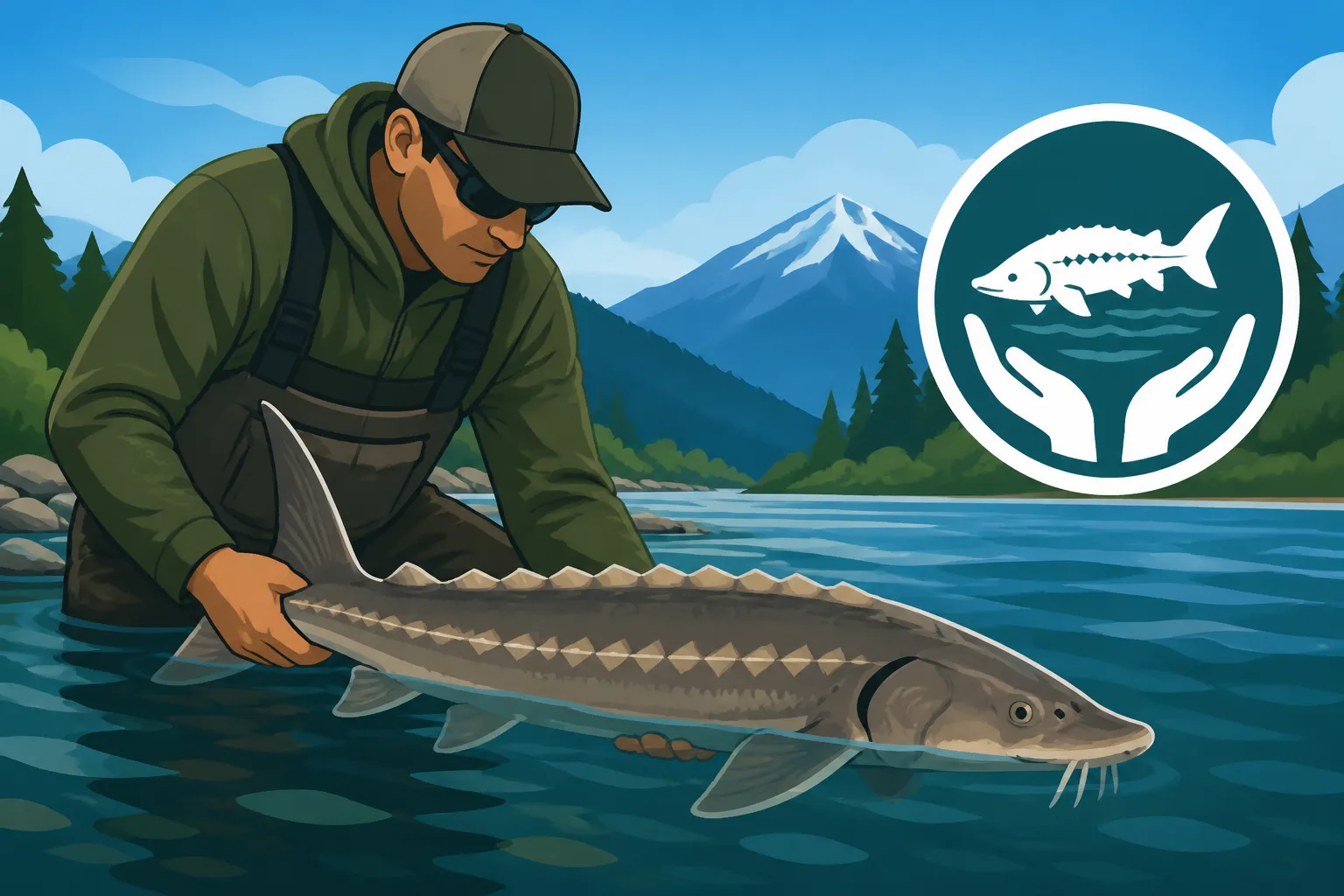
After the excitement of the catch, the crucial final step is to ensure the sturgeon is fully revived before letting it go. This means holding the fish gently but firmly in the water, facing into the current. The current will push oxygenated water over its gills, helping it to recover from the stress of the fight. Support its belly and tail, making sure it stays upright.
You'll feel the fish gradually regain its strength. It will start to make subtle movements, perhaps kicking its tail or trying to swim against your grasp. Don't rush this process. Take as long as needed—it could be a few minutes, or even longer for a particularly large or well-fought fish. Only release the sturgeon when it shows strong signs of being able to swim away on its own power. You want to see it actively trying to pull away from you, not just floating listlessly. Once it feels strong, give a gentle push in the direction it wants to go, and watch it disappear back into the depths.
Avoiding Common Release Mistakes
Many well-intentioned anglers make simple mistakes during release that can compromise a sturgeon's survival. One common error is releasing the fish too soon, before it has fully recovered. A sturgeon that swims off weakly is vulnerable to predators and may not survive. Another mistake is pulling the fish out of the water repeatedly for photos, or holding it out of the water for too long. Remember, even a minute out of water can be detrimental to a fish designed for aquatic life.
Avoid forcefully pushing the fish down into the water or shaking it. Gentle, steady support in the current is all that's needed. Also, ensure the hook is fully removed. If the hook is deeply embedded and cannot be removed without causing further damage, cut the line as close to the hook as possible. Barbless hooks generally fall out over time, but leaving excessive line attached can entangle the fish. Always prioritize the fish's health over retrieving a hook.
Understanding Fraser River Specific Zones and Closures
The Fraser River is a dynamic system, and fishing regulations can change rapidly, particularly with salmon returns. While sturgeon are generally catch-and-release year-round, certain areas or times might have specific closures that indirectly affect sturgeon fishing access or techniques. For example, during significant salmon runs, such as the BC Fraser River Sockeye Closure Windows, certain sections of the river might be closed to all fishing, or only open to specific gear types, to protect spawning salmon. Always check the latest BC Fishery Notices and In-Season Closures, Explained before heading out. These notices are issued by Fisheries and Oceans Canada (DFO) and provide real-time updates on openings, closures, and specific gear restrictions that may apply to your target area. Ignorance of these notices is not a valid defense if you are found in violation.
| Best Practice for Sturgeon Release | Common Mistakes to Avoid |
|---|---|
| Keep fish submerged as much as possible | Dragging fish onto shore or into boat |
| Use a large, wet sling for support | Holding fish vertically by tail or head |
| Use wet hands/gloves when touching fish | Touching fish with dry hands, abrasive materials |
| Remove hook quickly and gently (barbless) | Forcing out deeply embedded hooks; leaving barb on |
| Revive fish gently in current until strong | Releasing fish too soon, while still weak |
| Limit out-of-water time for photos to seconds | Prolonged photo sessions; repeated lifting of fish |
| Always use single, barbless circle hooks | Using treble hooks, barbed hooks, or J-hooks |
| Cut line close to deeply embedded hooks | Tugging excessively on deep-hooked fish |
Penalties and Enforcement: Fishing Without Consequence
The rules for sturgeon fishing on the Fraser River are not suggestions; they are laws designed to protect a vulnerable, iconic species. Violating these regulations can lead to severe consequences, demonstrating the seriousness with which authorities view sturgeon conservation.
The High Cost of Non-Compliance
Let's be blunt: fishing without adherence to the catch and release mandate for sturgeon is a serious offense. The penalties are substantial and can include hefty fines that run into the thousands of dollars, forfeiture of all fishing gear (including your boat and expensive electronics), and even prison time for repeat or severe offenders. You could also face a ban from fishing for a significant period. These consequences are far more severe than, for instance, a minor infraction related to Fishing Without a License in BC: Penalties.
Consider the impact: if you are caught retaining a sturgeon, not only will you face legal repercussions, but you'll also have contributed to the decline of a species that is working hard to recover. Fishery officers are highly trained and conduct regular patrols on the Fraser River. They use various methods, including undercover operations, to ensure compliance. It's simply not worth the risk, for your wallet, your freedom, or the future of the sturgeon.
Role of Fishery Officers and Public Reporting
Fishery officers from Fisheries and Oceans Canada (DFO) and conservation officers from the Province of BC are the frontline protectors of the Fraser River sturgeon. They patrol the river, educate anglers, and enforce the regulations. They have the authority to inspect your catch, gear, and vessel at any time. Their presence is a crucial part of the conservation effort, ensuring that everyone plays by the rules.
But conservation isn't just their job; it's everyone's responsibility. The public plays a vital role in reporting suspected illegal fishing activities. Anglers who care deeply about the resource often serve as extra eyes and ears on the water. If you witness someone violating sturgeon regulations, whether it's attempting to retain a fish, using illegal gear, or improper handling, reporting it helps protect the resource.
Reporting Incidents and Ensuring Fair Play
If you witness a potential violation, it's important to report it to the authorities. Don't confront individuals yourself, as this can be dangerous. Instead, collect as much detail as possible: the date, time, specific location, boat description (colour, type, name if visible), number of people involved, and the nature of the alleged offense. Take photos or videos if it's safe and doesn't put you at risk.
You can contact the DFO Observe, Record, Report line at 1-800-465-4336 or the Report All Poachers and Polluters (RAPP) line at 1-877-952-7277 (RAPP). Your anonymity can be protected. By reporting, you're not just being a "snitch"; you're actively participating in the conservation of a treasured BC species, ensuring that those who disrespect the resource are held accountable and that fair play is maintained for all ethical anglers.
Preparing for Your Fraser River Sturgeon Adventure
Fishing for sturgeon on the Fraser River is an incredible adventure, but like any serious expedition, it requires careful planning and preparation. Doing your homework beforehand will not only enhance your experience but also ensure you're fishing legally and responsibly.
Hiring a Reputable Guide: The Smart Choice
For many, especially those new to sturgeon fishing or unfamiliar with the Fraser River, hiring a reputable, licensed sturgeon guide is by far the best way to experience this fishery. A good guide offers an invaluable combination of local knowledge, specialized gear, and a deep understanding of sturgeon behavior and conservation practices. They know the best spots to find the fish, What white sturgeon eat in the Fraser River, how to rig your baits for optimal success, and critically, how to handle and release these massive fish safely.
Guides often operate out of well-equipped boats specifically designed for sturgeon fishing, ensuring a comfortable and safe experience. They'll also be up-to-date on all the latest regulations and fishery notices. Choosing a guide who is passionate about sturgeon conservation and adheres strictly to catch and release principles is key. Look for guides with strong reputations, good reviews, and explicit commitments to ethical fishing. Our comprehensive list of Best Sturgeon Guides on the Fraser River can be a great starting point for finding a trusted professional.
Pre-Trip Checklist: Licenses, Regulations, and Weather
Before you even think about dropping a line, you need to make sure all your ducks are in a row. First and foremost, you'll need the appropriate fishing license. For freshwater fishing in BC, this means a Freshwater Fishing Licence, which you can purchase online or from authorized vendors. Ensure you understand the differences between resident and non-resident licenses, and have it in your possession (physical or digital) at all times while fishing. Our British Columbia Fishing License Guide for 2026 and Where and How to Buy a BC Fishing License are excellent resources for this.
Next, familiarize yourself with the current regulations. While the catch and release mandate for sturgeon is constant, other regulations, such as bait restrictions or specific area closures, can change. Always check the official BC Freshwater Fishing Synopsis and any DFO Fishery Notices. Finally, keep a close eye on the weather forecast. The Fraser River can be mighty and unpredictable. High winds, heavy rain, or sudden drops in temperature can make for unsafe boating conditions. Dress in layers, bring rain gear, and ensure your boat is equipped for the conditions.
Protecting Your Catch and Yourself: Safety First
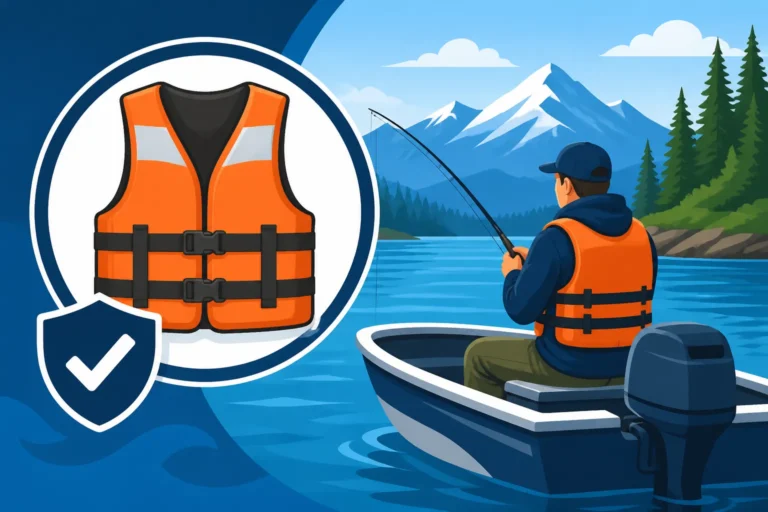
Fishing for How big white sturgeon get in the Fraser River is an exhilarating experience, but it also comes with inherent risks. The sheer power of a large sturgeon can be surprising. When a big fish makes a run, it can easily pull an unprepared angler overboard, or cause a rod to snap. Always wear a life jacket, and ensure everyone on board knows boating safety protocols. If you're operating a boat, a BC Pleasure Craft Operator Card Requirement is mandatory.
Beyond the fish, remember general boating safety: have all required safety equipment on board (flares, bailer, whistle, first-aid kit), know how to use your VHF radio, and always inform someone of your float plan. Even though you're excited about the prospect of catching a monster sturgeon, prioritize safety for yourself, your crew, and the incredible fish you're hoping to encounter. A well-prepared angler is a safe angler, and a safe angler is a responsible steward of the Fraser River's white sturgeon.
Disclaimer
The information provided in this guide is for general informational purposes only and is subject to change. While we strive to provide accurate and up-to-date information, fishing regulations in British Columbia can change frequently. It is the responsibility of every angler to consult the most current BC Freshwater Fishing Synopsis and all applicable Fisheries and Oceans Canada (DFO) Fishery Notices before engaging in any fishing activity. Non-compliance with regulations can result in significant penalties.