What to Bring on a BC Fishing Charter
Embarking on a fishing charter in British Columbia is an absolute dream for many, but the excitement can quickly turn to anxiety when you start wondering, "What in the world do I actually need to bring?" It's a common frustration, especially for those new to BC's diverse fisheries or traveling from afar, trying to pack light while still being prepared for anything Mother Nature throws your way. This comprehensive guide is here to unravel that mystery, ensuring you arrive at the dock confident and ready for an incredible day on the water, whether you're chasing salmon off Vancouver Island or casting for steelhead in a pristine river.
Essential Personal Gear for Your Comfort on the Water
British Columbia's weather is famously unpredictable, often serving up four seasons in a single day, especially on the coast or in the mountains. Being comfortable is paramount to enjoying your fishing experience, so planning your personal gear for varying conditions is crucial. You don't want to be shivering when that trophy fish bites, or sunburned and miserable by lunchtime.
Layer Up: The BC Weather Dance
When it comes to dressing for a BC fishing charter, layers are your best friend. Seriously, I can't stress this enough. You might start your morning with a brisk chill, experience a warm, sunny afternoon, and then have a sudden squall blow through. If you're not dressed in layers you can easily add or remove, you'll either be freezing or overheating.
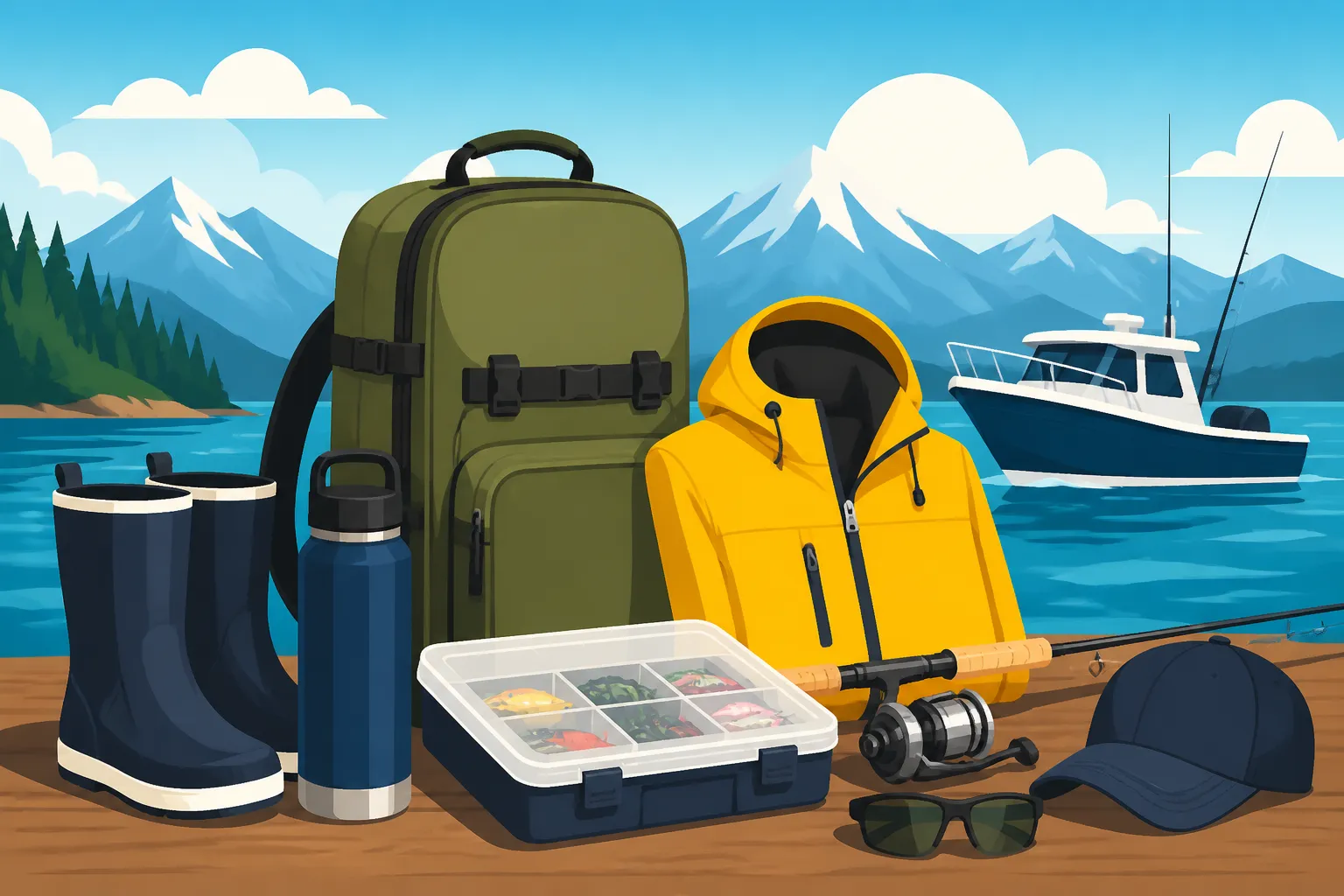
Think about a good base layer that wicks moisture away from your skin – synthetics or merino wool are fantastic choices, far better than cotton, which stays wet and can make you cold. Over that, a mid-layer like a fleece jacket or a warm sweater provides insulation. Finally, an outer layer that's both waterproof and windproof is non-negotiable. This could be a good quality rain jacket and pants. Even on a seemingly sunny day, boat spray, mist, or an unexpected shower can soak you to the bone if you're not protected. Remember, it's always easier to take off a layer than to conjure one up out of thin air when the temperature drops or the rain starts. Many charters operate heated cabins, which is lovely, but you’ll spend plenty of time on deck, and you'll want to be ready. For more specific advice on what to wear, check out What to wear on a BC fishing charter.
Footwear for All Conditions
Just like your clothing, your footwear choice can make or break your comfort and safety. You need something that provides good grip on potentially wet, slippery decks, and something that will keep your feet dry and warm. Leave the open-toed sandals or fancy sneakers at home.
Waterproof boots are ideal. Rubber deck boots or even sturdy, waterproof hiking boots are excellent options. They'll protect your feet from errant splashes, rain, and fish slime, and offer much better traction than everyday shoes. Make sure they're comfortable enough to wear for several hours, as you'll be standing a lot, casting, reeling, and enjoying the view. Bringing an extra pair of thick, warm socks, preferably wool or a synthetic blend, is also a smart move. There's nothing worse than cold, wet feet to dampen your spirits, even when the fish are biting. Consider the type of charter you're on, too; a deep-sea halibut trip might require different insulation than a river steelhead drift.
Sun and Eye Protection: Don't Forget the Basics
The sun's rays, even on a cloudy day, are magnified on the water. This is a lesson many learn the hard way, ending a fantastic day of fishing with a painful sunburn. Sunscreen with a high SPF is absolutely essential. Apply it generously to any exposed skin, including your face, neck, ears, and the back of your hands, and reapply throughout the day, especially after handling fish or getting wet.
A wide-brimmed hat or a baseball cap offers excellent protection for your face and scalp. Sunglasses, preferably polarized, are another must-have. Not only do they protect your eyes from harmful UV rays, but polarized lenses cut through glare on the water, allowing you to see deeper and sometimes even spot fish or structure – a huge advantage, especially in calmer freshwater. Even if your charter boat has a canopy, you'll be moving around, and the reflection off the water can be intense. Don't skimp on these basic protective items; they truly make a difference in your overall enjoyment.
Fishing-Specific Items (Even on a Guided Trip)
When you book a BC fishing charter, a lot of the heavy lifting, equipment-wise, is taken care of. That's one of the biggest benefits! However, there are still a few fishing-specific items you might want to consider bringing, or at least be aware of, to enhance your trip.
Your Personal Tackle Box? Maybe, Maybe Not
For most guided saltwater or freshwater trips, the charter will provide all the necessary rods, reels, tackle, and bait. This is fantastic because it means you don't need to worry about having the right gear for the specific species or conditions. Captains and guides spend years honing their craft and know exactly what works best in their local waters. They'll have top-of-the-line gear specifically suited for, say, Chinook Salmon Fishing in BC or How to Catch Sturgeon on the Fraser River.
However, if you have a lucky lure, a special fly, or a favourite jig that you just know will work, it never hurts to ask your guide if you can bring it along and give it a try. Most guides are open to it, especially if the bite is slow, or if it aligns with their preferred methods. Just don't expect them to exclusively use your gear, as they have a system that's proven successful. For beginners, definitely leave the tackle box at home and trust your guide's expertise. If you're booking through a platform like FishingBooker, you can often see what equipment is included or if there's an option to bring your own in the charter description.
Specialty Rods and Reels
Building on the tackle box discussion, generally, you won't need to bring your own rods and reels. Charter operators invest heavily in high-quality, well-maintained gear that can handle the powerful fish found in BC waters. They'll have everything from heavy-duty conventional setups for halibut and sturgeon to lighter spinning rods for coho salmon or trout.
However, some experienced anglers might prefer using their own specialized fly rods for steelhead, or a particular jigging setup for deepwater lingcod. If you fall into this category, always communicate this with your charter captain before your trip. They need to know if you're bringing your own gear to ensure it's suitable and won't interfere with their operations or the safety of the trip. They can also advise if your gear meets local regulations for line weight, hook type, or other specifics. For example, if you're hoping to fly fish for Steelhead Fishing in BC, discuss this in advance, as it often requires specific techniques and a guide who specializes in that method.
Fishing Licenses and Stamps: Non-Negotiable
This is perhaps the single most important item you must bring. Fishing in British Columbia without a valid license is illegal and can result in significant penalties. Even if you're on a guided trip, you are responsible for having your own license and any necessary stamps.
Before your trip, ensure you have the correct type of license for the waters you'll be fishing (freshwater or tidal) and for the species you're targeting (e.g., a Salmon Conservation Stamp if you plan to retain salmon in tidal waters). Check the BC Fishing License Age Requirements and ensure everyone in your party has the appropriate documentation. You can usually purchase these online through the BC government website or from authorized vendors. Many people now carry a digital copy on their phone, but it's always a good idea to have a printed copy as a backup, especially if you're heading to areas with patchy cell service. Your guide will likely ask to see it before you even leave the dock, so have it readily accessible.
Food, Drink, and Personal Comfort Items
Even the best fishing day can feel long if you're hungry, thirsty, or battling an upset stomach. Planning for your personal sustenance and comfort is a vital part of preparing for your charter.
Keeping Hydrated and Energized
Fishing is an active pursuit, even if you're just sitting and waiting for a bite. You'll be exposed to the elements, and it's easy to get dehydrated without realizing it. Bring plenty of water! A reusable water bottle is a great, eco-friendly option you can refill. While some charters might provide basic refreshments, it's always best to bring your own preferred beverages.
Snacks and a packed lunch are also highly recommended. A sandwich, some fruit, granola bars, or trail mix are excellent choices. Opt for things that are easy to eat on the go, don't require refrigeration (unless you have a small cooler you're bringing), and won't make a huge mess on the boat. Avoid greasy or overly sugary foods that might contribute to seasickness or energy crashes. A happy angler is a well-fed and hydrated angler!
Motion Sickness Preparedness
For many, the open water can bring on an unwelcome guest: seasickness. If you're prone to it, or even if you're unsure, it's always better to be prepared. Dramamine, Bonine, or ginger supplements can be very effective, but they often need to be taken before you even board the boat, sometimes hours in advance. Read the instructions carefully.
Fresh air, focusing on the horizon, and staying hydrated can also help. Avoid reading or looking down at your phone for extended periods. Discuss any concerns with your captain; they've seen it all and can often offer tips or suggest calm routes if possible. Don't let the fear of seasickness deter you from booking an incredible adventure; a little preparation goes a long way. If you're planning a coastal trip, like a Halibut Fishing Techniques for BC's Coast excursion, this is particularly important as you might be heading into open ocean.
Personal Hygiene and First Aid Essentials
While charter boats typically have basic first aid kits, it's a good idea to bring a small, personal kit with any specific medications you might need. This could include pain relievers, allergy medication, or any prescription drugs you take regularly. Keep them in a waterproof bag, just in case.
Beyond medication, think about a few hygiene items. Hand sanitizer is a godsend after handling bait or fish, especially before eating. Small, quick-drying towel or a pack of wet wipes can also be incredibly useful for quick clean-ups. And don't forget lip balm with SPF, as sun and wind can quickly chap your lips. While most larger charter vessels will have a head (marine toilet), river drift boats might not, so be prepared for more rustic arrangements if you're on a smaller freshwater trip.
Documentation and Tech: Safety and Memories
In our modern world, even a remote fishing trip can benefit from some careful planning regarding documents and electronics. These items ensure your safety, help you capture priceless memories, and keep you connected.
Identification and Important Papers
Beyond your fishing license, ensure you have a valid form of personal identification, such as a driver's license or passport. This is crucial for emergencies and can be required for border crossings if you're entering Canada from the US for a fishing trip. Keep all important documents in a waterproof bag or case to protect them from the elements.
It's also a good practice to have a written list of emergency contacts, including family members and any medical information, separate from your phone, in case your phone gets wet or lost. While rare, accidents can happen, and being prepared makes everything smoother for first responders and your loved ones. If you booked your trip through a service like FishingBooker, have your booking confirmation readily available, either digitally or printed, just in case there are any questions at the dock.
Cameras and Chargers: Capturing the Moment
You're going to want to remember this trip! British Columbia offers some of the most breathtaking scenery on Earth, coupled with incredible fishing opportunities. Whether it's a majestic mountain backdrop, a bald eagle soaring overhead, or that massive chinook salmon you just landed, there will be countless moments you'll want to capture.
Bring your camera, whether it's your smartphone, a GoPro, or a dedicated DSLR. Just be sure it's well-protected. Waterproof cases or bags are highly recommended. There's nothing sadder than a waterlogged camera. Don't forget extra batteries or a portable power bank for your phone, as cold weather can drain batteries faster, and you won't always have access to charging ports on the boat. And please, be extra careful when handling your phone or camera near the water; a sudden wave or a lively fish can send it overboard in a flash.
Communication Devices and Emergency Contacts
While the goal of a fishing trip is often to disconnect, having a fully charged cell phone is important for safety and communication before and after your trip. Inform someone on shore of your float plan – where you're going and when you expect to return. This is especially true if you're venturing into more remote areas.
However, understand that cell service can be spotty or non-existent in many of BC's more pristine fishing grounds. Don't rely solely on your phone for emergency communication. Charter captains typically have satellite phones, marine radios (VHF), or other emergency communication devices on board. Keep your phone in a waterproof case and perhaps in airplane mode to conserve battery life while on the water.
What the Charter Typically Provides (and Why You Still Need Some Gear)
Understanding what your charter includes is crucial for knowing what to bring. Reputable BC fishing charters aim to make your experience as seamless and enjoyable as possible, providing much of the essential gear. However, even with a fully equipped boat, your personal comfort items remain your responsibility.
Standard Equipment on Board
Most BC fishing charters, whether you're targeting salmon, halibut, or sturgeon, come equipped with a comprehensive array of fishing gear. This typically includes:
- Rods and Reels: High-quality, properly maintained rods and reels suitable for the target species and local conditions.
- Tackle and Bait: All the necessary lures, flies, weights, hooks, and fresh bait (herring, anchovies, roe, etc.)
- Safety Equipment: Life jackets (often PFDs – Personal Flotation Devices), flares, first aid kits, marine radios, and other Transport Canada-required safety gear.
- Navigation: GPS, sonar/fish finders, and radar to locate fish and navigate safely.
- Fish Handling Gear: Nets, gaffs, unhooking tools, and often fish boxes or coolers for your catch.
- Cleaning/Filleting: Many charters will also clean and bag your catch at the end of the day, a fantastic service that saves you time and mess.
It’s always a good idea to confirm with your specific charter exactly What Gear a BC Charter Provides before you pack. A quick call or a look at their website (or the FishingBooker listing) can clarify everything.
Beyond the Basics: Customizing Your Experience
While the standard provisions cover the fishing aspect, "beyond the basics" refers more to your personal preferences and any specific needs you might have. For instance, if you have a dietary restriction, you might bring special snacks. If you get cold easily, you'll pack extra layers.
This is where understanding the nature of your trip comes in. Are you on a Best Half-Day Fishing Charters in BC trip or a full-day offshore adventure? The longer you're out, the more personal items like food, drink, and comfort items you'll want. If you're sensitive to noise, you might bring earplugs. If you enjoy photography, a dedicated camera. While the charter provides the framework for an incredible fishing experience, you fill in the details of your personal comfort and enjoyment.
Understanding Your Charter Agreement
Before you even step on the boat, you should have a clear understanding of what's included in your charter package. This goes beyond just gear and extends to things like duration, cost, and any additional fees. For example, some charters might include the cost of a fishing license, while others explicitly state you must bring your own. Some might include lunch, while others expect you to bring it.
| Category | Typically Provided by Charter | Recommended for You to Bring |
|---|---|---|
| Fishing Gear | Rods, reels, tackle, bait, nets, gaffs, fish boxes | Lucky lure/fly (with guide's permission), personal fishing gloves |
| Safety Equipment | Life jackets (PFDs), first aid kit, marine radio, flares | Personal medications, small travel first aid kit, emergency contacts |
| Comfort/Clothing | Heated cabin (on some boats), basic shelter from elements | Layers (base, mid, outer waterproof/windproof), waterproof footwear, hat, sunglasses, sunscreen, lip balm |
| Food & Drink | Basic refreshments (water, coffee, on some charters) | Plenty of water, snacks, packed lunch, preferred beverages |
| Documentation | N/A | Valid fishing license (and stamps), ID, booking confirmation |
| Electronics | Navigation, sonar, radar | Camera, extra batteries, power bank, waterproof phone case, charging cables |
| Personal Items | N/A | Hand sanitizer, wet wipes, small towel, motion sickness medication |
Always clarify what's included when you book, whether directly with the operator or through a platform like FishingBooker. This prevents any surprises and ensures you can pack smartly. Don't be shy about asking questions about BC Fishing Charter Cost Guide or Tipping Etiquette for BC Fishing Charters beforehand. A good charter operator will be happy to answer them all.
Special Considerations for Different BC Fishing Adventures
British Columbia offers an incredibly diverse range of fishing experiences, from the vast Pacific Ocean to tranquil mountain lakes and raging rivers. What you bring can vary slightly depending on the specific type of adventure you're embarking on.
Coastal Salmon and Halibut Trips
When you're heading out into the Pacific on a Best Salmon Fishing Spots in BC or Best Halibut Fishing Spots in BC trip, the scale of the environment and the potential for rougher waters significantly impact your packing list. Layers are even more critical here, as the ocean air can be cold and damp, even on a sunny day. A heavy-duty waterproof and windproof outer shell (jacket and pants) is a must-have for protection against spray and sudden weather changes.
Motion sickness medication should be high on your list if you're susceptible, and take it well in advance. Consider wearing taller, rubber boots to keep your feet dry from deck wash or handling large fish. Because you're often out for longer periods, packing more food and water than you think you'll need is a smart move. Sun protection, including a good wide-brimmed hat and plenty of sunscreen, is also vital as the sun reflects intensely off the water.
Freshwater River Steelhead or Sturgeon Excursions
River fishing, especially for species like steelhead or sturgeon, often means a different kind of gear. If you're doing a drift boat trip on a river like the Skeena or Fraser for White Sturgeon Fishing on the Fraser River, your guide will provide specialized rods and bait. Footwear will still need to be waterproof, but sturdy wading boots might be more appropriate if you plan to get out of the boat and wade a bit (always with the guide's explicit permission and guidance!).
Layers are still key, but perhaps less focused on extreme waterproofing and more on warmth and flexibility for casting. Insect repellent can be a lifesaver, especially during warmer months or in more remote areas. River trips might also mean less access to amenities, so be prepared with your own snacks, drinks, and personal hygiene items. For serious river anglers, you might also be interested in what's available for Best Guided Steelhead Trips on the Skeena.
Multi-Day Lodge Stays
For those truly immersive BC fishing experiences, a multi-day stay at a fishing lodge often means you'll need to pack a wider range of items. Lodges typically provide all your fishing gear, gourmet meals, and comfortable accommodations. However, you'll still need your personal clothing, toiletries, and any specialty items for relaxing after a long day of fishing.
Think about comfortable casual clothes for evenings, a good book, and any personal entertainment. Some lodges are quite remote, so satellite phone or two-way communication devices might be useful for your own peace of mind, although the lodge will have emergency communication. Always confirm what specific amenities are provided by the lodge and what you'll need to bring yourself. This can often be found on their website or by asking during the booking process, perhaps when you're looking into options on a platform like FishingBooker. Remember, even at a lodge, you'll still need your fishing license and stamps for each day on the water!
Disclaimer
This article is for general informational purposes only and does not constitute professional advice. Laws, prices and regulations vary by location and change over time. Consult a qualified professional for guidance on your specific situation.