Best Guided Steelhead Trips on the Skeena
The Skeena River in British Columbia presents an incredible, yet often daunting, challenge for anglers dreaming of chasing its legendary steelhead. Navigating its vast, powerful waters and understanding the subtle nuances of its fish can feel impossible for anyone without deep local knowledge, often leading to frustration and missed opportunities. This comprehensive guide will walk you through everything you need to know about planning and embarking on the best-guided steelhead trip on the Skeena, ensuring a truly unforgettable and successful experience.
Why the Skeena is the Destination for Steelhead
There's a reason the Skeena River system holds a mythical status among steelhead anglers worldwide. It's not just a river; it's an entire watershed that produces some of the largest, hardest-fighting, and most elusive anadromous rainbow trout on the planet. For many, a trip to the Skeena isn't just a fishing trip; it's a pilgrimage.
The Legend of Skeena Steelhead
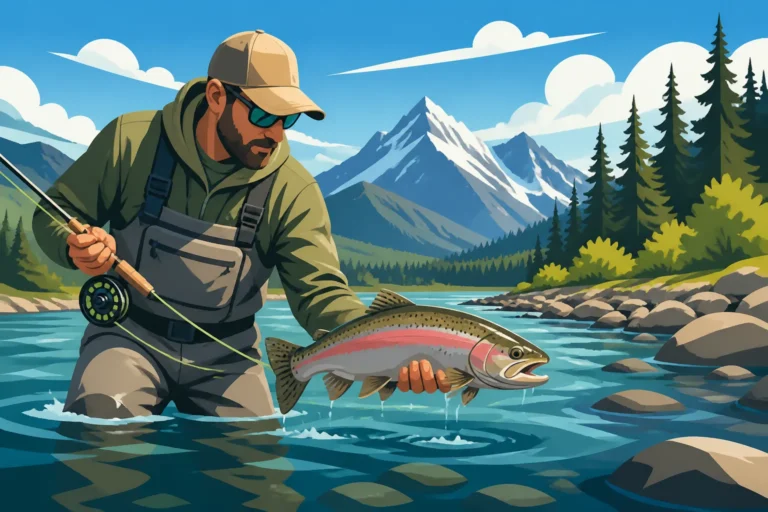
Imagine a fish that spends years growing strong in the vastness of the Pacific Ocean, returning to its freshwater birthplace with immense power and an almost unparalleled fighting spirit. That's the Skeena steelhead. These fish are renowned for their size, their brilliant silver flanks, and their incredible acrobatics once hooked. They embody the wild spirit of British Columbia, migrating hundreds of kilometers inland through some of the most stunning wilderness imaginable. The allure isn't just about catching a fish; it's about connecting with a truly wild, magnificent creature in its natural, untamed environment.
Many seasoned anglers will tell you that a Skeena steelhead on the end of your line is a different breed altogether. They pull harder, jump higher, and make longer runs than fish from almost anywhere else. This reputation is well-earned and continues to draw dedicated anglers from every corner of the globe who are eager to test their skills against these formidable opponents.
Unique Ecosystem and Fish Size
The Skeena River system is one of the largest and most pristine watersheds in British Columbia, stretching from its headwaters in the Skeena Mountains all the way to the Pacific Ocean near Prince Rupert. This immense and diverse ecosystem provides abundant, cold, clean water and rich food sources, which are crucial for steelhead to grow to exceptional sizes. The sheer scale of the river and its tributaries means there's a vast amount of suitable habitat, supporting healthy, robust populations.
This unique environment directly contributes to the size and strength of the fish. Unlike some systems where steelhead might be smaller or less aggressive due to habitat constraints or fishing pressure, the Skeena's vastness and relatively wild nature allow its steelhead to reach true trophy dimensions. Many anglers come here dreaming of a twenty-pound steelhead, a goal that is genuinely within reach on these waters, making it truly special.
The River System's Vastness
The Skeena isn't just one river; it's a sprawling network of major tributaries like the Bulkley, Kispiox, Babine, Morice, and many others, each with its own character and steelhead runs. This immense size, while contributing to its legendary status, also presents a significant challenge. Covering such a vast area to find fish, understand their movements, and navigate the ever-changing conditions requires an intimate knowledge that only comes from years on the water.
Trying to tackle the Skeena system without guidance would be like trying to find a needle in a haystack—a very beautiful, very powerful, and potentially dangerous haystack. Its sheer scale means that understanding where fish are holding, which runs are active, and what methods are effective at any given time is a full-time job. This is precisely where a guided trip becomes not just beneficial, but often absolutely essential for a successful and safe adventure.
What Makes a Guided Trip Essential on the Skeena
For a river system as complex and powerful as the Skeena, a guided trip isn't a luxury; it's often a necessity for a truly rewarding and safe experience. The benefits extend far beyond simply finding fish, encompassing safety, local knowledge, and access to prime water. It really is the difference between a frustrating search and an incredible fishing adventure.
Navigating Complex Waters
The Skeena River and its numerous tributaries are wild rivers, characterized by powerful currents, shifting gravel bars, hidden snags, and dynamic water levels. These conditions can change rapidly, posing significant navigational challenges and safety risks for anyone unfamiliar with the system. A seasoned Skeena guide has spent countless hours learning every eddy, seam, and obstacle. They know where it's safe to run a boat, where to wade, and more importantly, where not to.
Attempting to navigate these waters on your own without a deep understanding of the river's character can quickly turn a dream trip into a dangerous situation. Guides are equipped with appropriate boats, safety gear, and the crucial experience needed to keep you safe while getting you to the best fishing spots. They understand how different water levels impact access and fish movement, which is critical for a productive day.
Accessing Prime Fishing Zones
Much of the prime steelhead habitat on the Skeena and its tributaries is not easily accessible to the general public. It's often reached by jet boat through tricky currents, or by navigating remote logging roads that require specific vehicles and local knowledge. Without a guide, you might find yourself limited to overcrowded public access points, or worse, unable to reach the legendary stretches of water that the Skeena is famous for.
Guides have the permits, equipment, and local connections to access these exclusive or hard-to-reach areas. They know the private landowners who grant access, the specific channels to run to get upstream, and the remote trailheads that lead to untouched pools. This access means you spend more time fishing pristine water and less time searching or dealing with crowds, significantly increasing your chances of connecting with a trophy steelhead.
Expertise in Techniques and Conditions
Steelhead fishing, especially on a challenging system like the Skeena, requires a nuanced understanding of various techniques—from Spey casting with two-handed rods, to float fishing with indicators, or even conventional gear in certain situations. The most effective approach can change daily, even hourly, depending on water clarity, temperature, fish migration patterns, and weather. A good guide isn't just a boat driver; they are an invaluable mentor.
They know exactly what flies or baits are working, what depth to present them at, and how to read the water to identify prime holding lies. Guides can provide real-time instruction, refine your casting, and help you improve your overall steelhead angling skills. This expertise is critical not just for catching fish, but for truly understanding the art and science of steelhead fishing in one of the world's most iconic destinations.
Choosing the Right Guide and Outfitter
Selecting the right guide or outfitter for your Skeena steelhead adventure is arguably the most critical decision you'll make. It can literally make or break your trip, turning a potentially frustrating experience into the journey of a lifetime. Don't rush this process; do your homework and make an informed choice.
Experience and Reputation
When it comes to a river as formidable as the Skeena, experience truly matters. You want a guide who has spent decades, not just seasons, learning the river's intricate moods, its fish movements, and the specific techniques required for success. Look for guides who are established in the region, with a proven track record. Their knowledge isn't just about fishing; it's about safety, understanding local wildlife, and respecting the delicate ecosystem.
A guide's reputation often precedes them. Seek out outfitters with strong, consistent positive feedback. Platforms like FishingBooker can be an excellent resource for comparing guide services, reading angler reviews, and getting a sense of who stands out. Ask specific questions about their experience on the Skeena and its tributaries, how long they've been guiding steelhead, and what their philosophy on conservation is. A truly great guide will prioritize the experience and the fish's well-being above all else.
Permits and Safety
This is non-negotiable. Any legitimate guide operating on the Skeena River system must possess all the necessary federal and provincial permits and licenses. These aren't just bureaucratic hurdles; they ensure guides meet safety standards, carry proper insurance, and operate legally within designated areas. Don't be shy about asking to see proof of their credentials. An unpermitted guide not only puts your safety at risk but can also lead to legal trouble for you if caught fishing in regulated areas.
Beyond permits, inquire about their safety protocols. What kind of first aid training do they have? What safety equipment do they carry on their boat (life jackets, satellite phone, first aid kit, emergency shelter)? A reputable outfitter will have a comprehensive safety plan in place and will be transparent about it. After all, you're often heading into remote wilderness, and being prepared for any eventuality is paramount. This level of professionalism should extend to their boats and vehicles, ensuring they are well-maintained and reliable for the challenging terrain.
Client Testimonials and Referrals
Word-of-mouth and genuine client testimonials are incredibly powerful indicators of a guide's quality. Take the time to read reviews, not just on the outfitter's website, but on independent forums, social media, and booking platforms like FishingBooker. Look for detailed feedback that goes beyond "caught lots of fish" and delves into the guide's personality, teaching ability, knowledge of the river, and overall professionalism.
Don't hesitate to ask the outfitter for references from past clients, particularly those who have fished with them recently. Speaking directly with someone who has experienced a trip with that guide can provide invaluable insight into what to expect. Pay attention to how the guide handles challenging conditions or slow fishing days – a great guide will still ensure a positive experience, focusing on learning, conservation, and appreciation for the surroundings, even if the fish aren't biting aggressively.
Types of Guided Steelhead Trips Available
The Skeena River system offers a variety of ways to pursue steelhead, each with its own charm and benefits. Your choice will depend on your preferred fishing style, physical ability, and what kind of experience you're looking for. Understanding these options will help you match with the perfect guide and trip.
Drift Boat Trips
Drift boat trips are perhaps the most iconic way to fish the Skeena and its tributaries. These specialized, McKenzie-style boats are designed to float silently downriver, allowing anglers to cast to prime steelhead lies from a stable platform. The guide rows the boat, skillfully maneuvering it through rapids and around obstacles, positioning you perfectly for each cast into seams, riffles, and pools. This method offers a seamless blend of relaxation and intense fishing action.
Drift boat fishing is ideal for covering a lot of water and accessing runs that are difficult or impossible to reach on foot. It’s a fantastic way to experience the stunning scenery of the Skeena valley, with plenty of opportunities for both Spey casting and indicator nymphing. These trips are typically full-day adventures, often including a delicious shore lunch prepared by your guide, adding to the overall wilderness experience. They are perfect for anglers who enjoy a more active fishing style while still having the comfort and mobility of a boat.
Jet Boat Access Trips
For those looking to explore even more remote and untouched stretches of the Skeena's larger tributaries, jet boat access trips are an excellent option. Jet boats allow guides to quickly and efficiently travel upstream through shallow, braided channels and swift currents that would be inaccessible by drift boat or foot. Once at the desired location, anglers can then disembark and walk-and-wade specific runs or continue to fish from the boat.
These trips are often favored by anglers seeking truly wild, less-pressured fish and a more secluded wilderness experience. They open up vast sections of river, from the upper reaches of the Bulkley to the remote corners of the Kispiox. It’s important to note that while jet boats provide unparalleled access, they can be a bit louder than drift boats, but the trade-off is often worth it for the incredible fishing opportunities they unlock. Discuss with your guide how much time will be spent running the boat versus fishing on foot or drifting.
Walk-and-Wade Options
While much of the Skeena's vastness is best explored by boat, there are also excellent opportunities for walk-and-wade steelhead fishing, particularly on smaller tributaries or specific sections of the larger rivers. Some guides specialize in these trips, focusing on particular runs or "pocket water" where steelhead might hold. This approach offers a more intimate connection with the river, allowing you to carefully stalk fish and refine your casting in a more focused environment.
Walk-and-wade trips are physically more demanding, requiring good mobility and comfort with wading in strong currents, but they can be incredibly rewarding. Your guide will know the hidden gems – those hard-to-find spots that produce big fish. These trips are often chosen by experienced fly anglers who prefer the challenge and satisfaction of spotting and presenting a fly to a specific fish. Combining a day of walk-and-wade with a drift boat day can offer a well-rounded Skeena experience.
Preparing for Your Skeena Steelhead Adventure
A trip to the Skeena is an adventure, and like any good adventure, it requires thoughtful preparation. Being well-prepared not only enhances your chances of success but also ensures your comfort and safety in a remote, wild environment.
Gear Essentials and Packing
When packing for a Skeena steelhead trip, think layers and durability. British Columbia weather can be famously unpredictable, especially in the fall and spring steelhead seasons. You'll need high-quality waterproof and breathable outerwear (jacket and pants), warm insulating layers (fleece, down), and moisture-wicking base layers. Don't forget a warm hat, gloves, and quality polarized sunglasses for spotting fish and protecting your eyes. For footwear, durable wading boots with good ankle support are crucial, along with breathable waders. Your guide can advise on specific brands or types that perform best in Skeena conditions.
Most guides will provide rods, reels, and tackle, but if you prefer to bring your own, discuss this with them beforehand. For Spey casting, an 11-14 foot two-handed rod in weights 7-9 is typical. For single-handers, a 9-10 foot 8-weight rod is common. Ensure your reels have a strong drag and plenty of backing. Flies should be discussed with your guide, as patterns and sizes can vary significantly based on water conditions and time of year. Don't forget a camera to capture those unforgettable moments, and any personal medications. Need to double-check what the guide typically supplies? Resources like What Gear a BC Charter Provides can give you a general idea, but always confirm directly.
Physical Preparation
Steelhead fishing on the Skeena can be physically demanding. Whether you're Spey casting all day, wading through strong currents, or hiking along riverbanks, you'll be expending a fair amount of energy. Improving your physical fitness before the trip will significantly enhance your enjoyment and endurance on the water. Focus on core strength, leg strength, and cardiovascular fitness. Even simple activities like walking, hiking, or swimming can make a big difference.
If you're planning a walk-and-wade focused trip, practice wading in moving water if possible, or at least spend time walking on uneven terrain to prepare your ankles and balance. Casting practice, particularly with a two-handed rod if you're new to Spey casting, will also pay dividends. You don't need to be an athlete, but being in reasonable shape will allow you to fish harder and longer, increasing your chances of success and making the whole experience much more comfortable.
Booking Logistics
Booking your guided Skeena steelhead trip requires some advance planning, especially for prime dates during the peak fall and spring runs. Reputable guides often book up a year or more in advance. Start your research early, and once you've chosen a guide or outfitter, confirm dates, pricing, and deposit requirements. Many anglers use services like FishingBooker to compare guides, check availability, and read reviews, which can streamline the initial search process.
Beyond the guide, consider your travel arrangements. The main hub for the Skeena system is Terrace, British Columbia, which has an airport with regional connections. You'll need to arrange flights, accommodations before and after your fishing days, and transportation to meet your guide each morning. Some outfitters offer all-inclusive packages that cover lodging and meals, while others operate on a day-trip basis, requiring you to handle your own lodging. Don't forget to purchase your BC fishing license and any necessary conservation stamps well in advance. Check out BC Fishing Regulations Explained for detailed information on licensing.
Understanding Skeena River Regulations and Conservation
Fishing the Skeena is a privilege, and with that comes a responsibility to understand and adhere to the strict regulations designed to protect its precious steelhead populations. Conservation is paramount here, ensuring these magnificent fish continue to thrive for future generations.
Specific Steelhead Rules
The Skeena River system has some of the most stringent and complex fishing regulations in British Columbia, particularly concerning steelhead. These regulations are subject to change annually, and sometimes even in-season, based on stock assessments and conservation needs. Typically, steelhead fishing on the Skeena is catch-and-release only, especially for wild steelhead. There are also specific rules regarding gear, such as single barbless hooks, and restrictions on bait use in certain areas. Understanding these rules is critical, and your guide will be your best resource for staying compliant.
Always consult the most current BC Freshwater Fishing Regulations Synopsis or official fishery notices before and during your trip. These documents detail bag and possession limits, seasonal closures, specific gear restrictions for different river sections, and any special conservation measures in place. Your guide will be intimately familiar with these, but it's always good for you to be informed. The goal is to minimize stress on the fish and ensure their highest chance of survival after release. This is why techniques for safe handling and release are so important. You can learn more about specific regulations in articles like BC Freshwater Salmon Retention Rules and BC Steelhead Season Dates.
Conservation Efforts
The health of the Skeena's steelhead populations is a constant concern for anglers, guides, and conservation organizations. Decades of effort have gone into protecting and restoring habitat, monitoring stocks, and advocating for responsible management. Many guided operations actively participate in these conservation efforts, educating their clients about best practices for catch and release, habitat stewardship, and the importance of ethical angling.
Anglers also play a vital role. By supporting reputable guides who prioritize conservation, adhering to all regulations, and practicing careful catch-and-release techniques, you contribute directly to the long-term sustainability of this incredible fishery. Every steelhead released successfully means another fish that can spawn and contribute to future runs. Conservation surcharge stamps, such as the BC Steelhead Conservation Surcharge Stamp, are an example of how anglers directly contribute financially to these efforts.
Ethical Angling Practices
Beyond simply following the rules, ethical angling on the Skeena involves a deeper commitment to the well-being of the fish and the integrity of the environment. This means handling fish gently, minimizing their time out of the water, and ensuring a strong, healthy release. It also means respecting other anglers, private property, and the pristine wilderness you're fortunate enough to experience.
Your guide will instruct you on proper fish handling, but it's good to be prepared. Keep fish in the water as much as possible, use knotless, rubberized landing nets, and revive fish thoroughly before letting them go. Avoid "hero shots" that involve lifting large fish high out of the water for extended periods. Pack out all your trash, including discarded fishing line, and leave no trace of your presence. These practices ensure that the Skeena remains a world-class steelhead destination for generations to come, a true testament to the spirit of Steelhead Fishing in BC.
| Aspect | Drift Boat Trips | Jet Boat Access Trips | Walk-and-Wade Options |
|---|---|---|---|
| Coverage | Covers significant river mileage, drifting with current | Covers vast distances quickly, accessing remote areas | Focuses on specific runs, pockets, and tributaries |
| Accessibility | Good for accessible river sections, covers more water | Excellent for remote, hard-to-reach upstream areas | Best for smaller streams, specific river features |
| Physical Demands | Moderate (casting, standing in boat) | Moderate to High (running, wading remote stretches) | High (extensive wading, hiking, navigating currents) |
| Stealth | Very high (silent drift) | Moderate (jet engine noise) | Very high (silent approach on foot) |
| Typical Group Size | 1-2 anglers + guide | 2-3 anglers + guide | 1-2 anglers + guide |
| Experience | Comfortable, scenic, covers diverse water | Adventurous, remote, less pressured water | Intimate, focused, technical |
Disclaimer
This article is for general informational purposes only and does not constitute professional advice. Laws, prices and regulations vary by location and change over time. Consult a qualified professional for guidance on your specific situation.