Are Triploid Rainbow Trout Stocked in BC Lakes?
There's often a bit of confusion in the angling community about the types of fish being stocked in our beautiful British Columbia lakes. Many keen fishers wonder if those fast-growing, feisty rainbow trout they're catching are "regular" rainbows or something a little different. This guide is here to clear up the mystery surrounding triploid rainbow trout and whether these unique fish are part of the stocking programs that enhance our fantastic freshwater fishing opportunities across BC.
Understanding Triploid Rainbow Trout: What They Are and Why They're Special
When you hear the term "triploid," it might sound like something out of a science fiction movie, but in the world of fisheries management, it's a fascinating and increasingly common practice. These aren't genetically modified fish in the common sense, but rather a natural biological variation that's encouraged for specific reasons.
The Genetic Uniqueness of Triploid Trout
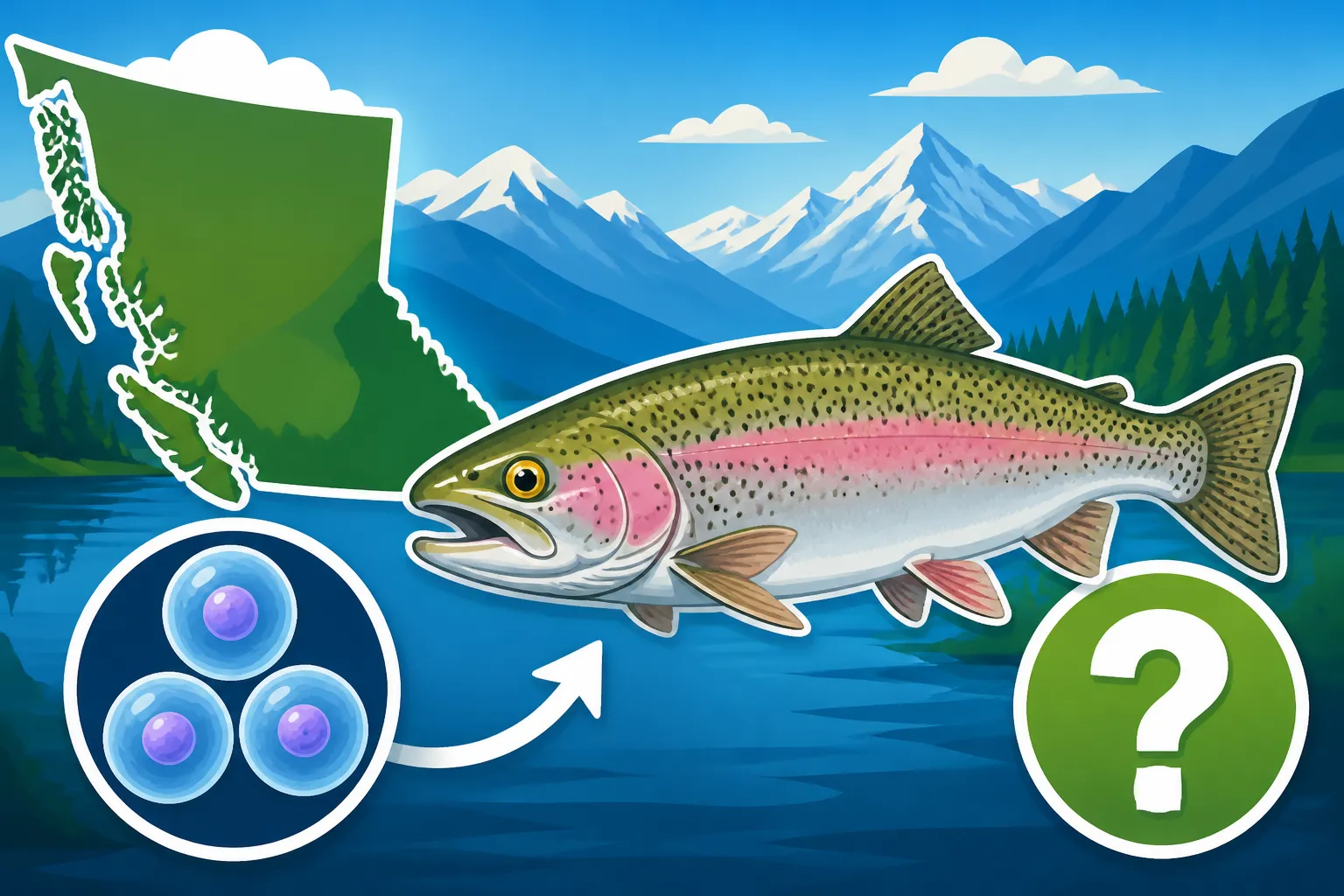
Normally, a rainbow trout, just like most animals, is diploid. This means its cells contain two complete sets of chromosomes – one set inherited from each parent. Think of it as having a pair of every instruction manual. A triploid rainbow trout, however, is an individual with three complete sets of chromosomes in its cells. This isn't something that happens naturally very often, but it can be induced in a hatchery setting through a specific process.
The most common method involves applying a heat or pressure shock to the trout eggs shortly after fertilization. This shock prevents the expulsion of a chromosome set during cell division, resulting in an embryo with three sets instead of the usual two. The key outcome of this triploid state is sterility. These fish are unable to reproduce, which has significant implications for fisheries management, as we'll discuss. From an angler's perspective, they look and act like any other rainbow trout, but their internal biology is quite different, leading to some desirable traits in a stocked fishery.
Why Fisheries Stock Triploid Rainbows in BC Lakes
So, why go to the trouble of producing triploid trout? It all comes down to enhancing the recreational fishing experience and managing fish populations responsibly.
First and foremost, because triploid trout are sterile, they don't expend energy on developing gonads or spawning. Instead, all that metabolic energy is redirected into somatic growth – meaning they grow faster and often achieve larger sizes than their diploid counterparts in the same amount of time. Imagine casting your line into a lake knowing there's a higher chance of hooking into a truly impressive rainbow; that's the appeal. These larger fish also tend to be robust and spirited fighters, adding to the thrill of the catch.
Another major benefit, particularly in certain environments, is environmental management. In some lakes, there might be concerns about stocked fish interbreeding with wild, native populations. By stocking sterile triploid trout, fisheries managers can introduce catchable fish for anglers without the risk of genetic dilution or competition for spawning grounds with indigenous species. This careful approach helps protect the genetic integrity of native fish while still providing abundant opportunities for recreational fishing. They can also live longer in the lake, providing a "put-grow-and-take" fishery that lasts longer throughout the season.
Identifying and Fishing for Triploid Trout in British Columbia
Catching a beautiful rainbow trout in a BC lake is always a treat, but knowing if it's a triploid can add another layer to your understanding of the fishery. While you can't tell simply by looking at them from a distance, there are some clues, and specific angling strategies can help you target these often larger, more aggressive fish.
How to Recognize a Stocked Triploid Rainbow
Visually, a triploid rainbow trout looks just like any other rainbow trout. You won't see three eyes or extra fins! However, many hatchery-reared fish, including triploids, often have a distinguishing mark: a fin clip. The adipose fin, a small fleshy fin located between the dorsal and caudal (tail) fins, is frequently clipped from hatchery fish before they are released. This serves as a clear indicator that the fish is of hatchery origin, whether it's diploid or triploid. While not every stocked triploid will have a fin clip, it's a common practice. Always refer to the BC Freshwater Fishing Regulations Synopsis for current rules and identification guidelines.
Beyond fin clips, there isn't a definitive external characteristic to identify a triploid trout on the water. Their growth rate is the main distinguishing factor. If you consistently catch particularly large rainbows from a lake known for stocking, there's a good chance some of those larger specimens could be triploids that have had extra time to grow. For absolute certainty, scientific analysis of tissue samples is required, which isn't practical for recreational anglers. However, for most of us, knowing they're out there and growing big is enough!
Strategies and Gear for Catching Triploid Trout
Since triploid trout often grow larger, your fishing strategies might adapt slightly to target these bigger fish. They're still rainbow trout at heart, meaning they respond well to a wide array of techniques, but focusing on larger baits, lures, and stronger tackle can improve your odds.
For stillwater fishing, trolling with a variety of spoons, plugs, or even gang trollers with worms can be very effective. Consider slightly larger profiles for your lures, especially if you're trying to entice a truly big fish. Fly fishing techniques like stripping large leeches, buggers, or even big chironomid patterns can also be highly successful. For those using bait, a larger worm or a substantial piece of roe can be irresistible.
Make sure your gear is up to the task! A medium-light to medium action rod with a strong backbone is usually ideal for handling larger trout. Spool your reel with good quality monofilament or fluorocarbon line, or even braided line with a fluorocarbon leader, to ensure you have the strength and abrasion resistance needed for a spirited fight. If you're looking to stock up on new lines, leaders, or even a specialized net capable of handling a big catch, online retailers like Amazon can be a convenient option to browse a wide selection. Don't forget a net with a rubberized mesh to protect the fish if you plan on practicing catch and release. Remember, the goal is often to enjoy the fight and, if regulations allow, take home some fantastic table fare.
The Freshwater Fisheries Society of BC's Role in Triploid Stocking
British Columbia is incredibly fortunate to have a dedicated organization like the Freshwater Fisheries Society of BC (FFSBC). They play an indispensable role in maintaining and enhancing the recreational freshwater fisheries that so many of us cherish. Their efforts are pivotal in making sure our lakes and rivers remain vibrant and productive.
Supporting BC's Recreational Fishery
The FFSBC is a non-profit organization that actively manages, conserves, and enhances freshwater fish populations and their habitats throughout the province. A significant part of their work involves their extensive fish culture program, which includes operating several hatcheries across BC. These hatcheries produce millions of fish annually, primarily rainbow trout, but also other species like kokanee and sometimes cutthroat trout, which are then released into lakes and ponds that support recreational angling.
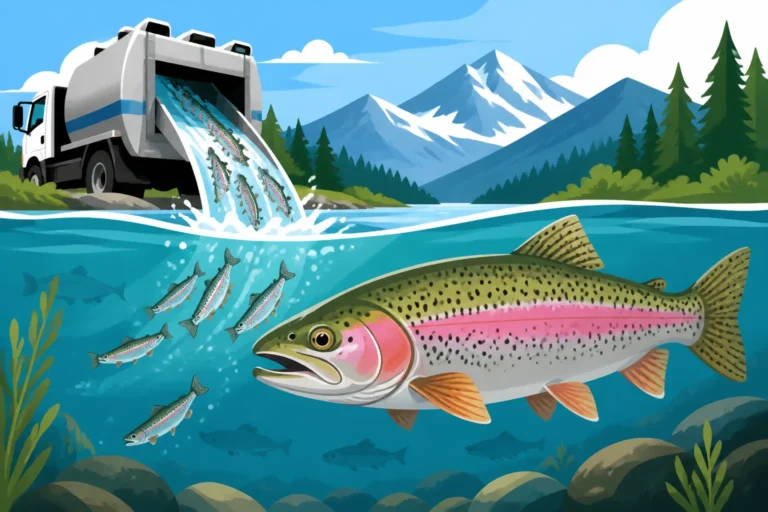
Yes, the FFSBC does stock triploid rainbow trout in many BC lakes. This is a deliberate and science-backed strategy to fulfill their mandate of providing diverse and high-quality angling opportunities. By stocking triploids, they can introduce fish that grow quickly, reach impressive sizes, and provide an exciting challenge for anglers, without the concern of these hatchery-bred fish interbreeding with wild populations. This means more fishing opportunities and the potential for trophy-sized fish in specific waters, all while helping to protect the genetic integrity of native strains in other areas. It's a fantastic balance between conservation and recreation.
Finding Information on Stocked Lakes and Species
One of the best resources for any angler in British Columbia is the FFSBC's website. They provide an incredible amount of information, including interactive maps and detailed lists of lakes they stock. This is where you can often find out which lakes receive triploid rainbow trout, along with other species and stocking dates. While specific real-time stocking numbers aren't typically given, the general stocking programs and the types of fish used (including triploids) are well-documented.
Additionally, local tackle shops, community fishing clubs, and even online fishing forums are great places to connect with other anglers and gain insights into local stocking efforts and fishing conditions. These communities often share anecdotal evidence and tips about which lakes are producing larger, likely triploid, fish. Always cross-reference this information with the official FFSBC resources and the BC Fishing Regulations Explained to ensure you're fishing legally and sustainably. Knowing which lakes are List of BC stocked trout lakes can give you a head start in planning your next trip.
Impact and Future of Triploid Stocking in BC Fishing
The decision to stock triploid rainbow trout is a careful one, weighing various factors to ensure the best outcomes for anglers and the aquatic environment. It's a strategy that has significant benefits, but also requires ongoing consideration.
Benefits and Considerations for Anglers and Ecosystems
For anglers, the benefits are clear: the potential for larger, harder-fighting fish and enhanced catch rates in stocked waters. Triploids offer a "grow-out" fishery, meaning they're stocked at a smaller size and allowed to grow in the lake over time, often for several years, before reaching trophy dimensions. This can extend the productive life of a stocked lake, providing a consistent angling experience. Imagine returning to your favourite local lake year after year, knowing those fish you caught last season are still there, just bigger!
From an ecological perspective, the primary consideration is the sterility of triploid fish. As mentioned, this prevents interbreeding with wild populations, which is especially critical in areas where native fish might be vulnerable. It also means that the stocked population is entirely dependent on human intervention for replenishment, allowing precise control over fish numbers and impacts on food resources within the lake. This helps ensure that the lakes don't become overpopulated by stocked fish, which could negatively impact other species.
However, it's not a one-size-fits-all solution. Fisheries managers must carefully select lakes suitable for triploid stocking, ensuring there's adequate food and habitat for these faster-growing fish. They also monitor the success of these programs, assessing angler satisfaction and any ecological changes. The practice of stocking, whether diploid or triploid, is part of a larger, dynamic management plan.
Planning Your Trip to a Triploid Stocked Lake
If the idea of hooking into a potentially trophy-sized rainbow trout excites you, then seeking out triploid-stocked lakes is a great strategy. Start by exploring the Freshwater Fisheries Society of BC's official website, specifically their "Fish Stocking Reports" or "Where to Fish" sections. These resources are invaluable for identifying lakes that historically or currently receive triploid rainbow trout. You'll often find details on the size and number of fish stocked, which can help you gauge the potential for a big catch.
When you've identified a promising lake, remember to check the BC Fishing Season Dates and Closures and specific regulations for that body of water. Some lakes might have specific gear restrictions or catch limits that differ from general regulations. As you prepare your tackle, consider the advice we discussed earlier: leaning towards slightly heavier gear and larger lure profiles can be advantageous. And don't forget the essentials! A good fishing vest, a reliable tackle box, and a quality pair of polarized sunglasses are always key for a successful day on the water. Many of these items, from specialized lures to durable outerwear, can be found with ease on platforms like Amazon, making preparation simple.
Ultimately, whether you're targeting a wild native trout or a robust, hatchery-reared triploid, the joy of fishing in British Columbia lies in the experience, the stunning scenery, and the satisfaction of a well-earned catch. Happy angling!
Disclaimer
This article is for general informational purposes only and does not constitute professional advice. Laws, prices and regulations vary by location and change over time. Consult a qualified professional for guidance on your specific situation.