What white sturgeon eat in the Fraser River
One of the great mysteries for many anglers hitting the mighty Fraser River is trying to figure out just what those colossal white sturgeon are munching on down in the depths. It can feel like a guessing game, trying to present the right offering to a fish that’s been around for millions of years. This guide will peel back the curtain on the white sturgeon's diet in the Fraser River, helping you understand their opportunistic appetites and how what they eat shifts with the seasons and their age, giving you a better chance to connect with one of BC's most iconic fish.
The Fraser River's Underwater Vacuum Cleaners: A Diverse Menu
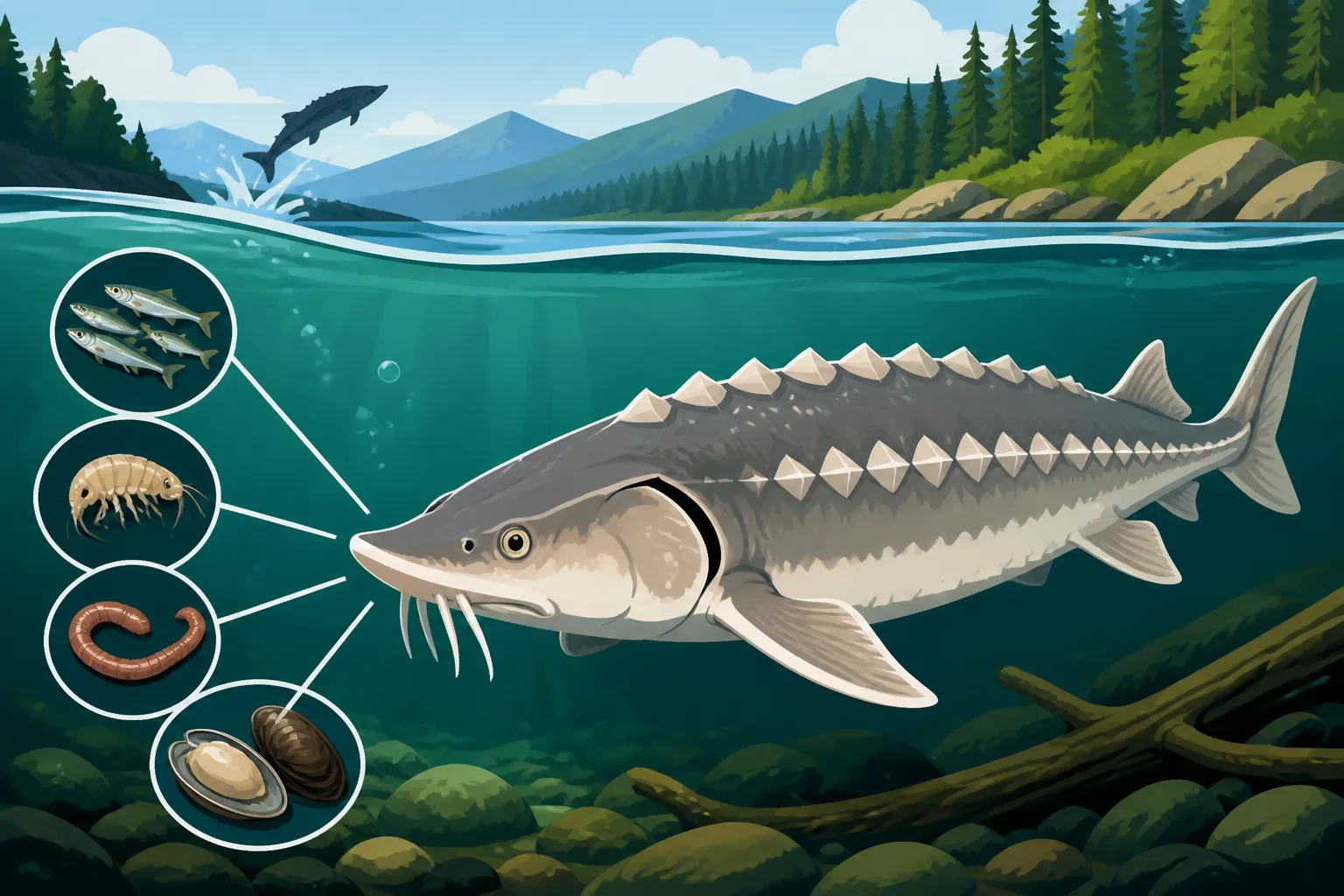
White sturgeon in the Fraser River are truly incredible creatures, not just for their size and longevity, but for their highly adaptable diet. They're primarily bottom feeders, equipped with a sensitive, toothless mouth that works like a vacuum and four barbels (whisker-like appendages) around their snout that they use to detect food by touch and smell on the riverbed. What they eat can be incredibly varied, shifting based on availability, season, and even their own size. Think of the Fraser as their giant grocery store, and sturgeon are always looking for the best deals on protein.
Key Forage Species
The bulk of a Fraser River white sturgeon's diet consists of other fish, particularly those that are abundant or easy targets. They're not particularly picky; if it's there and they can swallow it, it's fair game.
- Eulachon: These small, oily smelt-like fish are a massive seasonal food source. When eulachon return to the Fraser in the spring to spawn, they arrive in staggering numbers, providing a huge, easy-to-access calorie boost for the sturgeon. Anglers know this, and often eulachon is the prime bait when available.
- Salmon Carcasses and Fry: Salmon are another cornerstone of the sturgeon's diet, especially during and after the various salmon runs (Chinook, Coho, Sockeye, Pink, and Chum). Sturgeon are scavengers by nature, and they'll readily consume spawned-out salmon carcasses that drift downstream or settle on the bottom. But it’s not just dead fish; they'll also feast on salmon eggs and vulnerable fry, especially in areas where these young fish congregate before heading out to sea. This incredible opportunism is a testament to their survival instincts.
- Other Coarse Fish: Beyond the big seasonal runs, sturgeon will opportunistically feed on a variety of other fish species that live in the Fraser system year-round. This can include peamouth chub, squawfish (now northern pikeminnow), suckers, and even lamprey. These are often easier to catch than a healthy, actively swimming salmon, making them reliable protein sources.
Invertebrates and Other Aquatic Life
It's not all fish on the menu, especially for smaller sturgeon. While the giants are focused on substantial meals, their younger counterparts, and even large adults between fish runs, will supplement their diet with a range of invertebrates.
- Worms and Larvae: The river bottom is a bustling ecosystem, home to countless worms, insect larvae, and other small critters. Sturgeon, with their keen sense of smell and touch, are adept at rooting these out of the substrate. Imagine them nosing along the silty bottom, hoovering up anything that smells tasty.
- Shellfish and Crustaceans: In some areas, particularly where the Fraser tidally influences the estuary closer to the ocean, sturgeon may also consume small shellfish or crustaceans. While less common than a diet of fish, it shows their incredible adaptability to available food sources within their diverse habitat.
Dietary Shifts: Age, Season, and Opportunity
A white sturgeon's diet isn't static; it's a dynamic reflection of their life stage and the ever-changing bounty of the Fraser River. Understanding these shifts is crucial for successful angling and for appreciating the ecological role these magnificent fish play.
Juvenile Sturgeon Versus Mature Adults
Just like us, baby sturgeon don't start out eating a whole salmon. Their diet evolves dramatically as they grow from tiny hatchlings to massive adults.
- The Youngsters' Nibbles: When sturgeon are small, often referred to as juveniles, their mouths are much smaller, and their bodies require less energy than their adult counterparts. At this stage, they primarily feed on aquatic insects, worms, and tiny fish larvae. They're still bottom feeders, but their focus is on smaller, more manageable prey. They're honing their foraging skills, navigating the complex river bottom, and avoiding predators.
- The Big Guys' Big Meals: As sturgeon grow larger, their dietary preferences shift towards bigger, more energy-dense food items. Those 5-footers, 8-footers, and even the giants pushing over 10 feet need substantial calories to maintain their massive bodies. This is when the salmon carcasses, eulachon, and larger coarse fish become absolutely central to their diet. They become true apex predators of the river bottom, capable of engulfing surprisingly large pieces of food. If you're targeting a trophy sturgeon, you absolutely need to think big with your bait.
Seasonal Supermarkets: The Impact of Annual Runs
The Fraser River is famous for its incredible anadromous fish runs – fish that migrate from the ocean to spawn in freshwater. These migrations create seasonal feeding frenzies for white sturgeon.
- Spring Eulachon Feast: The spring eulachon run is a monumental event for sturgeon. These oily fish arrive in vast numbers, and for a period, they represent an almost unlimited food supply. Sturgeon gorge themselves, building up reserves. Anglers often find that eulachon are an irresistible bait during this time, and sometimes for a while after the run as leftover carcasses are still available.
- Summer and Fall Salmon Buffet: From late summer through fall, the various species of Pacific salmon return to the Fraser. As these salmon spawn and eventually die, their nutrient-rich carcasses become a critical food source. Sturgeon will stage in deeper pools and runs, patiently waiting for the current to deliver a protein-packed meal. It's an essential part of the river's ecosystem, as the sturgeon help recycle these nutrients. Targeting sturgeon during these runs often involves using fresh salmon roe, pieces of salmon, or even whole salmon heads if allowed and practical. For instance, sometimes a specific type of roe might be found on Amazon if your local bait shop is out.
- Winter's Leaner Times: When the seasonal runs subside, sturgeon revert to a more varied diet of resident coarse fish and invertebrates. They might be less active in colder water, conserving energy, but they still need to eat. This is when understanding their general diet, rather than just seasonal specialties, becomes more important for anglers. They might be found holding in deeper, slower pools, waiting for an easy meal to drift by.
Understanding Sturgeon Feeding Behavior and Habitat
To truly appreciate what white sturgeon eat, you also need to understand how and where they feed. Their unique anatomy and preference for certain river structures dictate their foraging strategy. They're not chasing bait like a salmon; they're patiently waiting or slowly patrolling.
Bottom Dwellers and Opportunistic Scavengers
White sturgeon are built for life on the bottom. Their flattened underside and subterminal (underneath) mouth are perfect for suctioning up food from the riverbed. They are classic opportunistic feeders, meaning they'll eat whatever is most readily available and easiest to acquire.
- Sensory Acuity: Their barbels are incredible sensory organs, packed with chemoreceptors (like taste buds) and mechanoreceptors (for touch). They sweep these barbels along the bottom, detecting the scent and presence of food in murky water where visibility is low. This means a strong-smelling bait is often more effective than a visually appealing one. Think about how a dog uses its nose – sturgeon are similar underwater.
- No Teeth, No Problem: The lack of teeth might seem like a disadvantage for such a large predator, but it simply means they're not biting and tearing. Instead, they gulp or vacuum their food whole. This is why fresh, soft baits are often so effective – they're easy for a sturgeon to suck into its mouth. Trying to use a hard, resistant bait might lead to missed bites.
Prime Feeding Zones in the Fraser
Sturgeon don't just hang out anywhere; they have preferred habitats that offer both cover and a steady supply of food. Knowing these spots can significantly increase your chances of finding them.
- Deep Holes and Channels: These are classic sturgeon haunts. Deep holes offer refuge from strong currents and give sturgeon a place to wait for food to drift down to them. They'll conserve energy here and emerge to feed.
- Eddy Lines and Current Breaks: Where fast current meets slower water, or where the river bends and creates an eddy, food often collects. These current breaks are prime spots for sturgeon to ambush drifting food or scavenge items that have settled out of the main flow. Debris, and crucially, dead fish or fish parts, tend to accumulate in these areas.
- Confluence Zones: The mouths of tributary rivers flowing into the Fraser can be hotspots. These areas often bring in fresh food sources, and the mixing currents create natural holding and feeding areas for sturgeon. For example, the confluence of the Harrison River with the Fraser can be particularly productive during salmon runs.
- Gravel Bars and Sand Flats: While often associated with faster-moving water, the edges of gravel bars and sand flats where they drop into deeper channels can be excellent feeding grounds. Invertebrates might be more abundant here, and currents can deposit small fish.
Connecting the Diet to Your Tackle Box: Bait Selection for Anglers
Now that we've dug into what white sturgeon eat, let's translate that knowledge into practical advice for your next fishing trip. The key takeaway is: fresh, natural, and smelly is usually best. Don't be afraid to experiment, but always start with what you know they're naturally feeding on.
The Best Baits Mirror Their Natural Food
The most effective baits are those that closely mimic the sturgeon's natural diet, both in terms of scent and texture.
- Eulachon: If you can get your hands on fresh eulachon, especially during the spring run, it's often considered the gold standard for Fraser River sturgeon bait. They are oily and incredibly smelly, exactly what a sturgeon's barbels are designed to detect.
- Salmon Parts: Pieces of fresh salmon, particularly the belly meat, roe, or even full salmon heads (check regulations on what's allowed and ethical for your specific area and time of year!) are fantastic, especially during or after salmon runs. The strong scent and oily nature of salmon are highly attractive. Using a good, strong leader and hook is paramount, you can usually find these robust setups on Amazon.
- Lamprey: Pacific lamprey, when available, are another highly effective bait. They are naturally found in the Fraser and are a legitimate part of the sturgeon's diet. Their serpentine shape and strong scent make them very appealing.
- Other Coarse Fish: Freshly caught coarse fish like suckers or peamouth chub, cut into chunks or used whole (again, check local regulations for baitfish use), can be excellent producers, particularly when salmon or eulachon aren't running. These are often easier to obtain year-round.
| Food Source | Primary Season | Angler's Bait Choice | Why It Works |
|---|---|---|---|
| Eulachon (Thaleichthys pacificus) | Spring | Fresh eulachon (whole or cut) | Extremely oily, strong scent, natural food |
| Salmon Carcasses/Eggs | Summer/Fall | Salmon roe, salmon belly, salmon heads | High protein, oily, natural during runs |
| Lamprey | Year-round | Whole lamprey, lamprey sections | Natural predator, strong scent |
| Other Coarse Fish (Chub, Sucker) | Year-round | Fresh cut bait from local coarse fish | Readily available, natural food source |
| Aquatic Invertebrates | Year-round | Worms (less common for large sturgeon) | Good for smaller sturgeon, general foraging |
Presentation is Key: Getting Your Bait in the Zone
It's not enough to have the right bait; you need to present it effectively. Remember, sturgeon are bottom feeders.
- Bottom Rigs: Heavy weights are essential to keep your bait anchored on the bottom, even in strong Fraser River currents. A sliding sinker rig, often called a Carolina rig, allows the sturgeon to pick up the bait without immediately feeling the resistance of the weight. You can find robust sturgeon-specific tackle and weights on sites like Amazon.
- Freshness and Scent: Always use the freshest bait possible. A strong, natural scent trail is what truly attracts a sturgeon. Some anglers will even "juice up" their bait with commercial fish attractants, though fresh is always preferable.
- Patience and Persistence: Sturgeon fishing is not a finesse game. Once your bait is in a prime location, it's often a waiting game. These fish are ancient and patient, and so must you be. Don't be afraid to leave your bait out for extended periods in known sturgeon holding areas. If you're wondering how long to wait, consider reading How to Catch Sturgeon on the Fraser River.
- Hook Selection: Use large, strong, sharp hooks appropriate for the size of bait and fish you're targeting. Barbless hooks are usually mandatory for sturgeon to facilitate easy Sturgeon catch and release survival tips, which is critical for the conservation of this species.
Beyond the Bait: Conservation and the Fraser River Sturgeon
Understanding what white sturgeon eat isn't just about catching them; it's about appreciating their vital role in the Fraser River ecosystem and ensuring their continued survival. They are an ancient, vulnerable species, and their diet is intrinsically linked to the health of the entire river system. If you want to know more about the incredible fish of the Fraser, you might find White Sturgeon Habits on the Fraser River to be a fascinating read.
Ecological Importance
Sturgeon are often referred to as the "garbage disposals" of the river. By consuming dead salmon and other decaying matter, they play a crucial role in nutrient recycling, helping to keep the river clean and healthy. Without them, carcasses would accumulate more rapidly, potentially impacting water quality and other species. Their presence is a sign of a relatively healthy river system, a magnificent testament to their resilience. It’s a delicate balance, and we're all part of ensuring it stays that way.
The Need for Responsible Angling
Because of their slow growth rate and late maturity, white sturgeon populations are sensitive to overfishing and habitat degradation. That's why catch-and-release fishing is mandatory for white sturgeon in British Columbia, and anglers are encouraged to follow best practices for handling these magnificent fish to ensure their survival. Learning about their diet helps us choose effective, but also appropriate, baits that minimize harm and maximize the chance of a healthy release. Remember to also check current fishing regulations, which you can often find details about in a guide like British Columbia Fishing License Guide for 2026.
The Fraser River is a truly special place, home to these living dinosaurs. By understanding what white sturgeon eat, we not only become better anglers but also more informed stewards of this incredible natural resource. If you're planning a trip, exploring resources like the Fraser River Fishing Guide can give you even more insights into the river's dynamic ecosystem.
Disclaimer
This article is for general informational purposes only and does not constitute professional advice. Laws, prices and regulations vary by location and change over time. Consult a qualified professional for guidance on your specific situation.