Burbot in Northern BC Lakes
There's a quiet mystery lurking beneath the frozen surfaces and deep waters of British Columbia's northern lakes, a fish often overlooked but highly prized by those in the know: the burbot. If you've ever felt the chill of a northern winter evening or the pull of a deep-water bite and wondered what else is out there beyond the usual trout and salmon, you're not alone. This guide is here to pull back the curtain on this incredible freshwater cod, offering everything you need to know about finding, catching, and appreciating burbot in BC's vast and wild northern regions.
Unmasking the Burbot: The Freshwater Cod of Northern BC
Ah, the burbot! When I first moved to Northern BC, I heard whispers of this elusive fish, often called "poor man's lobster" or "freshwater cod." It sparked my curiosity immediately. Unlike many of our more glamorous salmon and trout species, the burbot has a certain rugged, understated charm. They're built for the cold, thrive in the deep, and offer a unique angling experience that's truly worth seeking out.
What Exactly is a Burbot and Why Do They Live Here?
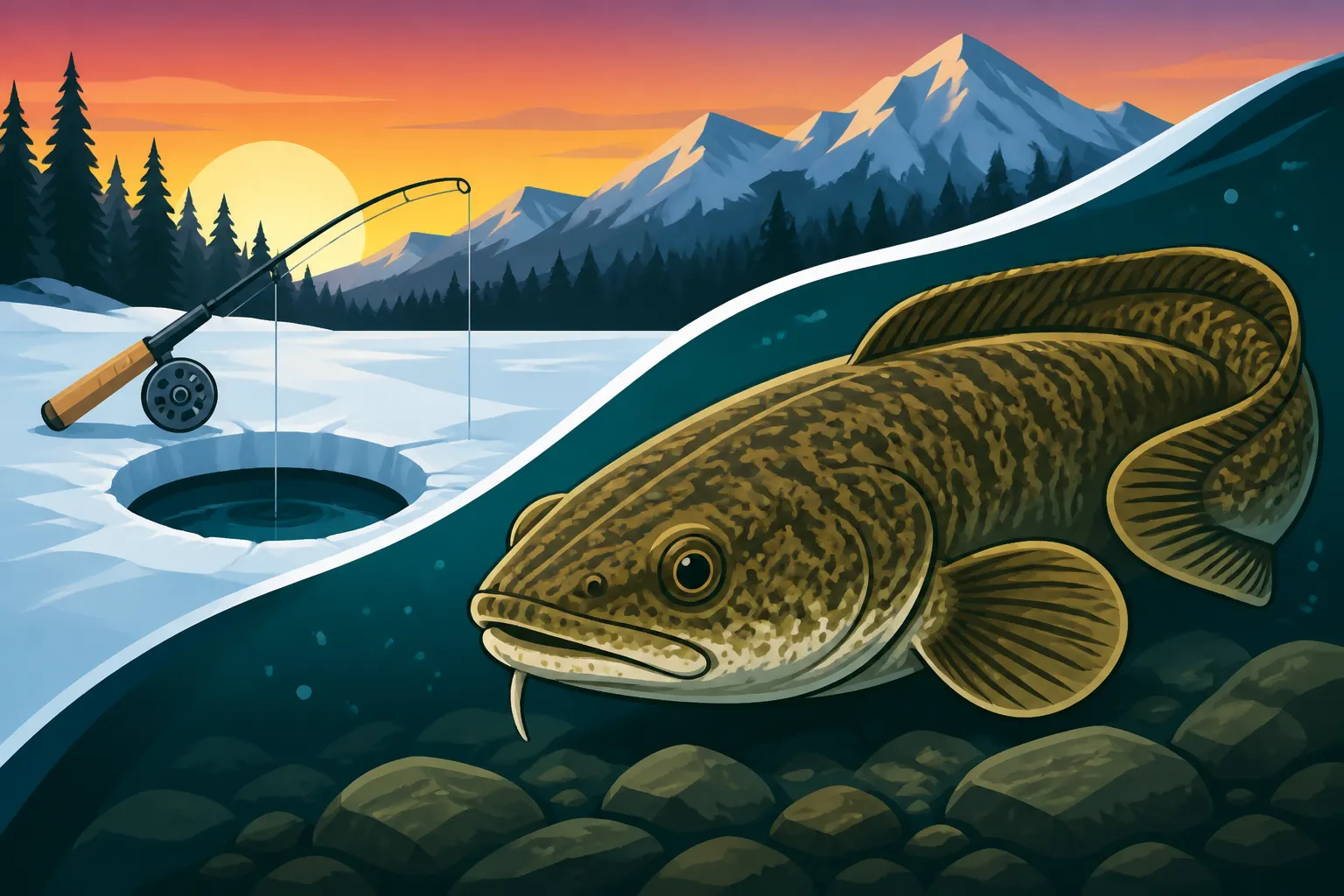
Imagine a fish that looks like a cross between an eel and a cod, with a single, prominent barbel on its chin – that's your burbot! Scientifically known as Lota lota, it's the only freshwater member of the cod family (Gadidae) found in North America. They're perfectly adapted to the cold, often frigid, waters of Northern British Columbia, preferring deep, dark environments where they can ambush prey. Their mottled, camouflaged skin helps them blend seamlessly with rocky or silty lakebeds, making them masters of disguise in their natural habitat.
These fish are cold-blooded to the extreme, thriving in water temperatures that would send most other species packing. Their elongated, snake-like bodies and small, soft-rayed fins allow them to navigate tight spaces and burrow into substrate. It’s this unique adaptation to the deep, chilly corners of our northern lakes that makes them such a fascinating species to target. They’re not flashy, but they are incredibly resilient.
Burbot vs. Lingcod: Dispelling Common Confusions
It's a common misconception, especially among anglers less familiar with both species, to confuse burbot with lingcod. I've heard it many times! While both share that "cod" family resemblance and possess similar elongated bodies and somewhat menacing appearances, they are fundamentally different. Lingcod, Ophiodon elongatus, are exclusively saltwater fish, residing in the rocky reefs and kelp forests of BC's coast. They are formidable predators with large mouths and sharp teeth.
Burbot, on the other hand, are strictly freshwater inhabitants. You'll never catch a lingcod in Williston Lake, nor a burbot off the coast of Tofino. Their habitats are distinct, even though their general body shape might trick a novice eye. The key giveaway for a burbot is that single chin barbel and their predominantly mottled brown and yellow coloration, a stark contrast to the often green-brown, more angular look of a lingcod. Knowing the difference is important, not just for identification, but for understanding their distinct behaviours and preferred environments.
Their Role in the Northern Ecosystem
Burbot play a vital, if often unseen, role in the aquatic ecosystems of Northern BC. They are opportunistic predators, often feeding at night on a variety of prey including smaller fish like kokanee, whitefish, and trout, as well as insects, crustaceans, and even other burbot. Essentially, if it fits in their mouth and moves, it's fair game! This predatory behaviour helps regulate populations of other species, contributing to the overall health and balance of the lake.
Their presence also signifies a healthy, cold-water environment. As a species that prefers deep, oxygen-rich, and cool waters, their thriving populations are often an indicator of good water quality. While they might not be as well-known as their salmonid counterparts, their contribution to the food web and ecosystem stability is immense. They are truly one of the unsung heroes of Northern BC's aquatic landscape. For a broader look at the fish species that populate our waters, you might want to check out our Fish Species Identification Guide for BC.
Where to Find Burbot: Key Northern BC Lakes and Habitats
Finding burbot isn't always as simple as casting a line into any old lake. These are creatures of habit and specific preferences. The vastness of Northern BC offers incredible opportunities, but knowing where to start is half the battle. Think deep, cold, and often remote. That's where the magic happens.
Premier Burbot Destinations
Northern British Columbia is a wild, beautiful place, and it holds some of the best burbot fishing opportunities in the province. When people talk about trophy burbot, these are the kinds of places that often come up.
- Williston Lake: This massive, sprawling reservoir, created by the W.A.C. Bennett Dam, is a burbot paradise. Its sheer size and depth offer endless habitat. Anglers often report impressive catches here, particularly during the ice fishing season. The deep, often silty bottoms and numerous submerged structures provide perfect hiding spots.
- Babine Lake: As the longest natural lake in BC, Babine is another prime location. It’s renowned for its robust fish populations, including some truly monstrous burbot. Its immense size means plenty of unexplored territory and deep sections where burbot can thrive undisturbed.
- Stuart Lake: Located near Fort St. James, Stuart Lake is known for its relatively shallow but extensive productive areas, and it certainly holds its share of burbot. Its numerous bays and inlets, combined with deep channels, create ideal conditions.
- Kootenay Lake: While not strictly "Northern BC" in the same vein as Williston or Babine, the deeper, colder sections of Kootenay Lake in the interior also support healthy burbot populations, particularly the north arm. If you’re looking for a comparison of our fantastic lakes, you might find our guide to the Best Fishing Lakes in British Columbia useful.
These lakes aren't just names on a map; they are complex ecosystems, and understanding their unique characteristics will significantly boost your success rate.
Ideal Burbot Habitat: Understanding Their Hideouts
Burbot aren't ones for sunbathing in the shallows. They are true bottom-dwellers, which is why knowing their preferred haunts is so crucial. Generally, you're looking for:
- Deep Water: Anywhere from 30 to 100+ feet is a good starting point. They feel secure in the depths, where light penetration is minimal and water temperatures remain consistently cold.
- Soft Bottoms: While they'll certainly use rocky areas, burbot often prefer soft, silty, or muddy bottoms where they can burrow and hide, waiting for prey. These areas also tend to hold a lot of benthic (bottom-dwelling) invertebrates, which are part of their diet.
- Structure: Think submerged logs, rock piles, drop-offs, and even old river channels if you're fishing a reservoir like Williston Lake. Any feature that provides cover, current breaks, and ambush points will attract burbot. They are not chasing fish in open water; they are waiting for dinner to swim by.
- Access to Food: Wherever the burbot's prey congregates, you'll likely find burbot. This could be near schools of kokanee or whitefish, or areas rich in insect larvae.
When you're out on the ice or in a boat, use your fish finder to scout for these features. Look for significant depth changes, humps, and areas where the bottom appears softer or has structure. Best Burbot Lakes in Northern BC covers this in more detail.
Seasonal Movements and How They Impact Location
Like many fish, burbot have distinct seasonal patterns, though their movements are more dictated by temperature and spawning than by chasing surface insects.
- Winter (Ice Fishing Season): This is prime time for burbot. As the ice forms and temperatures plummet, burbot become highly active, especially in shallower areas of their typical deep-water haunts. They move into shallower bays, around points, and near tributary mouths as they prepare for and engage in spawning. This makes them more accessible to ice anglers.
- Spring/Summer: After spawning, burbot retreat to deeper, cooler waters to escape the warming surface temperatures. They'll still be around structure and deep channels, but they'll be harder to locate and generally less active during the day. Night fishing becomes more effective as they ascend into slightly shallower feeding grounds under the cover of darkness.
- Fall: As water temperatures begin to drop again, burbot become more active in preparation for winter and their spawning ritual. They might be found a bit shallower than in mid-summer, but still prefer the comfort of depth.
Understanding these movements is crucial for success. If you're heading out in July, don't expect them in the same spots you found them under the ice in February! Always check the BC Fishing Season Dates and Closures for the specific lake you plan to fish, as regulations can change.
The Best Times to Target Burbot: Unlocking Their Secrets
Timing is everything when it comes to burbot fishing. These fish aren't always cooperative, but if you hit the right window, you can have some truly unforgettable experiences. Forget the bright sunny afternoons; burbot prefer the cloak of darkness and the chill of winter.
Prime Winter Ice Fishing Season
Hands down, winter is the absolute best time to target burbot in Northern BC. There's something incredibly satisfying about setting up on a frozen lake, drilling holes, and pulling up these unique creatures from the icy depths.
- Accessibility: Ice fishing makes many otherwise inaccessible deep-water haunts available from shore or with relatively easy travel across the ice. You can walk right over spots that would require a substantial boat and downriggers in open water.
- Activity Levels: Burbot are extremely active under the ice. As mentioned, they move into shallower areas (still relatively deep, but more accessible, say 15-40 feet) to feed aggressively and eventually to spawn. This increased activity means a better chance of a bite.
- Timing: The peak burbot season typically runs from late December through to late March, or even April in some of the most northern regions, depending on ice conditions. Always prioritize safety! Before you venture out, definitely read up on How Thick Ice Needs to Be to Fish Safely in BC. Safety first, always.
Many anglers make entire winter trips centered around burbot, and for good reason. It's a fantastic way to enjoy the tranquil beauty of a frozen lake while targeting a delicious and challenging species.
Night Owls: Why Darkness is Your Friend
Burbot are overwhelmingly nocturnal feeders. While you can catch them during the day, especially under the ice, your chances of success skyrocket after sunset.
- Natural Instincts: In their deep, often dark habitats, burbot are naturally accustomed to low light conditions. At night, they feel safer to venture into slightly shallower feeding grounds, and their prey becomes more active.
- Sensory Advantage: Burbot have excellent low-light vision and highly developed chemoreceptors (like taste buds) along their barbels and fins. These senses are perfectly suited for hunting in the dark, allowing them to detect subtle scents and movements that might go unnoticed by other species.
- The Experience: There's a certain magic to night fishing for burbot. The silence of the northern wilderness, the stars overhead, and the anticipation of a strong bite create a unique and memorable angling experience. Just remember to bring plenty of warm clothing, good headlamps, and perhaps a portable shelter if you're ice fishing.
Don't let the thought of fishing in the dark deter you; embrace it! It's when the burbot truly come alive.
Understanding Spawning Season and Closures
Like all fish species, burbot have specific spawning periods, and it’s crucial for anglers to be aware of them. Burbot typically spawn in late winter, usually from January through March, often under the ice. They don't build nests; instead, they release eggs over sandy or gravelly bottoms in relatively shallow (but still deep enough to be under the ice) areas.
- Conservation: Understanding the spawning season is vital for conservation. While there are often specific regulations regarding bag and possession limits for various species, sometimes there are also temporary closures or specific rules during spawning to protect breeding fish.
- Regulations: Always, always check the current BC Freshwater Fishing Regulations Synopsis for the specific region and lake you plan to fish. Regulations are subject to change, and what's legal in one lake might be prohibited in another. Familiarize yourself with BC Fishing Regulations Explained before every trip. Responsible angling ensures that these incredible fisheries remain healthy for generations to come.
Gear and Techniques for Northern BC Burbot
Alright, let's talk tackle! While burbot aren't notoriously picky once you find them, having the right gear and techniques will make your experience much more enjoyable and successful. You don't need highly specialized, expensive equipment, but robustness and reliability are key.
Essential Tackle: Rods, Reels, and Lines for Burbot
Burbot can grow surprisingly large, and they put up a good fight, especially from deep water. You'll want tackle that can handle the cold, the depth, and a feisty fish.
- Rods: For ice fishing, a medium-heavy to heavy ice rod, around 30-48 inches in length, with a sensitive tip but plenty of backbone, is ideal. This allows you to detect subtle bites while having the power to lift a heavy fish. For open water boat fishing, a medium-heavy spinning or baitcasting rod, 6-7 feet long, with a strong tip action, will serve you well.
- Reels: A sturdy spinning reel in the 3000-4000 series, or a baitcasting reel designed for heavier lines, is perfect. Ensure it has a smooth drag system, which is crucial for fighting larger fish from depth. You can find many reliable options on
Amazonthat won't break the bank. - Lines: Braided line in the 20-30 lb test range is excellent for burbot. It has minimal stretch, which means better bite detection in deep water, and superior strength-to-diameter ratio. Pair it with a fluorocarbon leader (15-20 lb test) of a few feet. Fluorocarbon is less visible underwater and more abrasion-resistant, which is handy if you're fishing around structure. For those who prefer mono, a good quality 15-20 lb monofilament will also work.
Remember, fishing in cold conditions can be tough on gear, so choose components that are built to last.
Baits and Lures That Drive Them Wild
Burbot are primarily scent-oriented predators, especially in the dark depths. This means bait often outperforms artificial lures, though glowing jigs can be incredibly effective too.
- Cut Bait is King: Freshly cut pieces of oily fish are a burbot's weakness. Popular choices include herring, smelt, sardine, or even pieces of whitefish if allowed by regulations. The oilier the better, as the scent trail is what truly draws them in. A 1-2 inch strip or chunk is usually sufficient. You can find pre-packaged baits on
Amazonif you don't have access to fresh. - Glow Jigs and Spoons: In combination with bait, glow-in-the-dark jigs or spoons are incredibly effective. The glow attracts them from a distance, and the scent seals the deal. Sizes from 1/2 oz to 1 oz are common. Tip these jigs with a piece of cut bait. Rattle jigs can also add an extra dimension of attraction.
- Scented Baits: Some anglers swear by artificial scent enhancers applied to their baits or jigs. These can provide an extra burst of attractant that helps draw burbot in, particularly if the current is slow.
- Deadbait Rigs: For ice fishing, a simple deadbait rig suspended off the bottom is often deadly. A weight at the bottom, a swivel, and a leader with a single hook (size 1/0 to 3/0, depending on bait size) are all you need. Place your bait just a few inches to a foot off the bottom.
Experiment with different baits and scents, but always start with a good piece of cut bait on a glow jig.
Mastering the Art of Burbot Fishing
Catching burbot isn't overly complicated, but a few techniques will significantly increase your success.
- Active Jigging vs. Passive Soaking: While actively jigging a lure can attract attention, burbot often prefer a more passive approach. Often, simply letting your bait sit on or just above the bottom, occasionally twitching it, is all that's needed. When ice fishing, many anglers use multiple rods (within legal limits for the area, of course!) with some actively jigged and others soaking bait.
- "Pounding" the Bottom: A common and effective technique, especially with glow jigs, is to repeatedly lift and drop your lure, letting it hit the bottom hard. This stirs up sediment, creates noise, and mimics a feeding fish, often attracting curious burbot. Let it sit for a few seconds after "pounding" before lifting again.
- Sensitivity and Patience: Burbot bites can be subtle. Sometimes it's a gentle tap, other times a slow, steady pull. Don't expect aggressive strikes. Watch your rod tip closely, and when you feel anything unusual, set the hook! Patience, especially during those long northern nights, is definitely a virtue.
- Knowing Your Depth: Pay attention to the depths where you're getting bites. If you catch one at 40 feet, odds are there are more in that same depth range. Use your electronics to mark fish and structure.
For those curious about other cold-water species, you might be interested in How to Catch Steelhead in BC, as some rivers might have burbot in deeper pools.
Regulations and Conservation for Burbot in BC
Fishing for burbot, like any species in British Columbia, comes with its own set of rules and a strong emphasis on conservation. It's not just about catching fish; it's about ensuring sustainable fisheries for everyone, now and in the future.
Key Regulations and Limits
British Columbia's fishing regulations are designed to manage fish populations and protect sensitive ecosystems. For burbot, this typically includes:
- Bag and Possession Limits: There will be specific limits on how many burbot you can catch in a single day (bag limit) and how many you can have in your possession, including at home (possession limit). These vary by region and sometimes by specific lake, so you absolutely must consult the current BC Freshwater Fishing Regulations Synopsis for the specific Management Region you are fishing in. For a general overview, you can check out BC Bag and Possession Limits by Species.
- Size Restrictions: While less common for burbot than for some other species, there might be minimum or maximum size limits in certain areas, meaning you can only retain fish within a specific length range.
- Gear Restrictions: Certain types of gear might be prohibited. For example, some areas might have restrictions on the number of lines you can use, or the use of barbed hooks.
- Time of Year Restrictions: Although winter is generally prime time, always double-check for any specific closures related to burbot spawning or other conservation efforts in the lake you plan to visit.
Ignoring these rules isn't just irresponsible; it can lead to hefty fines and loss of your fishing privileges. Nobody wants to be caught Fishing Without a License in BC: Penalties, and certainly not for violating species-specific rules.
Responsible Angling Practices for Burbot
Beyond just following the rules, truly responsible angling means actively working to minimize your impact and ensure the health of the burbot population.
- Minimize Stress on Released Fish: If you're practicing catch and release, handle burbot carefully. Their slimy skin is a protective layer, so try to keep them in the water as much as possible, or use wet hands if you must handle them. Support their body weight, especially if they are large, and release them gently headfirst back into the water.
- Proper Gear: Use appropriately sized hooks that are easy to remove. Barbless hooks are highly recommended as they cause less damage, particularly if a fish is deeply hooked. You can crimp down barbs on most hooks with a pair of pliers.
- Leave No Trace: Pack out everything you pack in. This includes all your trash, broken fishing line, and any discarded bait. Our northern lakes are pristine, and it's up to us to keep them that way.
- Know Your Limits: Don't just adhere to the legal limits; consider self-imposing stricter limits, especially if you're keeping fish for the table. Just because you can keep a certain number doesn't mean you should every time.
These practices ensure that the burbot fishery remains robust and enjoyable for generations of anglers to come.
Why Burbot Conservation Matters
Burbot are often described as "bottom-feeders," but they are a fascinating and vital part of our freshwater ecosystems. Conserving their populations is important for several reasons:
- Ecological Balance: As predators, burbot help maintain the balance of prey species in the lakes. A healthy burbot population is an indicator of a thriving ecosystem.
- Genetic Diversity: Each native fish species contributes to the overall genetic diversity of BC's aquatic life. Losing burbot or seeing their numbers drastically decline would be a significant loss.
- Angling Opportunity: For many, burbot fishing, particularly ice fishing, is a cherished winter tradition. Protecting their numbers ensures this unique angling opportunity continues to exist. They represent a different kind of challenge and reward compared to trout or salmon.
- Food Source: As you'll see in the next section, burbot are an excellent table fish, providing a sustainable food source for those who choose to harvest them responsibly.
By understanding and respecting the regulations, and adopting responsible angling practices, we all contribute to the long-term health and vitality of burbot populations in Northern BC lakes. You can learn more about general conservation efforts by reviewing BC Freshwater vs Tidal Waters License, Explained and other regulatory guides.
Preparing Your Catch: Cooking and Enjoying Burbot
One of the greatest rewards of successfully fishing for burbot is the culinary experience they offer. Often referred to as "poor man's lobster" due to their firm, white, flaky flesh and delicate, sweet taste, burbot are a truly underrated table fish. If you haven't tried them, you're in for a treat!
From Lake to Plate: Cleaning and Filleting
Burbot can be a bit tricky to clean if you're not used to them because of their thick, slimy skin. But once you get the hang of it, it's quite simple.
- Preparation: Lay your burbot on a clean, flat surface. Some anglers find it easier to work with them if they're still quite cold, or even a little frozen on the outside, which helps firm up the skin.
- Head Removal: Make a cut behind the pectoral fins, just behind the head, almost all the way through the backbone. Don't cut completely through.
- Skinning: Here's the key. With the fish laying on its belly, grab the flap of skin near the severed head, perhaps with pliers, and peel it back towards the tail. The skin will come off quite easily, much like peeling a banana or, indeed, a lobster tail. It's incredibly satisfying once you get it started!
- Filleting: Once skinned, you can fillet the fish as you would any other. Run your knife along the backbone from head to tail, removing two long fillets from either side. Burbot have very few bones once filleted, making them exceptionally easy to eat. You'll often get a nice, thick loin, especially from larger fish.
- Rinse: Give the fillets a quick rinse in cold water and pat dry. They're now ready for cooking!
Delicious Burbot Recipes and Preparation Tips
The beauty of burbot is its versatility. Its firm, white flesh holds up well to various cooking methods.
- Simplicity is Key: Given its delicate flavour, often the simplest preparations are the best. A light breading and pan-frying, or a simple bake with lemon and herbs, allows the natural taste to shine through.
- "Poor Man's Lobster": The most famous preparation! Cut the skinned burbot into medallions. Poach these pieces in boiling, salted water (perhaps with a bay leaf or a dash of white wine) until opaque, typically 3-5 minutes depending on thickness. Serve immediately with melted butter for dipping, just like you would with real lobster. The texture is remarkably similar.
- Frying: Dredge the fillets in seasoned flour, cornmeal, or a light batter, and pan-fry in butter or oil until golden brown and cooked through. Serve with tartar sauce or a squeeze of fresh lemon.
- Baking/Broiling: Place fillets on a baking sheet, brush with olive oil, sprinkle with salt, pepper, garlic powder, and a squeeze of lemon juice. Bake at 375°F (190°C) for 12-15 minutes, or broil until flaky.
- Soup/Chowder: The firm flesh also makes burbot an excellent choice for fish stews, chowders, or curries, as it won't fall apart easily.
Consider serving your burbot with some fresh vegetables or a wild rice pilaf, especially after a long day of fishing on the ice or out on the lake.
Why Burbot is an Underrated Table Fish
It’s truly a shame that burbot doesn’t get more recognition for its culinary qualities. Many anglers, myself included, consider it one of the best-eating freshwater fish available in BC.
- Flavor Profile: The flesh is white, lean, firm, and has a mild, sweet flavour, entirely unlike many other freshwater fish which can sometimes carry a "fishy" or muddy taste. This makes it appealing even to those who aren't usually big fish eaters.
- Texture: The firm, flaky texture is its standout feature, making the "poor man's lobster" comparison incredibly apt. It’s dense and satisfying, holding its shape beautifully when cooked.
- Low Fat Content: Burbot is a lean fish, making it a healthy choice.
- Accessibility: In Northern BC, where it thrives, burbot can be a readily available and sustainable food source for those who put in the effort to catch them.
So, the next time you're out fishing in Northern BC, and you land a burbot, don't just view it as another catch. See it as an opportunity to enjoy a truly delicious and underappreciated delicacy from our pristine northern waters.
Disclaimer
This article is for general informational purposes only and does not constitute professional advice. Laws, prices and regulations vary by location and change over time. Consult a qualified professional for guidance on your specific situation.