Kamloops Trout in Okanagan Lakes
If you've ever dreamt of battling a truly magnificent trout, the kind that pulls hard and makes your reel sing, then you've likely heard whispers of the Kamloops trout lurking in British Columbia's Okanagan lakes. It can feel a bit daunting trying to crack the code of these elusive, hard-fighting fish, especially in vast, deep waters. This comprehensive guide is here to unravel the mysteries of finding and catching Kamloops trout, providing you with all the insider knowledge you need for a successful trip to the Okanagan.
Understanding the Kamloops Trout Phenomenon in Okanagan Lakes
The Kamloops trout isn't just any rainbow trout; it's a distinct, often larger, and notoriously feisty strain that has captured the hearts of anglers across British Columbia and beyond. When you hear "Kamloops trout," you're typically talking about a specific population of rainbow trout (Oncorhynchus mykiss) that thrives in the large, deep, productive lakes of the BC Interior, with the Okanagan region being a prime example. These fish are renowned for their incredible acrobatics and powerful runs once hooked, making them a top-tier game fish.
What Makes a Kamloops Trout Unique?
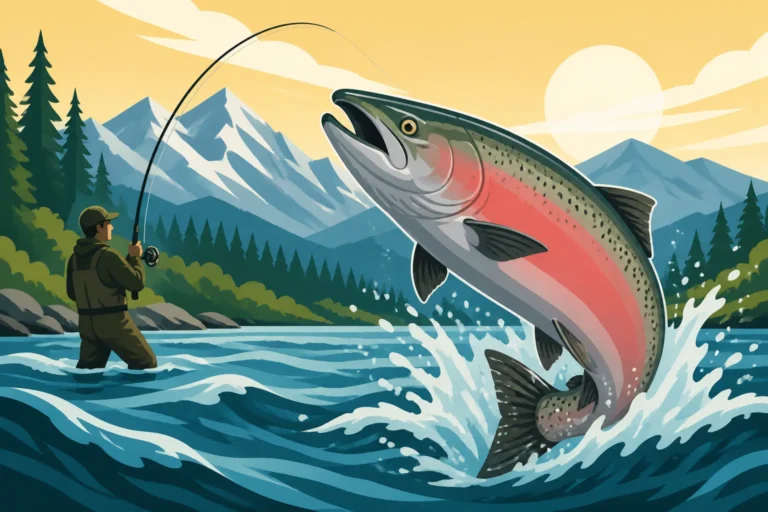
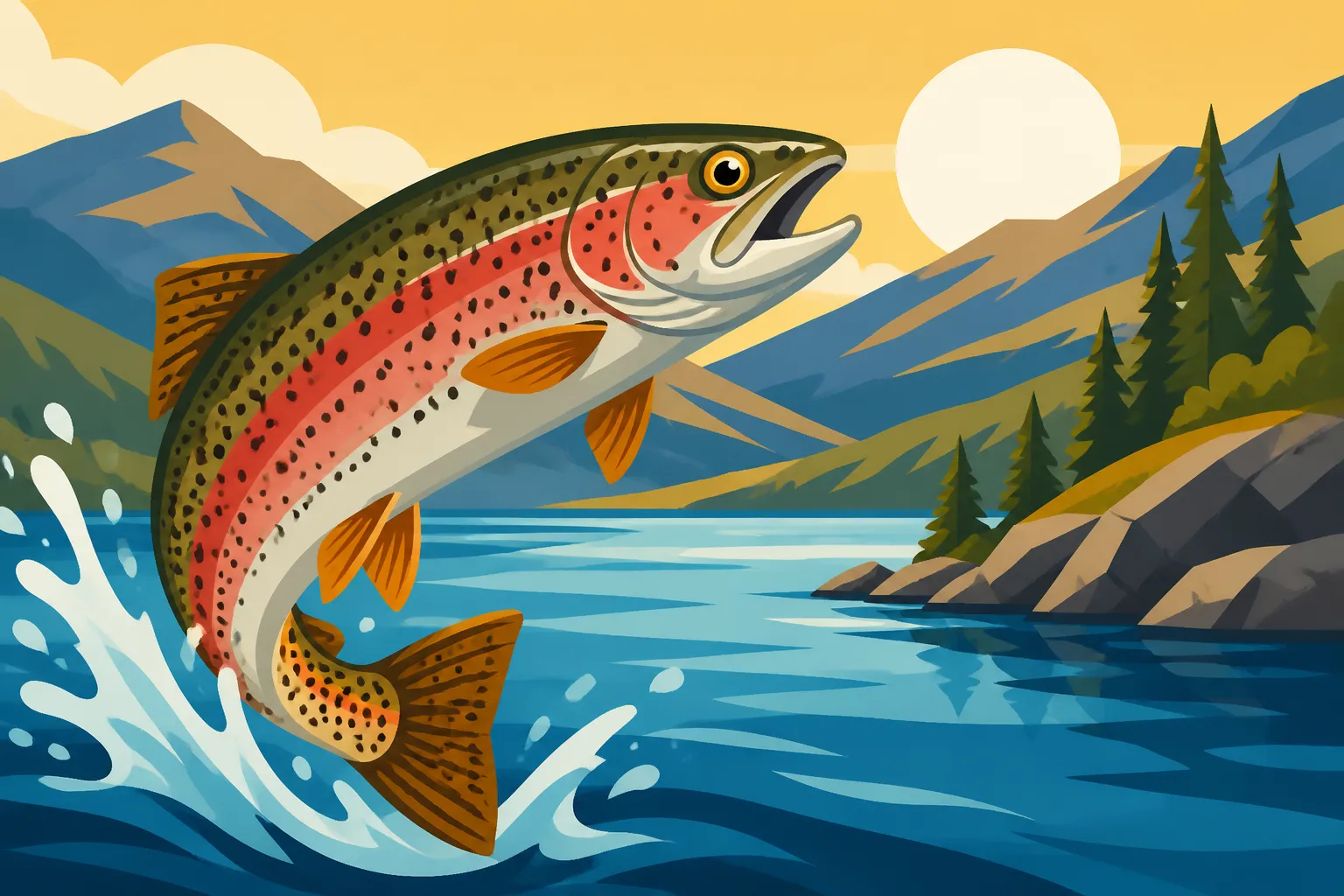
What sets a Kamloops trout apart isn't just its size, though they do grow impressively large. It's often their striking iridescent colours, frequently displaying a more vivid red band along their lateral line compared to other rainbow trout strains. Beyond their looks, their growth rate and fighting spirit are what truly define them. These trout thrive on a diet rich in kokanee (a landlocked sockeye salmon) and other forage fish, which fuels their rapid growth and powerful musculature. They are often found in the pelagic (open water) zones of large lakes, constantly cruising for schools of baitfish, which contributes to their torpedo-like build. Anglers often describe the take of a Kamloops trout as violent and the ensuing fight as nothing short of spectacular, often involving multiple jumps and long, drag-screaming runs that test both tackle and nerves.
These aren't your average pond trout; they require a certain level of dedication and understanding of their behaviour. Their unique genetics and adaptation to the deep, clear waters of lakes like Okanagan, Kalamalka, and Wood have made them a cherished target. They've become a symbol of freshwater fishing excellence in the province, a true testament to the incredible biodiversity found here. It's an experience that many anglers chase for a lifetime, hoping to land that one, iconic fish.
The Kamloops Trout's Natural Habitat and Preferences
Kamloops trout are essentially opportunistic predators, perfectly adapted to their large lake environments. While they are a strain of rainbow trout, their behaviour differs significantly from their river-dwelling cousins. In the Okanagan, they typically inhabit the cooler, deeper sections of the lakes during warmer months, often suspending themselves at various depths, always on the lookout for food. Their diet shifts with the seasons and the availability of prey, but kokanee are a staple, often making up a significant portion of their diet. This reliance on a pelagic food source means they spend much of their lives in the open water, far from shore, necessitating specific fishing techniques to reach them.
They prefer clear, well-oxygenated water and are sensitive to temperature changes. This is why you'll find them moving into shallower, cooler waters in spring and fall, often near river mouths or areas with inflowing streams, which provide both cooler water and additional food sources. During the peak of summer, they retreat to the thermocline – the layer in the lake where water temperature changes rapidly – where they find their optimal temperature zone and abundant baitfish. Understanding these movements is crucial for successful angling. Learning to 'read' the water and interpret signs like baitfish schools on your sonar becomes an invaluable skill when targeting these magnificent fish.
Historical Significance and Management in Okanagan Waters
The Kamloops trout has a rich history in British Columbia, particularly in the Okanagan region. They've been a prized sport fish for generations, attracting anglers from all over. The very name "Kamloops" trout comes from the Kamloops area, near Kamloops Lake, where these distinct large rainbows were first extensively studied and noted for their unique characteristics. Over the years, their populations have been carefully managed through stocking programs, habitat protection, and fishing regulations to ensure their sustainability. Fisheries biologists have invested considerable effort into understanding their lifecycle, migration patterns, and dietary needs.
Today, the management of Kamloops trout in Okanagan lakes involves a delicate balance of conservation and recreational fishing. Hatchery programs often supplement wild populations, especially in lakes with high angling pressure. These efforts aim to maintain a healthy fishery while protecting the genetic integrity of wild stocks. Regulations on bag limits, size restrictions, and fishing methods are regularly updated based on scientific data to ensure these fish continue to thrive for future generations of anglers. It's a continuous process, and staying informed about BC Fishing Regulations Explained and BC Bag and Possession Limits by Species is a vital part of responsible angling here. The success of the Kamloops trout fishery in the Okanagan is a testament to dedicated conservation efforts and the cooperation between anglers and fisheries managers.
Prime Okanagan Lakes for Kamloops Trout Fishing
The Okanagan Valley is a mecca for anglers seeking Kamloops trout, boasting several large, productive lakes that consistently produce quality fish. While Okanagan Lake is undeniably the star, its neighbours offer fantastic opportunities too, sometimes with less pressure. Each lake presents its own unique challenges and rewards, making the region a diverse playground for trout enthusiasts.
Okanagan Lake Itself: A Trophy Fishery
Okanagan Lake is the undisputed heavyweight champion when it comes to Kamloops trout. This massive body of water, stretching over 135 kilometres, is legendary for producing trophy-sized rainbows. Its depth, extensive forage base (primarily kokanee), and cold, oxygenated waters create the perfect environment for Kamloops trout to thrive and grow to impressive sizes. Anglers regularly report fish in the 5 to 10-pound range, with true monsters exceeding 15 pounds making appearances each season. The sheer size of the lake means there's always a new spot to explore, from the southern reaches near Peachland and Summerland to the northern sections around Vernon.
Fishing Okanagan Lake for Kamloops trout often involves trolling deep, mimicking the movements of kokanee schools. You'll find anglers targeting depths anywhere from 40 to 100 feet or more, depending on the time of year and the location of baitfish. Popular areas include the deeper waters off Rattlesnake Island, the trenches near Squally Point, and the vast open waters where large schools of kokanee congregate. Success here often hinges on patient trolling, paying close attention to your sonar to locate bait balls and individual trout. This is a lake where robust downriggers and a good selection of dodgers and large spoons or plugs are absolutely essential. For a more general overview of fishing here, check out our Okanagan Lake Fishing Guide.
Kalamalka and Wood Lakes: Hidden Gems
Just east of Okanagan Lake, you'll find Kalamalka Lake, affectionately known as "Kal Lake," and its smaller, shallower neighbour, Wood Lake. While Okanagan Lake often steals the spotlight, these two lakes offer fantastic Kamloops trout fishing and can sometimes provide a more intimate angling experience with less boat traffic. Kalamalka Lake is particularly stunning, often called the "Lake of Many Colours" due to its unique marl composition that changes the water's hue with the seasons. Like Okanagan Lake, Kalamalka is deep and cold, supporting a healthy population of Kamloops trout that also grow large by preying on kokanee. Trolling is the primary method here, focusing on the deeper sections and points.
Wood Lake, connected to Kalamalka, is shallower and warmer, meaning the trout activity can be a bit different. While it still holds Kamloops trout, they might be more concentrated in specific areas or times of year, especially near the connecting channel or deeper pockets. Anglers targeting Wood Lake might find success earlier in the spring or later in the fall when water temperatures are more favourable for trout closer to the surface. Both lakes provide excellent opportunities for anglers looking to explore beyond the main Okanagan Lake. Always remember to consult the specific regulations for each lake, as bag limits and gear restrictions can vary slightly.
Other Notable Lakes in the Region
While the "Big Three" (Okanagan, Kalamalka, and Wood) are the most famous, the wider Okanagan region and nearby interior of BC offer other fantastic lakes for Kamloops trout. Although they might not always hold the same density of trophy fish as Okanagan Lake, they can provide consistent action and a chance to explore new waters. Examples include smaller, deep lakes further east or north that are regularly stocked with Kamloops trout strains, ensuring good catch rates for persistent anglers. These lakes often have a slightly different ecosystem, perhaps with more insect life or alternative forage fish species, which can influence the trout's behaviour and preferred tackle.
Sometimes, the best fishing spots are the ones less travelled. Exploring some of these lesser-known, yet well-managed, lakes can lead to surprising results and provide a more tranquil fishing experience. These smaller waters might also offer better opportunities for shore casting or float tube fishing, especially in the spring and fall when trout are closer to the margins. Always do your research before heading out, checking local fishing reports and the latest BC Fishing Season Dates and Closures to ensure a productive and compliant trip. The diversity of lakes in the interior means there’s a Kamloops trout adventure waiting for every type of angler.
Essential Techniques for Hooking Kamloops Trout
Successfully catching Kamloops trout in the expansive Okanagan lakes requires a blend of patience, persistence, and specialized techniques. These fish are often found in open water, feeding on schools of baitfish, so your approach needs to cover water and mimic their natural prey.
Trolling Strategies for Deepwater Success
Trolling is hands down the most effective and popular method for targeting Kamloops trout in the Okanagan's large, deep lakes. Since these trout often suspend in the water column, actively chasing kokanee, trolling allows you to cover vast areas and present your lure at the precise depth where the fish are feeding. The key to successful trolling is understanding depth, speed, and lure presentation. Many anglers use downriggers to precisely control the depth of their lures, often running multiple lines at varying depths to find the fish. Using a good fish finder is absolutely crucial to locate baitfish schools, thermoclines, and individual trout. Once you mark fish, adjust your downrigger depths accordingly.
Typical trolling speeds range from 1.5 to 3.0 miles per hour, but it's essential to experiment. Kamloops trout can be finicky, and a slight change in speed can make all the difference. Lures are often paired with dodgers or flashers, which create attraction and mimic a struggling baitfish, drawing the trout's attention. Popular choices include large spoons, plugs, or even gang trolls followed by a wedding band or a small fly. The action of these attractors, combined with the lure, is designed to trigger an aggressive strike. Remember that Trolling Techniques for BC Lake Trout can vary depending on the season and time of day, so adaptability is key.
Fly Fishing Tactics for Shoreline and River Mouths
While trolling dominates the deepwater scene, fly fishing can be incredibly productive for Kamloops trout, particularly during certain times of the year and in specific locations. In spring and fall, when water temperatures are cooler, Kamloops trout will often move closer to shore, especially around river mouths, creek inlets, and shallow bays. These areas provide access to emerging insects, migrating baitfish, and cooler, oxygenated water. This is when fly anglers can shine. Casting from shore, a float tube, or a small boat, you can present flies that imitate local insect hatches or baitfish.
Large streamer patterns that mimic kokanee or sculpins are highly effective, especially when stripped actively. Wet flies and nymphs can also work when trout are keying in on smaller insect life. Fishing around river mouths where tributary streams flow into the lake can be particularly productive, as these areas often concentrate both forage and trout. It's a more active and often visually exciting way to target these powerful fish, offering a direct connection to the fight. Pay attention to any surface activity, like rising fish, which signals that trout are feeding near the top, making dry fly presentations a possibility, although less common for trophy Kamloops trout. You can find a good selection of flies, often including regional favourites, on Amazon.
Bait Fishing and Still Fishing for Lake Dwellers
Bait fishing and still fishing methods, though perhaps less common for the largest trophy Kamloops trout, can still be very effective, especially for consistent action. These techniques are often ideal for anglers fishing from shore, docks, or anchored boats, providing a more relaxed approach. PowerBait, worms, or even cured roe can be presented on a bottom rig or suspended under a float. When still fishing, finding a good location is paramount. Look for drop-offs, submerged structure, or areas where current brings in food. Early morning and late evening often prove to be the most productive times.
For Kamloops trout, the key is often to present your bait just off the bottom or suspended at a depth where fish are holding. Using a simple slip sinker rig with a longer leader allows your bait to move naturally in the water. While perhaps not as dynamic as trolling or fly casting, bait fishing offers a fantastic opportunity for beginners or those who prefer a more laid-back experience. It allows you to really soak in the stunning Okanagan scenery while waiting for that tell-tale tug on your line. Always ensure your bait choices comply with local regulations, as some waters have restrictions on live bait.
Best Times and Seasons for Kamloops Trout in the Okanagan
Understanding the seasonal movements and feeding patterns of Kamloops trout is fundamental to consistent success in the Okanagan lakes. These fish react strongly to water temperature and food availability, dictating where and how you should fish.
Spring: The Post-Ice-Off Frenzy
Spring, immediately after the ice has melted (typically April and May), is arguably one of the best times to target Kamloops trout in Okanagan lakes. As the ice recedes, the entire lake ecosystem awakens. Water temperatures are still cool, but steadily rising, encouraging trout to move into shallower waters, bays, and around river mouths in search of newly available food sources. They're often hungry after a long winter and are less selective, making them more aggressive biters. This is an excellent time for both trolling and fly fishing.
During this period, trout can be found anywhere from the surface down to 30 or 40 feet. Trolling with spoons, plugs, or small flies behind a dodger can be highly effective, especially near shorelines, points, and areas where creeks flow into the lake. Fly anglers can find great success casting streamer patterns from shore or a float tube, particularly in the mornings and evenings. The post-ice-off period offers some of the most consistent action of the year, with trout often in prime condition. However, spring weather in the Okanagan can be unpredictable, so be prepared for anything from warm sun to sudden wind and rain.
Summer: Deep and Challenging
Summer fishing for Kamloops trout in the Okanagan can be more challenging, but it's also when some of the largest fish are caught by those who know how to adapt. As surface water temperatures rise dramatically in July and August, the trout retreat to the cooler, deeper sections of the lake, often suspending in the thermocline layer. This means you'll typically be targeting fish at depths of 50 to 100 feet or even more, making downriggers an absolute necessity. The fish are still actively feeding on kokanee, but they're spread out across vast, deep waters.
Successful summer angling requires meticulous attention to your electronics. You'll need to locate baitfish schools and pinpoint the exact depth where the trout are holding. Trolling speed might need to be slightly reduced, and subtle lure presentations can make a difference. Early mornings and late evenings can still see fish moving slightly shallower, but generally, the summer months are a deepwater game. Don't be discouraged by slower action; when you find a school of summer Kamloops trout, the reward can be substantial. For those seeking true giants, summer offers the chance, but it demands patience and precision.
Fall: Pre-Spawn Aggression
Fall is another prime season for Kamloops trout fishing in Okanagan lakes, particularly from September through November. As air temperatures drop, the surface waters cool, and the lake begins to "turn over," mixing oxygenated water throughout the column. Trout, sensing the upcoming spawning season (which often occurs in late fall or early winter for these lake-dwelling strains), become incredibly aggressive feeders, bulking up on kokanee. This pre-spawn activity makes them very responsive to lures.
Similar to spring, trout move into shallower depths, often in the 20-60 foot range, and can be found closer to river mouths and spawning grounds. Trolling with spoons, plugs, and even large bucktail flies behind a dodger is highly effective. The fish are often more willing to chase and strike. Fly anglers can again find success near shorelines and river estuaries, stripping large streamer patterns. The fall colours of the Okanagan Valley provide a beautiful backdrop to some of the year's most exciting fishing. The fish are typically in peak condition, displaying vibrant colours and formidable strength, making for truly memorable battles. Best Fall Salmon Runs in BC often coincide with this period, further enhancing the fishing opportunities.
| Season | Typical Depths (Feet) | Preferred Techniques | Key Considerations |
|---|---|---|---|
| Spring (Apr-May) | 10-40 | Trolling (spoons, plugs, flies), Fly Fishing (streamers) | Post-ice-off frenzy, trout hungry and active in shallower water, unpredictable weather. |
| Summer (Jun-Aug) | 50-100+ (thermocline) | Deep Trolling (downriggers, spoons, plugs) | Trout go deep, locate baitfish with sonar, patience and precision are key, early/late day can be shallower. |
| Fall (Sep-Nov) | 20-60 | Trolling (spoons, plugs, flies), Fly Fishing (streamers) | Pre-spawn feeding frenzy, trout aggressive, vibrant colours, excellent fighting condition. |
| Winter (Dec-Mar) | Variable, often deep | Ice Fishing (jigs, bait), Deep Trolling (open water) | Less common, ice conditions dependent, slow bite, can find concentrated schools. |
Gear and Tackle Recommendations for Okanagan Kamloops Trout
Having the right gear is non-negotiable when chasing Kamloops trout in the Okanagan. These are powerful fish, and the specific techniques required demand specialized rods, reels, lines, and lures. Don't skimp on quality; it can make all the difference between landing that trophy and telling a "one that got away" story.
Rods, Reels, and Line for Trolling and Casting
For trolling, which is the dominant technique, you'll want a medium to medium-heavy action rod, typically 7 to 9 feet in length, designed for trolling or downrigger use. These rods have a softer tip to absorb the shock of a strike and allow for good lure action, but enough backbone to handle a powerful fish. Pair this with a sturdy level-wind or baitcasting reel that can hold plenty of line – at least 200 yards of 12-15 lb monofilament or braided line with a fluorocarbon leader. Fluorocarbon leaders are nearly invisible underwater and offer excellent abrasion resistance, which is vital when fishing around structure or with aggressive fish. You can find excellent trolling setups from various brands, and many anglers discover great deals and specific models on Amazon.
For fly fishing, if you plan to target trout closer to shore or at river mouths, a 6 to 8-weight fly rod, 9 to 10 feet long, is a versatile choice. This allows for long casts and has enough power to handle larger fish. A matching large arbor reel with a good drag system, loaded with a weight-forward floating line (for surface presentations) or a sinking tip/full sinking line (for streamers) will complete your setup. Ensure you have a strong leader and tippet, typically 8-12 lb test, to handle the powerful runs.
Lures, Flies, and Baits That Get Results
Kamloops trout are primarily piscivores, meaning they eat other fish, particularly kokanee. Therefore, lures that imitate small kokanee, or other baitfish, are your best bet. Popular choices for trolling include large spoons (like Lyman plugs, Apex lures, or large flatfish), plugs, and bucktail flies often fished behind a dodger or flasher. Colour patterns that mimic kokanee (silver, blue, chartreuse, pink) are often highly effective. Always have a variety of sizes and colours on hand, as trout preferences can change day by day. Don't forget to rotate lures if one isn't producing.
For fly fishing, large streamer patterns are king. Think patterns like the Mickey Finn, Woolly Bugger (in black, olive, or white), or specific kokanee fry imitations. These flies should be stripped actively to mimic a fleeing baitfish. In some instances, during major insect hatches, larger nymph patterns or even dry flies can work, but for the larger, actively feeding trout, streamers usually take the cake. When it comes to bait fishing, cured roe, worms, or PowerBait can be effective, especially if fish are less active or you're fishing a specific hole. Again, a quick search on Amazon will show you the immense variety of effective lures and flies available for trout fishing.
Essential Accessories for a Successful Trip
Beyond the core rod and reel setup, a few essential accessories can greatly enhance your Kamloops trout fishing experience. First and foremost, a reliable fish finder with GPS capabilities is crucial, especially for trolling large lakes. This will help you locate baitfish, identify productive depths, and navigate safely. Good quality downriggers are also a must for deepwater trolling, allowing you to present your lures at precise depths. A sturdy landing net with a long handle and a rubberized mesh (kinder to the fish if you plan to release) is indispensable for securing large trout.
Other important items include:
- Pliers/Forceps: For hook removal.
- Sun Protection: Hat, sunglasses, sunscreen. The Okanagan sun can be intense.
- Layered Clothing: Weather can change rapidly.
- Cooler and Ice: To keep your catch fresh (if retaining).
- First Aid Kit: Always a good idea.
- Anchoring System: If still fishing from a boat.
- Maps/GPS: Even with a fish finder, having backup navigation is wise.
- Camera: To capture those memorable catches!
Don't forget your valid British Columbia Fishing License Guide for 2026 and any necessary conservation stamps, like the BC Freshwater Salmon Conservation Stamp Requirement if you intend to keep certain species. Being prepared means you can focus entirely on the fishing.
Conservation and Responsible Angling Practices
The pristine waters and abundant fisheries of the Okanagan are a precious resource, and as anglers, we have a responsibility to protect them. Practising ethical and responsible angling ensures that Kamloops trout populations remain healthy and continue to provide thrilling experiences for generations to come.
Understanding Bag Limits and Regulations
One of the most critical aspects of responsible angling is thoroughly understanding and adhering to the current fishing regulations. British Columbia has specific rules for different species, water bodies, and times of year, all designed to manage fish stocks sustainably. For Kamloops trout in Okanagan lakes, there will be regulations concerning daily bag limits (how many fish you can keep in a single day), possession limits (how many fish you can have in your possession at any given time, including at home), and size restrictions (minimum or maximum lengths of fish you can retain). These limits can vary significantly from one lake to another, and even change seasonally within the same lake.
Before every fishing trip, it is absolutely essential to consult the official BC Freshwater Fishing Regulations Synopsis or the online fishery notices. These resources provide the most up-to-date information on limits, closures, and special regulations for specific waters. Ignoring these rules can lead to significant penalties, including fines and gear seizure, but more importantly, it can negatively impact fish populations. Always make sure you know the rules for the specific body of water you're fishing. Being informed is the first step towards being a responsible angler.
Catch and Release Best Practices
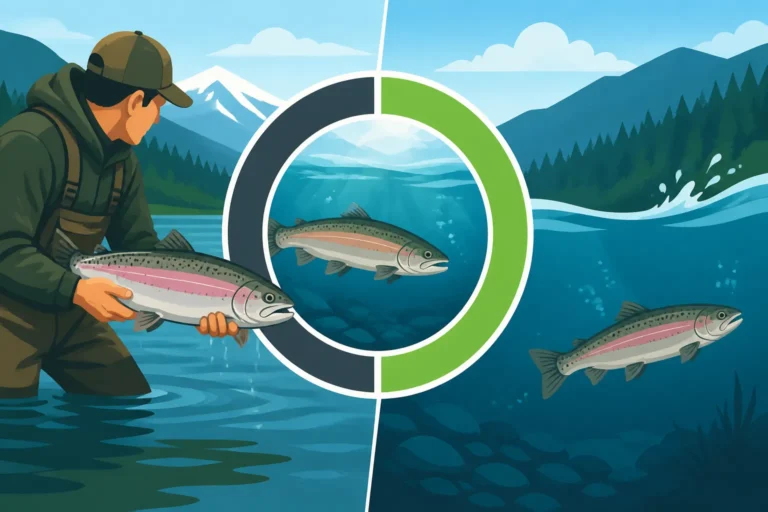
For many anglers, especially when targeting larger, older Kamloops trout, catch and release is a preferred practice to help conserve these magnificent fish. If you intend to release a fish, it's crucial to follow best practices to maximize its survival rate. The goal is to minimize stress and physical damage to the fish. Firstly, use appropriate tackle: heavier line and a rod with enough backbone will allow you to land the fish more quickly, reducing the duration of the fight and subsequent exhaustion.
When handling the fish, keep it in the water as much as possible. If you must remove it for a quick photo, do so gently, supporting its body horizontally with wet hands. Avoid touching the gills or eyes. Use barbless hooks, or crimp down the barbs on your hooks, as this makes hook removal much easier and less damaging. A pair of long-nosed pliers or forceps can also aid in quick hook removal. If the fish is deeply hooked, it's often best to cut the line as close to the hook as possible rather than trying to rip it out. Allow the fish to recover in the water, supporting it until it can swim away strongly on its own. For more general guidance, our article on Sturgeon Catch and Release Survival Tips offers principles that apply across various species.
Protecting the Future of Kamloops Trout
Protecting the future of Kamloops trout in the Okanagan goes beyond just following regulations and practising catch and release. It involves being a good steward of the environment as a whole. This means respecting the natural habitats of these fish and their forage base. Avoid disturbing spawning areas, especially during sensitive times of the year. Properly dispose of all trash, including discarded fishing line and bait containers; never leave anything behind that could harm wildlife.
Be mindful of invasive species. Clean your boat, trailer, and all fishing gear thoroughly before moving between different bodies of water to prevent the spread of aquatic invasive species that can devastate local ecosystems and fish populations. Support conservation organizations and initiatives that work to protect and enhance freshwater fisheries in British Columbia. By actively participating in these efforts and setting a positive example, we ensure that the legendary Kamloops trout will continue to thrive in the Okanagan lakes for many generations of anglers to enjoy.
Disclaimer
This article is for general informational purposes only and does not constitute professional advice. Laws, prices and regulations vary by location and change over time. Consult a qualified professional for guidance on your specific situation.