Best technique for sight fishing steelhead in clear water
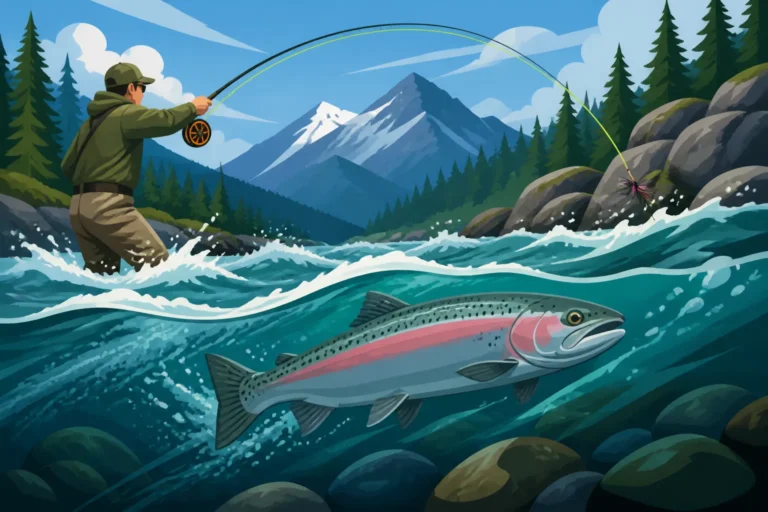
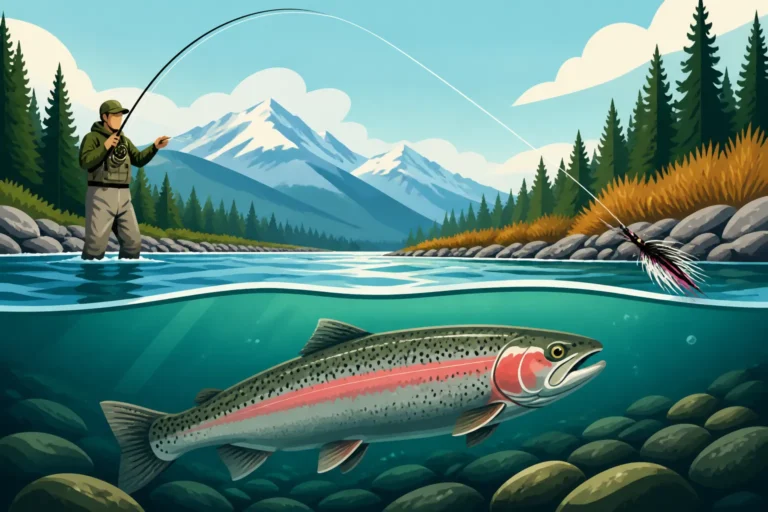
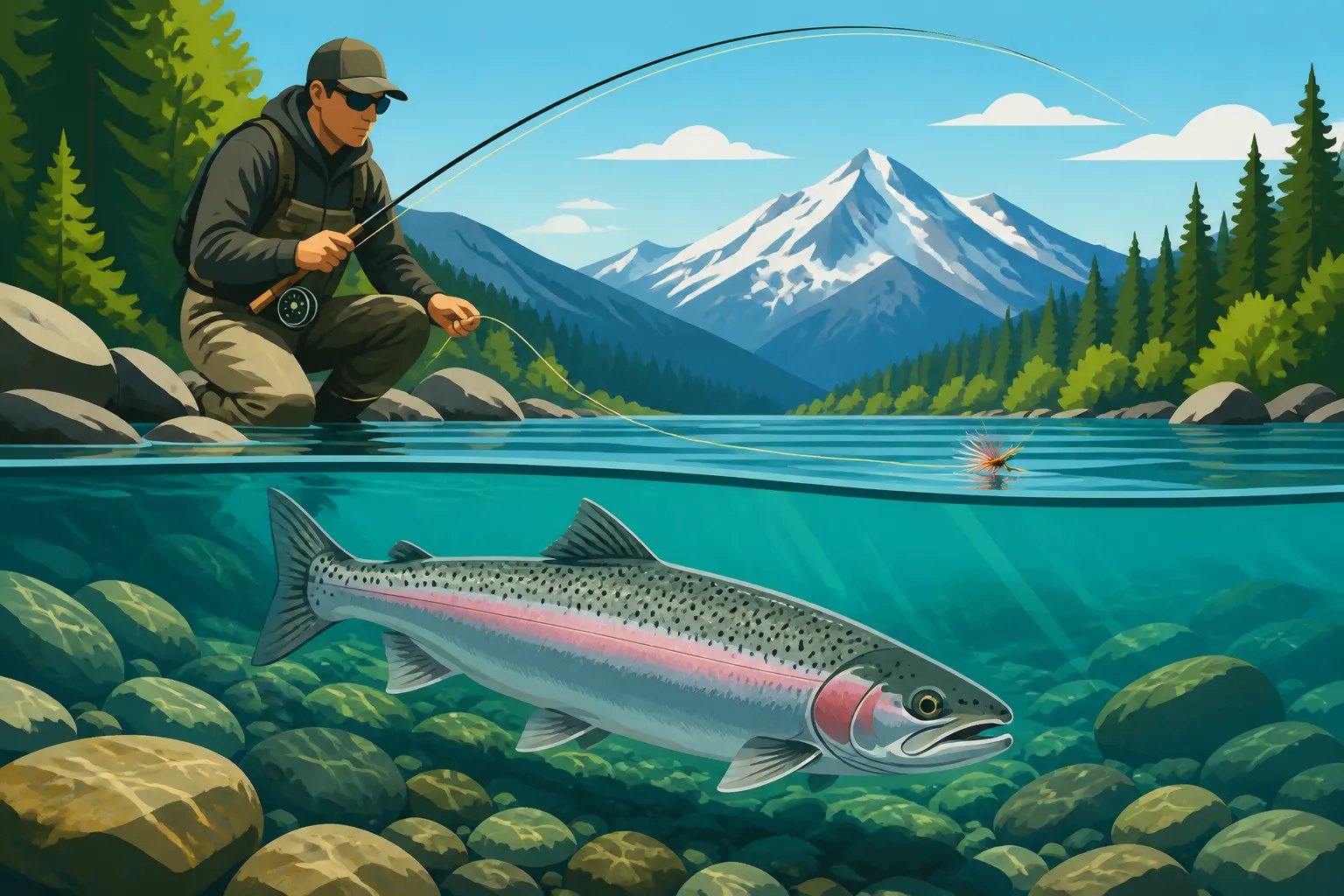
There are few things as frustrating, and simultaneously exhilarating, as trying to trick a steelhead in crystal-clear water. You see them, often just dark shadows hugging the bottom or holding subtly behind a boulder, perfectly camouflaged. They see you too, or at least they feel your presence, and spook at the slightest disturbance. This isn't about chuck-and-chance; it's a chess match, a dance of stealth and precision. This guide is all about giving you the best techniques to sight fish for steelhead in those challenging, but incredibly rewarding, clear water conditions common to many of British Columbia's most stunning rivers.
Understanding Clear Water Steelhead Behavior
When the water runs clear in BC's steelhead rivers, everything changes. The fish, already notoriously elusive, become even more discerning and wary. You need to shift your mindset from simply fishing a run to actively hunting a specific fish.
Why Clear Water Changes Everything
Imagine standing in a grocery store aisle, completely exposed under bright lights. You'd certainly notice someone trying to sneak up on you from behind. That's essentially the steelhead's world in clear water. Without the turbidity or high flow to obscure their vision or dampen vibrations, they rely heavily on their eyesight and lateral line to detect predators and threats. This means your approach, your casting, and even your gear choices become paramount. A splashy cast that might go unnoticed in murky water will send a clear-water steelhead bolting for cover, often shutting down an entire pool for hours. It’s a complete game-changer that demands a different level of finesse and awareness.
The Hyper-Aware Steelhead
These fish are truly magnificent, a testament to evolution's craft. In clear conditions, a steelhead's senses are on high alert. They can see a surprisingly long distance, especially upstream or across the current, and they're incredibly sensitive to unnatural movements or colors. This isn't just about avoiding a predator; it's about conserving energy. If they perceive a threat, fleeing is their immediate, instinctual response. This hyper-awareness also extends to their feeding behavior. They're more likely to scrutinize a fly or bait, detecting unnatural drag, a flash of tippet, or an incorrect drift faster than you can blink. Understanding this heightened sensitivity is the first step to figuring out "how to catch steelhead in BC" when the water is gin-clear.
Reading the Water for Ghostly Shadows
Spotting a steelhead in clear water is an art form in itself. They aren't going to be brightly colored against the riverbed. Instead, you're looking for subtle anomalies: a darker patch that shifts, a slight distortion in the gravel, or a shadow that seems to have a defined edge. Often, they'll hold in specific "lies" – deeper pockets behind boulders, current seams, or under overhanging banks. The trick is to spot them before they spot you. Position yourself upstream and slightly to the side, using any available cover like trees, bushes, or bank contours. Polarized sunglasses are absolutely non-negotiable here; they cut the glare off the water's surface, allowing you to peer into the depths. Without quality polarized lenses, you're essentially fishing blind in these conditions.
Essential Gear for Sight Fishing Success
Your gear choices become hyper-critical when you're sight fishing for clear water steelhead. This isn't the time to rely on heavy-handed tackle or brightly colored lines. Finesse, presentation, and stealth are the names of the game.
The Right Rod, Reel, and Line
For clear-water steelhead, precision casting and delicate presentation are key. A longer rod, typically 10 to 11 feet, in a 7 or 8-weight, is often preferred for fly fishing. This extra length helps with line control, allowing for longer, more precise drifts and keeping more line off the water to avoid drag. For conventional anglers, a sensitive float rod in the 11-13 foot range with a fast action is ideal for detecting subtle takes and controlling your drift. Your reel should be reliable with a smooth drag, ready for those explosive runs. The line choice is equally important. For fly anglers, a good quality floating line that mends easily is essential. For conventional, a low-visibility main line, like a clear monofilament or a very fine diameter braid, will reduce your presence in the water. Remember, these fish are spooky, so every element of your setup needs to be as inconspicuous as possible. When considering "Best Baits for Steelhead on the Skeena" or other clear river systems, the delivery system (your rod, reel, and line) must be flawless.
Critical Leader and Tippet Choices
This is where many anglers make mistakes in clear water. A heavy, stiff leader or bright tippet is a flashing neon sign to a steelhead. You need long, thin, and supple leaders and tippet. Fluorocarbon is almost always the material of choice for clear water because it has a similar refractive index to water, making it virtually invisible underwater. Start with a leader that's at least 9-12 feet long, tapering down to a light tippet, often 6-10 lb test, depending on the conditions and the size of fish you expect. Sometimes, you'll need to go even lighter, to 4 or 5 lb, to trick truly wary fish. The longer leader also creates a buffer zone between your main line and your presentation, further minimizing the chances of spooking the fish. Many anglers will build their own custom tapered leaders to get that perfect, delicate turnover and natural drift. You can find a great selection of fluorocarbon tippet material on Amazon, ensuring you always have the right strength for the conditions.
Polaris Glasses: Your Secret Weapon
We touched on this earlier, but it truly deserves its own section. High-quality polarized sunglasses are not just an accessory; they are a fundamental piece of equipment for sight fishing steelhead in clear water. They cut through the surface glare, allowing you to see into the water, spot fish, and read subtle changes in depth and structure that would otherwise be invisible. Look for lenses specifically designed for low light or overcast conditions if you fish those days often, but a good all-around amber or copper lens will serve you well in most bright conditions. Think of them as your underwater x-ray vision. Without them, you're merely casting blindly. Don't skimp on this purchase; it will directly impact your success. Being able to see the fish and its reaction to your presentation allows you to adjust your "Fly Patterns for BC Steelhead Rivers" or bait choice in real-time, making all the difference.
Masterful Approach and Presentation
Once you've spotted a steelhead in clear water, the real challenge begins: how do you get your fly or bait in front of it without spooking it, and how do you entice a take? This requires a combination of stealth, precision, and a natural drift.
Stealth is Your Best Friend
Approach the water like a predator, moving slowly and deliberately. Avoid sudden movements, loud noises, or casting a shadow over the water where the fish are holding. High banks can offer cover, but also put you in a position to cast a long shadow. Low banks require you to crouch or even crawl. Always try to approach from downstream, if possible, as steelhead tend to face upstream and are less likely to see you coming. Remember that vibrations travel through the ground and into the water, so heavy footsteps can be just as alarming as a visible presence. For more on navigating riverbanks, check out our guide on Wading Techniques for BC Steelhead Rivers. Think of yourself as invisible, and strive to maintain that illusion until your presentation is complete.
Drifting Your Fly or Bait Naturally
This is the cornerstone of clear-water steelhead fishing. Whether you're fly fishing with nymphs or streamers, or conventional fishing with roe or beads, your offering must drift as naturally as possible, free of any unnatural drag. For fly anglers, this means mastering various mending techniques to control your line and ensure your fly tumbles along at the same speed as the current. The concept of "dead drifting" is paramount. For conventional anglers, precise float control is essential. Your float should move at the same speed as the surrounding current, not faster or slower. This often means making precise casts upstream of the fish and then feeding out line as your presentation drifts. The goal is to make your fly or bait appear as a natural food item, indistinguishable from whatever else the current is carrying. This is particularly true for "Drift Fishing for Steelhead in BC Rivers" where a perfect presentation can be the only thing that convinces a wary fish to bite.
Setting the Hook on a Subtly Moving Line
In clear water, takes can be incredibly subtle, especially if the fish is merely mouthing the offering to inspect it. You might not feel a violent tug, but rather a slight hesitation in your line, a subtle dip of your float, or a flash of white as the fish opens its mouth. This is where vigilance pays off. Watch your line, your float, and if you can see it, the fish itself. Any unnatural movement or pause calls for a gentle but firm sweep of the rod to set the hook. Don't go for a monstrous trout set; a slight pull is usually enough with sharp hooks. Sometimes, you'll see the fish turn or move towards your offering before you feel anything. React to visual cues as much as physical ones. It’s a delicate balance, and often the difference between success and frustration.
Advanced Strategies for Tricky Conditions
Sometimes, even with the right gear and a stealthy approach, those clear-water steelhead just won't cooperate. That's when you need to dig deeper into your bag of tricks and employ some advanced strategies.
Dealing with Spooky Fish
Let's be honest, we've all been there: you make a perfect cast, and the fish flares its fins and bolts. Spooky fish are a reality in clear water. If a fish spooks, often your best bet is to rest the spot for a while – sometimes 15-30 minutes, or even longer. Move on to another run or take a break, then return. When you do re-approach, go even slower, cast even farther upstream, and use an even lighter tippet if possible. Sometimes, changing your fly pattern or bait color to something more subdued or smaller can make a difference. Think of it this way: if a full-sized meal freaked them out, maybe a tiny morsel will be less intimidating. Understanding the nuances of "Best Techniques for Low Clear Water Steelhead" often means a complete change in strategy and sometimes a dose of humility.
Targeting Specific Lies and Holding Water
Clear water allows you to be much more precise with your targeting. Instead of blanket casting a whole run, focus your efforts on specific pockets, seams, and areas of cover where you've observed fish holding. Steelhead typically hold in areas that offer both cover from predators and a resting place from the current, while still allowing easy access to food. This could be behind a large boulder, in a slight depression in the riverbed, or along a current seam where slower water meets faster water. Often, they'll be in water that looks deceptively shallow. Make your first cast to the fish furthest downstream in a run, and work your way up. This prevents you from spooking upstream fish by crossing lines over them or disturbing the water below them. Knowing "How to fish a run and pool steelhead river" effectively involves pinpoint accuracy with your casts.
Patience and Persistence Pay Off
Sight fishing for clear-water steelhead is not for the impatient. You might spend an hour or more carefully stalking a single fish, making dozens of precise casts, and still not get a take. But the reward, when that chrome beauty finally decides to strike, is immensely satisfying. Take your time. Observe. Learn from each cast, each drift. If a fish is not responding, don't be afraid to change your fly, your weight, or your approach angle. Walk away and come back. Sometimes, a change in light, or even just a few clouds covering the sun, can make a difference. The "Best Time of Year to Fish in BC" for steelhead might involve variable water conditions, and clear days will inevitably require this heightened level of patience. The thrill of outsmarting such a magnificent, wary creature in its element is what keeps us coming back for more, season after season.
| Strategy Component | Clear Water (High Visibility) | Murky Water (Low Visibility) |
|---|---|---|
| Approach | Extremely Stealthy, Low Profile | Less Critical, Can Be More Direct |
| Visibility | Fish See You & Gear Easily | Fish Rely More on Lateral Line |
| Leader/Tippet | Long, Thin Fluorocarbon | Shorter, Heavier Monofilament/Fluoro |
| Fly/Bait Size | Smaller, More Natural Profiles | Larger, More Aggressive Profiles |
| Casting | Precise, Upstream, Minimal Splash | Can Be More General, Cover Water |
| Hook Set | Subtle Takes, Watch Line/Float | Often More Aggressive Takes |
| Patience | Extremely High, Repeated Efforts | Moderate, Cover Ground More |
Beyond the Basics: Fine-Tuning Your Clear Water Game
Once you've grasped the fundamental techniques for sight fishing steelhead in clear water, there are always ways to refine your approach. These subtle adjustments can often be the difference between a close call and a fish in the net.
Understanding Presentation Angles and Current Seams
Steelhead will often hold in very specific current seams where the food delivery is consistent, but they don't have to fight the strongest flow. In clear water, you can often visually identify these seams. When presenting your fly or bait, consider the angle at which it enters and drifts through this seam. Sometimes, a slight quartering cast upstream that allows your offering to "swing" into the seam can trigger a strike, mimicking a dying insect or baitfish struggling in the current. Other times, a perfectly dead-drifted presentation within the seam is what's needed. Experimentation with angles is crucial. If your initial drifts aren't working, try casting further upstream or downstream to adjust how your offering enters the fish's strike zone. Knowing how to adapt your presentation is a vital part of "BC Fishing Seasons by Month" and being successful throughout the year, especially during those clear fall and winter steelhead windows.
Reading Fish Body Language
Believe it or not, steelhead often give subtle cues that indicate their mood or willingness to strike. In clear water, you have the unique advantage of observing these behaviors. A fish that is slowly swaying or subtly moving its fins might be actively feeding or comfortable in its lie. One that is darting nervously, flaring its fins, or facing directly away from the current might be agitated or spooked. If a fish slightly shifts its position or turns its head as your fly drifts by, it's paying attention, and you might be close to getting a strike. On the other hand, a fish that completely ignores several perfect drifts might be completely turned off, requiring a long rest or a complete change in strategy. These observations help you decide whether to persist with the same offering or switch tactics.
Post-Hookup Strategy and Handling
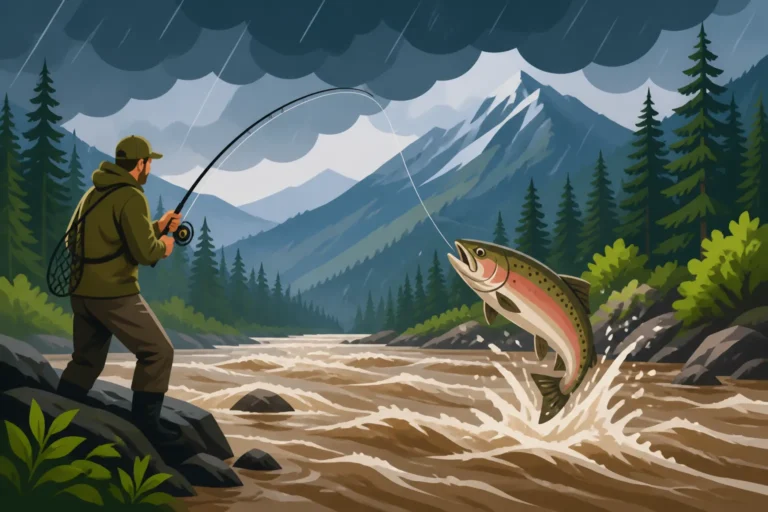
Landing a steelhead in clear water, especially on light tippet, requires careful execution. Once hooked, these fish often go on incredible, acrobatic runs. Let your reel's drag do the work, and avoid putting too much pressure on the line, particularly if you've had to go down to 6lb test tippet. Keep the rod tip high to absorb shocks and direct the fish away from snags and structure. Steelhead are a precious resource, and proper handling is essential for their survival, especially in catch-and-release fisheries. Aim to land the fish quickly but gently, keeping it in the water as much as possible. Use a rubber mesh net to protect its slime coat. For more information on ethical angling, look into guides like BC Freshwater Salmon Retention Rules and practice responsible catch and release. Once in the net, admire your catch, snap a quick photo if you like, and then release it, supporting it in the current until it swims away strongly. This ensures these incredible fish can continue their journey and provide future angling opportunities.
Disclaimer
This article is for general informational purposes only and does not constitute professional advice. Laws, prices and regulations vary by location and change over time. Consult a qualified professional for guidance on your specific situation.