Best fly size for BC interior trout lakes in spring
There’s nothing quite like the crisp air and burgeoning life around a British Columbia interior lake in spring. You’re out there, rods assembled, waders on, and the promise of a rising trout dances in your head. But then, it happens: you’re casting, you’re trying different patterns, and nothing. Or worse, you see fish subtly sipping at the surface, but your carefully selected fly gets ignored. This frustration often stems from one crucial, yet frequently overlooked, detail: fly size. This comprehensive guide will peel back the layers of spring trout behavior and emerging insect life to help you master the art of choosing the perfect fly size for BC interior trout lakes this spring.
The Spring Conundrum: Why Fly Size Matters So Much
Spring fishing in BC's interior lakes can be absolutely magical, but it also presents a unique set of challenges. The transition from winter dormancy to active feeding means trout behavior, and therefore their preferred menu, is constantly evolving. Getting the fly size right is often the thin line between a memorable day of bending rods and a disheartening blank.
Understanding Early Season Trout Behavior
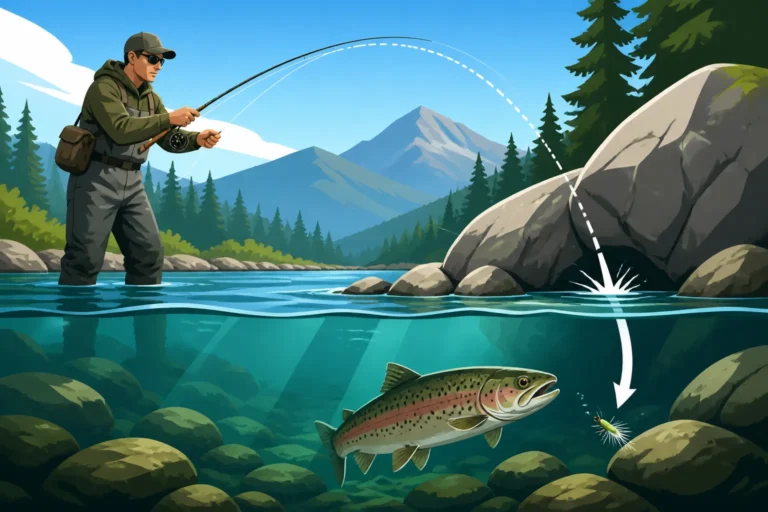
When the ice first comes off, or even when those first few warm spells hit, trout are still shaking off the winter lethargy. Their metabolism is slower, and they're often not expending a lot of energy chasing down big, flashy meals. Instead, they're looking for an easy protein snack. Think about it: after months under the ice, they’re not usually in a high-speed chase mood.
This means their focus is often on smaller, more readily available food sources like nymphs, scuds, and leeches that are already present in the water column or along the lakebed. The water is still quite cold, which keeps insect activity, especially surface hatches, relatively subdued in the earliest parts of spring. It's easy to get frustrated when you see rising fish but can't get a bite, but often the issue isn't your fly pattern itself, but rather its dimensions. A size #10 mayfly might seem perfect, but if the fish are keying in on tiny size #18 chironomid pupae, you'll be out of luck. Understanding this subtle shift in their feeding behavior is the first step to choosing the right fly size.
The Impact of Emerging Insect Life
As spring progresses and water temperatures gradually climb, the underwater world awakens. The earliest and often most significant hatches in BC interior lakes are usually Chironomids, commonly known as midges. These tiny insects emerge in massive numbers, even in quite cold water, providing the first substantial buffet for hungry trout. Because they are so small, getting the fly size right is paramount.
As the days get longer and warmer, other insects like various species of Mayflies and Caddisflies will begin their emergence cycles. This transition from almost exclusively subsurface feeding to more significant surface activity is a critical period for anglers. Trout will start to look up, but they'll often be incredibly selective. They're seeing thousands of naturals, and your imitation needs to be spot-on not just in color and profile, but especially in size. A common mistake is to "size up" prematurely, expecting larger, more robust insects when the trout are still focused on the smaller, earlier stages of the hatch. Always remember that matching the size of the natural insect is often more critical than the specific pattern itself, especially when trout are being picky.
Decoding the Hatch: Matching Fly Size to Spring Insects
To truly succeed in BC interior trout lakes during spring, you need to think like an entomologist and carry a selection of flies that accurately mimic the available forage. Understanding what's hatching, or what's about to hatch, will guide your fly size choice.
Chironomids (Midges): The Spring Staple
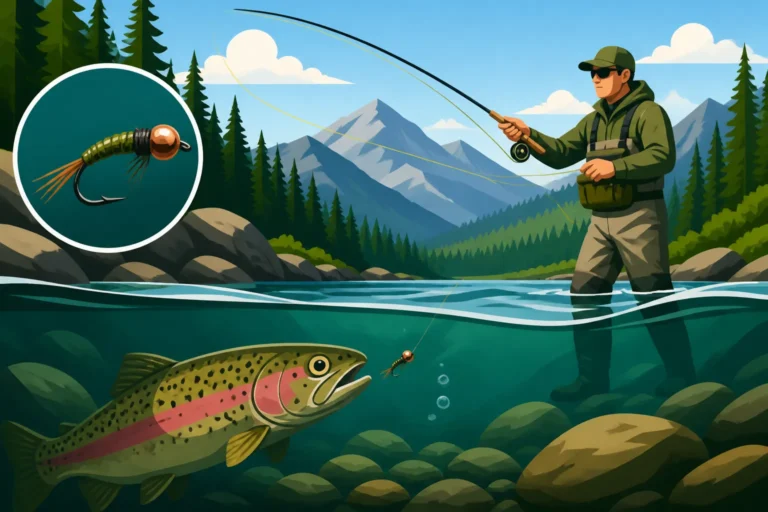
Chironomids are the unsung heroes of early spring fishing. These ubiquitous, non-biting midges are often the first major hatch that gets trout actively feeding after the long winter. They come in a dazzling array of colours – black, olive, red, brown, and even metallic green – but their size is what often throws anglers for a loop.
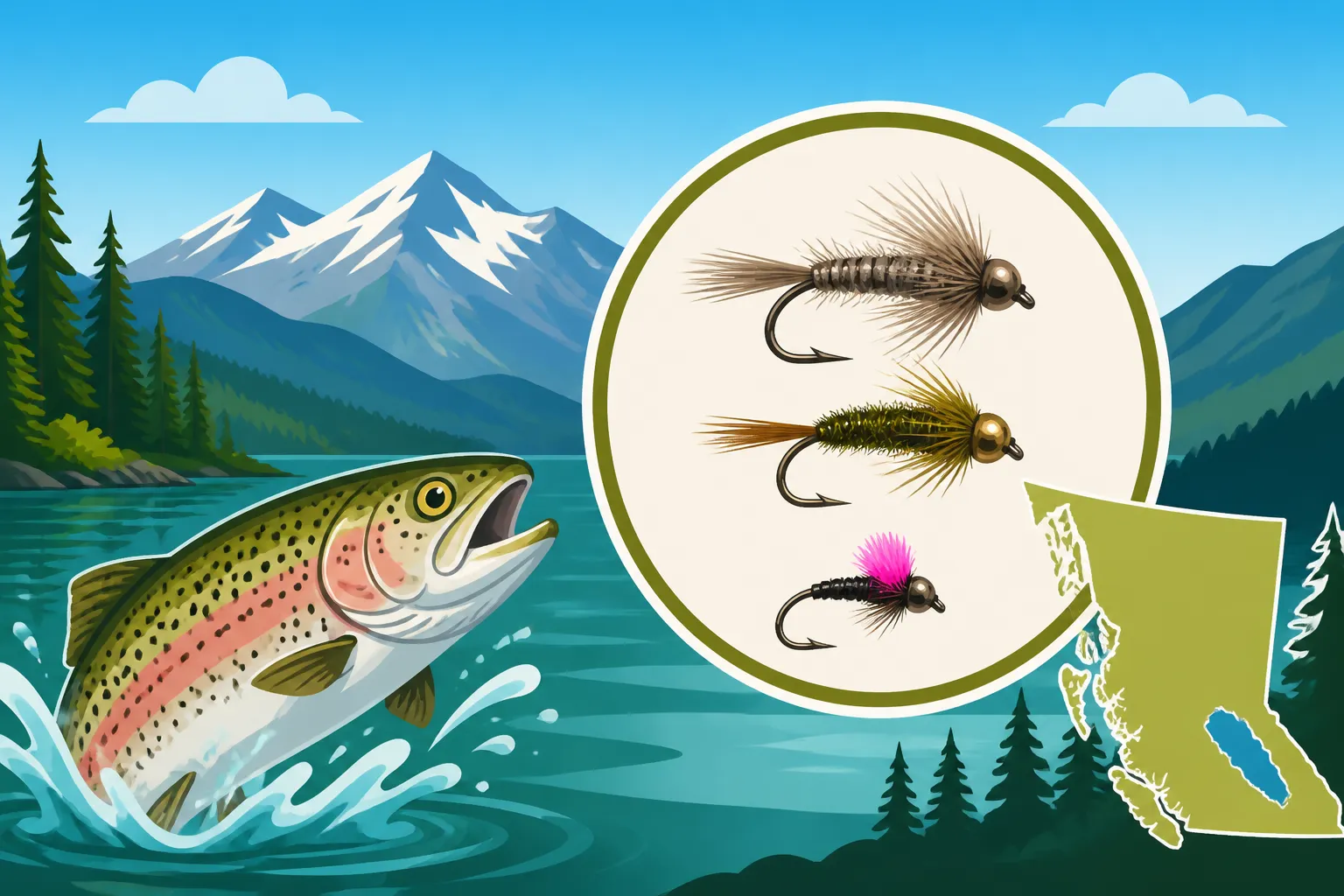
Typically, chironomid pupae and emerger patterns will range from a size #14 down to a minuscule #20, or even #22 or #24 if the trout are extremely selective and the naturals are tiny. However, don't be surprised to encounter "bomber" chironomids, especially in deeper, nutrient-rich lakes, which might require a larger #10 or #12 imitation. The key here is observation. Look for shucks on the surface or examine any naturals you might find. When indicator fishing for these little gems, a slow, almost imperceptible retrieve is usually best. Many reliable chironomid patterns, like bloodworms or gunmetal pupae, can be found in a good range of sizes on Amazon, making it easy to stock your fly box. This foundational knowledge will greatly improve your chances of success on any given day, and it's something every angler should grasp. For more general advice on what to expect throughout the fishing calendar, check out our guide on the BC Fishing Season Dates and Closures.
Mayflies and Caddis: As Waters Warm Up
As the mercury in the thermometer continues its slow but steady rise, you'll start to see more diverse insect activity. Mayflies, with their delicate wings and upright sails, become a prominent food source. In early spring, the prevalent mayfly species might be smaller, requiring imitations in the #16 to #20 range. As the season progresses into late spring, larger mayflies, such as the Grey Drakes or Green Drakes, may emerge, calling for patterns sized #12 to #14.
Caddisflies follow a similar progression. Early spring caddis hatches are often modest, with patterns in the #14 to #18 range being most effective. As the water warms, larger caddis can emerge, sometimes requiring sizes down to #10. A crucial stage to imitate for both mayflies and caddis is the emerger. These are insects struggling in the surface film, and trout often key in on them. Emerger patterns are typically tied a size or two smaller than the adult dry fly patterns. You might be tempted to just throw a big attractor pattern, especially if you're excited about the first surface activity, but those picky trout won't fall for it if the size is wrong. Remember to consult resources like the Reading the BC Freshwater Fishing Regulations Synopsis to ensure you're always fishing within legal limits and understanding any special regulations for specific waters.
Scuds and Leeches: Year-Round Forage
While chironomids, mayflies, and caddis have distinct emergence cycles, scuds and leeches are consistent, year-round food sources for trout in BC interior lakes. They don't hatch, but they're always there, especially in areas with abundant weed beds or structure.
Scuds, or freshwater shrimp, are an absolute trout favorite. They provide a high-protein meal and are particularly important in lakes with dense aquatic vegetation. Scuds usually require patterns in the #12 to #16 range. Having a few different colors (olive, grey, tan) in these sizes is essential. Leeches, on the other hand, represent a substantial meal and can be incredibly effective, especially for larger, more aggressive trout, or during low-light conditions like early morning or late evening. Leech patterns typically range from #6 to #10, and can be tied in various colors such as black, olive, or maroon. Both scud and leech patterns fished slowly along the bottom or near weed lines can be incredibly productive, regardless of whether there's a hatch on or not.
Here’s a quick overview of common spring fly sizes:
| Insect Type | Typical Spring Stage | Fly Sizes (Approximate) | Notes |
|---|---|---|---|
| Chironomids (Midges) | Pupae, Emergers, Adults | #10 to #24 | Often the earliest and most consistent hatch. Go smaller when picky. |
| Mayflies | Nymphs, Emergers, Adults | #12 to #20 | Smaller in early spring, larger towards late spring. |
| Caddisflies | Larvae, Pupae, Emergers, Adults | #10 to #18 | Active as water warms, often erratic risers. |
| Scuds | Nymphs (imitative) | #12 to #16 | Constant food source, especially in weed beds. |
| Leeches | Streamers (imitative) | #6 to #10 | Excellent for aggressive fish, early/late day. |
Practical Approaches to Fly Size Selection in Spring
Armed with knowledge of what the trout are eating, the next step is putting that into practice on the water. It’s not just about knowing the insect; it’s about reading the conditions and the fish themselves.
Starting Small and Adjusting
A tried-and-true rule in fly fishing, especially for finicky trout, is "start small and adjust up." Trout are far more likely to ignore an oversized fly than they are to refuse a well-presented, slightly undersized one. If you’re unsure what size the fish are keying on, it’s always better to err on the side of smaller. Think about it: a small meal is less intimidating and requires less effort to consume.
Once you’ve started with a smaller fly, carefully observe the fish. Are they still ignoring it? Are they rising but not taking? This is where experimentation comes in. Try moving up a size or two. Conversely, if you're not getting any attention, try going even smaller. Pay close attention to any shucks or actual insects on the water or spiderwebs near the shore – these are your best clues for matching the hatch in real-time. This iterative process of observation and adjustment is key to success on unfamiliar waters. If you want to learn more about approaching new fishing spots, our guide on How to pattern trout on an unfamiliar BC lake offers some excellent strategies.
Reading Water Conditions and Fish Behavior
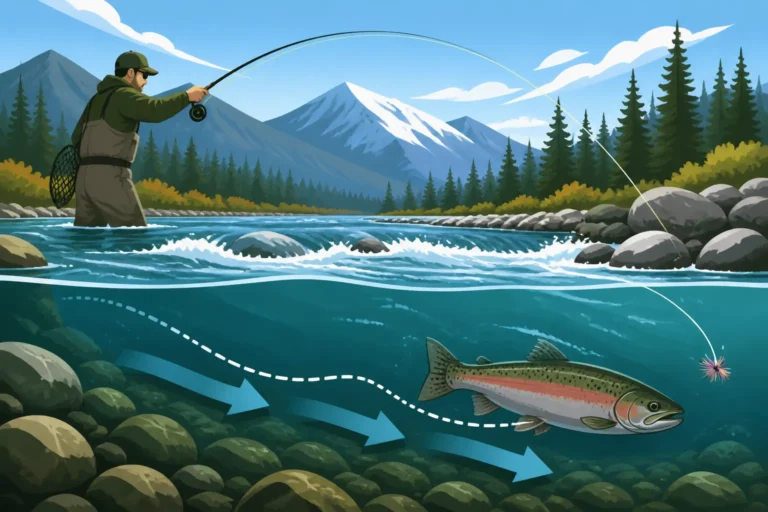
The water itself tells a story, and learning to read it can inform your fly size decisions. Clear, cold water, which is common in early spring, often calls for smaller, more subtle patterns. Trout in these conditions tend to be more wary and will scrutinize your offering more closely. A tiny chironomid pupa (#18 or #20) often does the trick.
If the water is slightly off-colour due to runoff or recent rain, you might find that slightly larger, more visible flies get noticed. The slight murkiness can obscure smaller flies, so bumping up to a #12 or #14 might be beneficial. Beyond water clarity, observing the fish's feeding behavior is critical. Are they making subtle sips at the surface, indicating small emergers or spent adults? Or are they crashing aggressively, suggesting larger, more active insects or even baitfish? A gentle sip usually means tiny dries or emergers, while an aggressive splash could mean a larger dry fly, an attractor pattern, or even a stripping leech if they're chasing. These nuanced observations will significantly improve your fly size selection, and help you decide if it's a day for subtle presentations or more aggressive ones. This also ties into the overall Best Time of Year to Fish in BC, as different seasons dictate different feeding patterns and insect activity.
Essential Fly Box Contents for BC Spring
To be truly prepared for BC interior trout lakes in spring, your fly box needs to be well-stocked with a variety of patterns in a range of sizes. Don't just carry one size of your favourite pattern; carry three or four!
For chironomids, ensure you have pupae and emerger patterns in sizes #12, #14, #16, and #18. Consider black, olive, and red body colours. For mayflies, stock nymphs (like Pheasant Tail Nymphs or Hare’s Ear Nymphs) in #14 to #18, and a few emergers or dries (like a Parachute Adams or Blue-Winged Olive) in similar sizes. Caddis patterns, both larvae (e.g., Green Rockworm) and pupae (e.g., LaFontaine’s Sparkle Pupa) in #12 to #16 are good, along with some Elk Hair Caddis dries. Don't forget scuds in #12 to #16 and black or olive leech patterns in #8 to #10. Stocking up on essential fly sizes from brands available on Amazon is a smart move, ensuring you have what you need for those unpredictable spring days. Having a comprehensive selection, like those used for Trolling Techniques for BC Lake Trout if you also dabble in that, will make you a more versatile and successful angler.
Advanced Tips for Tricky Spring Trout
Even with the right fly size, spring trout can sometimes be incredibly challenging. They've seen it all, and they can be notoriously picky. This is where subtle refinements in technique and presentation can turn a frustrating day into a triumphant one.
Presentation Over Size (Sometimes)
While fly size is undeniably critical, especially during a hatch, there are times when presentation can be an even more significant factor. You might have the exact size #16 chironomid pupa, but if it’s dragging unnaturally through the water, or sinking too fast, trout will ignore it. This is particularly true for trout keying on specific insect movements.
For dry flies, a drag-free drift is paramount. Any unnatural drag will immediately signal to the fish that your fly is not real. For subsurface patterns, matching the insect's natural movement is key. Chironomid pupae often rise slowly and vertically through the water column, so a slow, ascending retrieve under an indicator can be deadly. Scuds might be fished with a short, jerky retrieve to imitate their natural scurrying motion. Sometimes, it’s not just the size, but how that perfectly sized fly behaves in the water that makes all the difference. Mastering this aspect comes with practice and keen observation of the naturals. For those interested in specialized fly fishing methods, our article on Euro Nymphing BC Interior Streams offers techniques that emphasize precise presentation.
Tandem Rigs and Dropper Flies
When the trout are being particularly ambiguous about their preferred meal, or when you suspect a variety of insects might be emerging, a tandem rig or dropper fly setup can be your best friend. This technique allows you to present two different fly sizes, or even two different patterns, simultaneously, essentially doubling your chances of finding what the fish want.
A common setup is to tie a slightly larger nymph (say, a #14 Pheasant Tail) on your main leader, and then off the bend of that hook, tie a shorter piece of tippet (10-18 inches) to a smaller emerger or pupa (like a #18 Chironomid). This allows the smaller fly to drift naturally behind the larger one, covering both bases. If fish are rising, you could use a larger dry fly as your lead fly (it also acts as an indicator) with a small emerger or nymph suspended beneath it. This strategy helps you quickly identify the preferred size and type of food. It's a classic scenario: you've tried everything, and they're still not biting. Sometimes it's not the pattern, but the way it's presented, or having the wrong size. Having the versatility of a tandem rig can often crack the code on a tough day, especially for species like the famous Kamloops trout, which are covered in depth in our guide, What a Kamloops trout is and where they live.
Disclaimer
Please note that fishing regulations and conditions in British Columbia can change frequently. Always consult the most current BC Freshwater Fishing Regulations Synopsis or the Department of Fisheries and Oceans Canada (DFO) website before heading out. This guide is for informational purposes only and does not supersede official regulations.