Best whitefish spots on Williston Lake
Trying to pinpoint the best whitefish spots on Williston Lake can feel like searching for a needle in a haystack, especially when you consider it's one of the largest freshwater lakes in British Columbia—a truly vast and wild expanse. Anglers often struggle with where to even begin, given its immense size and the sheer number of hidden bays, deep channels, and submerged structures. This comprehensive guide is here to cut through that overwhelm, helping you understand where to find these elusive, delicious fish and what strategies will make your Williston Lake whitefish adventure a success.
Understanding Williston Lake Whitefish and Their Habitat
Williston Lake isn't your typical fishing destination; it's an enormous reservoir created by the W.A.C. Bennett Dam in the late 1960s, a true marvel of engineering that flooded a massive area of river valleys, including parts of the Peace, Finlay, and Parsnip rivers. This history means it has a unique and complex underwater topography that's crucial for understanding where whitefish thrive. For anglers, this presents both a challenge and an incredible opportunity to explore truly wild waters.
The Unique Ecosystem of Williston Lake
The formation of Williston Lake transformed an entire riverine system into a sprawling, deep-water lake with countless coves, islands, and submerged timber. This complex environment provides an incredible diversity of habitats. Whitefish, particularly Lake Whitefish and sometimes even Mountain Whitefish in the inflowing river sections, have adapted beautifully to this ecosystem. They are cold-water fish, and Williston Lake, with its significant depth, offers plenty of that crisp, oxygen-rich water they crave, especially during the warmer months.
The lake's nutrient base is also rich, fueled by the many rivers and creeks that feed into it. This creates a robust food web, supporting large populations of insects, crustaceans, and smaller baitfish—all prime food sources for whitefish. Understanding this connection to the food chain is key to locating concentrations of whitefish throughout the year.
Whitefish Behavior and Preferred Conditions
Whitefish in Williston Lake are often found in schools, especially when actively feeding. Their behavior is highly influenced by water temperature, depth, and the availability of their preferred forage. During the warmer summer months, they tend to move into deeper, cooler waters, often congregating around submerged structures, deep drop-offs, and the mouths of colder inflowing streams. This is where you'll find them suspended in the water column or feeding close to the bottom.
As the water cools in fall and during the ice-fishing season, whitefish can often be found shallower, especially near prominent points, shoals, and transitions from deep to relatively shallower water where they might be staging for spawning or simply seeking out food in less extreme depths. They are opportunistic feeders, often sifting through bottom sediments for invertebrates, but they will also actively pursue smaller baitfish or insects suspended in the water.
Top Whitefish Fishing Spots on Williston Lake
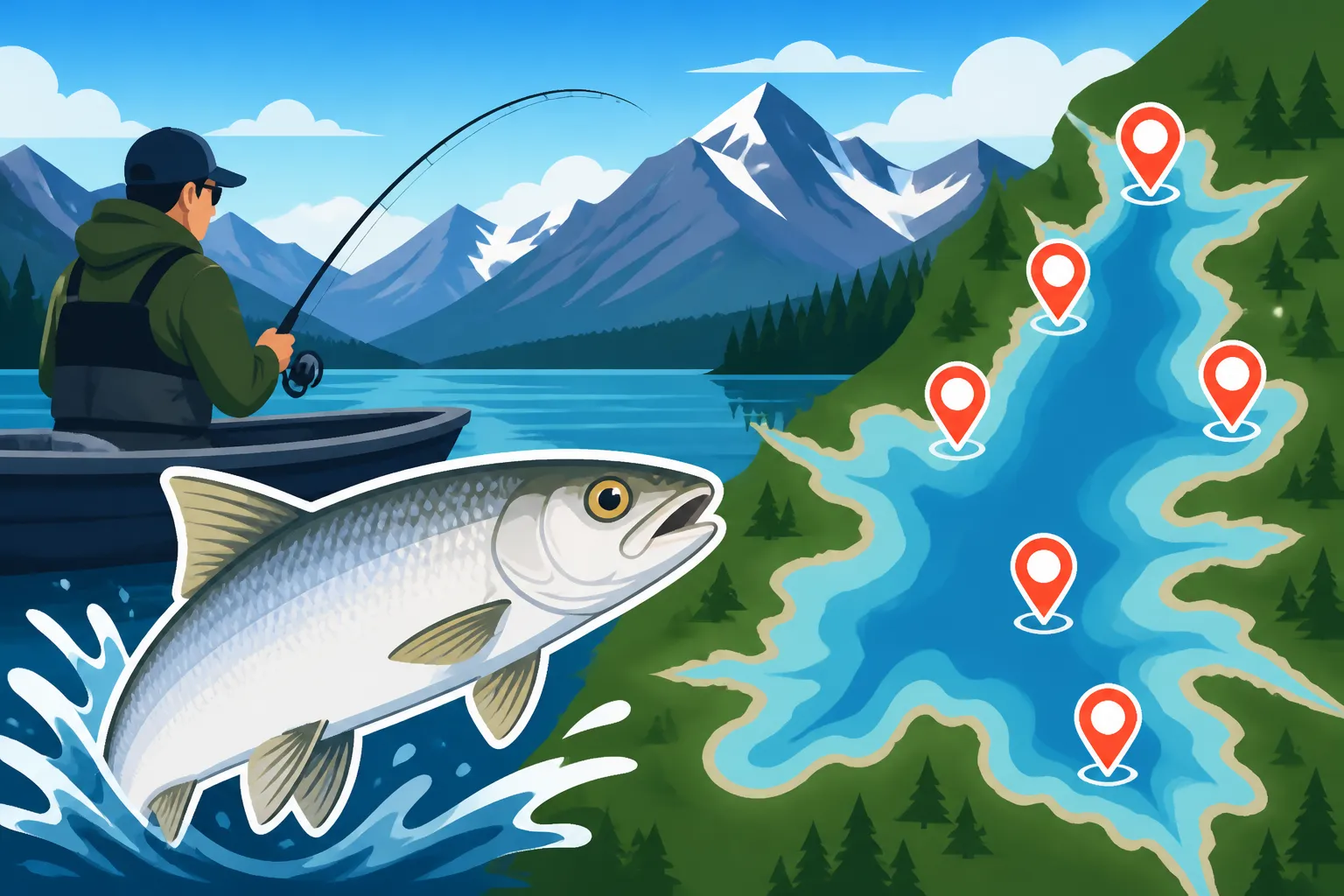
Given the sheer scale of Williston Lake, identifying "spots" can feel overwhelming. It's not like a small trout pond where you can see the entire shoreline. Instead, think about areas with characteristics that whitefish naturally gravitate towards. Here are some of the most reliable types of locations to focus your efforts.
The Confluence of Major Inflowing Rivers
The areas where the Peace, Finlay, and Parsnip rivers flow into Williston Lake are consistently excellent for whitefish. These river mouths bring in cooler, oxygenated water and a steady supply of nutrients and forage. Whitefish, especially during periods of active feeding or migration, will stage in these zones.
The turbulence and currents created by these river inflows can concentrate baitfish and other food sources, making them natural magnets for whitefish. You'll often find them just outside the main current seams, in eddies, or along the edges of the deeper channels that lead into the main lake body. These areas can be particularly productive in late spring and early summer when water levels stabilize, or in the fall as temperatures begin to drop. Navigating these sections requires careful attention to currents and submerged hazards, so a good chart plotter is a must. If you're new to fishing these specific confluence zones, consider checking for local guides who might offer services through platforms like FishingBooker, as their expertise can be invaluable.
Deepwater Reefs, Humps, and Submerged Structure
The ghost forest beneath Williston Lake's surface, comprised of drowned timber and countless submerged humps and rock formations, provides prime whitefish habitat. These structures offer shelter, ambush points, and surfaces for invertebrates to cling to. Whitefish love to relate to structure, often suspending just above it or cruising its edges.
Using your fishfinder to locate these underwater islands, humps, and old river channels is critical. Look for areas where the depth changes abruptly or where significant structure appears on your sonar. Whitefish schools will often show up as dense arches or lines just off the bottom, or sometimes suspended halfway up the water column in deeper sections. Once you find a promising structure, anchor up or use your trolling motor to work the area thoroughly. The sheer number of unexplored deepwater features means there are always new "secret spots" waiting to be discovered.
Large Bays and Sheltered Coves with Gradual Slopes
While deep, cold water is key, whitefish also frequent the mouths of larger bays and sheltered coves, especially those with gradual sloping bottoms that transition from shallow flats to deeper water. These areas can warm slightly more than the main lake, promoting insect hatches and supporting abundant baitfish.
Look for bays that have a good mix of gravel, sand, or even muddy bottoms, as these are ideal for bottom-dwelling invertebrates. The edges of weed beds in these areas, particularly those found in slightly shallower water (15-30 feet), can also hold feeding whitefish. Areas near the entrance to larger bays often act as staging grounds where whitefish will cruise before moving further in to feed, or out to deeper water. Patience and a willingness to explore different depths within these bays will often pay off.
Effective Strategies for Targeting Williston Lake Whitefish
Finding the right spot is only half the battle; employing the right techniques and using appropriate gear will significantly increase your success rate for Williston Lake whitefish.
Preferred Baits and Lures
Whitefish are not typically aggressive predators, so finesse techniques and subtle presentations often work best. For bait fishing, small pieces of dew worms, maggots, or scented soft plastics are incredibly effective. Tipping a small jig or spoon with a piece of bait can be a deadly combination, adding scent and a more natural profile.
When it comes to lures, small jigging spoons (1/8 to 1/4 ounce) in silver, gold, or glow colors are excellent choices, especially when fishing vertically over deep structure. Small curly-tail grubs or tube jigs in white, pearl, or natural baitfish colors can also entice strikes. For the fly angler, small weighted nymphs or chironomids fished under an indicator can be incredibly productive, mimicking the aquatic insects that make up a significant portion of their diet.
Effective Fishing Methods
Vertical Jigging: This is arguably the most consistent method for whitefish in deeper water. Position your boat directly over detected schools or structure and drop your jig or baited hook straight down. A slow, subtle jigging motion with pauses is usually more effective than aggressive jerking. Pay close attention to your fishfinder to stay on top of the schools.
Bottom Bouncing/Drifting: In shallower areas or river mouths, allowing a small weight to tick along the bottom with a baited hook or a light jig can be productive. The current or boat drift will present the bait naturally. For those without a boat, targeting whitefish from shore near river mouths or accessible points can involve similar bottom-fishing rigs.
Trolling (Deep Water): While less common for whitefish, slow trolling with small dodgers and wedding rings or small spoons can be effective, particularly in deeper open water where whitefish are suspended. This is often more of a by-catch method while targeting other species like Lake Trout, but it can certainly connect you with whitefish schools. Keep an eye on your sonar for suspended arches, and adjust your depth accordingly.
Seasonal Considerations for Whitefish Fishing
The best time to target whitefish on Williston Lake truly depends on the season, as their behavior shifts with water temperatures.
- Spring (Ice-out to early June): As the ice recedes, whitefish can be found relatively shallow, often in bays and near river mouths as they feed actively after the long winter. This is an excellent time for both vertical jigging and still-fishing with bait.
- Summer (June to August): With rising surface temperatures, whitefish move deeper, often concentrating around the deepwater reefs, humps, and submerged timber. Focus on depths of 30-80 feet or more. Early mornings and late evenings can be most productive.
- Fall (September to November): Whitefish become very active in the fall, often moving into shallower areas again as the water cools, preparing for spawning. This can be one of the best times for both boat and shore anglers to find them in good numbers. River mouths and major bay entrances are prime.
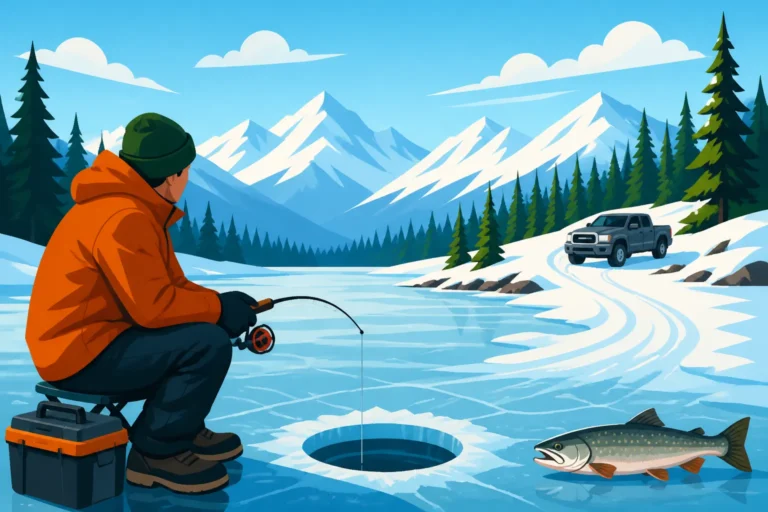
- Winter (Ice-fishing): Williston Lake offers incredible ice fishing opportunities for whitefish. When the ice is safe, target deep structure, humps, and drop-offs. Using a flasher or sonar is invaluable for detecting schools and presenting your jig or bait effectively. Be sure to understand the specific rules for BC Fishing Season Dates and Closures before heading out.
Preparing for Your Williston Lake Whitefish Adventure
A trip to Williston Lake isn't like a quick jaunt to a local pond. Its remote location and vastness require careful planning and respect for its wild nature.
Access Points and Launch Ramps
Williston Lake is truly remote, and access points are limited. The most common launching areas are at Moberly Lake, Mackenzie, and the Finlay Forks region. It's crucial to understand that many of these are basic gravel ramps, and the lake can fluctuate significantly, affecting ramp usability. Always check current conditions before you go.
For those planning to explore the northern reaches, launching further up the Finlay River at places like Fort Ware (though this requires significant travel and potentially specialized vehicles) can offer access to less-fished areas. Given the remote nature of the lake, ensuring your boat and trailer are in top condition is non-negotiable. Always inform someone of your itinerary, and consider investing in satellite communication devices. You'll also want to be familiar with BC Boating Laws for Anglers, especially for such a large body of water.
| Whitefish Hotspot Type | Typical Depth Range (feet) | Best Seasons | Key Characteristics |
|---|---|---|---|
| Inflowing River Mouths | 15-50 | Spring, Fall | Currents, nutrient rich, baitfish concentrations |
| Deepwater Reefs & Humps | 40-100+ | Summer, Winter | Submerged structure, depth changes, oxygenated water |
| Large Bay Entrances | 20-60 | Spring, Fall | Gradual slopes, mix of bottom types, weed lines |
| Submerged Timber / Old Channels | 30-90+ | All | Shelter, ambush points, diverse habitat |
Hiring a Local Guide or Charter
For many, especially those new to Williston Lake, hiring a local guide is a smart investment. These guides possess invaluable knowledge of the lake's ever-changing conditions, the best fishing spots, and the most effective techniques. They can help navigate the complex underwater topography and ensure a safer, more productive trip. You can often find reputable guides through local fishing lodges, tackle shops in nearby communities like Mackenzie or Chetwynd, or by searching online platforms such as FishingBooker.
A guided trip is particularly beneficial if you're targeting specific species like whitefish, which often require precise location and presentation. They'll also be up-to-date on any specific BC Fishing Regulations Explained or local advisories, saving you a lot of guesswork and potential headaches.
Regulations and Conservation
Fishing on Williston Lake, like all waters in British Columbia, is subject to provincial regulations. It's imperative that you obtain a valid British Columbia Fishing License Guide for 2026 before heading out. Be sure to check the current BC Freshwater Fishing Regulations Synopsis for Williston Lake and the surrounding regions, as rules can change annually and may include specific gear restrictions, bag limits for whitefish, or seasonal closures. Knowing the BC Bag and Possession Limits by Species is essential.
Conservation is paramount. Williston Lake is a precious resource, and responsible angling ensures it remains healthy for future generations. Practice catch-and-release with care for any fish you don't intend to keep for consumption, and always dispose of waste properly. Remember to verify current BC Fishery Notices and In-Season Closures, Explained before your trip, as conditions can change rapidly.
Disclaimer
Please note that fishing conditions and regulations in British Columbia can change frequently. Always consult the official BC Freshwater Fishing Regulations Synopsis and relevant fishery notices before planning any fishing trip to Williston Lake. This guide is for informational purposes only and does not replace official government resources.