Best fishing spots in Manning Provincial Park
Stepping into Manning Provincial Park feels like entering a different world, a sprawling wilderness of towering peaks, lush forests, and crystal-clear waters. It's truly a gem for outdoor enthusiasts, but for anglers, the sheer size and diverse aquatic offerings can be a bit overwhelming. Figuring out where to cast your line for the best chances of success, and what fish you might encounter, requires a little insider knowledge. This guide will walk you through the best fishing spots within Manning Park, giving you the confidence to explore its beautiful, fish-filled lakes and streams.
Welcome to Manning Provincial Park: An Angler's Paradise
Manning Provincial Park, nestled in the heart of the Cascade Mountains, is a destination that truly caters to the soul of an outdoorsperson. For those of us who love the tranquility of a rod in hand and the anticipation of a tug on the line, it holds a special allure. However, unlike some smaller, more curated fishing destinations, Manning's vastness can be a double-edged sword. While it offers incredible solitude and pristine environments, knowing where to focus your efforts is key to a rewarding experience. It’s not just about finding water; it’s about finding the right water for what you want to catch.
Why Manning Park is a Gem for Anglers
The park's diverse landscape, from alpine meadows to subalpine lakes and winding rivers, creates a variety of habitats that support healthy fish populations. What makes Manning truly stand out for fishing is its blend of accessibility and wilderness. You have places like Lightning Lake that are easily reached and perfect for a family outing, offering stunning views and a good chance at a catch. Then, just a bit further afield, lie remote lakes that require a hike, promising solitude and often larger, wilder fish for those willing to put in the effort. This mix ensures there's something for every type of angler, whether you're bringing the kids for their first cast or embarking on a multi-day backcountry adventure.
The clean, cold waters flowing down from the mountains feed these ecosystems, ensuring excellent water quality, which is crucial for vibrant fish populations. The park is also known for its stunning natural beauty, so even if the fish aren't biting, the scenery itself is worth the trip. Imagine casting your line with snow-capped peaks reflecting in the calm water at dawn – it’s an experience that transcends just fishing. This unspoiled environment is meticulously cared for, ensuring that future generations can enjoy the same incredible opportunities.
General Regulations and What to Expect
Before you even think about packing your tackle box, it’s absolutely critical to understand the rules. Navigating fishing regulations can sometimes feel like deciphering ancient scrolls, but it’s paramount for responsible angling in British Columbia. Within Manning Park, you're primarily dealing with freshwater fishing regulations, which are overseen by the BC Ministry of Forests, Lands, Natural Resource Operations and Rural Development. These regulations are designed to protect the various fish species and their habitats, ensuring sustainable fishing for everyone.
You'll need a valid British Columbia Fishing License Guide for 2026 before you even touch the water. This isn't just a formality; it's a legal requirement, and fines for fishing without one can be significant. Additionally, certain species, like salmon (if present in connecting waterways outside the park's primary lakes), might require additional stamps, such as the BC Salmon Conservation Stamp Rules. Always check the latest BC Freshwater Fishing Regulations Synopsis for specific bag and possession limits, size restrictions, and any seasonal closures that might apply to individual lakes or streams within the park. This synopsis is updated annually and is your most authoritative source for current rules.
Expect to encounter regulations regarding gear types, bait restrictions, and even specific times of day or year when fishing might be prohibited in certain areas to protect spawning fish. For instance, some lakes might be "fly fishing only," while others permit spin casting but prohibit natural bait. Respecting these rules not only keeps you on the right side of the law but also contributes to the health of the fishery. Remember, we're guests in these wild spaces, and our actions directly impact their future.
Navigating the Waters: Prime Fishing Locations in Manning Park
Manning Park offers a range of fishing opportunities, from easily accessible lakes perfect for a casual afternoon to remote, high-alpine waters that promise solitude and a true wilderness experience. Each spot has its unique charm and challenges, making it worth exploring based on your skill level and desired adventure.
Lightning Lake: A Family Favorite
Lightning Lake is undoubtedly the most popular and accessible fishing destination within Manning Park. Located just a short drive from the main lodge and campground, it's a hub of activity during the warmer months, but still offers fantastic fishing opportunities. The lake is regularly stocked with rainbow trout by the Freshwater Fisheries Society of BC, ensuring a healthy population for anglers. This makes it an ideal spot for beginners, families with young children, or anyone looking for a relatively easy and rewarding day of fishing.
The accessibility means you can fish from various shorelines, including designated fishing docks, or launch a canoe, kayak, or small electric boat. No gas-powered motors are allowed on Lightning Lake, which contributes to its serene atmosphere and pristine water quality. Trolling small lures or flies from a non-motorized vessel can be very effective, especially during the morning and evening hours when the trout are most active. For shore anglers, still-fishing with power bait or worms (where allowed) under a bobber near drop-offs can yield good results. Fly anglers will find opportunities for casting from shore or wading in shallower areas, particularly during insect hatches.
Beyond the fishing itself, Lightning Lake offers picturesque views, often reflecting the surrounding peaks like Mount Frosty. It's a place where you can combine fishing with other activities, like hiking the lakeside trails or enjoying a picnic. Just remember that its popularity means it can get busy, so arriving early is always a good idea, especially on weekends and holidays. Check the BC Boating Laws for Anglers, even for small craft, to ensure you're compliant.
Flash Lake and Strike Lake: High-Altitude Gems
For those willing to put in a bit more effort, the hike to Flash Lake and Strike Lake offers a truly rewarding experience, both in terms of scenery and fishing. These pristine, high-altitude lakes are part of the broader Lightning Lake Chain and require a moderate to strenuous hike to reach, typically ranging from a couple of hours to half a day depending on your pace and starting point. The effort deters many, meaning less pressure on the fish and a greater sense of wilderness immersion.
The fishing in Flash and Strike lakes can be exceptional, often yielding larger, feistier rainbow trout than their more accessible counterpart. These fish are typically wilder, having adapted to the colder, nutrient-scarce alpine environment. Fly fishing is particularly popular here, with anglers often stripping streamers or casting dry flies during hatches. Spin casters can do well with small spoons or spinners. Because these lakes are less accessible, you'll need to pack in all your gear, so light tackle is advisable. A small, inflatable pack raft or float tube can be a game-changer for covering more water if you're prepared to carry it.
The journey itself to these lakes is part of the adventure, traversing beautiful subalpine forests and meadows. It's crucial to be prepared for backcountry travel, including carrying adequate water, food, and bear spray. Always inform someone of your hiking plans and expected return time. The reward for your efforts is not just the potential for a trophy trout, but an unforgettable experience in some of BC's most stunning natural landscapes.
Other Smaller Ponds and Streams
Beyond the main lakes, Manning Park is laced with numerous smaller ponds and feeder streams that can offer surprisingly good fishing, especially for the adventurous angler. These spots are often less fished and can hold healthy populations of smaller trout. While not always stocked, these wilder waters can provide a unique challenge and a sense of discovery. For instance, some of the smaller ponds accessible via hiking trails, particularly those off the main Lightning Lake trail network, might hold smaller, feisty rainbow trout or even brook trout in some instances.
Fishing these smaller streams and ponds often requires a stealthier approach and lighter tackle. Fly fishing with small dry flies or nymphs can be incredibly effective, as can ultra-light spin casting with micro-lures. The key is to be observant of insect activity and fish behaviour. These areas are also fantastic for practicing your casting and reading water, as the smaller scale makes it easier to identify likely holding spots. Always be mindful of stream protection regulations; many smaller streams within provincial parks are catch-and-release only, or have very specific seasonal restrictions to protect sensitive spawning grounds.
Exploring these hidden gems can lead to some truly memorable experiences. Just be sure to double-check the BC Fishing Season Dates and Closures, as smaller, more sensitive waterways often have different rules than the larger, more popular lakes. Sometimes the greatest rewards come from venturing slightly off the beaten path, and Manning Park certainly has plenty of paths to explore.
Targeting the Catch: Species, Seasons, and Successful Techniques
Knowing where to fish is only half the battle; knowing what you're fishing for, when they're biting, and how to catch them significantly increases your chances of success. Manning Park's primary draw is its trout fishing, with distinct seasonal patterns influencing the best approaches.
Rainbow Trout: The Park's Main Attraction
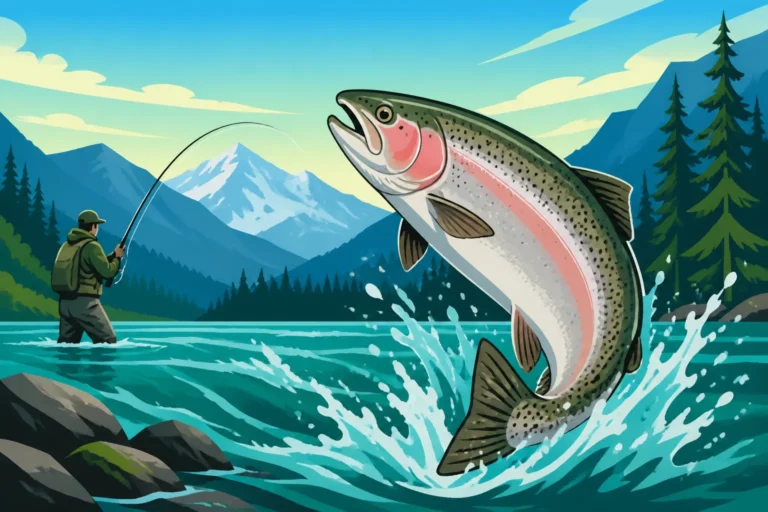
Rainbow trout are the undisputed stars of Manning Provincial Park's fisheries, particularly in the well-stocked Lightning Lake. These hard-fighting, beautiful fish are a joy to catch for anglers of all skill levels. They are known for their vibrant colours and acrobatic leaps once hooked, making for an exciting fight. While the stocked rainbows in Lightning Lake tend to be in the pan-fryer size range, the wilder populations in Flash and Strike lakes, and some of the more remote ponds, can grow considerably larger.
For stocked rainbows, a variety of techniques work well. If you're spin casting, small inline spinners (like Mepps or Rooster Tail), spoons (such as Little Cleos or Dick Nites), and artificial worms (like PowerBait) are perennial favourites. For fly anglers, the options are vast. Early season and cooler water often call for nymph patterns like Prince Nymphs or Hare's Ears, fished under an indicator or with a slow retrieve. As summer progresses and insect hatches become more prolific, dry flies imitating caddis, mayflies, or even grasshoppers can be incredibly effective. Don't forget small leech or minnow patterns (streamers) for those aggressive takes, particularly when targeting larger fish.
Presentation is key. Rainbow trout can be finicky, especially in clear waters. A natural drift for flies or a consistent, enticing retrieve for lures will make all the difference. Knowing How to Catch Rainbow Trout in BC Lakes will definitely give you an edge, especially if you're new to lake fishing. Remember that water temperature plays a significant role in their activity levels, with cooler mornings and evenings typically being the most productive.
Other Species and Their Preferences
While rainbow trout are dominant, it's worth noting that other species might occasionally be found or targeted in specific areas of the park, though usually not as consistently as rainbows. Historically, some of the higher elevation lakes might have had populations of Eastern Brook Trout, which are also very aggressive and fun to catch. However, in many areas, these are considered an introduced species, and their presence can be complicated by conservation efforts for native fish. Always consult the regulations closely for any specific lake, as some may have unique rules regarding introduced species.
For those interested in the broader BC fishing scene, it's good to know that different parts of the province offer varied opportunities. For instance, if you were to venture to the coast, you'd be looking at Halibut Fishing Techniques for BC's Coast, or if you went further north, Arctic Grayling in Northern BC Rivers. But within Manning Park itself, the focus truly remains on the trout. Occasionally, you might encounter small sculpins or other baitfish in the streams, indicating a healthy food chain for the trout. Stick to trout-specific techniques, and you’ll likely find success.
Seasonal Considerations for Manning Park Fishing
The fishing in Manning Park is heavily dictated by the seasons, transforming with the melting snow and cooling temperatures.
- Spring (May-June): This is often a fantastic time as the ice comes off the lakes, and the trout are hungry after a long winter. Water temperatures are cool, and fish are often found closer to shore or in shallower bays where insects are emerging. Bait (if allowed) can be very effective, as can slowly retrieved lures and nymphs. The roads and trails might still have snow, especially at higher elevations, so check conditions before heading out.
- Summer (July-August): Peak season for park visitors, but also for fishing. Trout will move into deeper, cooler waters during the heat of the day, making early mornings and late evenings the best times. Dry fly fishing can be excellent during hatches, and trolling deep with spoons or weighted flies can entice fish in the middle of the day. The higher lakes become fully accessible during this period.
- Fall (September-October): As temperatures drop and fewer people are around, fall can offer some of the best fishing. Trout become more aggressive as they feed up for winter, and their colours are often at their most vibrant. Streamer fishing can be particularly effective, and while dry fly hatches are less frequent, they can be intense when they occur. The stunning fall foliage also adds to the experience, making it a beautiful time to be on the water.
- Winter (November-April): Ice fishing is permitted on Lightning Lake once the ice is safely thick enough, usually from late December through March. This can be a rewarding experience for those prepared for the cold. Jigging with small spoons or bait under a bobber are common techniques. Always prioritize safety and check ice thickness before venturing out.
Planning Your Expedition: Permits, Gear, and Local Support
A successful fishing trip to Manning Park goes beyond just knowing the hot spots. Careful planning regarding licenses, equipment, and understanding available resources can make all the difference between a frustrating outing and a truly memorable adventure.
Essential Gear and Supplies
Packing the right gear is crucial for any fishing trip, but especially when you’re heading into a provincial park where access to supplies might be limited. For general trout fishing in Manning Park’s lakes, a light to medium-light spinning rod (6-7 feet) paired with a reel spooled with 4-8 lb monofilament or fluorocarbon line is versatile. If you're a fly angler, a 4-6 weight fly rod with a matching reel and floating line will cover most situations, along with a selection of tippet and leaders.
Beyond your rod and reel, don't forget a tackle box stocked with appropriate lures, flies, and terminal tackle (hooks, weights, swivels, bobbers). Always carry a pair of pliers for hook removal and a measuring tape to ensure your catch meets BC Bag and Possession Limits by Species. A small landing net can be invaluable for safely landing and releasing fish. Other essentials include waders or waterproof boots if you plan to wade, a brimmed hat, polarized sunglasses for spotting fish and protecting your eyes, and appropriate layers of clothing, as mountain weather can change rapidly. Don’t forget bug spray, especially during summer months.
For those venturing into the backcountry to Flash or Strike Lake, a good quality backpack, proper hiking footwear, and essential backcountry safety gear (first-aid kit, navigation tools, headlamp) are non-negotiable. Always pack enough water and snacks, and be prepared for sudden weather shifts. Leave no trace principles are especially important in these pristine environments, so pack out everything you pack in.
Accommodation and Park Facilities
Manning Provincial Park offers a variety of accommodation options to suit different preferences and budgets. The core of the park's facilities is around the Manning Park Resort, which provides lodge rooms, cabins, and chalets, along with amenities like restaurants and a general store where you can sometimes pick up basic fishing supplies or snacks. This is a great base for families or those who prefer comfort after a day on the water.
For a more rustic experience, the park boasts several campgrounds, including the popular Lightning Lake Campground, which offers easy access to the lake. Other campgrounds like Hampton, Mule Deer, and Lone Duck provide different levels of service, from full hook-ups to more primitive sites. Booking well in advance is highly recommended, especially during peak summer months, as these spots fill up quickly. Many campgrounds also have day-use areas with picnic tables and washrooms, perfect for a quick stop.
Remember, while the park is well-equipped, it's still a remote area. Cell service can be spotty or non-existent in many parts, so don't rely solely on your phone for navigation or communication. Embrace the opportunity to disconnect and immerse yourself in nature.
Hiring a Local Guide or Charter
While Manning Park is very accessible for self-guided trips, sometimes the best way to maximize your experience, especially if you’re new to the area or targeting specific species, is to hire a local guide. A knowledgeable guide can provide invaluable insights into current conditions, the most productive spots, and the best techniques for the day. They often have specialized gear and know the nuances of the local fishery, significantly increasing your chances of success.
While Manning Park itself doesn't typically have formal "charters" in the saltwater sense, there are often independent freshwater guides or outfitters who specialize in trout fishing within the region. These guides can provide everything from half-day walk-and-wade trips on streams to full-day lake excursions, complete with instruction and gear. If you're looking for expert guidance, platforms like FishingBooker can be a great resource to find reputable local guides operating in the broader region around Manning Park or in nearby communities. They allow you to compare services, read reviews, and book directly.
Booking a guide is particularly beneficial for learning specific techniques, such as fly casting, or for understanding the nuances of how fish react to different conditions in mountain lakes. Using a service like FishingBooker ensures you're connecting with licensed professionals who prioritize safety and ethical fishing practices. This can be especially helpful for beginners or those who want to focus on catching fish rather than figuring out logistics.
| Fishing Spot | Primary Fish Species | Accessibility | Recommended Techniques | Best For |
|---|---|---|---|---|
| Lightning Lake | Rainbow Trout | Easy (short drive from lodge/campground) | Spin, Fly, Bait (if allowed), Trolling | Families, Beginners, Canoes/Kayaks |
| Flash Lake | Rainbow Trout | Moderate-Strenuous Hike | Fly, Spin (small lures) | Experienced Anglers, Wilderness Seekers |
| Strike Lake | Rainbow Trout | Moderate-Strenuous Hike | Fly, Spin (small lures) | Experienced Anglers, Backcountry Enthusiasts |
| Smaller Ponds/Streams | Rainbow Trout, Brook Trout (occasional) | Varies (often short hikes off trails) | Ultra-light Spin, Fly (dry flies, nymphs) | Explorers, Stealthy Anglers, Learning Water |
Disclaimer
Fishing regulations and conditions can change rapidly. Always consult the latest official British Columbia fishing regulations and local fishery notices before planning your trip and heading out onto the water. This guide is for informational purposes only and does not constitute legal advice. Stay safe and fish responsibly.