Ucluelet Halibut Fishing
For many anglers, the dream of hooking into a barn-door halibut is what draws them to the rugged coast of Vancouver Island, but figuring out where and how to actually make that dream a reality can feel like an overwhelming puzzle. With so many options and ever-changing conditions, it's easy to get frustrated before you even cast a line. This comprehensive guide is designed to cut through the confusion, offering deep insights into the unparalleled halibut fishing opportunities around Ucluelet and equipping you with the knowledge to plan a truly epic trip.
Why Ucluelet is a Halibut Hotspot
Ucluelet, often affectionately called "Ukee" by locals, isn't just a picturesque surf town on the west coast of Vancouver Island; it's a true angler's paradise, especially when it comes to Pacific halibut. The sheer abundance and often impressive size of the fish here are no accident. It all comes down to a unique combination of geographic advantages, ocean currents, and a rich food chain that creates the perfect environment for these bottom-dwelling giants to thrive.
Geographic Advantages and Nutrient-Rich Waters
Nestled along the wild west coast, Ucluelet benefits immensely from its proximity to the open Pacific Ocean. Unlike more sheltered inland waters, Ucluelet sits at the doorstep of the continental shelf, where deep, nutrient-rich waters are constantly upwelling. This geological feature creates a phenomenal marine ecosystem. Cold, deep ocean currents carry a bounty of plankton and other microscopic organisms to the surface, which in turn feed vast schools of baitfish like herring, sardines, and anchovies. Halibut, being opportunistic predators, follow this food source directly. The intricate network of underwater canyons, shelves, and deep trenches just offshore provides perfect ambush points and foraging grounds for them. It’s this constant influx of sustenance that supports such a robust and healthy halibut population, making the area consistently productive year after year.
Deepwater Structure and Baitfish Abundance
Halibut are structure-oriented fish, and the Ucluelet area is riddled with it. Imagine a vast underwater landscape of rocky pinnacles, ledges, plateaus, and sandy bottoms interspersed with gravel and shell beds. These features provide ideal habitat for halibut to lie in wait, camouflaged against the seafloor, ready to pounce on unsuspecting prey. The presence of these varied structures, combined with the aforementioned abundance of baitfish, creates a vibrant hunting ground. Schools of rockfish, lingcod, and various crustaceans also call these deep structures home, adding to the halibut's varied diet and growth potential. When you're out on the water, your guide will often be looking for these exact features on their sonar, knowing that where there's good structure and bait, there's likely to be halibut. This intricate relationship between geography, prey, and predator is precisely why Ucluelet reigns supreme for halibut fishing, often producing trophy-sized fish that leave anglers with sore arms and unforgettable memories.
Prime Halibut Fishing Seasons in Ucluelet
While halibut can be caught year-round in the waters surrounding Ucluelet, there are definitely periods when the action really heats up. Understanding these peak seasons can significantly increase your chances of success and help you plan your trip for the best possible experience. Timing is everything when you're trying to land one of these impressive flatfish.
Peak Summer Action
Without a doubt, the prime time for Ucluelet halibut fishing typically runs from late spring through late summer, roughly May to September. This is when the weather patterns are generally more stable, making for calmer seas and more comfortable boat rides to the offshore fishing grounds. More importantly, this period coincides with major baitfish migrations and warmer water temperatures, which make halibut more active and aggressive feeders. During these months, halibut move into shallower, more accessible offshore banks and seamounts to feed heavily, packing on weight. You'll often find a higher concentration of fish, and the chances of hooking into a truly massive specimen are at their highest. If you're looking to book a trip, this is when charter spots fill up fast, so advanced booking is absolutely essential. Many anglers choose to go in July and August for the best combination of weather and fishing action.
Spring and Fall Opportunities
While summer gets all the glory, don't overlook the shoulder seasons of spring (April-May) and fall (September-October). These periods can offer fantastic fishing, often with fewer crowds and a more tranquil experience on the water. In spring, as water temperatures begin to rise, halibut start to become more active after the colder winter months, moving into shallower feeding areas. The weather can be a bit more unpredictable, with some choppier days, but the fishing can be exceptionally rewarding for those willing to brave cooler temperatures. Similarly, in the fall, as baitfish begin their migrations in preparation for winter, halibut engage in another feeding frenzy. This can be a great time for trophy fish as they fuel up before heading to deeper waters. While the number of fish might not be as high as the absolute peak of summer, the quality of fish can be excellent, and the serene beauty of the Ucluelet coast in the fall is a reward in itself. Many experienced anglers prefer these quieter periods for a more solitary and focused fishing adventure. Planning your trip means considering whether you prioritize sheer numbers or a more relaxed, less crowded experience with potentially larger fish. You can often find great deals through services like FishingBooker during these shoulder seasons, and their listings often provide insights into when specific charters have the best success.
Here's a quick look at the general fishing conditions you might expect:
| Season | Typical Months | Halibut Activity | Weather Conditions | Crowds | Notes |
|---|---|---|---|---|---|
| Spring | April – May | Moderate to High | Variable, cooler, can be windy | Lower | Good chance for larger fish. |
| Summer | June – September | High | Generally calm, warmer | High | Peak season, best numbers. |
| Fall | October | Moderate to High | Variable, cooler, can be rainy | Moderate | Excellent for trophy fish, fewer anglers. |
| Winter | November – March | Low | Often rough, cold | Very Low | Challenging, few charters operate. |
Essential Gear and Techniques for Ucluelet Halibut
Halibut are big, powerful fish, and they require a specific approach when it comes to gear and technique. You can't just show up with your trout rod and expect success. These are deep-water beasts that demand heavy-duty equipment and a strategic approach to entice them and, more importantly, to get them off the bottom and into the boat.
Heavy-Duty Rods, Reels, and Line
When you're targeting halibut in Ucluelet, you're looking for gear that can handle serious weight and relentless pulling power. Forget finesse; this is about brute strength. You'll want a heavy-action boat rod, typically 6 to 7.5 feet long, with a strong backbone and a sensitive tip. Graphite composite rods are popular for their balance of power and feel. Pairing this with a robust conventional reel (star drag or lever drag) is crucial. Brands like Penn, Shimano, and Daiwa make excellent reels designed for deep-water bottom fishing. Look for models with a high line capacity and a smooth, powerful drag system. A good rule of thumb is a reel capable of holding at least 300-500 yards of 80-100 lb braided line.
Speaking of line, braided line is almost universally preferred for halibut. Its thin diameter for its breaking strength, minimal stretch, and excellent sensitivity allow you to feel even the most subtle bites in deep water. You'll typically use 80 lb test for general fishing, moving up to 100 lb or even 130 lb if you're specifically targeting monster halibut or fishing in areas with particularly heavy current or structure. A 6 to 10-foot fluorocarbon or monofilament leader, usually 80-150 lb test, is then tied to the end of your braid. The leader helps with abrasion resistance against sharp rocks and the halibut's rough mouth. Don't skimp on your terminal tackle either: heavy-duty swivels, snaps, and circle hooks (typically 12/0 to 16/0) are paramount to avoid break-offs when that big one hits.
Effective Baits and Lures for Halibut
Halibut are not picky eaters, but some offerings are undeniably more effective than others. Fresh bait is king, and herring is often considered the gold standard. A whole, fresh herring, ideally 6-8 inches long, rigged on a large circle hook, is incredibly effective. Other popular bait options include salmon heads or bellies, octopus, squid, and even chunks of cod or rockfish. The key is to use fresh, oily bait that creates a strong scent trail in the water, attracting halibut from a distance.
Beyond natural bait, a variety of artificial lures also perform exceptionally well. Large lead jigs, often weighing 8-16 ounces (or more in strong currents), are a staple. Popular jig styles include "butterfly" jigs, "delta" jigs, and large spoon jigs. The goal with jigs is to mimic an injured baitfish. Tipping these jigs with a piece of bait, like a herring fillet or a squid tentacle, often increases their effectiveness significantly by adding scent and texture. Large plastic swimbaits, particularly those with paddle tails, rigged on heavy jig heads, can also be deadly. Colors like white, glow-in-the-dark, chartreuse, and blue/silver combinations are generally reliable. Often, the best approach is to have a selection of both natural baits and artificial lures on hand, allowing you to adapt to what the halibut are feeding on that day. If you're looking for more detailed information on specific setups, check out our guide on Halibut Fishing Techniques for BC's Coast.
Jigging and Drifting Strategies
When you're out on the water targeting halibut, two primary techniques dominate: jigging and drifting. Both are highly effective, and the choice often depends on the current, depth, and the specific structure you're fishing.
Jigging involves dropping your weighted jig or baited rig directly to the seafloor and then working it up and down. The motion can vary from slow, deliberate lifts and drops to more aggressive snaps and freefalls, trying to trigger a strike from a curious halibut. The key is to maintain contact with the bottom. Halibut spend their lives on the seafloor, so your bait needs to be right in their strike zone. You'll want to regularly drop your bait back down to ensure it's at the correct depth as your boat moves or the current changes. The subtle thump of a halibut inhaling your bait can sometimes be hard to distinguish from the jig hitting the bottom, especially in deep water, so paying close attention to your line is vital. For specific insights into this method, you might find our article on Jigging for Halibut off Vancouver Island particularly useful.
Drifting is another popular and often highly productive method, especially over larger, flatter areas of productive bottom or when you want to cover more ground. With drifting, the boat uses the current and/or wind to slowly move across a fishing ground while your bait or lure is deployed. Anglers typically use a heavy weight (often a cannonball sinker or pyramid sinker, sometimes 1 to 3 pounds depending on depth and current) attached to a spreader bar or a three-way swivel rig, with a leader holding the bait or lure trailing behind it. The idea is for your bait to bounce and drag along the bottom as the boat moves, creating a scent trail and disturbing the seafloor, which can attract halibut. This method allows you to prospect wider areas and locate schools of feeding fish. Both techniques can be used effectively on the same trip, often with charter captains switching between them based on what's producing bites.
Finding the Best Halibut Grounds near Ucluelet
The waters off Ucluelet are vast and can be intimidating, but local knowledge and modern electronics help narrow down the hotspots for halibut. These aren't just random spots; they are specific underwater features that consistently hold fish due to their structure and proximity to food sources.
Offshore Banks and Seamounts
The most famous and productive halibut grounds near Ucluelet are the numerous offshore banks and seamounts that rise from the deep Pacific seafloor. These include well-known names like the Big Bank and La Perouse Bank. These massive underwater plateaus are typically found anywhere from 20 to 50 miles offshore, sometimes even further. The "banks" are essentially shallower areas (though still hundreds of feet deep) surrounded by much deeper water. This elevation forces nutrient-rich currents upward, creating an incredibly rich ecosystem that attracts massive schools of baitfish, which in turn draw in halibut, salmon, and other predators.
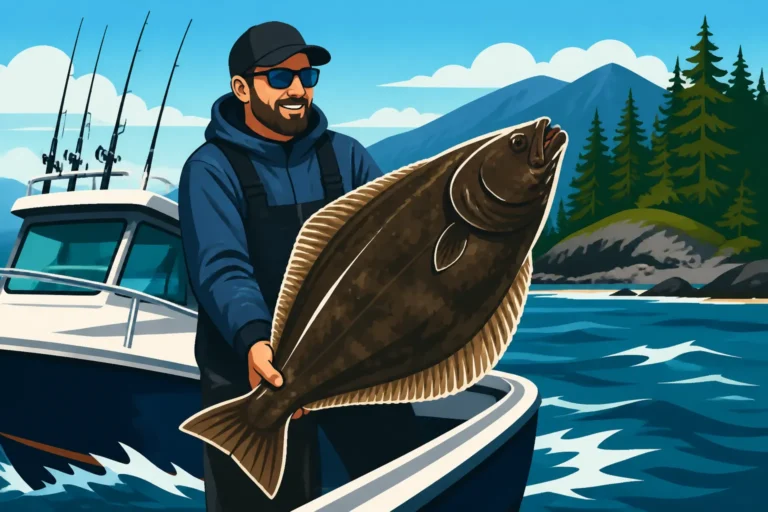
Fishing these banks often requires a significant boat ride, sometimes an hour or more each way, depending on weather and sea conditions. Once there, however, the fishing can be phenomenal. Anglers frequently encounter halibut in the 20 to 80-pound range, with true monsters exceeding 100 or even 200 pounds making an appearance regularly. These areas are characterized by vast expanses of relatively flat, sandy, or gravelly bottom, interspersed with rocky outcroppings and subtle depressions where halibut love to lie in wait. Local charter captains, who spend countless hours on these waters, have an intimate knowledge of the most productive drifts and specific pinnacles that consistently hold fish. Understanding the unique characteristics of these areas is key, as halibut often prefer specific depths on these banks. For instance, sometimes they're concentrated around the 300-foot mark, while on other days, they might be shallower at 150-200 feet or deeper at 400 feet. Our article on Best Halibut Fishing Spots in BC gives a broader overview of these amazing locations.
Closer-in Structure and Reefs
While the allure of the Big Bank is strong, excellent halibut fishing can also be found closer to shore around Ucluelet. There are numerous inshore reefs, rocky ledges, and deeper channels that provide habitat for smaller, but still respectable, halibut. These spots are often within a 30-minute to an hour boat ride from the harbour, making them ideal options when offshore conditions are too rough, or for anglers who prefer shorter runs.
Areas just outside of Barkley Sound or along the more sheltered parts of the coast can hold good numbers of halibut, particularly during periods of high baitfish activity. These inshore fish might not reach the colossal sizes of their offshore counterparts, but a 30- to 60-pound halibut is still a fantastic catch and provides an exhilarating fight. The techniques for fishing these areas are similar to offshore, but you might use slightly lighter tackle due to shallower depths and less intense currents. Looking for areas with a mix of rocky structure and sandy patches where baitfish congregate is often the key. Remember, halibut are masters of camouflage, blending perfectly with the seafloor, so dropping your bait right into their feeding zone is crucial.
Reading the Depths and Currents
Success in Ucluelet halibut fishing heavily relies on understanding and interpreting the marine environment, particularly depths and currents. Halibut are benthic creatures, meaning they live on or near the bottom, so knowing the depth is paramount. Most halibut are caught in waters ranging from 100 to 400 feet, but they can be found shallower or deeper depending on the time of year, bait presence, and specific location. Modern fish finders and chart plotters are invaluable tools for identifying these productive depth ranges and locating underwater structures like humps, ledges, and drop-offs.
Beyond depth, understanding currents is perhaps even more critical. Strong currents can make it incredibly difficult to keep your bait on the bottom, leading to tangled lines and unproductive drifts. Ucluelet's open ocean exposure means currents can be significant, especially around the edges of the continental shelf and over exposed banks. Charter captains are constantly monitoring current strength and direction, using it to their advantage to position the boat for optimal drifts. They'll also adjust the amount of weight needed to ensure the bait stays in the strike zone. Sometimes, slack tide periods (when the current is minimal) are preferred for halibut fishing as they allow for more controlled drifts and easier bottom contact. Other times, a moderate current can be beneficial, helping to spread the scent of your bait. Being attuned to these dynamic ocean conditions is a hallmark of a successful halibut angler in Ucluelet.
Choosing a Ucluelet Halibut Charter
For most visiting anglers, booking a professional fishing charter is the best way to experience Ucluelet's renowned halibut fishing. These charters provide the expertise, specialized gear, and local knowledge that are absolutely essential for a successful and safe trip in offshore waters. But with so many options available, how do you pick the right one?
What to Look For in a Charter Operator
Choosing the right Ucluelet halibut charter can make all the difference between an unforgettable trip and a frustrating day on the water. First and foremost, look for a captain with a solid track record and extensive experience fishing the local waters, particularly the offshore halibut grounds. Experience means they understand the ever-changing ocean conditions, know where the fish are likely to be biting, and how to safely navigate the open Pacific. Don't be afraid to ask about their years of experience and their approach to halibut fishing.
Secondly, consider the type and condition of their boat. For offshore halibut trips, you'll want a vessel that is stout, stable, and well-maintained. A good offshore boat will typically be 25 feet or larger, with ample deck space, safety equipment, and reliable electronics including GPS, sonar, and radar. Ask about the capacity – how many anglers do they take per trip? This impacts comfort and the amount of personal fishing space. Reputable charters will also provide high-quality gear (rods, reels, tackle) that is appropriate for battling large halibut. Make sure to inquire if they supply all necessary tackle or if you need to bring anything specific. Look for operators who prioritize safety, have all the required certifications (like those from Transport Canada), and maintain proper first aid and emergency equipment. Finally, read reviews and testimonials. Sites like FishingBooker can be incredibly helpful for this, as they often feature verified reviews from previous customers, giving you a real sense of what to expect.
Booking and Preparation Tips
Once you've narrowed down your choice, booking your Ucluelet halibut charter requires a bit of planning. Given the popularity of the summer months, it's highly recommended to book well in advance, sometimes 6-12 months out, especially if you have specific dates in mind or are traveling with a larger group. Many charters require a deposit to secure your booking. Websites like FishingBooker simplify the booking process by allowing you to compare available charters, prices, and amenities all in one place. They often have real-time availability and secure payment options, making it easy to confirm your trip with confidence.
Before your trip, the charter operator should provide you with a list of what to bring. Essentials typically include your valid British Columbia Fishing License Guide for 2026 (which you must purchase before your trip, including any necessary conservation stamps), appropriate layers of clothing (it can be significantly colder and windier on the water than on shore, even in summer), waterproof outerwear, sturdy non-slip footwear, sunglasses, a hat, and sunscreen. Don't forget snacks, drinks, and any personal medications. If you're prone to seasickness, take preventative measures before you board the boat. Most charters will provide all the fishing gear, bait, and often even clean and bag your catch. Confirm these details when booking. It's also a good idea to discuss tipping etiquette with your captain beforehand, or simply plan to tip 15-20% of the trip cost for excellent service. Our guide on What to Expect on a BC Fishing Charter has more great preparation tips.
Understanding Regulations and Conservation
Fishing in British Columbia, especially for iconic species like halibut, comes with a set of important regulations designed to ensure the sustainability of the fishery for future generations. It's crucial for every angler to understand and adhere to these rules, not just to avoid penalties, but to contribute to responsible resource management.
Bag Limits and Size Restrictions
One of the most immediate regulations you'll encounter when halibut fishing in Ucluelet relates to bag limits and size restrictions. These rules can change from year to year, and sometimes even mid-season, based on stock assessments and conservation goals, so always check the most current DFO (Department of Fisheries and Oceans Canada) regulations before heading out. Generally, for Pacific Halibut, there is a daily catch limit and a possession limit. For example, in recent years, the daily limit for recreational anglers has often been one halibut per day, with specific size windows. This usually means keeping a halibut that falls within a minimum and maximum length range, or sometimes keeping a larger fish if you choose to keep fewer in your possession.
The exact rules are critical. For instance, you might be allowed to retain one halibut per day, and the maximum length for this one fish might be, say, 126 cm, or you might have the option of retaining two halibut, but only one can be over a certain size (e.g., 90 cm) and the other must be under a smaller size (e.g., 68 cm). These rules are designed to protect both juvenile fish and the large, mature breeding females. Always measure your fish carefully and accurately before deciding to retain it. Your charter captain will be intimately familiar with the current regulations and will guide you, but it’s still your responsibility as an angler to be aware. Our detailed article on BC Halibut Bag Limit Rules can provide more up-to-date specifics.
Sustainable Practices and Releasing Fish
Beyond limits, practicing sustainable fishing is a core responsibility for all anglers in Ucluelet. This means not only adhering to bag limits but also minimizing harm to fish that are caught and released, either because they are undersized, oversized, or because you've already met your limit. Halibut are robust fish, but deep-water catch and release requires care to maximize their survival chances.
When releasing halibut, particularly those brought up from significant depths, minimizing handling time is key. Use a de-hooking device if possible, or quickly remove the hook with pliers. Avoid dragging the fish onto the deck if it's going to be released. If the fish appears to be suffering from barotrauma (swim bladder expansion from rapid ascent), "venting" (puncturing the swim bladder with a hollow needle) or using a "descending device" to return the fish to depth can significantly increase its survival rate. Many Ucluelet charters carry these tools. It’s also crucial to avoid fishing in known halibut spawning areas if they are in season, though recreational anglers are usually protected from this by DFO closures. Choosing to release larger, mature female halibut, even if they are within legal limits, is a commendable conservation practice, as these big females are crucial for the future health of the halibut population. Every effort we make to fish responsibly contributes to the longevity of this incredible fishery, ensuring that anglers can continue to enjoy Ucluelet halibut fishing for generations to come.
Disclaimer
Fishing regulations and conditions in British Columbia can change rapidly. The information provided in this guide is for general informational purposes only and should not be considered legal advice. Always consult the official Fisheries and Oceans Canada (DFO) regulations, local fishery notices, and your chosen charter operator for the most current and accurate rules and conditions before planning and embarking on any fishing trip. Safety should always be your top priority.