BC fishing regulations for provincial park lakes
Many anglers dream of casting a line in the pristine, serene waters of British Columbia's provincial parks, imagining tranquil mornings and eager fish. However, the reality can be a bit more complex than just showing up with a rod and reel. Navigating the specific regulations that apply within these protected areas can be a real headache, and getting it wrong can lead to fines or even the loss of your fishing privileges. This comprehensive guide is here to untangle the complexities of BC fishing regulations for provincial park lakes, ensuring your next park angling adventure is smooth, legal, and truly enjoyable.
The Dual Layer of Regulations for Park Anglers
One of the most common points of confusion for anglers heading into a provincial park to fish is understanding that you're operating under two distinct, yet interconnected, layers of rules. It’s not simply a matter of knowing the general provincial fishing laws; you also need to be aware of any specific stipulations that Parks BC might have in place for that particular protected area. Think of it like driving: you have the general rules of the road, but also specific parking bylaws that apply only in certain zones. Ignoring one doesn't make you compliant with the other!
The Overarching British Columbia Freshwater Fishing Regulations
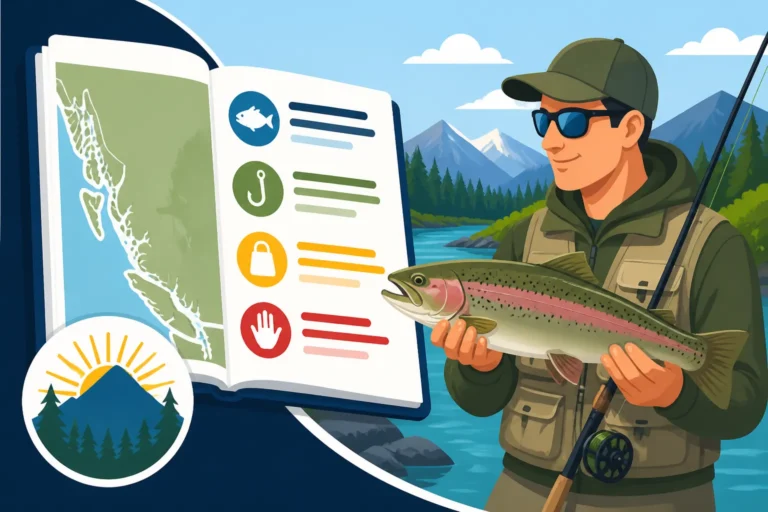
At its core, all fishing within British Columbia’s freshwater systems, including the lakes and rivers found within provincial parks, is governed by the provincial Freshwater Fishing Regulations Synopsis. This is your primary source of truth for things like province-wide minimum size limits, general daily quotas, permitted fishing times, and legal gear types. Every angler needs to be intimately familiar with this document, which is published annually and available online. It’s a dense read, no doubt, but absolutely crucial. Many seasoned anglers keep a digital copy on their phone, or even a printed one tucked into their tackle box. You can often find a current printed version at tackle shops or online retailers like Amazon, alongside other essential gear. Getting comfortable with Reading the BC Freshwater Fishing Regulations Synopsis is step one for any BC angler.
This synopsis details everything from the legal definition of a fishing rod to restrictions on bait use in certain regions. It covers the broad strokes of species identification, ensuring you can correctly identify what you've caught before deciding whether it's legal to retain. For example, knowing the difference between a Rainbow Trout and a Bull Trout isn't just academic; it could determine whether you're complying with the law, as catch limits and even retention legality can vary wildly between species, even in the same water body. This overarching document sets the baseline for all freshwater fishing activity in BC, and provincial parks are not exempt from its directives.
Specific Bylaws and Management Plans Within Provincial Parks
Now, here's where the second layer comes in. While the provincial synopsis sets the general framework, individual BC Provincial Parks can, and often do, have additional, more restrictive bylaws or management plans in place that supersede or add to those general regulations. These park-specific rules are designed to protect sensitive ecosystems, manage recreational use, or preserve specific fish populations within that park's boundaries. You wouldn’t want a busy lake in a popular park to be overfished, or to have methods used that could harm endangered species present only in that particular area.
These park-specific regulations are typically posted on signage at park entrances, boat launches, and popular fishing spots. They might also be detailed on the specific park's webpage on the BC Parks website. For instance, a provincial park lake might have a general provincial limit of four trout, but the park's specific bylaw might reduce that to two, or even designate the entire lake as BC Catch and Release Only Waters for certain species. Sometimes, there are restrictions on motor types (e.g., electric motors only, or no motors at all), or even prohibitions on fishing from certain docks or swimming beaches. It’s vital to check these local postings before you cast your first line. A good rule of thumb is: if there’s a discrepancy between the provincial synopsis and the park signage, the more restrictive rule always applies.
Navigating Species, Limits, and Gear in Park Waters
Once you understand the dual regulatory system, the next step is to dive into the specifics that will directly impact your day on the water. Every angler wants to know what they can catch, how many, and with what equipment. Within BC Provincial Parks, these details often have additional layers of complexity.
Species-Specific Rules and Retention Limits
Just like anywhere else in BC, provincial park lakes will have specific rules for each fish species present. However, parks often highlight particular species for conservation or enhancement. You might find a lake that is primarily managed for Rainbow Trout, and therefore has generous limits, while a nearby lake in the same park could have very strict limits, or even be catch-and-release only, for a different species like Bull Trout due to local conservation efforts. These rules are clearly outlined in the Freshwater Fishing Regulations Synopsis under the regional tables, but also pay close attention to any park-specific signage.
It's common for parks to have "special regulations" sections in the synopsis that pertain specifically to their waters. For example, a small, easily accessible lake in a park might be part of the List of BC stocked trout lakes program, meaning it's stocked regularly to provide family-friendly fishing opportunities, and thus might have slightly different, often more liberal, retention limits for stocked trout than wild populations in other areas. Conversely, a remote wilderness lake within a park might have zero retention allowed for native species to preserve its pristine ecology. Always verify BC Bag and Possession Limits by Species for the exact body of water you intend to fish.
Understanding Gear Restrictions and Prohibited Methods
Gear restrictions are another area where provincial park regulations can diverge from the general provincial rules. While the provincial synopsis outlines general legal tackle, parks frequently impose further limitations to reduce environmental impact or prevent overfishing. Common restrictions include:
- Single barbless hooks only: This is a widespread conservation measure in many BC waters, especially for salmon and steelhead, and often applies to all species within sensitive park ecosystems to minimize harm during catch and release.
- No bait fishing: Some parks, particularly those with strong conservation mandates or where specific fish populations are vulnerable, may prohibit the use of natural baits (like worms, roe, or PowerBait) to prevent accidental hooking mortality or the introduction of non-native species.
- Specific lure or fly only zones: In some instances, a park might designate certain areas for fly fishing only, or restrict lures to artificial, non-scented types.
- No motors or electric motors only: While not strictly a fishing gear restriction, this impacts your ability to access fishing spots within a park lake. Many park lakes, especially smaller ones, are designated as non-motorized or electric-only to maintain tranquility and protect water quality. This is definitely something to check if you plan to bring a boat, as BC Boating Laws for Anglers are also something you'll need to know.
These gear restrictions are crucial to respect. Bringing the wrong type of hook or bait into a restricted area can lead to immediate fines. Always double-check the park's specific rules before rigging up.
Navigating Seasonal Closures and Designated Conservation Areas
Fishing seasons are a critical component of conservation across BC, and provincial parks are no exception. Many lakes and streams within parks will have specific BC Fishing Season Dates and Closures to protect spawning fish or sensitive juvenile populations. For example, a lake known for its Kokanee spawn might have a closure during the fall months, or a stream running through a park might be closed to fishing entirely during the spring Steelhead run. These closures are absolute, regardless of what species you're targeting; if the water is closed, you cannot fish there.
Beyond full closures, parks might also have designated conservation areas or wildlife protection zones where all human activity, including fishing, is prohibited. These might be sensitive bird nesting areas, spawning channels, or areas critical for wildlife viewing. These zones are almost always clearly marked with signage within the park. It's not just about fish; it's about the entire ecosystem the park aims to protect. Ignorance of these closures or restricted areas is not a valid defense, so a quick check of the BC Parks website for the specific park you plan to visit can save you a lot of grief.
Essential Licensing and Equipment Considerations
Before you even think about regulations specific to a park, you absolutely need to ensure you have the foundational elements in place. Without these, no amount of knowledge about park-specific rules will save you from potential penalties.
Your Mandatory BC Freshwater Fishing License
This might sound obvious, but it bears repeating: everyone who fishes in British Columbia's freshwater, including provincial parks, must possess a valid BC Freshwater Fishing License, unless they are specifically exempt (e.g., certain age groups under the BC fishing license age requirements). This isn't just a suggestion; it's the law. This license is your fundamental permit to fish. It's important to understand the difference between BC Freshwater vs Tidal Waters License, Explained as they are completely separate. You can buy these licenses online directly from the BC government website, or through various vendors like local tackle shops and certain general stores. Many anglers find it convenient to buy their annual license well in advance. If you're wondering Where and How to Buy a BC Fishing License, the government website is always the most reliable source, but a quick search on Amazon for "BC fishing license" might also lead you to helpful guides or accessories for displaying your license properly.
Fishing without a valid license is a serious offense in BC and can result in significant fines. Park rangers, conservation officers, and even RCMP officers have the authority to check your license. The penalties for BC fishing without a license penalty can be steep, so don't risk it. Always carry proof of your license, whether it's a printed copy, a digital version on your phone, or both. Imagine the frustration of planning a perfect trip, only to have it cut short because you forgot this basic requirement.
When Conservation Surcharge Stamps Are Required
Beyond the base fishing license, certain species require additional "conservation surcharge stamps." These stamps contribute directly to the management and enhancement of specific fish populations. The most common ones you'll encounter are for:
- Salmon: If you intend to retain any species of Pacific Salmon (Chinook, Coho, Sockeye, Pink, Chum) in freshwater, you must purchase a Freshwater Salmon Conservation Stamp.
- Steelhead: Similarly, if you plan to retain any Steelhead, a Steelhead Conservation Surcharge Stamp is required.
- Sturgeon: If you plan to fish for Sturgeon, even on a catch-and-release basis, a Sturgeon Conservation Surcharge Stamp is mandatory.
The rules around these stamps, explained in detail in BC Conservation Surcharge Stamps, Explained, can sometimes be confusing, particularly for salmon and steelhead, where retention limits are often zero anyway due to conservation concerns. However, the requirement for the stamp sometimes still stands even for catch-and-release fisheries, so it’s always best to verify. If you're unsure if a stamp is required for a species you might encounter in a provincial park lake, err on the side of caution and purchase it. These stamps are usually inexpensive and are easily added to your license purchase online.
Boating Regulations and Aquatic Invasive Species Prevention
If you plan to use a boat to fish in a provincial park lake, you're not just under fishing regulations; you're also subject to Transport Canada boating regulations and BC Parks specific rules. This includes requirements for safety equipment, such as life jackets for every person on board, a bailing device, a whistle, and navigational lights if operating after sunset or in restricted visibility. Smaller, unpowered craft might have fewer requirements, but it's crucial to know them all. The BC Boating Laws for Anglers article can give you a deeper dive into these requirements.
Beyond safety, a significant concern in all BC waters, and particularly in provincial parks, is the prevention of Aquatic Invasive Species (AIS). Zebra and Quagga mussels, for instance, pose a massive threat to BC's pristine aquatic ecosystems. Many provincial parks have mandatory boat inspection stations, or at the very least, signage urging you to "Clean, Drain, Dry" your boat, trailer, and fishing gear before entering and after leaving any body of water. This means thoroughly cleaning all visible mud, plants, and debris; draining all water from your boat, live wells, and bilge; and ensuring everything is completely dry before launching into a new lake. This isn't just a recommendation; it's an essential practice to protect our waters and is often a legal requirement for entry into certain provincial parks.
Planning Your Provincial Park Fishing Trip Wisely
A successful and enjoyable fishing trip to a BC provincial park requires more than just knowing the rules; it demands thoughtful planning and a deep respect for the environment and other park users.
Identifying Catch-and-Release Only Waters
Many provincial park lakes are managed as catch-and-release only, either for all species or for specific sensitive populations. This is a powerful conservation tool that allows for recreational fishing enjoyment while fully protecting the fish stocks. Before heading out, always confirm if the lake you're targeting has such restrictions. As mentioned earlier, BC Catch and Release Only Waters are becoming more common in areas where fish populations are fragile or where the goal is to provide a pure recreational experience without harvest pressure.
If you are fishing in catch-and-release waters, proper technique is paramount. Use barbless hooks, minimize handling of the fish, keep them in the water as much as possible, and revive them gently before release. Consider using a soft, knotless landing net. Taking a quick photo is fine, but prioritize the fish's health above all else. Remember, the goal in these waters is to ensure the fish live to fight another day, contributing to a healthy ecosystem and future angling opportunities.
| Key Regulation Checklist for BC Provincial Park Lakes | Yes / Check Park Info |
|---|---|
| Valid BC Freshwater Fishing License | |
| Required Conservation Surcharge Stamps | |
| Confirm Bag & Possession Limits for Target Species | |
| Check for Catch-and-Release Only Restrictions | |
| Verify Gear Restrictions (Hooks, Bait, Lures) | |
| Check for Seasonal or Area Closures | |
| Review Park-Specific Boating & Motor Rules | |
| Plan for Aquatic Invasive Species Prevention (Clean, Drain, Dry) | |
| Understand Park Etiquette & Respect Other Users | |
| Emergency Preparedness (First Aid, Communication) |
Respecting Park Etiquette and Other Users
Provincial parks are shared spaces, often attracting a diverse range of visitors: hikers, campers, swimmers, bird watchers, and, of course, anglers. This means practicing good park etiquette is just as important as following fishing regulations. Be mindful of noise, especially early in the morning or late in the evening. Don't cast near swimmers or in designated swimming areas. Keep your fishing lines and gear tidy to prevent tangles with wildlife or other people. Pack out everything you pack in, including all fishing line, bait containers, and trash. Littering is not only unsightly but harmful to the environment and wildlife.
Respecting other users also extends to sharing the resource. If a spot is clearly being used by another angler, find an alternative. If you encounter wildlife, give them space and never feed them. By being a courteous and responsible park user, you contribute to a positive experience for everyone and help maintain the natural beauty that makes BC's provincial parks so special. You might even want to pack a small, lightweight fishing guide or a book on local flora and fauna, easily found on Amazon, to enhance your appreciation of the park's natural environment beyond just fishing.
Preparing for Success and Avoiding Common Mistakes
The key to a rewarding provincial park fishing experience is preparation. Don't just show up hoping for the best. Here are some tips to avoid common pitfalls:
- Do Your Homework: Before leaving home, check the specific BC Parks website for the park you're visiting. Look for a "Things to Do" or "Activities" section, which often has details on fishing, including any unique regulations. Cross-reference this with the Freshwater Fishing Regulations Synopsis for that region.
- Come Prepared: Ensure you have all required licenses and stamps printed or readily accessible on your phone. Have appropriate gear for the regulations (e.g., barbless hooks if required). Pack a first-aid kit, extra water, snacks, sunscreen, and bug spray. Weather can change quickly in BC, so layers of clothing are always a good idea.
- Ask if Unsure: If you arrive at a park and are still uncertain about a specific regulation, look for a park ranger or ask at the visitor center if one is available. It’s far better to ask than to unknowingly break a rule.
- Practice Leave No Trace: Beyond just packing out trash, this philosophy encourages minimizing your impact in every way. Stay on designated trails, avoid disturbing vegetation, and keep campfires small and contained where permitted.
- Be Flexible: Sometimes, your planned spot might be too crowded, or conditions might not be ideal. Have a backup plan or be willing to explore other areas within the park. The goal is enjoyment, and sometimes that means adapting to the circumstances.
By embracing this comprehensive approach, your fishing adventures in British Columbia's stunning provincial park lakes will not only be legal and safe but incredibly fulfilling. Tight lines!
Disclaimer
Please note that fishing regulations in British Columbia can change. While every effort has been made to provide accurate and up-to-date information in this guide, it is ultimately the angler's responsibility to consult the most current British Columbia Freshwater Fishing Regulations Synopsis and any specific BC Parks bylaws before fishing. This guide is for informational purposes only and should not be considered legal advice.