BC halibut annual limit
There's nothing quite like the thrill of hooking into a powerful Pacific halibut off the coast of British Columbia, but navigating the rules and regulations can sometimes feel like a puzzle. Many anglers struggle to keep track of the nuanced rules, especially when it comes to annual limits, which are often different from the daily bag limits. This comprehensive guide will break down everything you need to know about the BC halibut annual limit, helping you stay compliant and enjoy a successful, worry-free fishing season.
Navigating the BC Halibut Annual Limit
British Columbia's waters are world-renowned for their incredible fishing opportunities, and Pacific halibut are certainly a prized catch. However, managing this valuable resource requires careful regulation. Anglers often confuse daily limits with annual limits, leading to potential misunderstandings or even unintentional infractions. Understanding both is crucial for responsible fishing.
The Official Halibut Annual Limit for Recreational Anglers
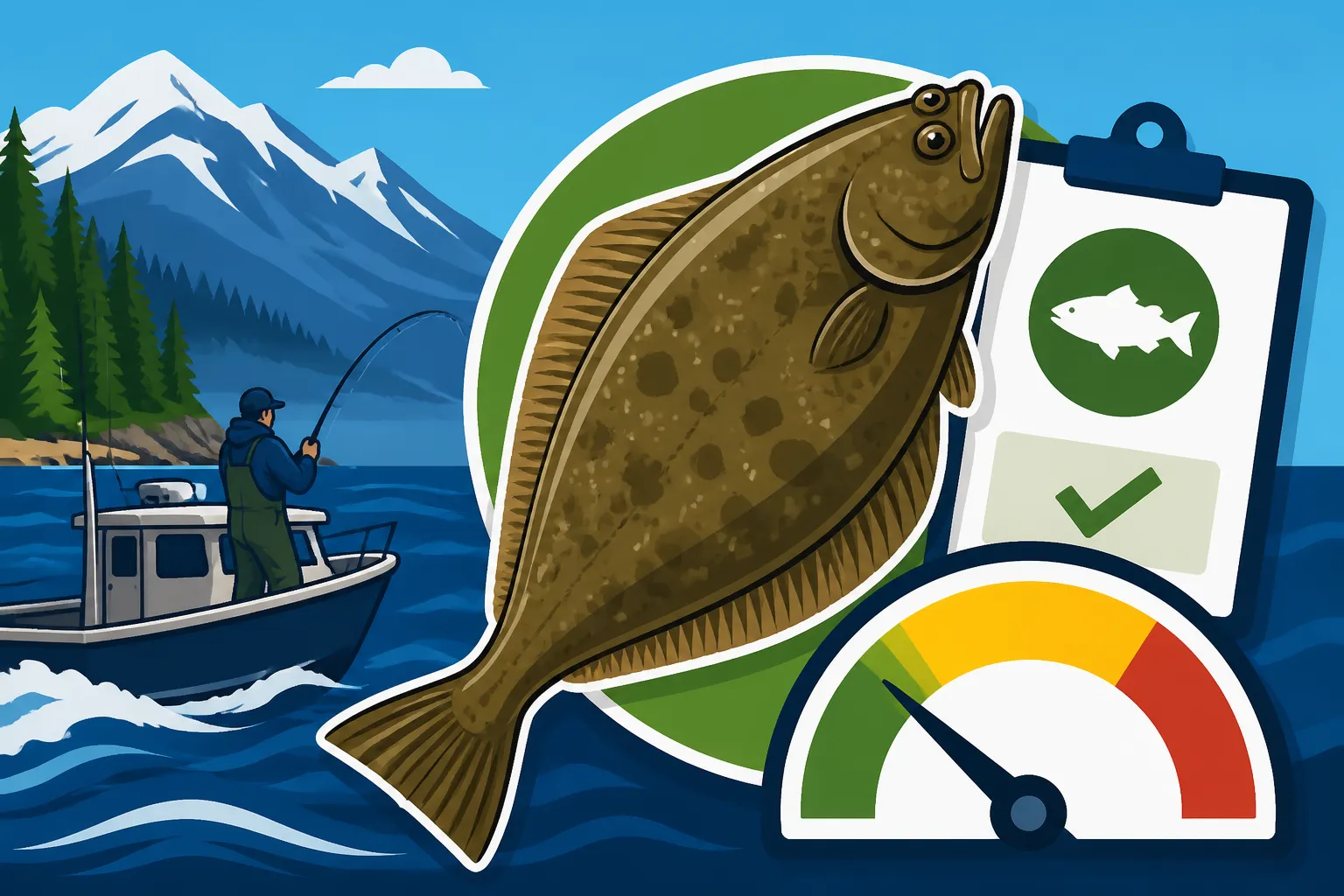
When it comes to recreational fishing for Pacific halibut in British Columbia, the Department of Fisheries and Oceans (DFO) sets the rules, and they're pretty clear. Currently, for a single tidal waters fishing license year (which runs from April 1st to March 31st), you are permitted to retain two (2) Pacific halibut. This isn't a suggestion; it's a hard limit designed to ensure the long-term sustainability of the halibut population. This limit applies to all recreational anglers, whether you're a resident or a visitor, and it's a critical piece of information that many folks overlook. It means that once you've kept two halibut within that twelve-month period, your halibut retention for the year is done, regardless of how many more times you go out fishing.
Differentiating Annual Limits from Daily Bag and Possession Limits
Now, this is where it can get a little tricky for some folks. The annual limit of two halibut per year is in addition to the daily bag limit and the possession limit, which are also very important to understand.
- Daily Bag Limit: This refers to the maximum number of fish of a certain species you can retain in a single day. For Pacific halibut in BC, the daily bag limit is generally one (1) halibut. This means that on any given day you are fishing, you can only keep one halibut.
- Possession Limit: This is the maximum number of fish you can have in your possession, whether that's on your boat, in your vehicle, or at your home. For Pacific halibut, the possession limit is also typically one (1) halibut, which aligns with the daily limit. This means you can't go out and catch one halibut today, keep it, then go out tomorrow and catch another one, bringing both home. You can only have one at a time in possession unless specific regulations for multi-day trips or processing facilities allow for temporary exceptions (which are rare and complex for halibut). This is a common pitfall for many anglers, especially those on multi-day trips, so always double-check the current regulations before heading out. For more details on these critical rules, you'll want to review the official BC Halibut Bag Limit Rules before your trip.
The key takeaway here is that while you can only keep one halibut per day and possess one at a time, your total cumulative catch for the entire year cannot exceed two. It's like having a small allowance for the year, but also rules about how much of that allowance you can spend in one day.
The Foundational Role of Conservation in Halibut Management
You might wonder why these limits are so strict, especially for such a delicious and popular fish. The answer lies squarely in conservation. Pacific halibut are long-lived, slow-growing, and highly sought after by commercial, recreational, and Indigenous fisheries. Without carefully managed limits, their populations could easily be overfished, leading to serious ecological and economic consequences.
The DFO, in collaboration with various stakeholders including recreational angling groups, constantly monitors halibut stocks through scientific assessments and catch data. The annual limit is a direct result of these assessments, designed to allocate a sustainable portion of the total allowable catch to the recreational sector. By adhering to these limits, every angler plays a vital role in ensuring that future generations can also experience the thrill of halibut fishing in BC. It’s not just about following rules; it’s about protecting a precious natural resource for everyone.
Essential Practices for Tracking Your Halibut Catch
Keeping accurate records of your halibut catches isn't just a good idea; it's a mandatory requirement under DFO regulations. Failing to do so can lead to significant issues, so it's vital to have a reliable system in place before you even cast your first line.
Mandatory Recording Requirements for Pacific Halibut
This is a point that often catches anglers off guard: for Pacific halibut, specific details of your catch must be immediately recorded on your BC Tidal Waters Sport Fishing Licence. This isn't like some freshwater licenses where you might just keep a mental note. The regulations require you to:
- Record the date of capture.
- Record the location (e.g., specific area or general fishing zone).
- Record the length of the halibut in centimeters.
- Mark the annual limit box on your license to indicate that you have retained one of your two annual halibut.
This recording process needs to happen immediately after the halibut is retained and before it's hidden from plain view or removed from the fishing site. Enforcement officers often conduct checks at boat launches, docks, and even on the water, and they expect to see your license properly marked. If you haven't recorded your catch correctly, it could be seen as an attempt to circumvent the annual limit.
Practical Systems to Maintain Accurate Catch Records
Trying to remember these details after a long day on the water, or worse, after several trips, is a recipe for disaster. Here are some practical ways to ensure you maintain accurate and compliant records:
- Waterproof Notebook and Pen: This is a classic for a reason. Keep a small, waterproof notebook and a permanent marker or waterproof pen handy on your boat or in your tackle box. Before you even think about putting that halibut on ice, take a moment to write down the date, location, and length. Then, grab your license and mark it.
- Dedicated Logbook: You can find fishing logbooks specifically designed for this purpose, some of which even have sections for species-specific data, weather conditions, and lure choices. This can be a great way to not only track your compliance but also to improve your fishing success over time by noting patterns. Many excellent options are available on online retailers like Amazon.
- Digital Apps (with caution): While there are many fishing apps available, remember that the DFO requires the marking on your physical license. You can use an app as a backup or for personal analysis, but it doesn't replace the mandatory physical mark. Ensure you have a system to transfer the digital record to your physical license promptly.
Recommended Gear for Measurement and Record-Keeping
Having the right tools at hand makes the recording process simple and less prone to error.
- Measuring Device: A reliable measuring tape or, even better, a pre-marked measuring board (often called a "fish ruler" or "fish mat") is essential. Halibut have minimum and maximum size limits (typically 60 cm to 90 cm), so accurate measurement is non-negotiable. Many anglers attach these rulers directly to their boat's gunwale or cooler lid for easy access.
- Waterproof Pen/Marker: A fine-tip, permanent, waterproof marker is crucial for marking your license. Regular pens can smudge or wash off, rendering your record invalid.
- Clip-on Retractor: Keep your measuring tape, license, and pen on a clip-on retractor or lanyard so they're always within reach and won't accidentally go overboard when things get hectic on deck. You can find robust, marine-grade retractors for your tools from various suppliers, including those on Amazon.
- Camera: While not mandatory for recording, a photo with the fish on a measuring board can provide excellent secondary proof of compliance and, of course, a fantastic memory! Just be sure to mark your license first.
By preparing ahead with these simple tools and habits, you can ensure you're always on the right side of the regulations and contribute positively to the conservation efforts. Remember, a well-prepared angler is a responsible angler.
Understanding the Ramifications of Exceeding Halibut Limits
The regulations around halibut fishing in BC are not just suggestions; they are legally enforceable rules designed to protect the fishery. Exceeding these limits, whether intentionally or accidentally, can lead to serious consequences that no angler wants to face.
Legal Penalties for Non-Compliance
Fishery officers are present on the water, at docks, and boat launches across BC, and they take their job of enforcing DFO regulations very seriously. If you are found to have exceeded the daily, possession, or annual limit for Pacific halibut, or if your catch isn't properly recorded on your license, the penalties can be substantial. These can include:
- Fines: Monetary fines are a common consequence, and they can range from several hundred to several thousand dollars depending on the severity of the infraction.
- Seizure of Catch and Gear: Fishery officers have the authority to seize any illegally retained fish, and in more serious cases, they can also seize your fishing gear, including rods, reels, and even your boat.
- License Suspension: Your fishing license can be suspended, meaning you won't be able to fish in BC waters for a specified period, which can be particularly disheartening if fishing is a major part of your lifestyle.
- Court Appearances: For more serious or repeat offenses, you may be required to appear in court, which can involve legal fees, travel costs, and a significant amount of stress.
- Criminal Charges: In extreme cases, such as commercial-level poaching or repeated, blatant disregard for regulations, criminal charges can be laid, leading to even more severe penalties and a permanent criminal record.
These consequences are not taken lightly by the DFO, as they are essential deterrents to ensure compliance and protect the fishery for all. It's far better to err on the side of caution, understand the rules, and fish responsibly than to face these unpleasant outcomes. For current information on fines and enforcement, check the Fishing Without a License in BC: Penalties guide, as many of the principles of enforcement apply across species.
Ethical Considerations and the Future of Halibut Fishing
Beyond the legal ramifications, there's a strong ethical component to adhering to halibut limits. Every fish you retain above the legal limit is a fish taken from a shared resource, potentially impacting the overall health of the stock and the opportunities for other anglers, commercial fishers, and Indigenous communities.
- Resource Depletion: Overfishing by even a small percentage of recreational anglers, if widespread, can collectively put immense pressure on fish populations. Halibut are long-lived, and it takes many years for them to reach maturity and reproductive age, making them particularly vulnerable to overharvesting.
- Maintaining Public Trust: Responsible angling builds trust between the fishing community, regulators, and the general public. When regulations are flaunted, it can lead to public outcry and even stricter regulations being imposed on everyone, limiting opportunities for all.
- Preserving the Experience: Part of the magic of fishing in BC is the chance to catch these magnificent creatures. If populations decline due to non-compliance, those opportunities dwindle, diminishing the very experience we all cherish. Supporting sustainable practices ensures that the Best Halibut Fishing Spots in BC remain productive for generations to come.
Staying Informed on In-Season Changes and Fishery Notices
Fishery regulations, especially for highly managed species like halibut, are not set in stone for years on end. They can and do change, sometimes even in-season, based on scientific assessments, stock fluctuations, or unforeseen events. It is every angler's responsibility to stay informed.
- DFO Fishery Notices: The DFO regularly issues Fishery Notices that announce changes to regulations, openings, closures, or other important information. Before every trip, especially for popular species like halibut, you should always check the latest notices. A great resource for this is the BC Fishery Notices and In-Season Closures, Explained post.
- Local Tackle Shops and Marinas: These local businesses are often excellent sources of up-to-date information, as they deal with anglers and DFO officers daily. Don't hesitate to ask about any recent changes.
- Fishing Guides and Charters: If you're going out with a professional, like one of the Best Halibut Charters out of Tofino, they will be acutely aware of all current regulations. However, it's still good practice to be informed yourself.
By being proactive and staying informed, you can avoid unintentional non-compliance and continue to enjoy your halibut fishing adventures within the rules.
Strategizing Your Halibut Season for Success
For many anglers, the annual limit of two halibut might seem small, especially if you love to spend a lot of time on the water. However, with careful planning and a commitment to responsible angling, you can still have an incredibly rewarding season and contribute to the health of the fishery.
Planning Your Trips Within Regulatory Frameworks
Since you only get to keep two halibut a year, strategic planning is key. Think about how you want to use those two valuable tags.
- Targeting Trophy Fish: Many anglers opt to hold out for a larger, trophy-sized halibut within the slot limit (60 cm to 90 cm). This might mean releasing smaller legal fish early in the season, hoping for a bigger one later. However, remember that releasing fish can carry a risk of mortality, so practice good catch-and-release techniques.
- Combining Species Trips: Consider trips where halibut is just one of several target species. You might go out primarily for salmon, lingcod, or rockfish, and if a legal halibut bites, that's a bonus. This approach helps diversify your catch and reduces pressure on a single species.
- Sharing the Experience: If you're fishing with family or friends, coordinate your annual limits. Perhaps one person keeps a halibut on one trip, and another keeps one on a different trip, allowing everyone to contribute to the group's "annual tally" without exceeding individual limits. Just make sure each fish is correctly marked on the license of the person who retains it.
- Timing Your Catches: Some anglers prefer to use their annual tags earlier in the season, getting their halibut for the year out of the way, while others save them for specific times when larger fish are more common or when weather conditions are ideal. Consider the BC Fishing Season Dates and Closures to help you plan.
A simple table can help visualize how different limits interact:
| Regulation Type | Applies To | Typical Limit (Current) | Key Considerations |
|---|---|---|---|
| Annual Limit | Individual Angler | 2 Halibut per License Year (April 1 – March 31) | Once two are retained, you cannot keep any more halibut until the next license year. |
| Daily Bag Limit | Per Fishing Day | 1 Halibut per Day | You can only keep one legal-sized halibut on any single day you are fishing. |
| Possession Limit | In Your Control | 1 Halibut (often aligns with daily) | You cannot have more than one halibut (filleted or whole) in your possession at any time, unless specific processing rules apply (rare for recreational). |
| Size Limits | Per Halibut | Min. 60 cm, Max. 90 cm | Any retained halibut must fall within this slot size. Fish outside this range must be released. |
Mastering Catch and Release Techniques for Halibut
With an annual limit of just two fish, it's highly likely you'll encounter and release many more halibut over the season, especially if you're targeting Best Halibut Fishing Spots in BC. Mastering proper catch and release techniques is critical to ensure the survival of those released fish.
- Minimize Fight Time: Use appropriate gear for halibut fishing to bring the fish in quickly. A prolonged fight can exhaust the fish, making it less likely to survive release.
- Stay in the Water: Whenever possible, release halibut without bringing them into the boat. This reduces physical trauma and stress. Use a de-hooking tool to remove the hook while the fish is still alongside the boat.
- Support the Fish: If you must bring a halibut into the boat for measurement or de-hooking, handle it carefully. Support its body horizontally and avoid lifting it vertically by the tail, which can damage internal organs.
- Barbless Hooks: Consider using barbless hooks for halibut fishing. They make de-hooking much faster and reduce injury to the fish, especially if you plan on releasing many.
- Descending Devices: Halibut caught from deeper waters can suffer from barotrauma (due to rapid pressure changes). A descending device (like a "seaqualizer" or simple weighted hook system) can help return the fish to depth, increasing its survival chances. These are becoming more widely available and are a worthwhile investment, and you might even find options on Amazon.
Practicing these techniques not only benefits the fish but also enhances your reputation as a responsible and knowledgeable angler.
Resources for Learning More About Halibut Fishing in BC
To truly make the most of your halibut season and stay compliant, continuously educating yourself is the best approach.
- Official DFO Website: This is your primary source for all current regulations, fishery notices, and conservation information. Make it a habit to check it before every trip.
- Local Fishing Clubs and Forums: Connecting with other local anglers can provide invaluable real-world insights, tips, and current conditions.
- Fishing Guides and Experts: Consider hiring a reputable guide, particularly if you're new to halibut fishing or a specific area. They can teach you the ropes, techniques, and nuances of the local regulations. You can learn a lot from pros who understand Halibut Fishing Techniques for BC's Coast.
- "How to" Guides: Many online resources and books offer deep dives into specific aspects of halibut fishing, from rigging to finding prime locations. Always ensure the information is relevant to BC and current regulations.
By proactively managing your annual limit, practicing ethical catch and release, and staying informed, you can ensure your BC halibut fishing experiences are not only successful but also sustainable for years to come.
Disclaimer
Please note that fishing regulations in British Columbia, particularly those concerning sensitive species like halibut, are subject to change at any time. While this guide aims to provide accurate and up-to-date information, it is your sole responsibility as an angler to consult the official Department of Fisheries and Oceans (DFO) regulations and current fishery notices before engaging in any fishing activity. Always verify the most current rules and limits to ensure compliance.