Best charters for photographing salmon releases
Few moments in fishing are as memorable as watching a healthy salmon swim free after a successful catch. But trying to capture that perfect, ethical release photo can be a tricky dance between respecting the fish, managing your gear, and getting the shot before it vanishes back into the water. This guide is all about helping you find those special British Columbia charters and guides who truly understand how to facilitate stunning salmon release photography, ensuring both incredible memories and the well-being of the fish.
The Challenge of Photographing a Live Salmon Release
Let's be real, taking a great photo of a fish release isn't as simple as pointing and clicking. There's a lot going on in those precious seconds, and often, the conditions aren't exactly studio-perfect. You're dealing with a living creature, wet hands, often a moving boat, and the clock is always ticking. Many anglers have tried to snap that iconic shot only to end up with a blurry image of a tail splash or a photo where the fish looks stressed.
Prioritizing Fish Health Over the Shot
First and foremost, the fish's welfare must always come before the photograph. A stressed fish, held out of water for too long, won't make for a great photo anyway, and it significantly reduces its chances of survival. This is the biggest challenge: getting a beautiful, dynamic shot while ensuring the salmon is handled minimally, gently, and returned to the water swiftly. A truly great guide understands this balance implicitly. They know how to net a fish cleanly, how to handle it gently, and how to create that brief, perfect moment where the fish is partially submerged, looking vibrant and ready to swim away. They won't rush you unnecessarily but will make sure the fish isn't compromised.
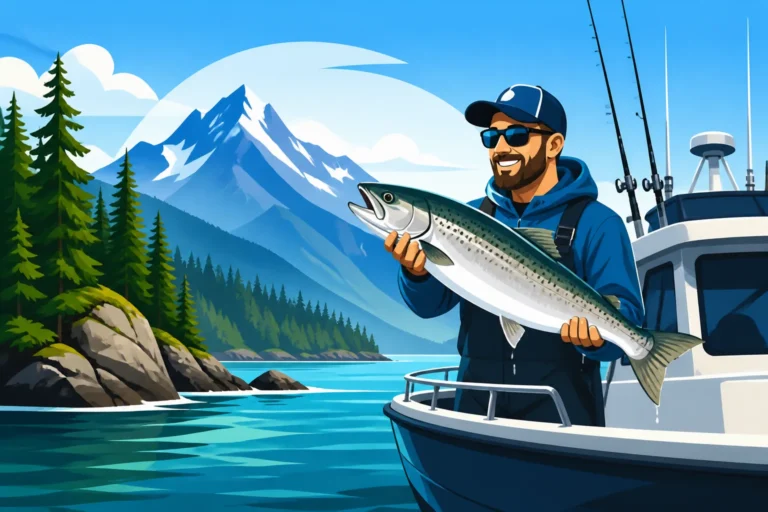
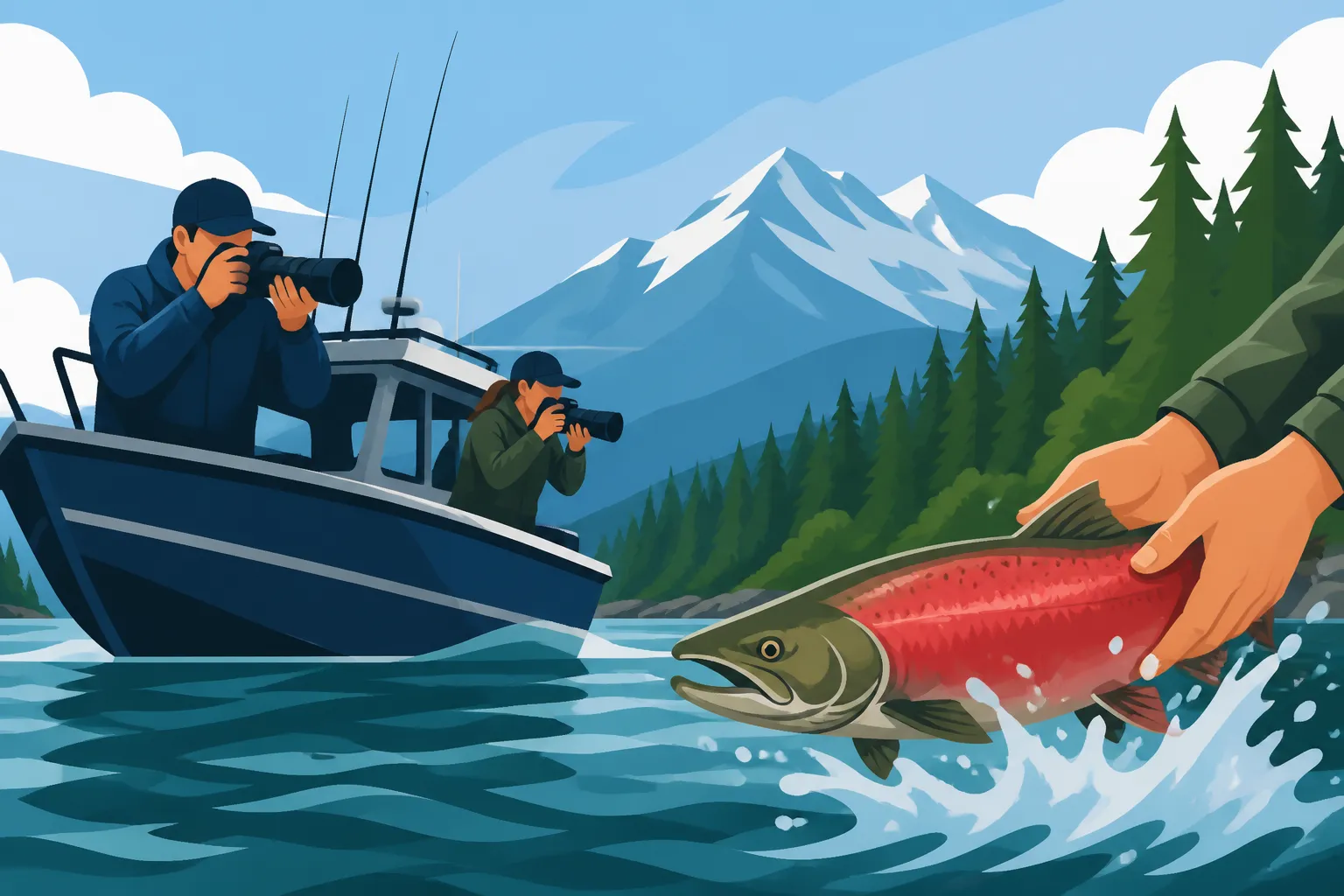
Imagine reeling in a magnificent Chinook salmon. Your heart is pounding, adrenaline is high. The fish is brought boatside, maybe given a quick, safe measurement, and then comes the moment of release. If your guide is focused solely on getting the fish off the hook and back into the water, you might miss the chance to capture that powerful flick of its tail as it disappears. A photography-savvy guide, however, might position the boat, offer to hold the net for a moment as you get your camera ready, or even suggest a better angle for you to stand, all while making sure the fish remains submerged or just at the water's surface, gills gently working, ready for its freedom. This consideration for the animal's welfare is paramount and should be a non-negotiable trait of any charter you consider.
Technical Hurdles on the Water
Beyond fish welfare, there are practical photography challenges. You're on a boat that's often moving, rocking, or vibrating. Water spray is a constant threat to your expensive camera gear. The lighting can be harsh mid-day, or dim at dawn and dusk. Plus, you need to be ready at a moment's notice – no time to fiddle with settings when a beautiful coho is about to be released. These elements can quickly turn a potential masterpiece into a frustrating blur.
Think about the environment: a bright, sunny day can create harsh reflections on the water, making it difficult to expose both the fish and the background correctly. Overcast days offer softer, more even light, but might require higher ISO settings to get a fast enough shutter speed to freeze motion. Then there's the spray from the boat, the splash of the fish, and the general wetness that comes with fishing. Having a waterproof camera or at least a good rain cover is essential. Furthermore, the boat itself can be a dynamic platform. A small chop on the water, another boat's wake, or even just the movement of people on deck can cause enough instability to blur a shot if your shutter speed isn't fast enough. It's a dance between anticipating the moment, protecting your gear, and reacting quickly to capture that fleeting second of beauty.
What to Look for in a Photography-Friendly Salmon Release Charter
Finding a charter that prioritizes and understands photography, especially for catch and release, isn't always easy, but it's incredibly rewarding when you do. It's about finding guides who share your vision for capturing the magic responsibly.
Experienced Guides with a "Photo Eye"
The best guides for this specific goal are those who don't just know how to find fish but also possess a keen "photo eye." They understand the importance of light, background, and presenting the fish in a way that respects its life while looking incredible. They'll know the best angles, understand how to minimize shadows, and appreciate the value of that one perfect shot. This often comes from experience and a genuine passion for showcasing the beauty of the sport and the fish.
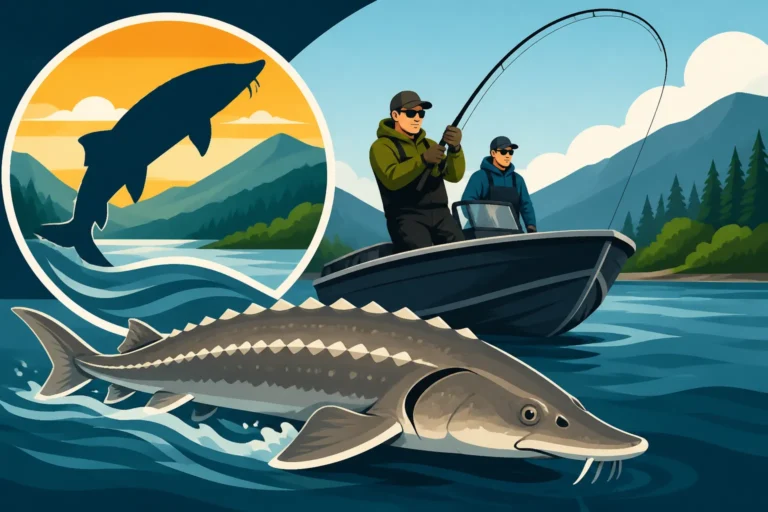
A guide with a "photo eye" is a rare gem. They're the ones who instinctively maneuver the boat so the sun is behind you, illuminating the fish, or position it against a stunning backdrop of Vancouver Island's rugged coastline rather than a cluttered boat deck. They know that a fish held briefly, low in the water, glistening as it's about to swim away, makes for a far more impactful image than one awkwardly dangled by the tail. They might even have a designated spot on the boat where they often stage releases for photos, knowing it offers the best light and least distraction. Their patience is key too; they won't rush you but will still be hyper-aware of the fish's well-being. Look for charters whose own social media or website features high-quality, ethical release photos. That's a good indicator. Learning Sturgeon catch and release survival tips can also give you insight into best practices for handling any fish for a quick photo op.
Boat Features and Crew Support
Certain boat features and the overall attitude of the crew can make a huge difference. A stable boat with ample, uncluttered deck space provides more room for you to move around and find angles. A crew member who is happy to assist – perhaps holding the net, or even acting as a designated "fish handler" for that brief, crucial moment (always with the utmost care for the fish) – can elevate your experience tremendously. Some charters might even have a small platform or area designed for this purpose.
Imagine a spacious, well-maintained vessel where you're not tripping over gear or bumping into other anglers. This provides the freedom to move and compose your shot without feeling rushed or confined. Deck space is critical when you're trying to get a full-frame shot of a large salmon as it's being released. Beyond the physical space, the crew's willingness to help is invaluable. A deckhand who understands your goal and offers to clear the background or hold the net for a moment, making sure the fish is partially submerged for the best shot, shows a commitment to your experience. This level of support transforms a simple fishing trip into a bespoke photography adventure. When researching charters, platforms like FishingBooker can sometimes highlight services or crew attitudes mentioned in reviews that cater to specific requests like photography.
Flexibility and Communication
This might be the most crucial aspect. A charter that truly caters to release photography will be open to discussing your specific goals beforehand. Don't be shy about communicating your intentions when you book. Ask them about their approach to catch-and-release photography. Do they allow extra time for photos? Do they have any tips for getting the best shots? Clear communication ensures you're both on the same page and helps manage expectations.
It's about having that conversation upfront. When you're making inquiries, explicitly mention that you're passionate about capturing ethical release photos and ask if they are equipped and willing to accommodate this. A responsive and enthusiastic charter will likely have staff who can talk you through their process, maybe even show you examples of photos taken on their trips. This upfront dialogue is vital. It's also a good sign if they are proactive in discussing their catch-and-release policies, as this indicates a strong ethical foundation. You might ask, for example, "When we catch a salmon we intend to release, what's your typical process for handling it for a quick photo before it goes back in the water?" Their answer will tell you a lot about their experience and willingness to help you capture that perfect shot.
Top BC Regions and Charter Types for Release Photography
British Columbia is a vast province with diverse fishing opportunities. Certain areas and types of guiding operations naturally lend themselves better to salmon release photography due to the species, the environment, and the guides' typical practices.
Coastal Salmon Charters
For Pacific salmon, especially Chinook and Coho, the coastal waters of Vancouver Island and the mainland are prime territory. Iconic locations like Campbell River, Tofino, Ucluelet, and Prince Rupert are home to numerous sportfishing charters. Many of these operations specialize in salmon and often encounter anglers eager to capture the thrill of the catch and release. Charters in these areas are frequently geared towards multi-day trips or full-day excursions, providing ample opportunity and time for guides to assist with photography.
Think of the majestic backdrop you get on the BC coast: towering evergreen forests, dramatic cliffs, and the vast, shimmering Pacific Ocean. These elements provide incredible settings for your release photos. In places like Campbell River Fishing Guide, charter operators understand that for many clients, the photo is as important as the fish itself. They often have stable, larger vessels equipped with all the necessary gear, and their crews are highly professional, accustomed to assisting with various client needs. They're practiced in quickly unhooking, often measuring, and then carefully releasing fish, and can easily adapt to helping you compose a shot. Many of these charters, particularly those on Vancouver Island Fishing Guide, run multiple trips a day, giving their guides a lot of practice in efficient fish handling and client satisfaction.
River-Based Salmon and Steelhead Guides
When it comes to freshwater releases, particularly for species like Steelhead, river-based guides are your best bet. Rivers such as the Fraser, Skeena, Bulkley, and Thompson are renowned for their incredible salmon and steelhead runs. These guides often operate drift boats or jet boats, specializing in fly fishing or traditional gear fishing where catch-and-release is a fundamental principle. Their expertise in careful fish handling is often unparalleled, as they spend countless hours practicing ethical release.
River guides, especially those focused on How to Catch Steelhead in BC or Fraser River Fishing Guide, are true stewards of the resource. They understand that these fish are precious and handle them with extreme care, making them ideal partners for release photography. Often, you're fishing from a more intimate setting, like a drift boat, which allows for closer, more personal shots. The natural river environment, with its forested banks and clear waters, provides a beautiful, unspoiled backdrop. These guides are also adept at managing the fish in the water, often bringing it to a shallow, calm eddy for a quick photo before it swims powerfully away. They are experts at minimizing stress and maximizing the fish's chances of survival, which aligns perfectly with ethical photography. Consider researching guides on a platform like FishingBooker, looking for those who highlight their catch-and-release philosophy.
| Aspect | Standard Fishing Charter | Photography-Focused Charter |
|---|---|---|
| Guide's Priority | Catching fish, client enjoyment | Catching fish, client enjoyment, and ethical photo opportunities |
| Fish Handling | Efficient release, may be rushed | Careful, swift, ethical handling with photo in mind; often done with fish in water |
| Boat Maneuvering | To find fish, for comfort | To find fish, for comfort, and for optimal lighting/background for photos |
| Crew Assistance | General help, netting | Actively assists with photo setup, positioning, clearing backgrounds |
| Gear Recommendation | Standard fishing gear | May suggest waterproof camera gear, lens protection |
| Communication Pre-Trip | About target species, trip duration | Explicit discussion about photography goals, preferred shots |
| Patience for Photos | Limited, focus on next bite | Understands the value of the shot, allows brief, ethical moments |
Tips for Anglers and Photographers on Your Trip
Once you've booked your ideal charter, there are still things you can do to maximize your chances of getting those incredible salmon release photos while ensuring a safe and ethical experience for everyone, especially the fish.
Gear and Preparation
Being prepared is half the battle. Invest in a good waterproof camera or at least a quality waterproof case for your existing camera or phone. Make sure your camera's battery is fully charged, and have extra memory cards. Pre-set your camera to a fast shutter speed (e.g., 1/1000th of a second or faster) to freeze the action, and consider burst mode for capturing multiple frames. A polarizing filter can also help reduce glare on the water. Keep a lens cloth handy for spray, and store your gear in an easily accessible, dry bag.
Imagine the chaos of a big salmon being landed: water everywhere, the boat moving, and the fish flapping. You don't want to be fumbling with camera settings or struggling to get your lens cap off. Having your camera ready to go, perhaps on a lanyard around your neck or in an easily accessible pouch, is key. Think about prime lenses for low-light conditions, or zoom lenses for versatility. Consider a rugged, floating strap for your camera so it doesn't sink if it goes overboard. Most importantly, practice getting your camera up and shooting quickly even before you're on the water. This muscle memory will be invaluable when that trophy salmon is at the boat.
Working with Your Guide
Your guide is your partner in this endeavor. Clearly reiterate your photography goals at the beginning of the trip. Listen to their instructions regarding fish handling, safety, and timing. They are the experts on the water and with the fish. Respect their calls, especially if they advise against a photo opportunity due to the fish's stress or safety concerns. A good relationship with your guide will lead to better overall results.
Effective communication is a two-way street. Don't assume your guide remembers your pre-trip conversation about photography in the heat of the moment. A gentle reminder as you're heading out can go a long way. For example, you might say, "Hey Captain, just a reminder that I'm hoping to get some good release shots today if the fish are willing and healthy!" When a fish is hooked, your guide will often be focused on landing it safely. Wait for their cues. They'll tell you when it's safe to move, where to stand, or if they need your help. Trust their judgment about how long a fish can be out of the water or partially submerged. Their primary goal is the fish's survival, and that ultimately benefits everyone, including future anglers and their photography opportunities.
Ethical Angling for the Best Shots
This bears repeating: the health and well-being of the salmon must always be your top priority. Ensure the fish stays in the water as much as possible, especially its gills. If you must lift it for a quick shot, keep it low over the water, support its body, and return it swiftly. Avoid touching its eyes or gills. Wet your hands before handling to protect its slime coat. Quick, gentle, and respectful handling not only ensures the fish's survival but also results in the most beautiful, natural-looking release photos. A stressed, flopping fish doesn't make for a good picture anyway.
Think of it as the ultimate form of respect for the incredible creatures we pursue. When a salmon is brought to the boat, the guide will likely keep it submerged in the net. This is the ideal time for a quick photograph. If a moment out of the water is unavoidable for a specific shot, it should be mere seconds, perhaps a quick lift directly over the water, supported horizontally with both hands. Avoid vertical holds by the tail, which can damage internal organs. The faster and more gently the fish is released, the stronger it will swim away, and that powerful tail flick, as it disappears into the depths, is the most rewarding photo of all. Understanding BC Freshwater Salmon Retention Rules and BC Catch and Release Only Waters can also help you prepare for appropriate handling based on regulations.
Capturing the essence of a salmon release in British Columbia is truly special. By choosing the right charter and approaching the experience with preparation and a strong ethical compass, you can create lasting photographic memories while honoring the magnificent salmon that make our waters so legendary.
Disclaimer
This article is for general informational purposes only and does not constitute professional advice. Laws, prices and regulations vary by location and change over time. Consult a qualified professional for guidance on your specific situation.