What is included in a BC fishing charter price
It's an age-old question, isn't it? You're dreaming of a fantastic fishing trip in beautiful British Columbia, maybe battling a Fraser River sturgeon or hauling in a Campbell River salmon, but then you start looking at charter prices and get that familiar knot of confusion in your stomach. What exactly are you paying for when you book a BC fishing charter? It often feels like you need a secret decoder ring just to understand the breakdown, leaving you wondering if you're getting a fair deal or if hidden costs will sneak up on you. This guide is here to unravel that mystery, giving you a clear picture of what's typically included and what you might need to budget for separately.
The Core Inclusions: What Your Base Charter Fee Typically Covers
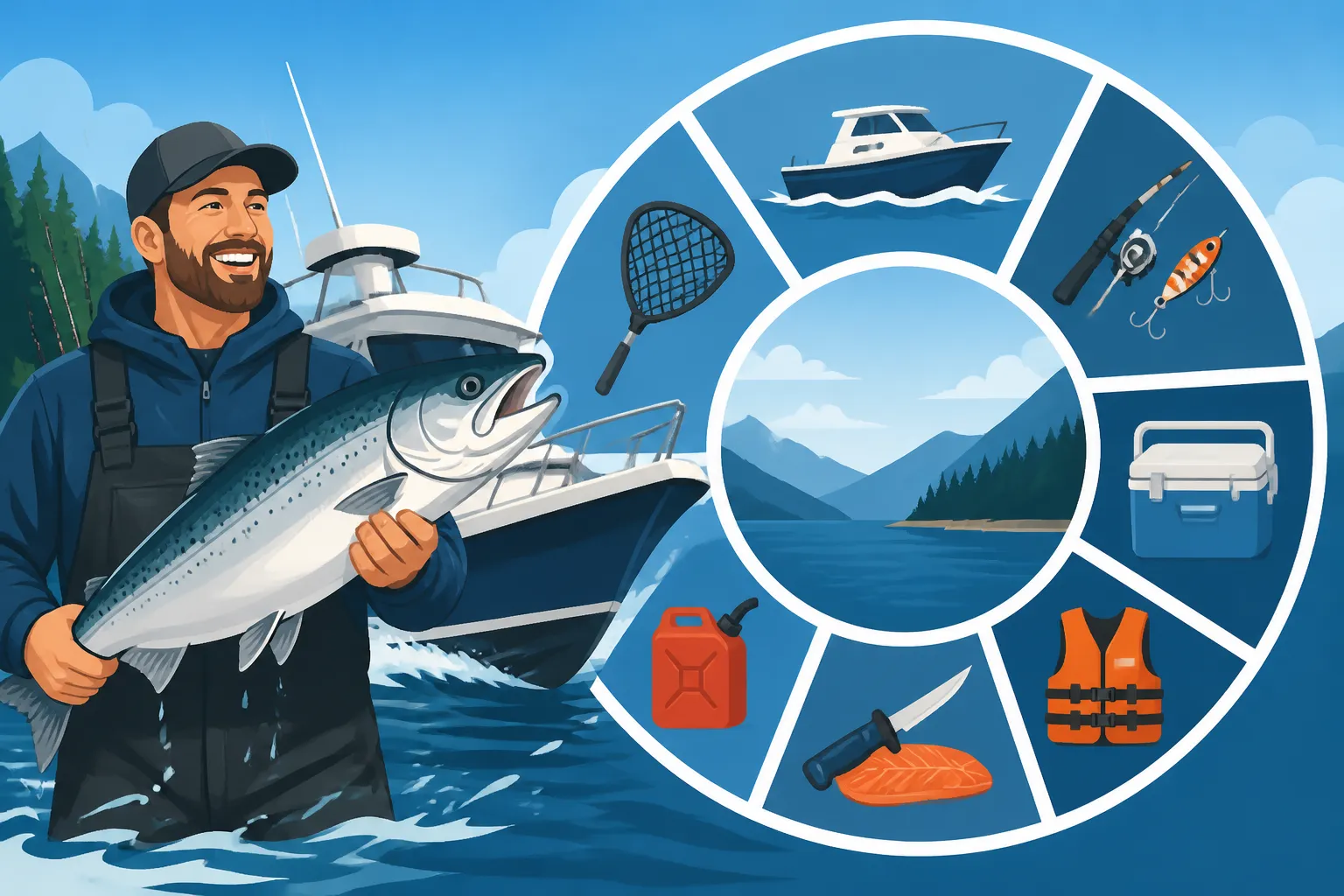
When you first look at a BC fishing charter price, it usually represents the foundation of your angling adventure. This core fee is designed to cover the essentials, ensuring you have a safe, equipped vessel and an experienced professional to lead the way. It’s what you absolutely expect to be part of the package, letting you focus on the fishing itself.
The Vessel and Its Crew: Safety and Expertise
First and foremost, your charter fee covers the use of a reliable, well-maintained boat. Whether it's a sturdy aluminum river jet boat for chasing sturgeon on the Fraser, or a comfortable offshore cruiser for chasing halibut off Tofino, the vessel itself is a significant investment for any charter operation. This isn't just about having a boat; it's about having one that's legally compliant, insured, and regularly serviced to ensure your safety and comfort on the water.
But a boat is just a boat without an expert at the helm. The charter price inherently includes the invaluable service of a professional guide or captain and often a deckhand too, especially on larger saltwater operations. These are folks who have spent years, sometimes decades, honing their craft. They hold the necessary certifications, such as a Transport Canada license for saltwater operations or specialized certifications for freshwater guiding, which means they've passed rigorous exams and safety training. Their expertise isn't just about driving the boat; it's about knowing the local waters like the back of their hand, understanding fish behaviour, and making crucial decisions about where to go and what techniques to use. Without them, your chances of success would drop significantly. They are your navigators, your instructors, and your safety officers all rolled into one. When you book through platforms like FishingBooker, you can often see profiles of captains, detailing their experience and certifications, which offers a nice layer of transparency.
Essential Gear: Rods, Reels, and Basic Tackle
Imagine showing up to your charter empty-handed and not having to worry about a thing – that's often the beauty of the core inclusions. Most BC fishing charters provide all the necessary fishing gear you'll need for the day. This typically includes a full setup of high-quality rods and reels appropriate for the target species, whether that's heavy-duty conventional gear for battling monster sturgeon or lighter spinning gear for casting to trout in an interior lake.
Beyond the rods and reels, the base tackle is also usually covered. This means terminal tackle like leaders, hooks, weights, and basic lures or flies that are proven performers in those particular waters. Think standard spoons for salmon, jigs for bottom fish, or common fly patterns for trout. For saltwater charters, this might include downriggers and associated gear if trolling is the primary method. The charter operator maintains a substantial inventory of these items, replacing them regularly and keeping them in top condition, which is a significant cost to their business. This also means you don't have to invest in specialized gear that you might only use once or twice, making fishing accessible even for casual anglers or tourists. It's a huge relief to know you won't arrive and discover you need to buy expensive gear on the spot.
Fuel and Navigation: Getting to the Fish
British Columbia is vast, and getting to those prime fishing grounds can often mean covering significant distances. A major component of your charter fee covers the cost of fuel for the boat. This isn't just a quick jaunt from the dock; a typical day might involve motoring out to offshore halibut banks, cruising up a river system to reach a specific salmon holding pool, or navigating across a large lake. Fuel prices fluctuate, and charters absorb these costs into their pricing model to provide a predictable rate for their clients.
Beyond the fuel, the charter also covers the use of sophisticated navigation equipment. Modern fishing boats are equipped with GPS, sonar (fish finders), and often radar, especially for coastal operations. These tools are crucial for safely navigating unfamiliar waters, finding productive fishing structures, and locating schools of fish. Your guide isn't just guessing where the fish are; they're using technology combined with their deep knowledge of tides, currents, and seasonal patterns to put you in the best possible position for success. This technology isn't cheap, and its maintenance and updates are part of the operational costs factored into your charter rate. This allows the guide to maximize your time on the water, getting you to the action efficiently and safely. What to Expect on a BC Fishing Charter gives a good overview of the daily routine.
Understanding the "Extras": What Might Not Be Included
While the core fee covers many essentials, it's really important to understand that not everything is typically bundled into that initial price. Sometimes, for legal reasons, sometimes due to personal preference, and sometimes just to offer flexibility, certain items and services are left as additional costs. Being aware of these helps you budget accurately and avoid any unpleasant surprises.
Licenses, Stamps, and Permits: Your Legal Obligation
This is perhaps the most common and non-negotiable "extra" for any fishing trip in BC. Every angler, with very few exceptions for specific age groups, is required to possess a valid fishing license for the waters they intend to fish. For most people, this means a BC Freshwater Fishing Licence or a Tidal Waters Sport Fishing Licence, depending on where you're casting your line. These licenses are issued by the provincial and federal governments, respectively, and the charter operator cannot legally provide them for you. They are your personal responsibility.
On top of the basic license, you'll often need specific conservation stamps or tags, especially if you plan to retain certain species. For example, if you're targeting salmon in tidal waters, a Salmon Conservation Stamp is usually required. Similarly, if you're fishing for steelhead in freshwater, you might need a Steelhead Conservation Surcharge Stamp. These stamps contribute directly to the conservation efforts for these precious species, and the costs are separate from your charter fee. Your guide will certainly remind you of these requirements, but purchasing them beforehand (often online) is up to you. Websites like FishingBooker often link directly to the official provincial or federal sites where you can purchase these licenses and stamps. It's crucial to get these sorted before your trip begins. Do You Need Your Own Fishing License for a BC Charter? covers this in more detail.
| Item Type | Typical Inclusion in Base Fee | Often an Extra Cost | Notes |
|---|---|---|---|
| Boat & Crew | Yes (Vessel, Captain, Deckhand) | – | Covers safe operation, expert guidance, and knowledge of local waters. |
| Basic Fishing Gear | Yes (Rods, Reels, Common Tackle) | – | Standard equipment for target species, maintained by the charter. |
| Fuel & Navigation | Yes | – | Cost of getting to and from fishing spots, use of sonar/GPS. |
| Fishing Licenses | No | Yes | Required for all anglers; purchased separately through government channels. See British Columbia Fishing License Guide for 2026. |
| Conservation Stamps/Tags | No | Yes | Species-specific stamps (e.g., Salmon, Steelhead) required for retention. See BC Salmon Conservation Stamp Rules. |
| Specialty Bait/Lures | Usually no | Yes | Live bait (e.g., crabs, worms), specific high-end lures, or flies may be extra if not standard. |
| Food & Beverages | Usually no | Yes | Anglers are typically expected to bring their own, though some premium charters offer catering. |
| Fish Processing/Packaging | Sometimes | Yes | Cleaning, filleting, vacuum packing; some offer it, others charge, or refer to a local processor. |
| Gratuities (Tipping) | No | Yes | Customary for good service, typically 15-20% of the trip cost. See Tipping Etiquette for BC Fishing Charters. |
| Rain Gear/Specialized Clothing | No | Yes | Anglers bring personal attire; check weather. See What to Bring on a BC Fishing Charter. |
| Transportation to Dock | No | Yes | Getting to the departure point is your responsibility. |
Bait, Lures, and Advanced Tackle: Specialty Items
While basic tackle is often included, there can be nuances, especially when it comes to bait or highly specialized lures. For many salmon or halibut charters, the standard cut bait (like herring or squid) and common lures will be covered. However, if you're looking to use live bait, such as crabbing for Dungeness crabs before your salmon trip, or if you request specific, high-end or obscure lures that the charter doesn't typically stock, these might come at an additional charge.
Similarly, if you're a fly angler pursuing steelhead on one of BC's legendary rivers like the Skeena or Bulkley, while your guide might provide some standard patterns, if you have very specific, intricate, or expensive custom flies you want to use, or if you lose an extraordinary number of flies throughout the day, those could be extra. Most guides will tell you upfront if there are any bait or tackle items that fall outside their standard inclusion. It's always a good idea to clarify this when booking, especially if you have a particular fishing style or a preference for certain presentations. This ensures there are no misunderstandings when you're out on the water.
Fish Processing and Packaging: Taking Your Catch Home
Successfully catching fish is only half the battle; getting it from the boat to your dinner plate is the other. Many charters offer basic fish cleaning and filleting as part of the service, especially for smaller to medium-sized fish. The crew will often gut, bleed, and fillet your catch dockside, preparing it for transport.
However, if you've landed a substantial amount of fish, or particularly large species like a massive halibut or a trophy Chinook salmon, the processing might become more involved. Some charters will charge an additional fee for extensive filleting, portioning, or vacuum-sealing services. Others might not offer these advanced services at all but can direct you to local fish processing facilities at the harbour. These facilities often provide freezing, smoking, or shipping services, all of which will come at an extra cost. Always ask about their fish handling policies when you book, so you know exactly what to expect and can make arrangements for preserving your hard-won bounty. For a full breakdown of different cost factors, refer to BC Fishing Charter Cost Guide.
The Intangibles: Value Beyond the Dollar Amount
While we often focus on the concrete items included in a charter price, there's a significant amount of value that goes beyond mere equipment or fuel. These are the less tangible aspects that truly elevate a fishing trip from a simple boat ride to an unforgettable adventure, and they are implicitly factored into the overall cost.
Local Knowledge and Experience: The Guide's Edge
You can buy the best rods, the latest electronics, and all the fancy lures, but you can't buy local knowledge and experience off the shelf. This is arguably the most valuable component of any BC fishing charter. A seasoned guide brings years of accumulated wisdom about the specific waters you're fishing. They know the subtle currents of the Fraser River, the hidden drop-offs in Okanagan Lake, or the precise tide changes necessary to hit a hot salmon bite off Vancouver Island.
They understand seasonal migration patterns, what the fish are feeding on at different times of the year, and how weather changes impact fish behaviour. This isn't information you can get from a quick Google search; it's gained through countless hours on the water, observing, learning, and adapting. This deep understanding allows them to consistently put clients on fish, even when conditions are challenging. Their ability to read the water, predict where the fish will be, and adapt techniques on the fly is what transforms a hopeful outing into a successful one. Booking through a platform like FishingBooker often allows you to read reviews and see ratings for guides, giving you insight into their reputation and the depth of their local expertise. How to Choose a BC Fishing Charter emphasizes the importance of a knowledgeable guide.
Safety and Comfort: Peace of Mind on the Water
When you step onto a reputable BC fishing charter, you're not just buying a day of fishing; you're buying peace of mind. Safety is paramount for any professional charter operation. This includes ensuring the vessel is equipped with all required safety gear, such as life jackets for every passenger (often specialized fishing PFDs for comfort), first-aid kits, communication devices (VHF radio, satellite phone), flares, and emergency signaling equipment. These aren't just checked off a list; they are regularly inspected and maintained to ensure they are in working order.
Furthermore, the guide is trained in marine first aid and emergency procedures, capable of handling unexpected situations that can arise on the water, from minor cuts to more serious medical emergencies or mechanical issues with the boat. Beyond safety, professional charters strive for your comfort. This means having a clean, well-maintained boat, often with amenities like a heated cabin (especially for cooler weather fishing), a private head (washroom), and comfortable seating. Some even offer complimentary water or snacks. This attention to detail, while not always explicitly listed, contributes significantly to the overall enjoyment and relaxation of your trip, allowing you to fully immerse yourself in the fishing experience without worrying about the logistics or potential hazards. BC Boating Laws for Anglers covers some of the regulations that guides adhere to for safety.
Maximizing Your Value: Tips for Booking a BC Fishing Charter
Understanding what's included and what's extra is just the first step. To truly get the most out of your BC fishing charter experience, a little thoughtful planning and clear communication go a long way. This isn't about cutting corners, but about ensuring your expectations align perfectly with what the charter offers, leading to a smooth, enjoyable, and productive day on the water.
Clear Communication with Your Guide
Before you even step foot on the boat, open lines of communication with your chosen charter operator are crucial. Don't be afraid to ask questions about anything that's unclear. Does the price include live bait, or is that extra? What's their policy on fish cleaning and packaging? Are there any specific permits I need to purchase beyond the standard license for the species we're targeting? A reputable guide or booking agent will be happy to answer all your questions. They want you to have a great trip, and that starts with transparency.
This is especially important if you have any special requests or requirements. Perhaps you're a vegetarian and need to know if food is provided or if you should pack your own lunch. Maybe you have a preference for a certain fishing technique, or you're bringing children and want to ensure the trip is family-friendly. Discussing these details upfront helps the guide tailor the experience as much as possible, or at least manage your expectations if certain requests can't be accommodated. Websites like FishingBooker facilitate this communication, often allowing you to message captains directly before you confirm a booking, which is a fantastic resource for ironing out all these important details.
Research and Compare Options
Just like buying a car or planning a vacation, doing your homework before booking a BC fishing charter can save you headaches and ensure you find the perfect fit. Not all charters are created equal, and prices can vary based on the type of fishing, the duration of the trip, the size of the boat, and the amenities offered. A half-day river trip for trout will naturally cost less than a full-day offshore adventure for halibut on a luxury cruiser.
Spend some time researching different operators in your desired fishing area. Read reviews from previous clients to get a sense of their experiences. Pay attention to what people praise (e.g., "amazing guide," "caught so many fish," "felt incredibly safe") and any common complaints. Compare the inclusions and exclusions across different charters. Some might seem more expensive initially but include more, like catering or extensive fish processing, while a cheaper option might have more hidden fees. Understanding these differences allows you to make an informed decision that aligns with your budget and expectations. For example, if you're looking for Best Salmon Charters in Campbell River, you'll find a range of options with varying inclusions.
Budgeting for Beyond the Base Price
Even after clarifying all the inclusions and exclusions, it’s wise to budget for a few additional items that often come up during a fishing trip. The most significant of these is gratuity for your guide and deckhand. Tipping is customary in the service industry, and fishing guides work incredibly hard to ensure you have a memorable and successful day. A standard tip typically ranges from 15-20% of the charter fee, depending on the level of service and your satisfaction. This should always be considered a part of your overall trip cost.
Beyond tips, think about personal items. While some charters provide basic rain gear, it's always best to bring your own layers, waterproof clothing, sunglasses, sunscreen, and any personal snacks or beverages you might want. Consider any travel costs to get to the marina or launch point, and if you plan on eating out after your trip, factor that into your day's expenses. Having a comprehensive budget ensures you can enjoy your BC fishing adventure without any financial stress or surprises.
Disclaimer
This article is for general informational purposes only and does not constitute professional advice. Laws, prices and regulations vary by location and change over time. Consult a qualified professional for guidance on your specific situation.