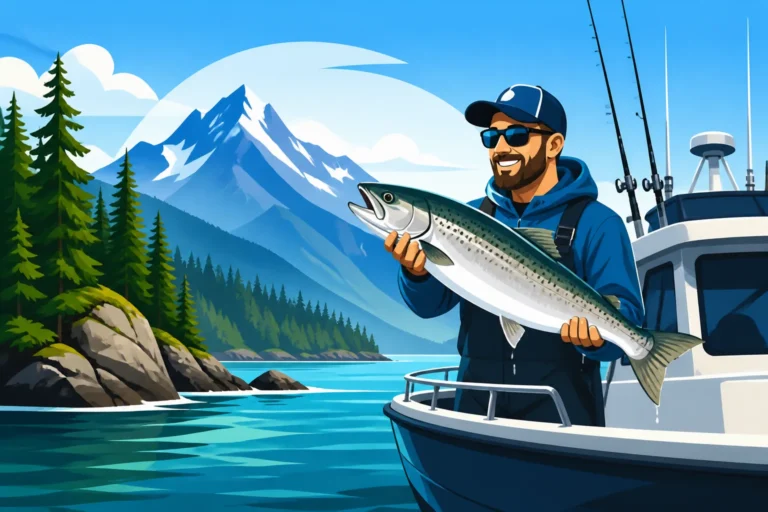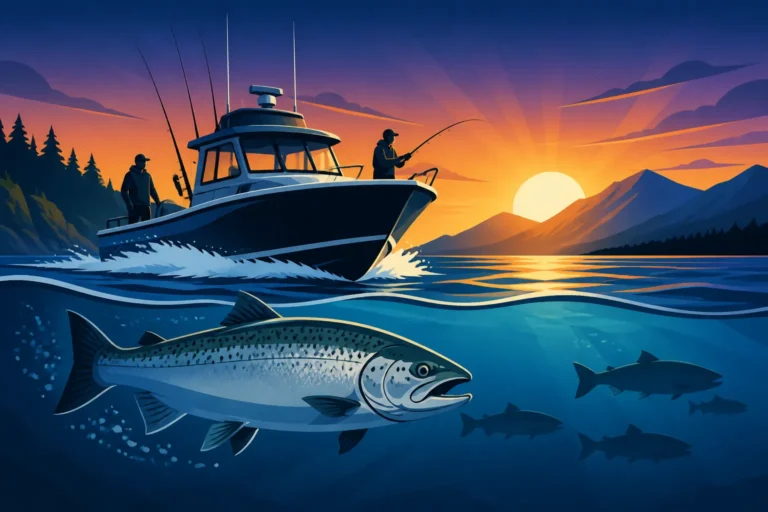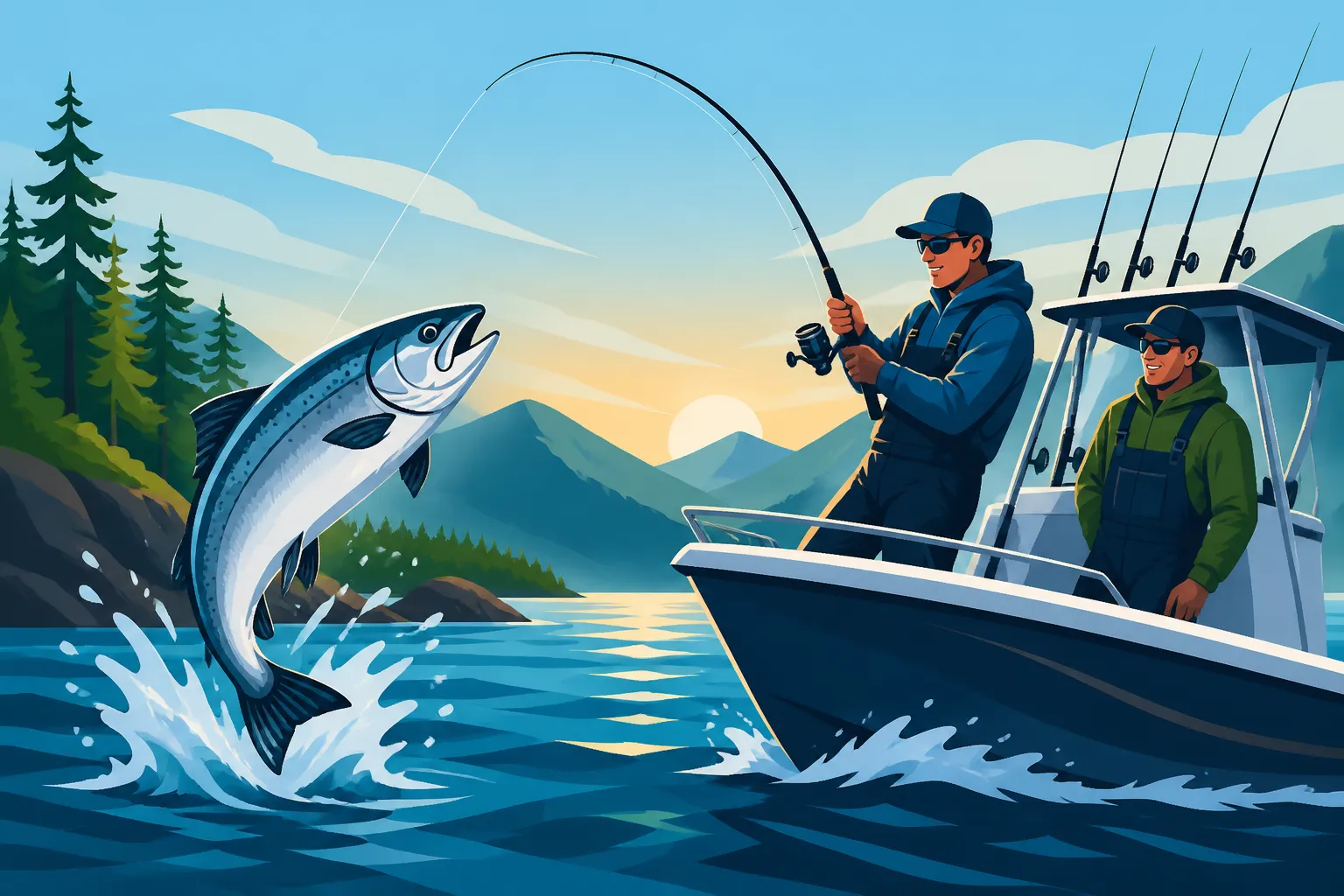
Barkley Sound Sportfishing Charter Trips
Barkley Sound, nestled on the rugged west coast of Vancouver Island, is a dream destination for many anglers, but navigating its vast, island-studded waters and figuring out the best charter experience can feel like a daunting task. Many get overwhelmed by the sheer number of options or worry about picking the wrong trip for their group's goals. This comprehensive guide is here to demystify Barkley Sound sportfishing charters, helping you understand the choices, what to expect, and how to book the perfect trip for an unforgettable angling adventure.
Why Barkley Sound is a Premier Fishing Destination
Barkley Sound isn't just another fishing spot; it's an entire ecosystem that draws anglers from all over the world. Its unique geography, with countless islands, inlets, and sheltered passages, creates a marine environment that is incredibly rich and diverse. For those of us who love to cast a line, this means unparalleled opportunities for a variety of species, often in breathtakingly beautiful surroundings. It’s truly a special corner of British Columbia, offering more than just a day on the water.
The Abundant Marine Ecosystem
What makes Barkley Sound so special for fishing is its vibrant and rich marine ecosystem. This isn't just a place where fish pass through; it's a critical feeding ground and nursery for countless marine species. The confluence of freshwater runoff from the mainland and the nutrient-rich currents of the Pacific Ocean creates an ideal environment for plankton, baitfish, and eventually, the larger predatory fish we love to target. Think of it as a natural buffet that keeps drawing in the good stuff. The sheltered waters, protected by the Broken Group Islands and Vancouver Island itself, also provide calmer conditions than the exposed outer coast, making for a more comfortable and productive fishing experience, even on days when the open ocean is a bit too lively. This intricate web of life ensures that the fishing can be consistently excellent throughout much of the year, supporting a healthy and thriving fishery.
A Haven for Salmon and Halibut
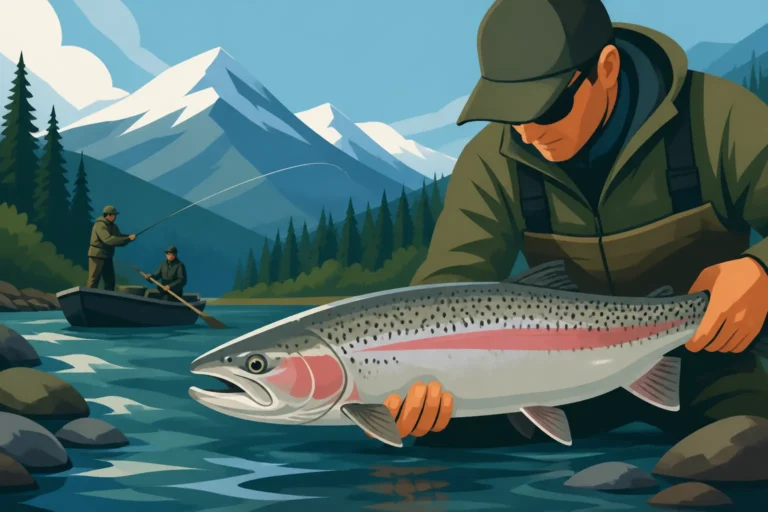
When people talk about fishing in Barkley Sound, salmon and halibut are usually the first species that come to mind, and for good reason! This area is renowned for its strong runs of all five species of Pacific salmon, with Chinook (King) and Coho (Silver) being particularly sought after by sport anglers. These powerful fish migrate through the sound, often stopping to feed voraciously on the abundant baitfish before continuing their journey to natal rivers. Landing a hard-fighting Chinook or a acrobatic Coho here is a quintessential BC fishing experience. But it's not just about salmon; Barkley Sound is also a fantastic place to target the mighty Pacific halibut. These large, flatfish inhabit the deeper waters, lurking on the bottom, and can provide an incredible fight and an even more incredible meal. The structure and depth variations throughout the sound create ideal habitats for these bottom dwellers, making it a hotspot for those looking for a trophy catch. You might even find yourself landing a few Lingcod or various rockfish while targeting halibut.
Scenic Beauty and Wilderness Appeal
Beyond the incredible fishing, Barkley Sound offers an experience that truly nourishes the soul. Imagine cruising through pristine waters, surrounded by rugged, forested islands, many of which are uninhabited and part of Pacific Rim National Park Reserve. The scenery is simply breathtaking, with ancient cedars clinging to rocky outcrops, misty mornings giving way to sun-drenched afternoons, and the constant presence of wildlife. You'll likely see bald eagles soaring overhead, seals and sea lions lounging on rocks, and perhaps even whales breaching in the distance. Many charter trips offer not just a fishing adventure but a comprehensive wildlife viewing and scenic tour rolled into one. It’s a chance to truly disconnect from the hustle and bustle of daily life and immerse yourself in the wild beauty of the West Coast. This combination of world-class fishing and stunning natural surroundings is what truly sets Barkley Sound apart and makes every trip feel like a genuine escape.
Understanding Barkley Sound Charter Options
Planning a fishing trip to a place like Barkley Sound means you've got choices, and that's a good thing! But it can also feel a bit overwhelming trying to figure out which type of charter is going to be the perfect fit for your group. Are you looking for a quick morning on the water, or a multi-day immersion? Do you prefer a private boat or enjoy sharing the experience with other anglers? Understanding these options is the first step to tailoring your ultimate West Coast fishing adventure.
Types of Charters: Half-Day, Full-Day, Multi-Day
When considering a Barkley Sound charter, one of the first decisions you’ll make is how long you want to be out on the water. Each option offers a distinct experience and caters to different fishing goals and budgets.
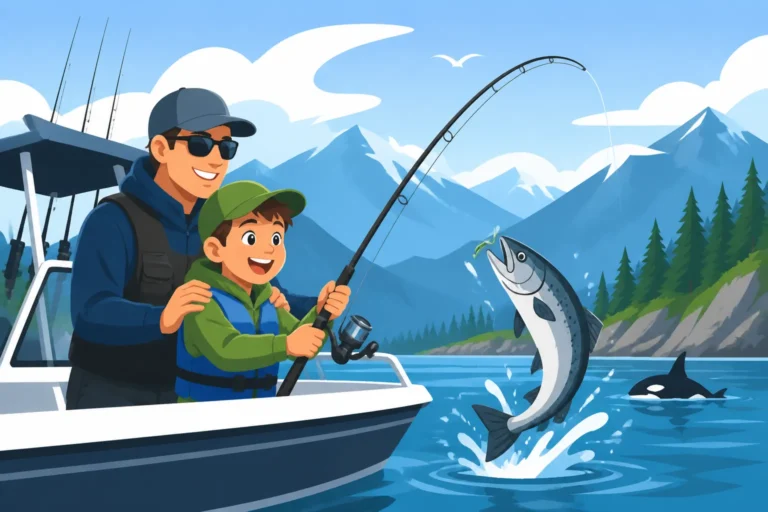
A half-day charter typically runs for about 4-5 hours. These trips are fantastic if you're looking for a taste of West Coast fishing without committing an entire day. They are often ideal for families with younger children who might have a shorter attention span, or for those who simply want to try their luck and still have time for other activities in the Ucluelet or Toquart Bay area. The downside, of course, is less fishing time, which means fewer opportunities to explore different spots or wait for the bite to turn on. However, Barkley Sound can be so productive that even a few hours can yield excellent results, especially if the fish are actively feeding close to the harbour.
Full-day charters are the most popular option, usually lasting 8-10 hours. This gives you ample time to travel to the most productive fishing grounds, try a variety of techniques, and target multiple species. With a full day, your guide has the flexibility to move around, chasing reports, adjusting to tides, and seeking out those trophy-sized fish. It also allows for a more relaxed pace, where you can truly settle into the rhythm of fishing without feeling rushed. For many serious anglers, the full-day trip offers the best balance of time, cost, and opportunity to land a memorable catch. You'll definitely want to bring plenty of snacks and drinks for this one!
For the ultimate immersive experience, multi-day charters are available. These can range from 2 to 7 days, often including accommodation at a remote lodge or aboard a larger live-aboard vessel. Multi-day trips allow you to explore the furthest reaches of Barkley Sound, target specific fish during peak bite windows, and truly get away from it all. They offer the flexibility to adapt to weather patterns and fish movements over a longer period, significantly increasing your chances of success, particularly for targeting trophy fish or multiple species. This is truly an expedition and a fantastic option for dedicated anglers or groups looking for an unparalleled wilderness fishing experience. Keep in mind that these trips involve a greater investment of both time and money, but the memories created are often priceless. BC Fishing Charter Cost Guide can give you a general idea of what to expect across different options.
Private vs. Shared Experiences
Another key decision is whether you prefer a private charter or a shared trip. Each has its own advantages and atmosphere.
A private charter means you and your group (family, friends, or colleagues) have the entire boat and guide to yourselves. This offers maximum flexibility in terms of where you fish, what species you target, and how long you stay at each spot. You can tailor the trip entirely to your preferences, whether that's focusing intensely on one species, trying different techniques, or spending more time sightseeing. It's often the preferred choice for groups who want a more intimate experience, perhaps celebrating a special occasion, or for those who simply enjoy the privacy and undivided attention of the guide. The cost per person is generally higher for a private charter, especially for smaller groups, but many find the personalized experience well worth the investment. It’s also great for beginners who might feel more comfortable learning without the pressure of other experienced anglers nearby.
Shared charters, also known as open boat or headboat trips, allow individual anglers or smaller groups to book spots on a larger vessel with other paying customers. This is typically a more budget-friendly option, as the cost of the boat and guide is split among several individuals. Shared charters are an excellent way for solo anglers or pairs to experience Barkley Sound fishing without having to pay for an entire private boat. While you won't have the same level of customization as a private trip, reputable shared charters are usually run by experienced guides who know the best spots and can put everyone on fish. The camaraderie with fellow anglers can also be a fun part of the experience, sharing stories and celebrating catches together. However, you'll need to be flexible with target species and fishing locations, as the guide will aim to satisfy the group as a whole. Many people enjoy the social aspect and the opportunity to fish with new friends.
Boat Types and Amenities
The type of boat you charter can significantly impact your comfort and the kind of fishing experience you'll have. Barkley Sound charters utilize a range of vessels, each with different features.
Most common are purpose-built fishing boats ranging from 20 to 30 feet in length. These are typically aluminum or fiberglass vessels designed for stability and efficiency in coastal waters. They are often equipped with powerful outboard or inboard engines, state-of-the-art electronics (fish finders, GPS, radar), and ample deck space for multiple anglers. For comfort, many will have covered seating areas, and some even feature small enclosed cabins with heaters, which can be a real blessing on a chilly morning or a rainy day. Rod holders, live wells, and bait stations are standard features. These boats are perfect for navigating the diverse waters of Barkley Sound, from chasing salmon in shallower channels to jigging for halibut in deeper offshore areas.
Larger sportfishing yachts or cruisers are sometimes used for multi-day trips or for groups seeking a more luxurious experience. These vessels offer more amenities, such as larger enclosed cabins, private washrooms, full galleys, and comfortable sleeping quarters. They are designed for extended stays on the water and provide a higher level of comfort, akin to a floating lodge. While these boats are less common for standard day trips, they offer an unparalleled experience for those looking to explore the more remote areas of Barkley Sound in style.
Regardless of the size, nearly all reputable charters will provide high-quality fishing gear, including rods, reels, tackle, and bait. Some might even have specialized equipment like downriggers for salmon trolling or heavy-duty electric reels for deep-water halibut. It's always a good idea to confirm what equipment is included when you book. Your guide will ensure you have the right setup for the target species and conditions. For a deeper dive into general charter expectations, check out What to Expect on a BC Fishing Charter.
Key Species to Target and When to Go
Barkley Sound's diverse ecosystem means there's almost always something biting, but knowing what to target and when can greatly enhance your fishing success. Different species have their peak seasons, migration patterns, and preferred habitats. Understanding this seasonality is crucial for planning a truly rewarding sportfishing charter.
Prime Salmon Seasons
British Columbia is world-famous for its Pacific salmon, and Barkley Sound is a major hotspot along their migratory routes. Knowing the peak times for each species will help you plan your trip for the best chances of success.
Chinook Salmon (King Salmon): These are often the prized catch, known for their immense size and powerful fights. In Barkley Sound, Chinook are present almost year-round to some extent, but the prime season typically kicks off in late spring (May and June) as the first waves of migrating "feeder" Chinook arrive, actively feeding in the rich waters. The action really heats up in July and August as large runs of mature Chinook return to their spawning rivers, passing directly through the sound. During this period, it's not uncommon to hook into big, bright fish that are full of fight. Later in September, you might still find some late-run Chinooks. The Best Salmon Fishing Spots in BC often highlight areas like Barkley Sound for these powerful fish.
Coho Salmon (Silver Salmon): Renowned for their acrobatic aerial displays and aggressive strikes, Coho salmon offer an exhilarating fishing experience. Their season generally starts picking up in July, but really hits its stride in August and September. These fish are often found closer to the surface than Chinook and provide fast-paced action. Many anglers specifically target Coho during their peak, enjoying the frequent hookups and lively fights. As they get closer to their natal rivers in late September and October, they can still be caught, but their focus shifts from feeding to spawning.
Sockeye, Pink, and Chum Salmon: While Chinook and Coho are the primary targets for sportfishing charters, Barkley Sound also sees runs of Sockeye, Pink, and Chum salmon, especially later in the summer and into the fall. Sockeye usually pass through in July and August, often in incredibly dense schools, but they can be a bit more challenging to target on a sportfishing rod due to their plankton-feeding habits. Pink Salmon typically arrive in huge numbers on odd-numbered years in August and early September, offering incredibly consistent action and a great opportunity for beginners or kids due to their aggressive bite. Chum Salmon show up later, in September and October, providing another strong fighting fish for anglers willing to brave the cooler fall weather. While not always the primary target, encountering any of these species can add an exciting dimension to your trip.
The Thrill of Halibut Fishing
If a strong fight and a delicious dinner are high on your list, then targeting halibut in Barkley Sound is a must. These impressive flatfish are true bottom dwellers and can grow to incredible sizes, earning them the nickname "barn doors."
The prime season for halibut in Barkley Sound generally runs from May through September. During these months, the weather is typically more stable, allowing charters to access deeper, offshore banks and pinnacles where halibut congregate. While they can be caught earlier or later in the season, the summer months offer the most consistent action. Halibut Fishing Techniques for BC's Coast often involve drift fishing with large baits on the bottom, or heavy jigging with large lures. Guides will use their sonar to locate deep structures, shelves, and drop-offs where halibut lie in ambush.
Successfully landing a halibut is often a test of strength and endurance. Once hooked, they can put up a sustained, powerful fight, trying to pull back to the bottom. For a significant trophy-sized halibut, it's common to spend a considerable amount of time battling the fish, sometimes requiring multiple anglers to take turns on the rod. The thrill of seeing a massive halibut surface after a long battle is truly unforgettable. Be prepared for some serious arm-numbing action!
Other Exciting Catches (Lingcod, Rockfish)
While salmon and halibut often steal the spotlight, Barkley Sound offers other fantastic fishing opportunities that add variety to your charter trip. These species are often found in conjunction with halibut fishing or targeted during specific times.
Lingcod are truly prehistoric-looking fish with a voracious appetite and aggressive strikes. They are commonly found around rocky reefs, kelp beds, and submerged structures. They are present year-round but are often targeted more actively during the spring and summer months. Lingcod provide an excellent fight and are highly prized for their firm, white flesh, making them a delicious addition to your cooler. They readily hit jigs, large soft plastics, and baitfish presentations.
Rockfish encompasses a wide variety of species, from the colourful Yelloweye Rockfish (Red Snapper) to the common Quillback Rockfish. Many rockfish species are long-lived and vulnerable, so regulations are often quite strict, with some species being catch-and-release only or having very limited retention. Guides in Barkley Sound are acutely aware of these regulations and will ensure you are fishing responsibly. When retention is allowed, rockfish offer consistent action and are excellent eating. They are typically found near structure and will hit a variety of jigs and baited hooks. It's always a good idea to check the current BC Fishing Regulations Explained before your trip, as rules for various bottom fish can change frequently.
| Species | Primary Season | Key Characteristics | Common Techniques |
|---|---|---|---|
| Chinook Salmon | May – September (Peak Jul-Aug) | Large, powerful, hard-fighting. | Trolling with bait/lures |
| Coho Salmon | July – October (Peak Aug-Sep) | Acrobatic, aggressive, often surface-oriented. | Trolling with spoons/flies |
| Halibut | May – September | Large, bottom-dwelling, strong fighters, excellent eating. | Drift fishing, jigging |
| Lingcod | Year-round (Active Spring-Sum) | Aggressive, toothy, inhabit rocky structures, great eating. | Jigging, bait fishing |
| Pink Salmon | August – Early September (Odd years) | Abundant, aggressive, good for beginners. | Trolling, casting spoons |
| Chum Salmon | September – October | Very strong fighters, often targeted later in season. | Trolling, casting lures |
| Rockfish (various) | Year-round (regulations vary) | Structure-oriented, diverse, good eating (when allowed). | Jigging, bait fishing |
This table provides a snapshot, but always remember that fishing success can be influenced by daily conditions, bait presence, and migratory patterns. Your experienced charter guide will be your best resource on the day of your trip to maximize your chances! You can also find more information on BC Fishing Season Dates and Closures to align your trip with the best opportunities.
What to Expect on a Barkley Sound Charter Trip
Booking a charter trip to a destination as renowned as Barkley Sound is exciting, but for those new to it, there can be a lot of questions about what actually happens on the day. From what to pack to the techniques you'll use, being prepared can make all the difference between a good trip and a truly fantastic one. It's not just about showing up; it's about being ready for the adventure that awaits.
Preparing for Your Adventure
A successful fishing trip starts long before you step foot on the boat. Being properly prepared for the West Coast weather and conditions is key to ensuring your comfort and enjoyment.
First and foremost, dress in layers. The weather in Barkley Sound can be notoriously changeable. A calm, sunny morning can quickly turn into a cool, misty afternoon, or even a sudden rain shower. Think moisture-wicking base layers, a warm fleece or wool mid-layer, and a waterproof and windproof outer shell (jacket and pants). Even on sunny days, the spray from the boat can get you damp, so waterproof gear is essential. Non-marking, slip-resistant footwear is also crucial for safety on a wet deck. Don't forget a warm hat and gloves, especially in spring and fall mornings.
Sun protection is also vital, even on cloudy days. The sun's rays can reflect off the water, increasing your exposure. Bring a wide-brimmed hat, sunglasses (polarized ones are a huge help for seeing into the water), and plenty of high-SPF sunscreen. Staying hydrated is important too, so pack enough water for the duration of your trip.
Consider bringing a cooler to transport your catch home, especially if you're keeping fish. While many charters will clean and bag your fish, having a cooler ready in your vehicle ensures they stay fresh on the drive back.
For those prone to seasickness, it's always better to be proactive. Over-the-counter medications can be very effective if taken before symptoms start. Gravol or Bonine are popular choices. Staying on deck in the fresh air, focusing on the horizon, and avoiding heavy, greasy foods before and during the trip can also help. Most of Barkley Sound's inner waters are relatively calm, but certain areas or conditions can still be a bit bumpy. Don't let seasickness ruin your trip; plan ahead!
Finally, make sure you have your fishing license and any necessary stamps. Most charters will require you to have purchased these beforehand. Don't leave this until the last minute! Do You Need Your Own Fishing License for a BC Charter? covers this in more detail.
Onboard Experience and Techniques Used
Once you're on board and heading out, the real fun begins! Your guide is there to ensure a safe, productive, and enjoyable trip, and they'll likely employ a range of techniques suited to the conditions and target species.
For salmon fishing, trolling is the most common and effective method. This involves dragging lures, flashers, and bait (often herring) behind the boat at specific depths and speeds. Downriggers are frequently used to get the gear down to where the fish are, and your guide will constantly monitor the sonar to find bait balls and salmon. They'll also be watching for signs of activity on the surface, like jumping fish or feeding birds. You'll often be actively involved in watching the rods, and when one goes off, it's a team effort to get it in! Expect detailed instructions on how to handle the rod, set the hook, and fight the fish.
When targeting halibut and other bottom fish, techniques usually involve drifting or anchoring over specific structures and dropping large baits or heavy jigs to the seafloor. Your guide will explain how to drop your line, feel for bites, and set the hook. This can be more physically demanding, especially when jigging or reeling up a large halibut from considerable depths. It's a different kind of thrill, feeling that powerful tug from the deep.
Your guide will provide all the necessary fishing gear, bait, and tackle, and will be on hand to offer expert advice, tie knots, rig lines, and assist with landing fish. They are not just boat drivers; they are knowledgeable fishermen who spend countless hours on the water. Don't hesitate to ask questions – they love to share their passion and knowledge! Best Charters with Rod and Reel Included highlights services that ensure you have top-notch gear.
Catch Handling and Regulations
What happens once you've landed your fish? Your charter guide plays a crucial role in ensuring proper catch handling and adherence to all regulations.
For fish you intend to keep, your guide will typically handle the process of dispatching, bleeding, and putting your catch on ice to ensure the best quality meat. Many charters offer fish cleaning and filleting services right on the boat or back at the dock. This is a huge convenience, as it means you take home ready-to-cook fillets. It’s a good idea to confirm if this service is included or if there’s an extra charge.
However, it's vital to remember that conservation is paramount in BC fisheries. Your guide will be well-versed in the current bag and possession limits for all species, as well as any specific size restrictions, seasonal closures, or sensitive areas. For instance, specific species of rockfish might be catch-and-release only, or there might be specific hook restrictions in certain salmon fishing areas. They will make sure your trip operates within the legal framework. BC Bag and Possession Limits by Species and BC Salmon Conservation Stamp Rules are important reads for any angler.
Many guides strongly advocate for catch and release, especially for species like large, mature Chinook salmon outside of specific retention guidelines, or for certain sensitive bottom fish. If you're releasing a fish, your guide will instruct you on the best practices to minimize stress and maximize its survival, such as handling fish gently, keeping them in the water as much as possible, and using barbless hooks. Responsible angling ensures that future generations can also enjoy the incredible fishing Barkley Sound has to offer.
Choosing and Booking Your Ideal Charter
With the abundance of incredible fishing opportunities in Barkley Sound, the real challenge often lies in selecting the right charter that aligns with your expectations, experience level, and budget. It's not a decision to rush, as the right guide and boat can truly make or break your trip. Taking the time to do a little homework upfront will pay dividends in the long run, ensuring you land the perfect charter for your West Coast adventure.
Researching Reputable Operators
Finding a reputable charter operator is arguably the most critical step in planning your Barkley Sound fishing trip. A good guide isn't just someone who knows how to drive a boat; they're experts in local fish patterns, regulations, safety, and hospitality.
Start by looking for operators with a strong track record and positive reviews. Websites like FishingBooker are excellent resources for finding and comparing charters in the Barkley Sound area. They allow you to see what other anglers have experienced, view photos, and often provide detailed descriptions of the trips offered. Look for consistent praise regarding professionalism, fish-finding ability, boat condition, and friendly demeanor.
Ensure the operator and guide are properly licensed and insured. This is non-negotiable for your safety and peace of mind. In British Columbia, charter captains need specific certifications and licenses to operate legally. Don't be shy about asking for confirmation of their credentials. A legitimate operator will be proud to share them. Experienced guides will also have an intimate knowledge of the local waters, including the best fishing spots, tides, and weather patterns. They know the subtle nuances that make the difference between a slow day and a banner day.
Finally, consider their focus. Some guides specialize in certain species (e.g., primarily salmon or halibut), while others offer a broader range of options. If you have a specific target in mind, try to find a guide known for success with that particular fish. Recommendations from friends, local tackle shops, or tourism offices can also be invaluable in narrowing down your choices.
Asking the Right Questions Before Booking
Once you've identified a few potential charter operators, it's time to get in touch and ask some clarifying questions. This ensures there are no surprises on the day of your trip and that the charter meets your specific needs.
Here’s a checklist of questions you might consider:
- What's included in the price? This is crucial. Does it cover bait, tackle, fuel, and fish cleaning? Are gratuities included or expected (usually the latter)? What about your fishing license – do you need to purchase that separately beforehand? Tipping Etiquette for BC Fishing Charters provides some helpful guidelines.
- What species will we be targeting, and what are the chances of catching them during my chosen dates? A good guide will give you a realistic assessment based on current conditions and typical seasonality.
- How many people will be on the boat? Clarify the maximum capacity, especially if you're booking a shared trip, to manage your expectations for space and personalized attention.
- What kind of boat is it, and what amenities does it have? Ask about covered seating, washroom facilities, and any specialized equipment like downriggers or heated cabins.
- What's your cancellation policy, especially for bad weather? West Coast weather can be unpredictable. Understand what happens if the trip needs to be rescheduled due to unsafe conditions.
- Do you cater to beginners or experienced anglers? Some guides love teaching novices, while others prefer working with seasoned fishermen. Be honest about your experience level. Best Guided Trips for Beginners in BC might be a good starting point if you're new to the sport.
- What should we bring? Confirm clothing recommendations, snacks, drinks, and anything else you might need.
Don't be afraid to ask these questions. A professional guide will appreciate your thoroughness and be happy to provide clear answers.
Understanding Pricing and Inclusions
Charter pricing can vary significantly based on factors like trip duration, boat size, guide experience, and inclusions. It's essential to have a clear understanding of what you're paying for.
Typically, the base price of a charter will cover the boat, the guide's time and expertise, fuel, and the use of their fishing gear (rods, reels, basic tackle, and bait). However, there are often additional costs to consider:
- Fishing Licenses and Stamps: These are almost always the angler's responsibility and must be purchased before your trip. Make sure you have the correct saltwater license and any required salmon stamps if you plan to retain salmon.
- Gratuities (Tips): Tipping your guide and deckhand (if applicable) is customary in the charter fishing industry, similar to other service sectors. A general guideline is 15-20% of the trip cost for excellent service.
- Fish Processing: While many charters offer basic cleaning, filleting, and bagging of your catch, specialized services like vacuum sealing or smoking might be available through the charter or a local processor for an additional fee.
- Food and Drinks: While some upscale charters might include snacks or lunch, most require you to bring your own. Always confirm this.
- Transportation: Getting to and from the dock is your responsibility, so factor in travel time and potential parking costs.
When comparing prices, make sure you're comparing apples to apples. A slightly higher-priced charter might include more amenities or services that ultimately offer better value. For example, a boat that cleans your fish for free saves you time and hassle later. A reputable charter on FishingBooker, for instance, will clearly outline their pricing structure and what's included, helping you avoid unexpected costs and plan your budget effectively. Knowing these details upfront allows you to budget accurately and enjoy your trip without financial surprises.
Making the Most of Your Barkley Sound Experience
A Barkley Sound sportfishing charter is more than just a quest for fish; it's an opportunity to immerse yourself in one of British Columbia's most spectacular natural environments. To truly maximize your experience, it's worth embracing the broader adventure, understanding your role in conservation, and planning how to cherish those memories long after you've returned to shore.
Beyond the Fishing: Wildlife and Scenery
While landing that trophy salmon or halibut is undoubtedly a huge highlight, remember that a Barkley Sound charter trip offers a much richer experience than just the fishing itself. The sheer natural beauty of this area is astounding, and taking the time to appreciate it can elevate your trip from good to unforgettable.
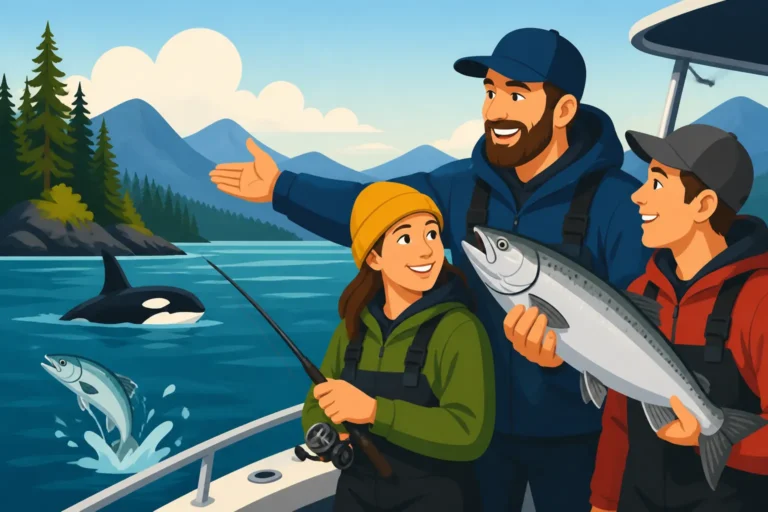
Keep your eyes peeled for the incredible wildlife that calls this region home. You're almost guaranteed to spot bald eagles soaring overhead or perched majestically on ancient trees, scanning the water for their next meal. Playful sea lions and seals often pop up near the boat, curious about the activity. If you're lucky, you might even witness a passing pod of gray whales, humpback whales, or orcas, especially during their migratory seasons. These majestic creatures are a breathtaking sight, and seeing them in their natural habitat adds an incredible dimension to your day. Many guides are happy to share their knowledge about the local fauna and might even slow down the boat for a better viewing opportunity, within safe and respectful distances.
The scenery itself is a constant showstopper. The rugged, forest-clad islands of the Broken Group, the dramatic coastline of Vancouver Island, and the expansive, often mist-shrouded waters create a stunning backdrop. Take a moment to put your rod down, breathe in the fresh sea air, and simply absorb the tranquility and wildness around you. Photographers will find endless inspiration in the unique light, the dramatic landscapes, and the vibrant marine life. This holistic experience, blending thrilling angling with profound appreciation for nature, is what makes Barkley Sound so special.
Conservation and Sustainable Practices
As anglers, we have a profound responsibility to protect the resources we cherish. Barkley Sound's thriving fisheries are a result of careful management and the collective efforts of conservationists, government agencies, and responsible fishermen. Being mindful of sustainable practices is not just a rule; it's a commitment to the future of fishing.
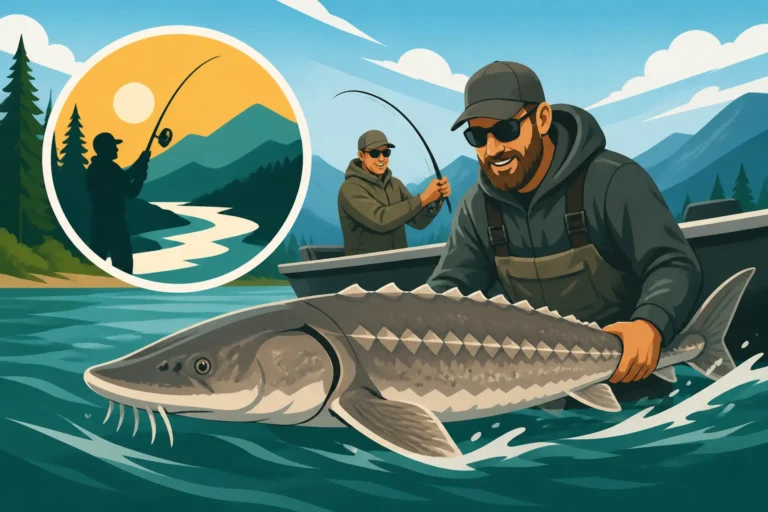
Your charter guide will be your primary educator on conservation during your trip. They are intimately familiar with local regulations, which can be complex and change frequently based on species abundance and specific areas. This includes adherence to bag limits, size restrictions, and understanding which areas might be catch-and-release only. For instance, BC Fraser River Sturgeon Catch and Release Requirement is a prime example of strict conservation measures for sensitive species.
Practicing ethical catch and release is a cornerstone of sustainable angling. If you're releasing fish, especially sensitive species or those outside of retention limits, your guide will demonstrate how to handle them properly to maximize their survival. This often involves minimizing air exposure, handling the fish gently with wet hands, and releasing them quickly. Using barbless hooks, as is often required for certain species or areas, also makes releasing fish much easier and less stressful for them.
By choosing a reputable charter and following your guide's instructions, you're directly contributing to the health and longevity of Barkley Sound's incredible fishery. It's about taking only what you need, respecting the ecosystem, and ensuring that these waters remain vibrant for generations to come.
Capturing Memories and Planning for Next Time
After a day (or several!) on the water in Barkley Sound, you'll likely be buzzing with excitement and incredible stories. Capturing these memories is a wonderful way to relive the adventure and share it with others.
Don't forget to take photos! A waterproof camera or a phone in a protective case is invaluable. Capture shots of the stunning scenery, the wildlife encounters, and, of course, your prized catches (before a quick and careful release, if applicable). Your guide might even be happy to snap a few photos for you. These images serve as tangible reminders of your adventure and are fantastic for sharing with friends and family.
Once the trip is over, take some time to reflect on your experience. What were the highlights? What did you learn? Did you discover a new favorite species to target? This reflection can be part of the fun, and it often leads to planning your next adventure. Many anglers find that one trip to Barkley Sound simply isn't enough, and they begin dreaming of their return before they've even left.
If you had a fantastic experience, be sure to thank your guide and consider leaving a positive review on platforms like FishingBooker. Your feedback helps other anglers choose wisely and supports the hardworking professionals who make these trips possible. Sharing your enthusiasm and positive experience is a great way to spread the word about the magic of sportfishing in Barkley Sound. Whether it's the thrill of the catch, the serenity of the wilderness, or the camaraderie on the boat, your memories of Barkley Sound will undoubtedly be rich and long-lasting.
Disclaimer
This article is for general informational purposes only and does not constitute professional advice. Laws, prices and regulations vary by location and change over time. Consult a qualified professional for guidance on your specific situation.