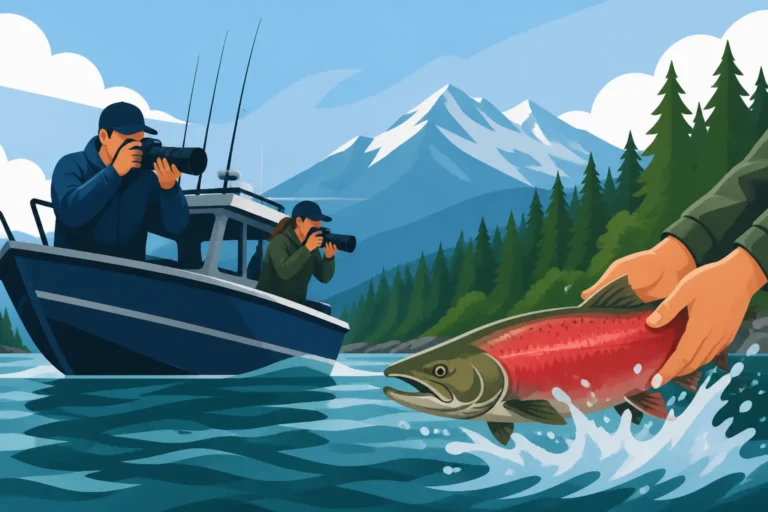
Tipping Etiquette for BC Fishing Charters
Stepping onto a British Columbia fishing charter, you're usually buzzing with excitement about the incredible waters, the potential for a trophy catch, and the sheer adventure of it all. But then, as the trip winds down, a little voice might pop into your head: "How much should I tip the crew?" This is a common moment of awkwardness or uncertainty for many anglers, whether you're a seasoned veteran or on your very first saltwater excursion. No one wants to under-tip, but you also want to understand the etiquette. This guide aims to demystify tipping expectations on BC fishing charters, helping you acknowledge the hard work of your captain and deckhand with confidence and grace.
Why Tipping Can Feel Like a Mystery on a Fishing Charter
Let's be honest, tipping is one of those unspoken rules that can feel completely opaque, especially in specialized industries like fishing charters. It's not like ordering a coffee or having dinner at a restaurant, where the expectations are fairly well-established. On a boat in the vast Pacific, things just feel different, and rightly so!
The Unique Nature of Charter Service
A fishing charter isn't just a service; it's an experience curated by professionals who are part guide, part educator, part safety officer, and often, part therapist for anglers who might be struggling! Unlike a quick transaction, these folks are with you for hours, sometimes a full day, working tirelessly to put you on fish, ensure your safety, and make sure you have a memorable time. They're navigating complex marine environments, monitoring weather, operating intricate equipment, and sharing decades of local knowledge about Best Fishing Rivers in British Columbia or prime salmon runs. It's a highly personalized and demanding job that goes far beyond simply delivering a product.
What Your Charter Fee Doesn't Always Cover
It's a common misconception that the price you pay for your charter covers every single aspect of the crew's compensation. While your charter fee definitely covers the vast operational costs – things like fuel, boat maintenance, insurance, gear, moorage, and the captain's base pay – it often doesn't fully account for the diligent, often gruelling, service provided by the deckhand and the extra effort put in by the captain. Think of the base fee as getting you the boat, the licensed captain, and the opportunity to fish. The tip is a way to express appreciation for the quality of the experience, the individual effort, and the success (or valiant attempt at success) they orchestrated for your group. BC Fishing Charter Cost Guide usually details what's included, but tipping is almost always an additional, customary show of gratitude.
Understanding the Role of the Crew
To truly appreciate why tipping is customary and important, it helps to break down the distinct, yet collaborative, roles of the captain and the deckhand. Each plays a crucial part in your day on the water, and their combined efforts are what make for a smooth, enjoyable, and often successful fishing trip.
The Captain: Your Guide and Master of the Vessel
The captain is the ultimate decision-maker on the boat. Their responsibilities are immense and constant. They are licensed professionals, often with years, if not decades, of experience navigating BC's sometimes challenging coastal waters. They're constantly monitoring charts, sonar, weather forecasts, and marine traffic. Their local knowledge of specific fishing grounds, understanding of tides and currents, and ability to read the water are what put you in the best position to catch fish. Beyond finding the fish, they are paramount for your safety, ensuring the vessel is seaworthy, all safety equipment is on board, and they make the crucial calls on when and where to fish, especially if conditions change. When you consider Licensing Requirements for BC Charter Captains, you realize the depth of their training and expertise.
They’re also the one deciding where to go, what techniques to employ (like the best trolling speeds for chinook salmon or how to drift for halibut), and managing the overall flow of the trip. If you have an incredible day, it's often a testament to the captain's skill and decision-making.
The Deckhand: The Unsung Hero of Your Fishing Day
While the captain is steering the ship, the deckhand is often the one getting their hands dirty, ensuring your fishing experience is as seamless and enjoyable as possible. This often-overlooked crew member does an incredible amount of work, much of it behind the scenes or in the midst of the action. They're usually the first to help you with your gear, bait your hook, untangle a notorious bird's nest in your line, or quickly net that thrashing salmon you've fought so hard to bring to the boat.
They might be preparing snacks, keeping the boat tidy, explaining techniques, or even just swapping stories to keep morale high on a slower day. And once the fishing is done, they're typically the ones filleting and bagging your catch with impressive speed and precision, transforming your raw fish into dinner-ready portions. Their tireless effort and readiness to assist really elevate the entire experience. They are your right-hand person, making sure you're comfortable and your lines are in the water efficiently.
General Tipping Guidelines for BC Fishing Charters
Now for the burning question: how much? While there's no official rulebook set in stone, there are widely accepted norms in the BC fishing charter industry that can guide your decision.
Standard Percentage-Based Tipping
The most common way to tip on a BC fishing charter is a percentage of the total trip cost. Generally, a tip ranging from 10% to 20% of the total charter price is considered appropriate.
- 10-15% is usually reserved for good service, where everything went as expected, and the crew was competent and friendly.
- 15-20% is for excellent service, where the crew went above and beyond, were exceptionally helpful, enthusiastic, and perhaps even made a challenging day feel successful through their sheer effort and knowledge.
It's important to calculate this percentage based on the entire cost of the charter, not just your individual share if you're on a private trip with friends. The tip is for the crew's collective effort for the group. For example, if you booked a full-day charter for your group that cost $1500, a 15% tip would be $225, to be given to the crew. This applies whether you caught a boatload of fish or had a tougher day; effort and service are key. What to Expect on a BC Fishing Charter often includes details on what to budget for, and tips should always be factored in.
Considerations for Tipping More or Less
While the 10-20% range is a solid benchmark, there are always circumstances that might sway you to adjust that amount.
- Exceptional Service: Did the deckhand patiently re-tie your knot for the fifth time? Did the captain stay out an extra half-hour because the bite suddenly turned on? Was the boat impeccably clean, and the crew genuinely passionate and engaging? These "above and beyond" moments warrant a tip at the higher end of the scale, or even slightly above 20% if you feel truly blown away.
- Poor Service: While rare with reputable charter operations, sometimes the service might not meet expectations. This isn't about whether you caught fish (which isn't entirely within their control), but rather about their attitude, effort, safety protocols, or professionalism. If you genuinely feel the service was poor, it might influence your tip downwards, though a zero tip is usually reserved for truly negligent or unsafe behaviour. It's often better to discuss issues discreetly with the captain or charter owner after the trip if you have serious concerns.
- Tough Fishing Days: Even the best captains and crews can't guarantee fish. Weather, migration patterns, and sheer luck play a huge role. If the crew worked tirelessly, tried different spots (Best Fishing Rivers in British Columbia, Best Halibut Fishing Spots in BC), changed techniques, and kept a positive attitude despite slow fishing, their effort still deserves recognition. Don't punish the crew with a low tip because the fish weren't biting; tip for their professionalism and hard work.
- Extra Services: Many charters offer fish processing, filleting, and packaging as part of their service. However, if the crew goes the extra mile in these areas – for instance, vacuum-sealing your fish or helping arrange shipping – it's another reason to lean towards a more generous tip.
| Service Level | Recommended Tipping Percentage | Considerations |
|---|---|---|
| Good/Standard | 10% – 15% | Crew was competent, friendly, safe. Trip went smoothly as expected. |
| Excellent | 15% – 20% | Crew went above and beyond, showed exceptional effort, shared extensive knowledge, maintained a fantastic attitude, provided extra assistance (e.g., thorough fish cleaning). |
| Outstanding | 20% + | Truly unforgettable experience. Crew was exceptional in every aspect, perhaps overcoming difficult conditions, making a special effort for a child, or achieving a once-in-a-lifetime catch. |
| Below Average | <10% | Rare. Reserved for genuine issues with professionalism, safety concerns, or lack of effort. Communication with the charter operator may also be warranted. |
When and How to Deliver Your Tip
The act of tipping can sometimes feel awkward, but knowing the proper timing and preferred methods can make it a smooth and comfortable transaction for everyone involved.
The Best Time to Tip
The ideal time to present your tip is at the very end of your trip, just before you disembark the boat at the dock. This allows you to assess the entire experience, and it's a natural moment to thank the crew for their hard work. You can typically hand the tip directly to the captain, who will then distribute it fairly with the deckhand (if there is one). This ensures it goes directly into their hands, rather than getting mixed up with the business's general finances. A sincere "Thank you for an amazing day, we really appreciate your hard work" goes a long way with the tip.
Cash vs. Other Methods
When it comes to the method of tipping, cash is overwhelmingly preferred by charter crews. There are a few reasons for this:
- Direct and Immediate: Cash can be split immediately between the crew members, providing them with their earnings right away.
- No Fees: Unlike credit card transactions, there are no processing fees deducted from cash tips, ensuring the crew receives 100% of your gratuity.
- Privacy: Cash transactions can be more private for the crew.
While cash is king, some modern charter operations might offer other options. Some may have an e-transfer option or a digital payment platform. You could even ask if it's possible to add a gratuity to your credit card payment when you settle up, though this is less common and sometimes incurs a small fee. If you prefer to use a digital method, it's always best to ask the charter company or captain beforehand what their preferred method is. When searching for charters on platforms like FishingBooker, you might even find mentions of their tipping preferences in their FAQs or reviews. Always try to confirm this when Booking a Last-Minute Fishing Charter in BC or any trip, really.
Tipping for Specific Scenarios
Not all charter trips are created equal, and some unique situations might make you wonder if the standard tipping guidelines still apply. Let's break down a few common scenarios.
Private vs. Shared Charters
The dynamic of your trip can influence how you approach tipping.
- Private Charters: If you've booked a private charter for your group (family or friends), the expectation is that your group will provide one collective tip. As discussed, this tip should be a percentage of the total cost of the charter, and it's usually handed to the captain by one person from the group. The captain will then ensure it's distributed appropriately to the deckhand. This makes it simple and clear for everyone.
- Shared Charters: On a shared or "open" charter, where you've booked individual spots and are fishing with other parties, each individual or separate booking party is typically expected to tip based on their share of the experience. So, if you paid $300 for your spot on a shared trip, your tip would be 10-20% of that $300. It can be a little trickier to observe what other people are doing, but focus on your own experience and gratitude. If you're on a multi-day trip, such as those found through a Sportfishing Lodge Charters in BC, inquire about their specific tipping policies, as some lodges might handle it differently.
Multi-Day Trips and Lodges
For multi-day excursions or trips booked through a fishing lodge, tipping can sometimes be structured a bit differently.
- Direct Tipping Each Day: Some guests prefer to tip their guide/captain directly at the end of each day, especially if they have different guides on different days. This allows for immediate recognition of daily effort.
- Centralized Tipping: Many lodges have a system where you can add a lump sum gratuity at the end of your stay, which is then distributed among all the guides, deckhands, and even the lodge staff (cooks, housekeepers) who contributed to your experience. This is often an easier way to manage tips, especially if you've interacted with many different staff members.
- Asking the Staff: The best approach for lodges or multi-day trips is simply to ask the lodge manager or booking agent about their preferred or customary tipping practices. They can provide clear guidance, ensuring you don't miss anyone who contributed to your fantastic adventure.
Dealing with Difficult Conditions or Unsuccessful Trips
This is perhaps the most common source of tipping anxiety. What if the weather was terrible, or the fish just weren't biting? It's crucial to remember that a tip is primarily for service and effort, not solely for the amount of fish caught.
- Focus on Effort: Did the captain tirelessly move from spot to spot, trying every trick in the book to locate fish? Did the deckhand remain positive, help with tangles, and keep the gear working despite the challenges? If the crew put in a genuine, professional effort, they still deserve a tip, even if the fish remained elusive. They can't control the ocean, but they can control their attitude and work ethic.
- Safety First: In challenging conditions, the crew's priority shifts even more strongly to safety. If they expertly navigated rough seas, made sound decisions about where to fish safely, and maintained a calm, professional demeanor, that's a huge part of the service they provide and should be recognized. Being prepared with Seasickness tips for a BC fishing charter can also help you enjoy the trip more, regardless of the conditions.
- Acknowledge the Elements: Fishing is called "fishing," not "catching," for a reason. Sometimes, despite everyone's best efforts, the fish just aren't cooperating. If you genuinely felt the crew did everything they could, acknowledge that with a tip. A minimal or no tip in this scenario can be demoralizing for a crew that put in a full day's work.
The "Why" Behind Tipping: Supporting the Industry
Beyond the awkwardness, there's a real, tangible reason why tipping has become such an ingrained part of the fishing charter culture. It's not just about a few extra dollars; it's about valuing expertise, fostering professionalism, and contributing to a sustainable industry.
Acknowledging Hard Work and Expertise
Being a fishing charter captain or deckhand is incredibly demanding work. It often involves long hours, early mornings, late nights, physical exertion, technical skill, and extensive knowledge of marine biology, navigation, and local regulations. The pay structure in many service industries, including charters, often accounts for tips as a significant portion of a crew member's income. By providing a gratuity, you're directly contributing to their livelihood and recognizing that their skills and dedication are invaluable. When you appreciate the nuances of How to Catch Steelhead in BC or Halibut Fishing Techniques for BC's Coast, you understand that the crew's knowledge is truly their currency.
Many of these professionals are passionate about what they do, and a generous tip is a powerful way to show them that their passion, knowledge, and hard work are seen and appreciated. It validates their commitment to their craft and encourages them to continue providing top-tier service.
Fostering a Culture of Excellent Service
When charter crews consistently receive fair and generous tips for excellent service, it reinforces a culture of professionalism and going the extra mile. Knowing that their efforts will be recognized financially motivates them to continually improve their skills, maintain their vessels to the highest standards, and strive to provide the best possible experience for every guest. This positive feedback loop ultimately benefits everyone who books a charter in British Columbia.
A guide who feels appreciated is more likely to be enthusiastic, share more knowledge, and work harder to ensure clients have a fantastic time, whether they're seasoned anglers or Best Guided Trips for Beginners in BC. Good tips encourage good service, ensuring that the BC fishing charter industry continues to offer world-class experiences for years to come. So, the next time you're on the water, you can think of your tip not just as a payment, but as an investment in the continued excellence of these incredible outdoor adventures.
Disclaimer
This article is for general informational purposes only and does not constitute professional advice. Laws, prices and regulations vary by location and change over time. Consult a qualified professional for guidance on your specific situation.