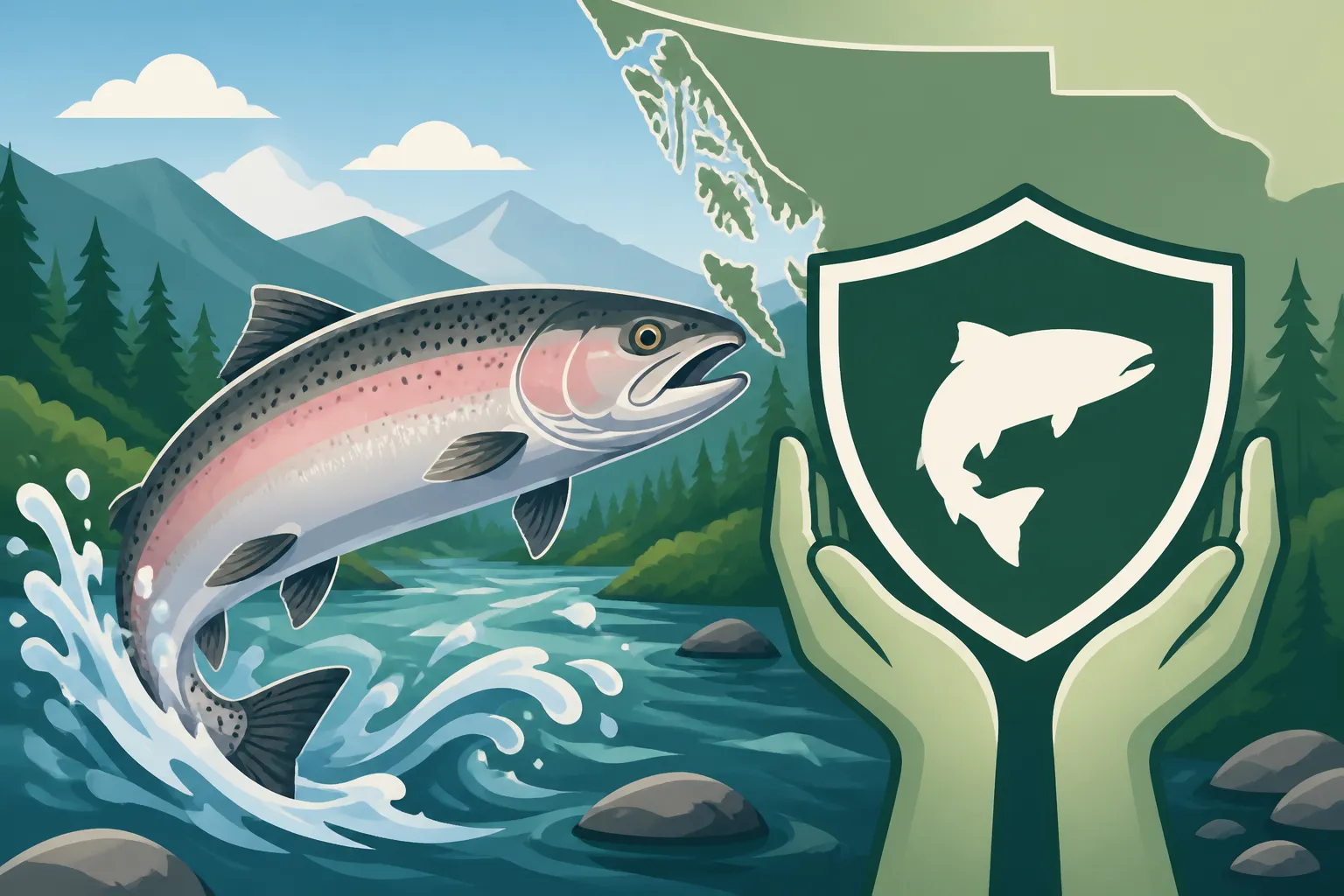
BC Interior Fraser steelhead protected status
Anglers across British Columbia share a deep love for our province's incredible waterways and the magnificent fish that call them home. However, for those of us who cherish the Interior Fraser steelhead, there's been a growing shadow of concern. These iconic fish, once a robust symbol of BC's wild spirit, now face serious threats, leading to a critical need for stringent protections. This guide is here to shed light on their precarious journey and what their protected status means for everyone who cares about them.
Understanding the Crisis: Why Interior Fraser Steelhead Need Protection
It’s heartbreaking to witness the decline of any wild species, but when it’s a fish as powerful and iconic as the steelhead, it really hits home. The Interior Fraser steelhead populations, specifically, have been in a dire state for some time, prompting necessary and often difficult conservation measures.
The Unique Story of Interior Fraser Steelhead
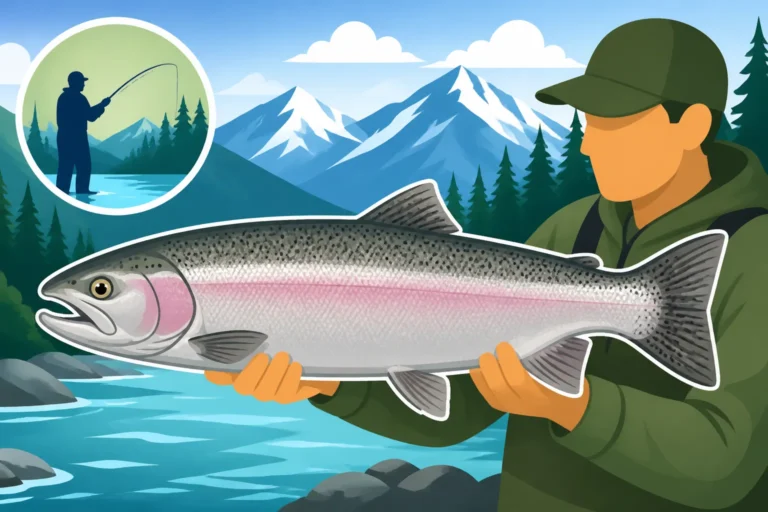
The Interior Fraser steelhead are not just any fish; they are truly special. These are anadromous rainbow trout, meaning they are born in freshwater rivers, migrate to the ocean to grow large and strong, and then return to their natal streams to spawn. What makes the Interior Fraser populations so unique is their incredible journey. They undertake one of the longest freshwater migrations of any steelhead in the world, travelling hundreds, sometimes thousands, of kilometres up the Fraser River system and into tributaries far into the province's interior. Think about that: these fish are heading far past Hope, past Lytton, up into the Thompson, Nicola, Chilcotin, and even the Upper Fraser watersheds. Their sheer determination and resilience are legendary.
Historically, these runs were strong, providing incredible fishing opportunities and playing a vital role in the ecosystem. However, over the last few decades, we’ve seen a drastic and alarming decline in their numbers. The sheer scale of their migration means they are exposed to a multitude of challenges across diverse environments, making them particularly vulnerable. It’s this unique life history, combined with their plummeting numbers, that underscores the urgency of their protection.
Threats to Their Survival
When we talk about the threats to Interior Fraser steelhead, it's rarely just one single culprit; it's a complex web of interconnected issues, each playing a part in their struggle. One of the most significant challenges comes from habitat degradation. Logging practices, agricultural runoff, industrial development, and even urban expansion can all impact the quality and quantity of their spawning and rearing habitats. Siltation can smother redds (nests), and altered water flows can make migration more difficult or even impossible.
Climate change adds another layer of complexity. Warmer water temperatures can stress fish, reduce oxygen levels, and alter the timing of their migrations. Low water levels, especially during critical migration periods, can strand fish or force them into areas where they are more vulnerable to predators or overfishing. Then there's the issue of mixed-stock fisheries. These steelhead often migrate at similar times and through similar areas as abundant salmon runs. While anglers are targeting salmon, steelhead can be unintentionally caught, leading to what's known as "bycatch mortality." Even with careful catch-and-release practices, some percentage of these fish simply don't survive the encounter. It's a tough reality to face, knowing that even well-intentioned fishing can have an impact.
The Journey to Protected Status: How Regulations Evolved
The decision to grant protected status to the Interior Fraser steelhead wasn't made overnight. It was the result of years of mounting concern, scientific analysis, and persistent advocacy from many passionate individuals and groups.
Initial Concerns and Early Conservation Efforts
For many years, anglers and conservationists watched with growing alarm as the returns of Interior Fraser steelhead dwindled. It started with anecdotal observations – fewer fish in favourite runs, smaller numbers showing up in monitoring counts. Soon, these observations turned into hard data, confirming the fears: these populations were in serious trouble. Groups like the Steelhead Society of BC, along with countless local angling clubs, began to tirelessly champion the cause, raising awareness and pushing for action. They understood the irreplaceable value of these wild fish and the potential for losing them forever.
Early efforts often involved voluntary conservation measures from anglers, like self-imposed non-retention or switching to barbless hooks. However, as the situation became more critical, it became clear that voluntary measures alone weren't enough. There was a desperate need for more formal, enforceable protections to give these fish a fighting chance. Scientific assessments, which delved deep into population dynamics, migration routes, and mortality factors, provided the evidence needed to push for significant regulatory changes.
The Decision for Protected Status and Management Strategies
The move to formal protected status for Interior Fraser steelhead populations represents a critical turning point. This decision usually follows a thorough assessment by scientific bodies, which evaluate the population's status against specific criteria for endangerment or threat. Once designated, it triggers a cascade of strict management strategies designed to halt the decline and, hopefully, initiate recovery.
For anglers, this largely translates into an absolute commitment to non-retention. This isn't just a suggestion; it's a mandatory rule designed to ensure that every single steelhead caught is released alive and unharmed. This is also why we have things like the BC Steelhead Conservation Surcharge Stamp when you buy your license – a portion of those funds goes directly towards conservation efforts for these and other at-risk steelhead populations. Additionally, specific gear restrictions, such as the mandatory use of single barbless hooks, become commonplace in rivers where these steelhead migrate. In some areas, bait might be prohibited entirely, or certain sections of rivers might be closed to fishing during critical migration or spawning periods. These measures, while sometimes feeling restrictive to us as anglers, are put in place with one goal: to maximize the survival rate of these precious fish and minimize any human-caused mortality. It's about giving them every possible advantage to reproduce and rebuild their numbers.
Navigating the Regulations: What Anglers Need to Know
Understanding and adhering to the regulations protecting Interior Fraser steelhead isn't just about following the law; it's about being a responsible steward of our natural resources. These rules are in place for a vital reason, and compliance is absolutely critical for the future of these magnificent fish.
Key Rules and Restrictions for Angling
The most fundamental rule for Interior Fraser steelhead is that they are strictly catch-and-release only. This means that if you are fortunate enough to hook one of these powerful fish, it must be released immediately and with the utmost care. Beyond that, there are often specific gear restrictions in place in waters known to host these runs. Expect to use single barbless hooks. This minimizes the damage to the fish and makes it easier to remove the hook quickly. In many areas, bait fishing might be prohibited entirely, especially during certain seasons when steelhead are present. The idea here is to reduce the chance of deep hooking, which can be fatal even if the fish is released.
It's also crucial to be aware of specific river closures or seasonal restrictions. Some rivers, or stretches of rivers, might be closed entirely to all fishing during peak steelhead migration or spawning periods to eliminate any disturbance. These closures can be dynamic and change quickly based on real-time population data or environmental conditions. Therefore, checking the current BC Fishery Notices and In-Season Closures, Explained before every trip is non-negotiable. You can find these notices online, and they provide the most up-to-date information on what's open, what's closed, and what specific regulations are in effect for different areas. For more general information on what rules might apply, take a look at the Reading the BC Freshwater Fishing Regulations Synopsis.
Best Practices for Catch-and-Release
Successfully releasing a steelhead is an art and a science, and it’s paramount for the Interior Fraser populations. The goal is to minimize stress, injury, and handling time to ensure the fish has the best possible chance of survival. Here’s how you can make a real difference:
- Keep 'Em Wet: This is the golden rule. Try your absolute best to keep the fish in the water, especially its gills. Removing a fish from the water, even for a quick photo, can strip away its protective slime layer, cause organ damage, and make it difficult for it to breathe.
- Handle with Care: If you must handle the fish, do so gently and as little as possible. Use wet hands to avoid damaging the slime coat. Support its belly, especially if it’s a larger fish, to prevent internal injury. Avoid holding it by the jaw or tail alone, which can cause spinal damage.
- Quick De-Hooking: Barbless hooks make this much easier. Carry a good pair of long-nosed pliers or forceps. There are many reliable options available online, and you can easily find quality tools for this purpose on Amazon. Get that hook out swiftly and cleanly. If the fish is deeply hooked and the hook cannot be removed easily, cut the line as close to the hook as possible. The hook will often corrode away over time.
- Revive, Don't Release Prematurely: Once released, gently hold the fish upright in the current, facing upstream. Allow water to flow over its gills. Don't let go until it actively tries to swim away from your grasp. This might take a few minutes, especially with larger fish or after a long fight.
- Know Your Limits: While it’s tempting to fight a fish until it's completely exhausted, a shorter fight is better for the fish’s survival. Use appropriate tackle for the size of fish you might encounter. How to Catch Steelhead in BC has more tips.
Following these practices turns catch-and-release from a mere formality into a genuine act of conservation.
| Catch-and-Release Best Practice | Why It's Important |
|---|---|
| Keep Fish in Water | Minimizes stress, protects slime layer, aids breathing, prevents organ damage. |
| Use Wet Hands | Preserves the fish's protective mucus layer, which guards against infection. |
| Support Fish Horizontally | Prevents injury to internal organs and spine, especially for larger, heavier fish. |
| Use Barbless Hooks | Easier and quicker hook removal, reducing tissue damage and handling time. |
| Carry De-Hooking Tools | Forceps or pliers aid in rapid and safe hook extraction. (Many options on Amazon!) |
| Minimize Handling | Less physical stress on the fish. |
| Avoid Excessive Photography | Keep fish submerged; quick photos only. Avoid long exposure to air. |
| Revive Fully | Hold fish gently in current until it swims away under its own power. Prevents post-release death. |
| Use Appropriate Tackle | Prevents over-exhaustion of the fish during the fight. |
The Role of Community and Future Outlook
The protected status of Interior Fraser steelhead is a beacon of hope, but its effectiveness relies heavily on the collective action and dedication of the angling community and beyond. We all have a part to play.
Angler Responsibility and Citizen Science
As anglers, we are often the first line of defence for our waterways. Our presence on the river gives us a unique perspective, and our adherence to regulations is paramount. Every time we practice careful catch-and-release, every time we choose the right gear, and every time we check BC Fishing Regulations Explained before heading out, we are contributing directly to conservation. It’s a powerful act of stewardship.
Beyond just following the rules, many anglers are becoming active participants in citizen science. This might involve reporting sightings of healthy fish, participating in scale sampling programs, or even volunteering for habitat restoration projects. These contributions provide invaluable data to biologists and fisheries managers, helping them better understand population trends and the effectiveness of conservation efforts. Organizations like the Fraser River Sturgeon Society also do tremendous work engaging the public in data collection and conservation, showing what’s possible when passionate individuals come together. You can always learn more about various fish species through books and guides, many available through Amazon, that cover BC’s rich aquatic life.
Hope for Recovery and Ongoing Challenges
While the situation for Interior Fraser steelhead remains serious, there is always hope. Recovery is a marathon, not a sprint, and it requires sustained effort from all stakeholders. Continued scientific research helps us understand the complex challenges, informing adaptive management strategies. Habitat restoration projects, aimed at improving spawning and rearing grounds, are crucial. Efforts to manage other fisheries to minimize incidental steelhead bycatch are ongoing.
The journey ahead is undoubtedly challenging. Factors like climate change, continued habitat pressures, and the sheer scale of the steelhead's migration mean there are no easy answers. However, the dedicated work of conservation groups, government agencies, and, most importantly, the responsible actions of anglers, offer a path forward. Our collective commitment to protecting these magnificent fish is their best chance for survival. We need to remember that Do Steelhead Reproduce Naturally in BC Rivers? is a question with a crucial "yes," and our actions directly impact their ability to do so. Let's ensure future generations have the chance to witness the incredible strength and beauty of a wild Interior Fraser steelhead. If you're looking for gear or resources, checking out reputable outdoor retailers or Amazon can help you find what you need to fish responsibly and ethically.
Disclaimer
This article is for general informational purposes only and does not constitute professional advice. Laws, prices and regulations vary by location and change over time. Consult a qualified professional for guidance on your specific situation.