Are There Protected or Endangered Fish Species in BC?
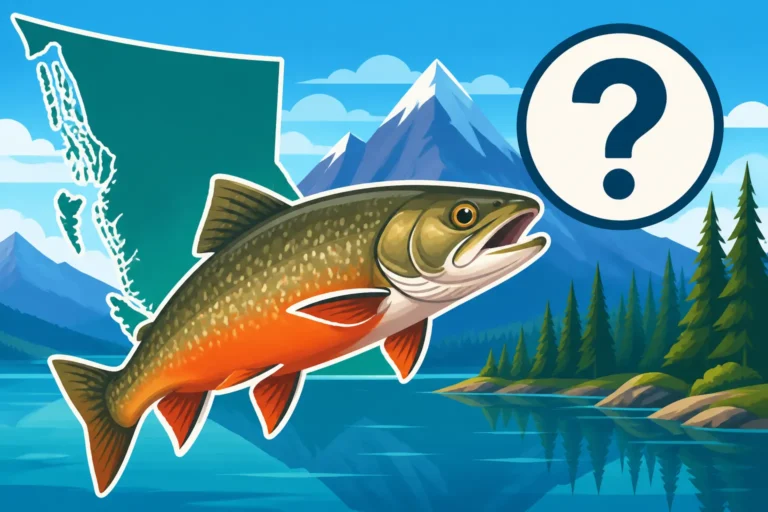
It's incredibly frustrating when you're out on the beautiful waters or rivers of British Columbia, trying to enjoy a relaxing day of fishing, and a nagging doubt creeps in: "Am I sure this fish isn't protected? What if I catch something I shouldn't?" The truth is, navigating the world of conservation and species at risk can feel like a minefield, with constantly evolving regulations and the genuine fear of inadvertently harming a vulnerable population or, worse, facing legal consequences. This comprehensive guide is here to untangle the complexities, shedding light on the protected and endangered fish species in BC, explaining why it matters, and empowering you with the knowledge to fish responsibly and confidently in our incredible province.
The Critical Importance of Understanding BC's Protected Fish
When we talk about protected or endangered fish species, it's not just academic jargon or some obscure rule that only applies to scientists. This topic is profoundly relevant to every single angler who wets a line in British Columbia. Our province is a treasure trove of biodiversity, from the mighty Fraser River to the smallest mountain streams, and with that richness comes a responsibility to protect it. Understanding which species are vulnerable and why is the first step in being a truly ethical and responsible participant in the fishing community.
Why Conservation Matters to Anglers
For many of us, fishing is more than just a hobby; it's a deep connection to nature, a way to de-stress, and a tradition passed down through generations. But if we don't actively participate in conservation, those traditions and opportunities could disappear. When a species becomes endangered, it's a sign that its ecosystem is in trouble, and that impacts all of us. Declining fish populations can lead to stricter fishing regulations, outright closures, and a noticeable decrease in the overall health and productivity of our waterways. Imagine a future where your favourite fishing spot is barren, or where you can no longer target the species you love because their numbers have dwindled. That's a grim picture, and it’s why conservation isn't just for environmentalists; it's for every single angler who wants to ensure there's fish to catch for years to come. It’s about being part of the solution, not contributing to the problem, so that future generations can experience the same joy of fishing that we do today.
Legal Ramifications of Misidentification or Harm
Beyond the ethical considerations, there are very real, very serious legal consequences for knowingly or unknowingly harming protected or endangered fish species in British Columbia. The federal Species at Risk Act (SARA) and provincial legislation carry significant weight, and ignorance is rarely an acceptable defence. If you're caught fishing for, retaining, or even unduly harming a species listed under SARA, you could face hefty fines, confiscation of your gear and vessel, and even imprisonment in severe cases. These aren't just minor penalties; they can be life-altering. Fisheries officers are on the water, patrolling and enforcing these regulations, and they take their job seriously. It’s crucial to understand that these laws are in place precisely to prevent the extinction of vulnerable populations. Therefore, knowing your target species, recognizing prohibited species, and understanding BC Fishing Regulations Explained are not merely suggestions but fundamental requirements for anyone fishing in BC. Even if you're practicing catch-and-release, causing undue stress or injury to a protected fish can still lead to legal trouble, making proper handling techniques essential.
Navigating the Landscape of Fish Protection in British Columbia
The system for protecting fish species in BC can feel a bit like a maze, with different levels of government and various pieces of legislation coming into play. It’s not as simple as a single list of "do not touch" fish; instead, it's a dynamic framework that aims to identify, assess, and protect species that are facing threats to their survival. Understanding this framework is key to appreciating the efforts made to conserve our aquatic life and knowing where to look for current information.
Federal vs. Provincial Protections: A Dual Approach
In British Columbia, fish species can fall under the protection of both federal and provincial laws, creating a dual layer of defence. Federally, the primary legislation is the Species at Risk Act (SARA), managed by Fisheries and Oceans Canada (DFO) and Environment and Climate Change Canada. SARA applies broadly across the country, particularly to aquatic species. It provides legal protection for species listed as Extirpated (no longer exists in the wild in Canada), Endangered, or Threatened, and their critical habitats. This means that once a species is listed under SARA, it's illegal to kill, harm, harass, capture, or take it, and its habitat is also protected from damage.
On the provincial side, British Columbia has its own legislation, primarily the Wildlife Act, which covers wildlife not under federal jurisdiction, including some fish species. The provincial government also maintains various lists of species at risk, often categorized as "Red List" (endangered or threatened) and "Blue List" (special concern). While these provincial lists don't always carry the same immediate legal prohibitions as a SARA listing, they inform provincial resource management decisions, conservation efforts, and can influence specific regional fishing regulations. For instance, a species might be provincially red-listed, prompting localized fishing restrictions or habitat restoration projects, even if it hasn't yet reached federal SARA status. It's this complex interplay that requires anglers to be aware of both federal and provincial directives.
Understanding Species at Risk Legislation (SARA and CESA)
Let's dive a little deeper into the federal framework. The Species at Risk Act (SARA) is Canada's federal legislation to prevent wildlife species from becoming extirpated or extinct, to provide for the recovery of wildlife species that are extirpated, endangered or threatened as a result of human activity, and to manage species of special concern to prevent them from becoming endangered or threatened. The process for a species to be listed under SARA is rigorous. It starts with an assessment by the Committee on the Status of Endangered Wildlife in Canada (COSEWIC), an independent advisory panel of experts. COSEWIC assesses the biological status of a species and assigns a status: Extirpated, Endangered, Threatened, or Special Concern. Once COSEWIC makes a recommendation, the federal government decides whether to legally list the species under SARA.
When a species is legally listed as Endangered or Threatened under SARA, it immediately triggers prohibitions against killing, harming, harassing, capturing, taking, or possessing individuals of that species. It also provides for the identification and protection of "critical habitat," which are the habitats necessary for the survival or recovery of a SARA-listed species. For aquatic species, this critical habitat is managed by Fisheries and Oceans Canada (DFO). The Canadian Environmental Protection Act (CEPA) also plays a role in habitat protection, especially concerning substances that may be harmful to species. While CEPA isn't directly about listing species, it provides tools to regulate pollution that could impact fish habitat, thereby indirectly supporting the recovery of species at risk. For anglers, this means staying updated through official DFO fishery notices and understanding that seemingly minor actions, like disturbing spawning beds, can have significant legal implications if they impact a SARA-listed species' critical habitat. You can often find comprehensive guides and even identification posters for species at risk available for purchase on platforms like Amazon, which can be invaluable resources.
Key Protected and Endangered Fish Species in BC Waters
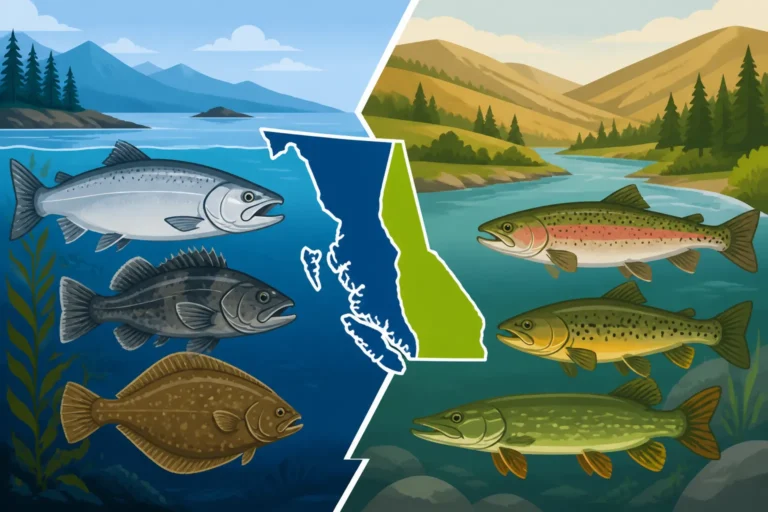
British Columbia is home to a diverse array of fish, and unfortunately, several of them are facing significant threats. While the list of species "at risk" is dynamic and always being re-evaluated, some stand out as particular conservation priorities due to their precarious status and unique ecological importance. As anglers, knowing these key species is paramount, not just for compliance but for contributing to their recovery.
Interior Fraser River Steelhead: A High-Priority Concern
One of the most concerning situations in BC's fisheries is the plight of the Interior Fraser River Steelhead. These magnificent anadromous rainbow trout undertake an incredible journey, migrating from the ocean, up the Fraser River, and into its interior tributaries to spawn. Unlike Pacific salmon, steelhead are iteroparous, meaning they can survive spawning and return to the ocean, potentially spawning multiple times. This makes their decline even more heartbreaking, as each returning fish represents a tremendous genetic investment.
Unfortunately, the populations of Interior Fraser River Steelhead have plummeted dramatically in recent decades, primarily due to a complex combination of factors including habitat degradation, climate change impacts affecting water levels and temperatures, and unfortunately, incidental bycatch in other fisheries targeting salmon. Their numbers are so critically low that they were assessed as "Endangered" by COSEWIC and were considered for SARA listing, though the decision has been a contentious one. Nonetheless, they are recognized as a provincial Red-listed species, and specific, stringent measures are in place to protect them. These often include extensive BC Catch and Release Only Waters designations, bait bans, and specific gear restrictions in their migratory corridors and spawning tributaries. Anglers fishing the Thompson or Chilcotin rivers, for example, during steelhead migration periods, must be acutely aware of BC Interior Fraser steelhead protected status and adhere to all regulations, which often mandate the immediate release of any steelhead caught, using techniques that minimize harm.
White Sturgeon: An Ancient Giant Under Threat
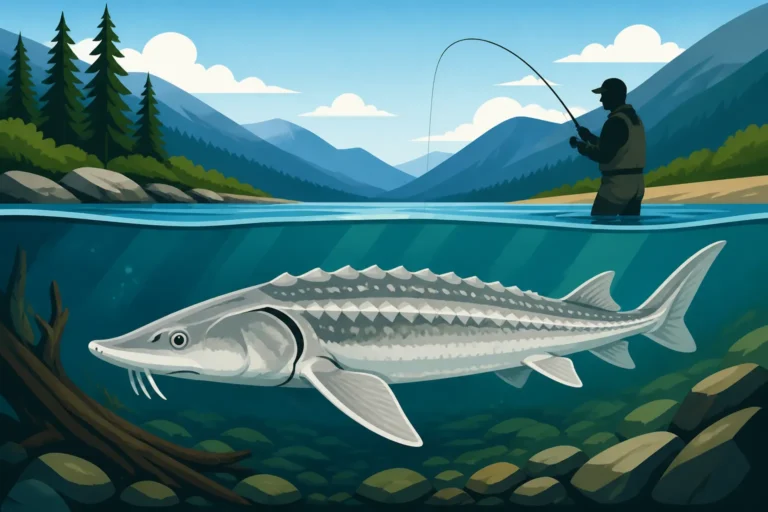
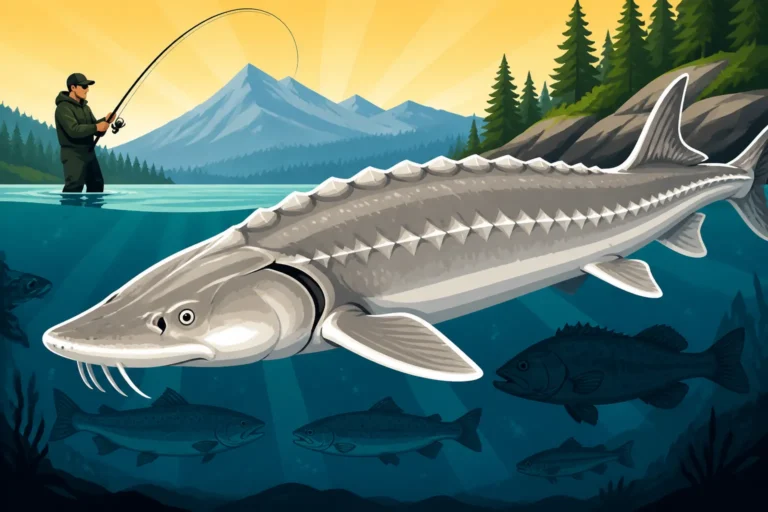
The White Sturgeon, particularly those found in the Fraser River system, represent another critical species at risk in British Columbia. These are truly ancient fish, often referred to as "living fossils," with some individuals living for well over a century and growing to immense sizes – several metres long and hundreds of kilograms. They are the largest freshwater fish in North America and a truly iconic species of the Fraser.
The Fraser River White Sturgeon population has been assessed as "Endangered" by COSEWIC and is indeed listed under the federal Species at Risk Act (SARA). This listing provides the highest level of protection, making it illegal to kill, harm, harass, capture, or possess a White Sturgeon. Recreational fishing for White Sturgeon on the Fraser River is strictly catch-and-release only, and specific best practices are legally mandated to ensure the survival of released fish. These include guidelines on appropriate tackle (barbless hooks only), fight times, handling techniques (keeping the fish in the water as much as possible), and proper resuscitation before release. Fishery notices frequently provide updates on regulations regarding White Sturgeon Fishing on the Fraser River and reinforce BC Fraser River Sturgeon Catch and Release Requirement. It is paramount that any angler targeting sturgeon is fully versed in these requirements, as improper handling can lead to significant penalties, even if the intent was not to harm the fish. The future of these majestic creatures depends entirely on our collective commitment to their protection.
Other Species on the Watchlist
Beyond the high-profile cases of Interior Fraser Steelhead and White Sturgeon, several other fish populations in British Columbia are either considered at risk or are under close monitoring. The situation is always evolving, but it's important for anglers to be generally aware of other potentially vulnerable species or specific runs that might have special protections.
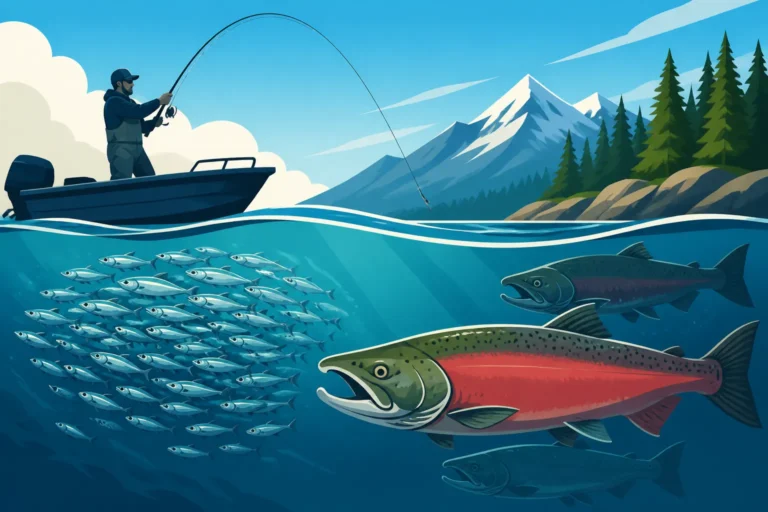
For example, certain localized populations of Pacific Salmon, particularly specific runs of Chinook or Sockeye in certain river systems, can sometimes be designated as threatened or endangered, leading to highly specific area closures or retention limits. These are typically communicated through DFO Fishery Notices, which is why checking BC Fishery Notices and In-Season Closures, Explained before every trip is non-negotiable. Similarly, some distinct populations of resident Rainbow Trout Fishing in BC, especially unique strains in isolated lakes or streams, might be provincially red-listed due to habitat pressures or limited distribution. While a general rainbow trout may not be at risk, a specific population might be, making local knowledge and up-to-date regulatory information crucial.
Then there are species like the Cultus Lake Sockeye (a genetically distinct population of sockeye salmon) which are listed as Endangered under SARA, meaning they are completely off-limits. Other species, like some populations of Bull Trout in BC's Interior Rivers, might be considered "of special concern" by COSEWIC, indicating that while not yet endangered, they are vulnerable and may become so if conservation efforts are not maintained. These species often have more restrictive bag limits or season dates than other more robust populations. Always refer to the most recent BC Bag and Possession Limits by Species to ensure you're compliant. For those interested in deeper dives, many conservation groups and government agencies publish detailed reports and even field guides on at-risk species, often available through public libraries or even digital versions through sites like Amazon.
Here's a simplified overview of some key species at risk in BC:
| Species | Primary Location | COSEWIC Status | SARA Listing | Key Angler Regulation Notes |
|---|---|---|---|---|
| White Sturgeon | Fraser River, Nechako River | Endangered | Endangered | Strict Catch & Release, specific handling rules |
| Interior Fraser Steelhead | Thompson, Chilcotin Rivers | Endangered | Not Yet Listed (Prov. Red List) | Catch & Release, gear restrictions, bait bans |
| Cultus Lake Sockeye | Cultus Lake & Vedder River | Endangered | Endangered | No Fishing/Retention Permitted |
| Sakinaw Lake Sockeye | Sakinaw Lake (Sunshine Coast) | Endangered | Endangered | No Fishing/Retention Permitted |
| Nooksack Dace | Fraser Valley tributaries | Endangered | Endangered | Unlikely to be targeted by anglers, but habitat protected |
| Salish Sucker | Fraser Valley tributaries | Endangered | Endangered | Unlikely to be targeted by anglers, but habitat protected |
| Some Chinook/Sockeye Runs | Various Rivers | Varies by Run | Varies by Run | Highly specific closures, limits, check notices |
Note: This table provides a simplified overview. Species status and regulations are dynamic and can change. Always consult official DFO and BC government sources before fishing.
How Anglers Can Contribute to Conservation and Responsible Fishing
Being an angler in British Columbia comes with a special privilege: access to some of the most stunning and productive fisheries in the world. With that privilege comes a profound responsibility to protect these resources. Contributing to conservation isn't just about avoiding illegal actions; it's about actively adopting practices that minimize your impact and support the health of fish populations. Every angler has a role to play in ensuring the future of fishing in BC.
Best Practices for Catch-and-Release
For many of the species at risk, and indeed for many other fish, catch-and-release is a crucial conservation tool. However, simply releasing a fish isn't enough; it's how you release it that truly matters. A poorly handled catch-and-release can be just as detrimental as harvesting a fish, as stressed or injured fish may not survive.
Firstly, use appropriate gear. This means using tackle strong enough to land the fish quickly, minimizing fight time and exhaustion. Consider using single, barbless hooks, as they cause less damage and are easier to remove. Many areas, especially for species like steelhead or sturgeon, BC Steelhead Conservation Surcharge Stamp and BC Salmon Conservation Stamp Rules indicate conservation measures and often require barbless hooks by regulation. When you hook a fish, try to bring it in as swiftly as possible without "playing" it to exhaustion, especially in warmer water where oxygen levels are lower.
Once the fish is alongside your boat or on the shore, keep it in the water as much as you can. Lifting a large fish, particularly a sturgeon or large salmon, completely out of the water can cause severe internal damage due to the loss of buoyancy and gravity compressing organs. If you must lift it for a quick photo, support its entire body horizontally. Avoid touching the gills or eyes. Use wet hands to minimize the removal of the protective slime coat, which is the fish's first line of defence against disease. For hook removal, use pliers or hemostats to quickly and gently dislodge the hook. If the hook is deeply swallowed, cut the line as close to the hook as possible rather than tearing at the fish's internal organs. Finally, revive the fish by holding it gently in the current, allowing water to flow over its gills, until it swims away under its own power. Never simply toss a lethargic fish back into the water. These practices are not just suggestions; for many species, they are critical to survival and are often part of the regulations, especially for sensitive species like White Sturgeon.
Resources for Identification and Staying Informed
Staying informed is perhaps the most important contribution an angler can make to conservation. Regulations change, and the status of species at risk can fluctuate based on new assessments and population data. Fortunately, there's a wealth of information available to help you identify fish and understand the rules.
Your first and most important resource is the official BC Freshwater Fishing Regulations Synopsis and the DFO Pacific Region Recreational Fishing Regulations Summary. These documents, updated annually, are your bible for all things regulatory. They detail species-specific regulations, closed areas, bag limits, and gear restrictions. You can often pick up a physical copy at fishing tackle shops or download digital versions from the provincial and federal government websites. Reading the BC Freshwater Fishing Regulations Synopsis is crucial before heading out.
Additionally, pay close attention to Fishery Notices. These are issued by Fisheries and Oceans Canada (DFO) and provide real-time updates on closures, openings, and urgent conservation measures. A river might be open for salmon, but suddenly close for a specific run due to low numbers; these changes are communicated through fishery notices. You can subscribe to email alerts or check the DFO website regularly. Many anglers also find great value in carrying a good fish identification guide for British Columbia. These can be found at local bookstores or online retailers like Amazon, offering detailed illustrations and descriptions to help you confidently distinguish between similar-looking species. Being able to correctly identify fish, especially between a wild steelhead and a hatchery-marked one, or different salmon species, is fundamental to complying with BC Bag and Possession Limits by Species and protecting our vulnerable aquatic residents. Connecting with local tackle shops and fishing clubs can also provide invaluable local knowledge and insights into current conditions and species activity.
Disclaimer
This article is for general informational purposes only and does not constitute professional advice. Laws, prices and regulations vary by location and change over time. Consult a qualified professional for guidance on your specific situation.