What percentage of steelhead survive catch and release
For many of us who cherish the wild beauty and incredible angling opportunities here in British Columbia, the act of catching a magnificent steelhead is often followed by a poignant moment: the release. We want these incredible fish to swim away strong and healthy, continuing their journey to spawn and enrich our rivers. But deep down, there's always that nagging question: what percentage of steelhead actually survive catch and release? It's a valid concern, and one that every responsible angler should ponder. This guide dives deep into the factors that influence steelhead survival rates after they've been unhooked and gently sent back into the current, offering insights and best practices to ensure our cherished wild fish thrive.
Understanding Steelhead Catch-and-Release Mortality
It's a tough pill to swallow, but not every fish released makes it. The reality is that catch and release, while an invaluable conservation tool, isn't without its impacts. Understanding these impacts is the first step toward minimizing them and becoming a more effective steward of our fisheries.
The Nuance of "Survival Rate"
When we talk about "survival rate," it's easy to think of it as a simple, black-and-white number. However, the science behind it is far more complex. Researchers often differentiate between direct mortality and delayed mortality. Direct mortality is when a fish dies immediately or very shortly after release, often right at the angler's feet, perhaps from severe injury or immediate physiological shock. This is typically what we see or directly observe.
Delayed mortality, on the other hand, is much harder to track. This refers to fish that appear fine upon release but succumb to stress, injury, or secondary infections days or even weeks later. Factors like exhaustion, tissue damage from handling, gill damage, or even a suppressed immune system making them vulnerable to disease can all contribute to delayed mortality. Measuring this involves tagging studies and advanced telemetry, which are incredibly valuable but also challenging and costly to implement on a large scale across all our diverse BC waters. So, while you might feel good watching a fish swim off, its fight for survival isn't always over the moment it disappears from sight.
Why Steelhead are Particularly Vulnerable
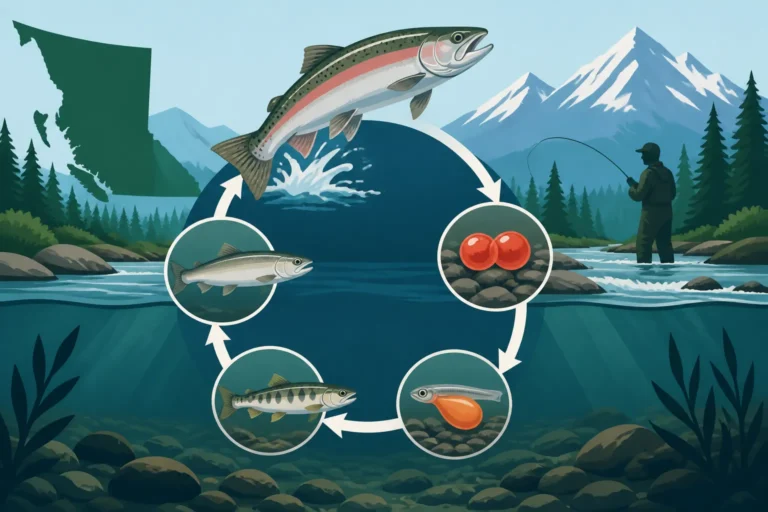
Steelhead are truly unique and resilient fish, but their biology also makes them particularly susceptible to the stresses of being caught and released. These are anadromous rainbow trout, meaning they spend years in the ocean growing large and powerful, only to return to freshwater rivers to spawn. This migration is an arduous journey, demanding immense energy. When they enter the river systems, their bodies are undergoing significant physiological changes to adapt from saltwater to freshwater, all while navigating strong currents and often fasting for extended periods. They are operating on a tight energy budget.
Adding a strenuous fight with an angler to this already demanding period can be incredibly taxing. The sudden burst of activity, the lactic acid buildup in their muscles, and the shock of being handled can push them past their limits, making them vulnerable even if they manage to swim away. Their delicate gills, critical for oxygen exchange, are easily damaged by air exposure or rough handling. Unlike some other fish that may feed heavily once in freshwater, steelhead often hold over for months before spawning, relying on stored energy. Any depletion of this energy, such as from an exhaustive fight, directly impacts their ability to reproduce successfully, or even to survive long enough to spawn. This is why our practices as anglers are so vital for species like the magnificent steelhead that grace our rivers.
Key Factors Influencing Steelhead Survival After Release
The good news is that many elements impacting a steelhead's survival are within our control as anglers. By understanding these factors, we can adjust our techniques and habits to give every released fish the best possible chance at recovery and a successful return to its natural life cycle.
Water Temperature: The Silent Killer
This is perhaps one of the most critical, yet often overlooked, factors in catch-and-release mortality. Steelhead, like all cold-blooded fish, are highly sensitive to water temperature. Colder water holds more dissolved oxygen, which is essential for a fish already under stress. As water temperatures rise, oxygen levels drop, and a fish's metabolism speeds up, increasing their oxygen demand. When you combine this with the exertion of a fight, it creates a dangerous scenario, almost like making a human run a marathon in stifling heat with limited air.
In BC, especially during warmer summer and early fall periods, river temperatures can climb to dangerous levels for steelhead. Even what feels like a "cool" summer day to us can be critically warm for a steelhead. When water temperatures approach or exceed 18-20°C (around 64-68°F), the stress on the fish becomes extreme, and mortality rates can skyrocket. Many responsible anglers choose to avoid fishing for steelhead altogether during these warmer periods, opting for other species or putting their rods away until conditions improve. It's a tough call, but prioritizing the fish's well-being is paramount. Always check local regulations and BC Fishing Season Dates and Closures before heading out, and consider carrying a thermometer to monitor water conditions yourself.
Fight Time and Exhaustion
We all love the thrill of a long, epic battle with a powerful steelhead, but the longer a fish fights, the more exhausted it becomes, and the higher the risk of delayed mortality. A prolonged fight causes a severe buildup of lactic acid in the fish's muscles, similar to what happens to us during intense exercise. Unlike humans, fish have a limited capacity to clear this lactic acid, and it can lead to physiological shock, organ damage, and an inability to recover.
To minimize fight time, it’s crucial to use appropriate gear. Don't go after a potential trophy steelhead with ultra-light tackle designed for small trout. Use a rod with enough backbone and a reel with a smooth, reliable drag set correctly for your line strength. Apply steady, firm pressure to guide the fish in quickly. It's a delicate balance: you want to land the fish as fast as possible without completely overpowering it to the point of breaking your line or ripping the hook out. Every minute saved in the fight increases that fish's chance of swimming away strong. Sometimes, a quick, intense fight is actually better for the fish than a drawn-out, exhaustive one.
Angler Handling and Equipment
This is where the angler's actions directly intersect with the fish's fate. How you handle a steelhead once it's close can make all the difference. The goal should always be minimal contact and maximum care.
- Wet Hands: Always, always wet your hands before touching a fish. Dry hands can remove the protective slime coat, leaving the fish vulnerable to fungal infections and parasites.
- De-barbed Hooks: Using barbless hooks, or crimping down the barb on your barbed hooks, is a game-changer. It makes hook removal quick and easy, minimizing damage to the fish's mouth and reducing the time the fish is out of water. This simple practice significantly reduces trauma.
- Knotless Rubberized Nets: If you use a net, opt for one with soft, knotless, rubberized mesh. Traditional knotted nylon nets can strip away slime, damage fins, and injure eyes. A good rubber net cradles the fish gently and prevents further harm. Many excellent options are available on Amazon that prioritize fish welfare.
- Hook Placement: The deeper a hook is ingested, the more problematic it becomes. Barbless hooks can still be deeply set, but they are often easier to remove. If a fish is gut-hooked and the hook cannot be easily removed without causing further damage, it's often best to cut the line as close to the hook as possible. The hook may corrode and fall out, or the fish may be able to survive with it. Attempting to forcefully remove a deeply set hook almost guarantees mortality.
- Keeping them Wet: Perhaps the most crucial rule. Keep the fish in the water as much as possible. More on this shortly!
Gear Choice: Hooks, Line, and Leaders
Your gear choices aren't just about catching the fish; they're about how you treat them. Selecting the right tackle can be a significant factor in a steelhead's survival.
- Single, Barbless Hooks: As mentioned, these are paramount. They cause less tissue damage and can be removed with incredible speed, often while the fish is still in the water. Many anglers swear by them for ethical reasons and find that they still hook and hold fish effectively. It's becoming standard practice for many conservation-minded anglers and is often required in Special Regulation Waters in BC.
- Appropriate Line Strength: Using line that's too light for the conditions and the size of fish you might encounter leads to extended fight times. Conversely, overly heavy, stiff line can sometimes prevent natural presentations. Find a balance that allows you to control the fish and bring it in efficiently without breaking off or prolonging the battle unnecessarily. Your leader material and strength should also be considered to absorb shock and prevent break-offs that leave hooks in fish.
- Rod Action: A rod with enough power to turn a fish but enough flex to absorb runs can help bring a steelhead to hand quickly. Matching your rod to your intended fishing method, whether it's drift fishing, float fishing, or spey casting, will contribute to a more efficient fight. When learning How to Catch Steelhead in BC, gear choice is always a primary consideration.
Best Practices for Maximizing Steelhead Survival
Okay, so we know the factors. Now, let's talk about actionable steps you can take every single time you're out on the water to maximize the survival chances of every steelhead you release. Think of these as your personal code of conduct for responsible angling.
Prepare Before You Cast
Success in catch and release starts before you even make your first cast. Being prepared means less fumbling and stress when a fish is on the line, benefiting both you and the steelhead.
- Have Tools Ready: Before you start fishing, make sure your hook removal tool (forceps or pliers), your net (if using one), and your camera are all easily accessible. Don't be digging through your vest or tackle box with a thrashing fish on the line. I always have a pair of long-nosed forceps clipped to my vest, ready to go. You can find excellent options for specialized fishing tools on Amazon.
- Pre-Plan Your Approach: Look around your fishing spot. Where's the calmest, shallowest water to land a fish? Where's the best spot to perform the release without re-stressing it in strong currents? If you anticipate a fish, mentally walk through the steps of landing, unhooking, and releasing. This readiness helps you act quickly and calmly.
- Know the Rules: Always review the latest BC Fishing Regulations Explained and specific regulations for the water body you're fishing. Sometimes, certain gear or handling methods are prohibited or mandated for conservation. Being informed helps you adhere to the best practices that local fisheries managers have identified.
Minimize Time Out of Water and Contact
This is perhaps the single most important principle of successful catch and release. Every second a steelhead is out of the water is a second it's not breathing, a second its delicate gills are drying out, and a second its protective slime coat is compromised.
- Keep Them Wet: This is your mantra. From the moment you land the fish until you release it, strive to keep its head and gills submerged in water. If you must remove it for a quick photograph, do so for only a few seconds, holding it horizontally with wet hands. Avoid holding it vertically by the tail, as this can damage its internal organs and spine. A fish that can breathe the whole time it's being handled is a fish that has a much better chance of survival.
- Minimal Handling: Touch the fish as little as possible. If you need to handle it, support its belly gently while holding the tail wrist, ensuring its weight is evenly distributed. Avoid squeezing its body or gills.
- Photograph Quickly and Ethically: We all love a good photo to remember the moment, but prioritize the fish. Get your camera ready before you lift the fish. Get the shot quickly, ideally with the fish still partly in the water, and then immediately return it to the water for release. Consider photos that show the fish in the net or just before release, showcasing the moment without unnecessary stress to the fish.
Effective Release and Revival Techniques
Releasing a steelhead isn't just about letting go; it's about giving it the best possible send-off, ensuring it's ready to swim strong on its own.
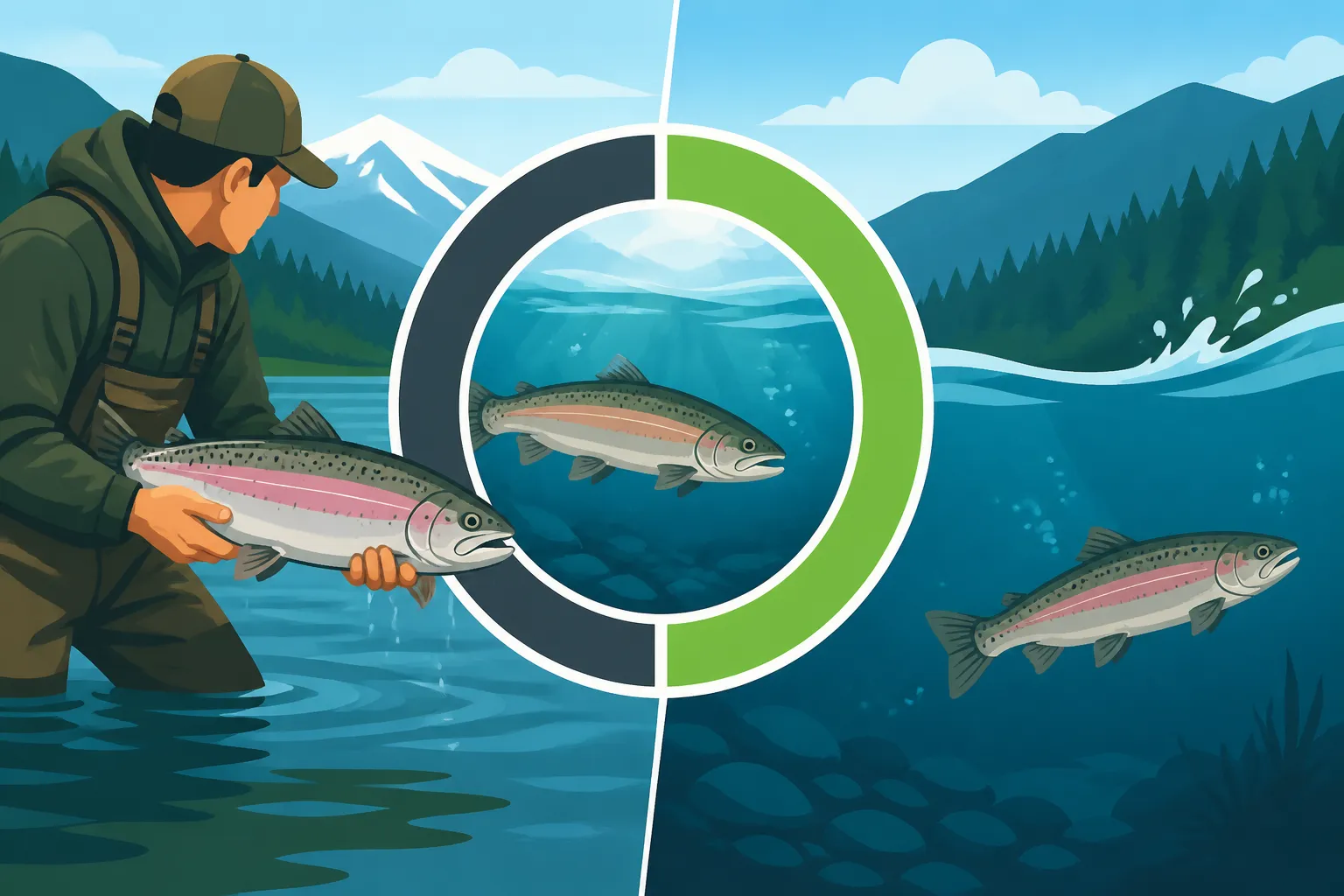
- Support and Orient: Once the hook is out and the fish is ready, gently cradle it in the water, facing it upstream into a gentle current. This allows fresh, oxygenated water to flow over its gills. Hold it firmly but gently, supporting its belly.
- Signs of Recovery: Don't just let go prematurely. Watch for signs of recovery. The fish will often start moving its gills strongly and may try to swim away. You'll feel it regain its strength, pushing against your hands.
- Let It Go on Its Own Terms: When the fish is actively trying to swim out of your hands, that's your cue. Don't toss it or drop it. Simply open your hands and let it swim away under its own power. Sometimes, a fish might dart off only to settle in a quiet spot nearby. Observe it for a moment to ensure it doesn't struggle or flip over. If it seems disoriented, continue revival until it's strong. This patient approach is especially important for fish caught in challenging conditions, as highlighted in guides like Fishing After a Heavy Rain on BC Rivers or Cold Front Fishing Tactics for BC Trout.
Here's a quick summary of key actions:
| Action | Why it Helps Survival |
|---|---|
| Check Water Temperature | High temps cause stress, low oxygen, and high mortality. |
| Use Barbless Hooks | Reduces tissue damage, speeds up hook removal. |
| Use Appropriate Tackle | Minimizes fight time and fish exhaustion. |
| Wet Your Hands | Preserves protective slime coat, prevents infection. |
| Keep Fish in Water | Allows continuous breathing, protects gills and eyes. |
| Minimize Handling | Reduces physical stress and internal injury. |
| Quick Photos | Limits air exposure, gets fish back to breathing faster. |
| Revive Gently | Ensures fish is fully recovered before release. |
| Cut Deeply Set Hooks | Prevents further trauma from forceful removal. |
| Use Knotless Rubber Net | Prevents scale and fin damage, preserves slime. |
The Broader Conservation Picture and Personal Responsibility
Beyond the individual fish, every angler's actions contribute to the larger narrative of steelhead conservation in British Columbia. Our collective efforts truly make a difference in sustaining these magnificent populations for generations to come.
Beyond Individual Fish: Population Health
While the immediate survival of a single fish is important, the long-term health of steelhead populations depends on the cumulative impact of thousands of angling interactions. When a high percentage of released fish survive and successfully spawn, it directly contributes to robust future generations. Conversely, even seemingly low individual mortality rates can have significant impacts if multiplied across many anglers and many fish over a season, especially for stocks that are already vulnerable or declining.
Catch and release for steelhead isn't just a sport; it's a critical conservation strategy. It allows anglers to enjoy the thrill of fishing for these incredible creatures while aiming to minimize their impact on reproductive success. Without widespread catch and release, many of BC's most iconic steelhead runs would likely face even greater pressures. This is why initiatives like the BC Steelhead Conservation Surcharge Stamp exist – to fund programs that protect and enhance these invaluable fisheries, with anglers often being the strongest advocates for their continued health.
Being a Responsible Steelhead Angler in BC
Being a responsible steelhead angler is an ongoing commitment to learning, adapting, and prioritizing the well-being of the fish above all else. It means being willing to change your habits, even if it means sacrificing a potential photo or a few extra minutes of a fight.
- Continuous Learning: Fishery science and best practices evolve. Stay informed about the latest research on fish handling, conservation initiatives, and local conditions. Follow resources like BC Fishery Notices and In-Season Closures, Explained regularly, as regulations and recommendations can change quickly, especially for sensitive species.
- Ethical Dimension: Steelhead are more than just a quarry; they are a symbol of the wild, untamed beauty of British Columbia. Fishing for them carries an inherent ethical responsibility. It's about respecting the fish, the ecosystem it inhabits, and the privilege we have to pursue it. If conditions aren't right – if the water is too warm, or the fish seem particularly stressed – sometimes the most responsible action is to simply not fish, or to switch to a less vulnerable species.
- Advocacy: Be an advocate for steelhead conservation. Support organizations that work to protect their habitat, promote responsible angling, and fund scientific research. Share your knowledge and best practices with other anglers, gently educating them on ways to improve fish survival. After all, we're all in this together, and the future of BC's incredible steelhead depends on every one of us.
Disclaimer
This article is for general informational purposes only and does not constitute professional advice. Laws, prices and regulations vary by location and change over time. Consult a qualified professional for guidance on your specific situation.