BC record sockeye salmon weight
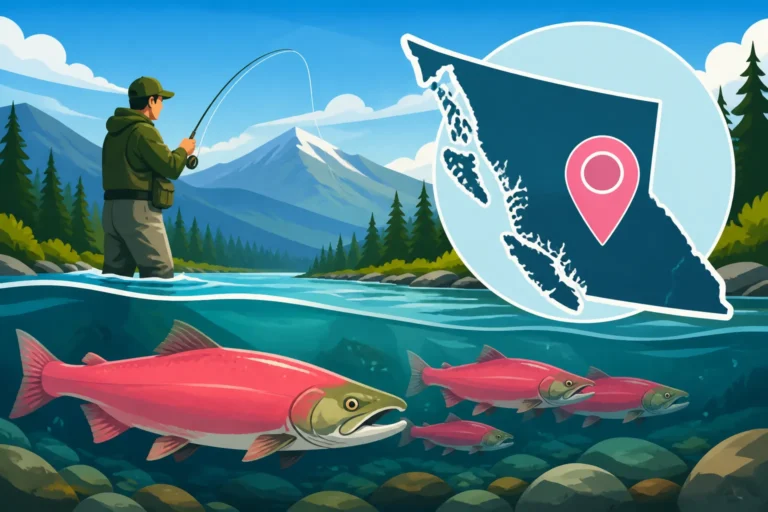
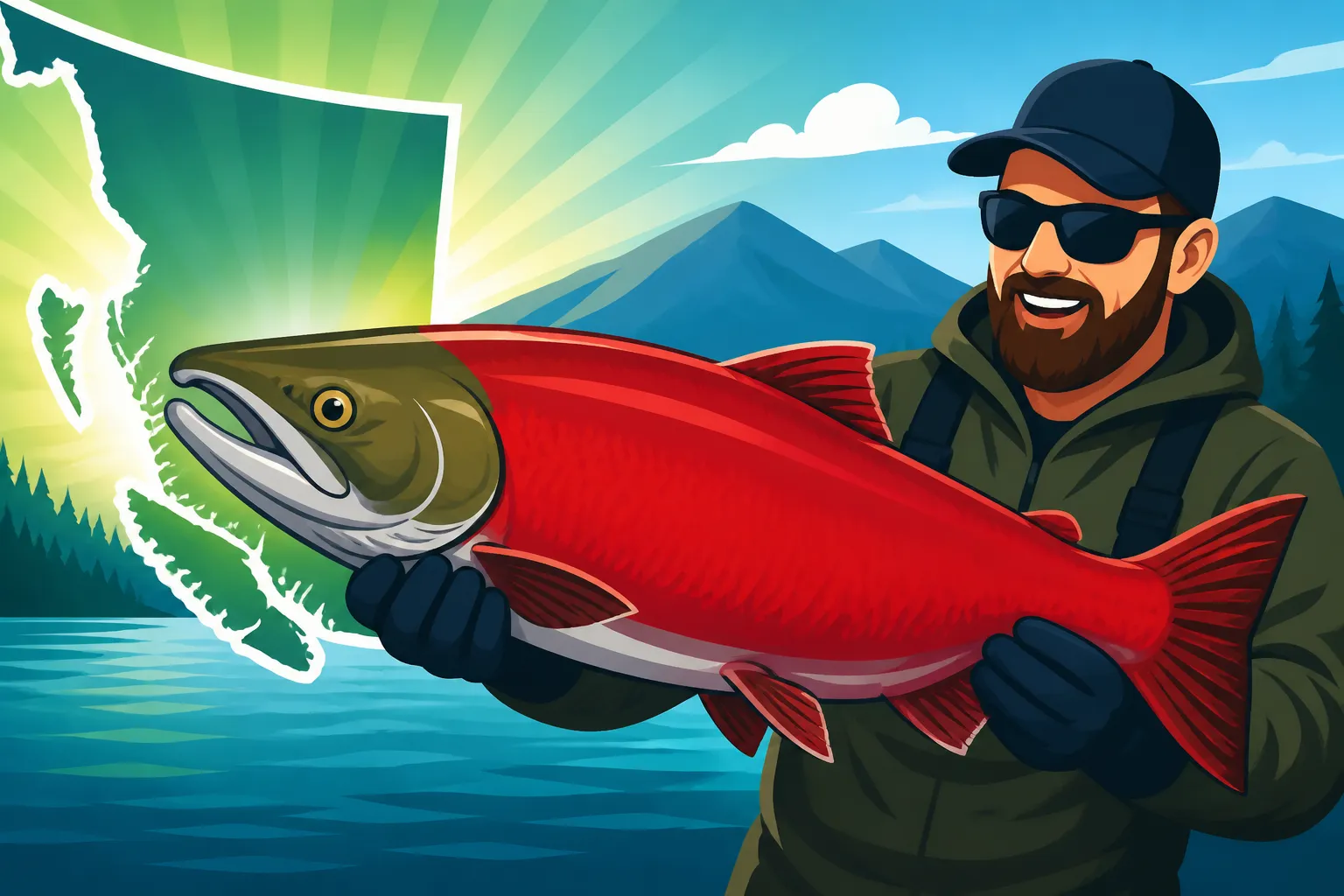
Many anglers dream of landing a truly monumental fish, and when it comes to British Columbia's sockeye salmon, the idea of hooking a record-breaker is incredibly enticing. However, pinning down an official "BC record sockeye salmon weight" can feel like searching for a needle in a vast, cold haystack, leaving many wondering what truly constitutes a trophy sockeye. This guide will dive deep into the world of BC's sockeye, exploring their typical sizes, the legendary catches, and what you need to know about pursuing these magnificent fish.
Understanding BC Sockeye Salmon and Their Size
Sockeye salmon are one of British Columbia's most iconic fish species, renowned for their vibrant red flesh, incredible fighting spirit, and dramatic spawning runs. But what exactly defines a "big" sockeye, and why is finding a definitive record weight sometimes challenging?
The Allure of Sockeye: More Than Just a Meal
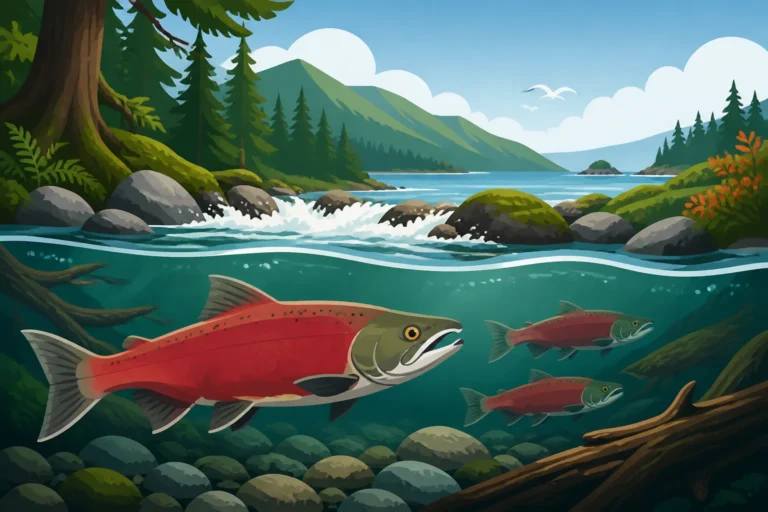
For many, the sockeye isn't just another fish; it's a symbol of BC's wild salmon heritage. When you hook into a sockeye, especially in a river setting, you're immediately struck by its power. They pull hard, make screaming runs, and often jump clear of the water, putting up a spirited battle that's thrilling for any angler. Beyond the fight, their appearance changes dramatically as they transition from the ocean's silvery expanse to the brilliant red and green hues of their spawning colours. And, of course, their firm, flavourful, deep-red meat makes them a highly sought-after culinary delight. There's a certain magic to catching a fish that has travelled hundreds, sometimes thousands, of kilometres to return to its natal waters.
Typical Sockeye Size in British Columbia
While the idea of a "record" is exciting, it's helpful to first understand what constitutes a typical sockeye. Most sockeye salmon returning to BC's rivers and coastal waters generally range from about 4 to 12 pounds. Their size can vary quite a bit depending on the specific run, the ocean conditions they experienced during their feeding years, and even the river system they're returning to.
For instance, sockeye returning to the Fraser River system, which hosts some of the largest runs, often fall within the 5 to 8-pound range, though bigger ones are certainly caught. In some other systems, like those on Vancouver Island or the Skeena region, you might encounter slightly larger or smaller averages. A sockeye pushing into the 10-pound range is generally considered a fantastic catch, a real "hog" among its peers. Anything over that starts to become a truly noteworthy fish, the kind that generates excited chatter at the boat launch. While these fish aren't the behemoths that some Chinook can be, their relative power and sheer numbers make them a fantastic target for anglers.
The Quest for the BC Record Sockeye Salmon Weight
Searching for an official, universally recognized sportfishing record for sockeye salmon in British Columbia often leads to more questions than answers. Unlike some other species where a specific record weight is widely published and celebrated, sockeye records can be a bit more elusive.
The Elusive Nature of Official Records
Here's the honest truth: a widely published, official sportfishing record for sockeye salmon in British Columbia, with an exact weight and angler details, is harder to pinpoint than you might think. Many of the "record" discussions often revolve around commercial catches, or simply the largest fish an individual angler has personally caught and accurately weighed. There isn't a single, universally recognized organization in BC that maintains a definitive "largest sport-caught sockeye" record in the same way, for example, the International Game Fish Association (IGFA) might for world records or local angling associations might for other species.
Part of the reason for this might be that sockeye, while abundant and highly prized, don't typically reach the gargantuan sizes of a trophy Chinook or halibut, which are more frequently targeted for their sheer mass. Most sockeye fisheries are focused on harvesting good numbers for consumption, rather than targeting individual trophy specimens purely for their size. Therefore, while anglers certainly boast about their biggest sockeye, these aren't always submitted or recognized in a formal, province-wide record book specifically for sport fishing. This doesn't diminish the achievement of landing a truly exceptional sockeye, but it does explain why finding a clear-cut "BC record sockeye salmon weight" can be frustrating.
Unofficial Big Fish Stories and Anecdotal Evidence
Despite the lack of a widely publicized official record, British Columbia's fishing community is rich with tales of colossal sockeye salmon. These are the fish that get talked about around campfires and at the tackle shop – a 14-pounder caught during a strong Fraser River run, or a solid 15-pounder pulled from a remote northern river. These anecdotal records often exceed what might be considered "average" and can sometimes even outsize any known official record simply because they were never formally submitted or verified.
I've heard stories from old-timers on the Fraser who swear they've seen sockeye that looked like small footballs, well into the mid-teens, during exceptional runs decades ago. These stories are part of the folklore, passed down through generations of anglers. The challenge, of course, is verifying these claims. Was it accurately weighed? Was it truly a sockeye and not another salmon species mistaken in the excitement? These questions are tough to answer after the fact. So, while we might not have a precise number to point to as the "BC record sockeye salmon weight," rest assured that genuinely massive sockeye have been, and continue to be, caught in British Columbia. They just might not have made it into a record book. If you're hoping to learn more about the incredible journey these fish take, check out Sockeye Salmon Life Cycle in the Fraser System.
Factors Influencing Sockeye Salmon Size and How to Target Larger Fish
Understanding what makes a sockeye grow big can give you an edge when you're out on the water, hoping for that personal best. It's a combination of nature's processes and smart angling.
Environment and Genetics: Nature's Role
The size of a sockeye salmon is largely dictated by two primary factors: genetics and the environment. Some sockeye populations are simply genetically predisposed to grow larger than others. But even with good genes, the environment plays a crucial role. Their time spent in the ocean is particularly important. A plentiful food supply of krill and small crustaceans, coupled with favorable ocean temperatures, allows sockeye to pack on the pounds quickly.
Conversely, poor ocean conditions, like scarcity of food or unusual temperature shifts, can lead to smaller returns. Freshwater rearing conditions, though shorter, also play a part. Lakes that provide abundant plankton for juvenile sockeye can give them a head start before they migrate to the sea. The health of the entire ecosystem, from the spawning gravels to the vast Pacific, directly impacts the potential size of these incredible fish. These complex interactions are why runs vary so much year to year, not just in numbers but also in the average size of the returning fish.
Fishing Techniques and Gear for Larger Sockeye
While you can't control genetics or ocean conditions, you can adapt your approach to give yourself the best shot at hooking a larger sockeye. Sockeye are often caught incidentally while targeting other salmon species, but when they are the primary target, specific techniques excel.
In rivers, sockeye typically don't feed once they enter freshwater. They're focused on migration and spawning. Therefore, successful techniques often involve enticing a "reaction strike" or presenting a lure or fly in a way that annoys or triggers them. Float fishing with a small, brightly coloured yarn fly, or a bare hook with just a small piece of red or orange wool, is a very popular and effective method. The key is to get your presentation right in front of their face, often in congested travel lanes. You're trying to tickle their nose, so to speak.
When fishing for sockeye, especially if you're hoping for a larger one, it pays to use gear that can handle a strong fight. While you don't need heavy offshore tackle, a medium-light to medium action rod with a sensitive tip is ideal. Pair this with a good quality spinning reel spooled with 10-15 pound braided line and a fluorocarbon leader of 8-12 pounds. The braid gives you sensitivity and strength, while the fluorocarbon leader offers stealth in clear river waters. Many anglers find great deals on these types of setups on Amazon, making it easy to get ready for the season. Remember to also check BC Freshwater Salmon Retention Rules and the overall BC Bag and Possession Limits by Species for specific regulations on your chosen river.
Table: Common Sockeye Salmon Angling Gear Considerations
| Gear Type | Recommended Specification | Purpose |
|---|---|---|
| Rod | Medium-light to Medium action, 8-10 feet | Provides leverage for casting and fighting, sensitive enough for bites. |
| Reel | Spinning reel, size 2500-4000 | Smooth drag system crucial for strong runs. |
| Main Line | 10-15 lb braided line | High sensitivity, minimal stretch, strong for fighting fish. |
| Leader | 8-12 lb fluorocarbon leader (6-10 feet long) | Low visibility, abrasion resistance, essential for clear water. |
| Terminal Tackle | Small, brightly colored flies (red, orange, pink), bare hook | Triggers reaction strikes from non-feeding sockeye. |
| Weights | Pencil weights, split shots, or slinkies | Gets presentation to the desired depth and drift speed. |
| Landing Net | Rubberized mesh net (medium to large hoop) | Protects fish and quickly secures catch. |
For specific timing, knowing the Best Time of Day to Catch Salmon can also increase your odds, as sockeye often move more actively during certain periods.
Preserving BC's Sockeye Salmon for Future Generations
The pursuit of a trophy sockeye is thrilling, but it's vital that we, as anglers, play our part in protecting these incredible fish and their habitats. British Columbia's sockeye runs have faced their share of challenges over the years, making conservation efforts more important than ever.
Conservation and Sustainable Practices
Every angler has a responsibility to practice sustainable fishing. This starts with understanding and strictly adhering to all BC Fishing Regulations Explained and BC Salmon Conservation Stamp Rules. These regulations are in place for a reason: to manage fish stocks, protect vulnerable populations, and ensure there are sockeye for future generations to enjoy. Always consult the latest BC Fishery Notices and In-Season Closures, Explained before heading out, as sockeye runs can experience sudden closures or regulation changes.
Key practices include:
- Catch Limits: Respect the daily and possession limits. Don't be tempted to keep more fish than legally allowed, even if the bite is hot.
- Responsible Catch and Release: If you're not keeping a fish, handle it with extreme care to maximize its chances of survival. Keep it in the water as much as possible, use barbless hooks, and revive it gently before release. This is especially crucial for non-target species or any fish you intend to release.
- Minimizing Disturbance: Be mindful of spawning areas, which are often clearly marked or easily identifiable. Avoid wading through or casting directly into active spawning beds.
Reporting Your Catch: Why It Matters
Even if you don't catch a provincial "record," reporting significant catches, particularly those that are unusually large for the species, can provide valuable data for fisheries scientists. While there might not be a formal system for sportfishing records, sharing your data through local angling clubs, forums, or even official provincial channels (if applicable for specific studies) helps contribute to a broader understanding of sockeye health and growth trends.
Accurate weighing and measuring of your catch, especially a potential trophy, is important. A good quality digital fishing scale, easily found on Amazon, can help ensure your measurements are precise. Taking clear photographs, ideally with a ruler or measuring tape visible alongside the fish (if kept), provides verifiable proof. This information, combined with data on the location and date of the catch, helps paint a clearer picture of sockeye populations across the province, aiding in conservation and management efforts for these magnificent fish.
Disclaimer
This article is for general informational purposes only and does not constitute professional advice. Laws, prices and regulations vary by location and change over time. Consult a qualified professional for guidance on your specific situation.