Best boat ramps on Kootenay Lake
There’s nothing quite like the excitement of packing up the boat, gear, and bait, ready for a day of fishing on Kootenay Lake. But that excitement can quickly turn into frustration if you arrive at a launch only to find it unsuitable for your vessel, too crowded, or simply inaccessible. It’s a common challenge for anglers heading to British Columbia’s vast waterways – finding the right place to get your boat in the water. This comprehensive guide will navigate you through the various boat ramps on Kootenay Lake, highlighting their unique features, accessibility, and what you need to know to ensure a smooth launch and retrieval every time.
Understanding Kootenay Lake's Unique Launch Landscape
Kootenay Lake is a massive freshwater fjord, stretching over 100 kilometers long with a diverse shoreline that presents unique opportunities and challenges for boaters. From the bustling communities in the central part of the lake to the more remote, rugged shores further north and south, each area has its own flavour of boat access. Knowing what to expect before you go can save you a lot of hassle and get you out on the water faster, whether you're chasing the legendary Gerrard rainbow trout, targeting kokanee, or simply enjoying the stunning scenery. It’s not just about getting wet; it's about choosing an access point that suits your specific boat, trailer, and fishing goals.
The Varied Geography of Kootenay Lake Access Points
Kootenay Lake isn't a one-size-fits-all fishing destination, and neither are its boat ramps. You'll find everything from well-maintained, government-run ramps with ample parking to more rustic, gravel launches managed by local communities or resorts. The lake's deep, cold waters mean that some ramps can be quite steep, while others offer gentler slopes. Accessibility can also vary significantly, with some ramps easily reached directly off main highways, while others require a bit more navigation down smaller, less-maintained roads. Understanding this varied landscape is your first step to a successful launch.
Common Challenges at BC Boat Ramps
Before we dive into specific locations, let's acknowledge some universal truths about boat ramps in British Columbia. First, parking can be a nightmare, especially during peak season or on long weekends. Arriving early is often key. Second, ramp conditions change – water levels fluctuate, weather can cause debris, and wear and tear are constant. What was a perfectly smooth launch last year might have a pothole or a slick patch this year. Finally, etiquette is paramount. Be mindful of others, prepare your boat before backing down the ramp, and clear the area quickly once launched. Nobody likes waiting around for someone to load all their gear while blocking the ramp.
Northern Kootenay Lake Boat Ramps: Accessing the Deep Waters
The northern arm of Kootenay Lake, stretching from the iconic Kootenay Lake Ferry crossing north towards Argenta and beyond, offers a mix of public and private launch options. This area is renowned for its deep, cold waters and is a prime location if you're looking for that trophy Gerrard rainbow trout, or perhaps some quality kokanee fishing.
Lardeau Valley and Meadow Creek Options
If you're heading to the far northern reaches, the Lardeau Valley offers a few more rustic options. The Meadow Creek spawning channel area, while famous for its kokanee runs, has limited official boat launch facilities designed more for smaller, car-top boats or kayaks. However, nearby communities like Cooper Creek might have local, less-formal access points that are known to regulars. These are typically gravel ramps, often unmaintained, and best suited for smaller boats or seasoned adventurers. Always scout these out in advance if possible, especially with a larger rig. You might find a spot that’s perfect for a lightweight aluminum boat, but a heavy fibreglass cruiser might struggle.
Kaslo Harbour Boat Launch
Moving south along the northern arm, the village of Kaslo offers one of the most reliable and well-equipped public boat launches. Located right in the heart of the picturesque Kaslo Harbour, this launch provides excellent access to the main body of Kootenay Lake.
- Features: This launch typically features a paved ramp, often with docks on either side, making launching and retrieving a much smoother process. There's usually ample parking available, though it can fill up quickly on busy summer days. The depth is generally good, accommodating a wide range of vessels.
- Convenience: Being in Kaslo means you have immediate access to amenities like fuel, tackle shops, restaurants, and groceries. It’s a great base if you plan on spending multiple days exploring the northern lake. You can easily stock up on supplies or grab a meal after a long day on the water. For those traveling a fair distance, the convenience of having everything nearby is a huge plus.
- Considerations: While usually well-maintained, like any public ramp, it can get busy. Plan your launch and retrieval times strategically, perhaps early in the morning or later in the evening to avoid the crowds. Remember that other recreational users also frequent the area, so always be respectful and patient.
Central Kootenay Lake Boat Ramps: Convenience and Community
The central section of Kootenay Lake, roughly from the Kootenay Lake Ferry to just south of Nelson, is often the most accessible and busiest area. It features more developed communities and therefore, more formal and user-friendly boat launch facilities. This area is fantastic for its varied fishing, from the deep-water trout to shore-accessible spots near Nelson.
Balfour Boat Launch
The Balfour area, situated at the western ferry terminal, boasts a popular public boat launch. This is often a first choice for many anglers due to its prime location and facilities.
- Features: The Balfour public ramp is well-regarded for its concrete surface and typically offers good depth, making it suitable for larger boats. It usually has adjacent docks for easy loading and unloading. Parking is generally available, though again, it’s a high-traffic area. There are often washroom facilities nearby, which is a nice bonus for a full day out.
- Accessibility: Given its location right off Highway 3A, it’s incredibly easy to access, whether you're coming from Nelson or further afield. Its proximity to the ferry also makes it a convenient stop if you're traversing the lake.
- Local Services: Balfour itself has several amenities, including restaurants, lodging, and a marina (Balfour Resort & Marina) that offers fuel and often a store for last-minute supplies. If you're looking to book a guided trip, many local guides, which you can often find through platforms like FishingBooker, will operate out of this area due to its excellent access.
Nelson Waterfront Boat Launch
For those staying in or near Nelson, the city’s waterfront offers a convenient public launch. While perhaps not as expansive as Balfour, it’s highly practical for local anglers.
- Features: This launch is typically a paved ramp, offering reasonable depth. It's generally well-maintained by the city. While parking is available, it can be more limited compared to the Balfour ramp, especially with other waterfront activities happening.
- Urban Convenience: The biggest advantage here is the immediate access to Nelson’s vibrant downtown, with all its shops, restaurants, and services. If you need a quick repair, more tackle, or just want to grab lunch after a morning on the water, everything is at your fingertips.
- Considerations: As an urban launch, it can be quite busy with recreational users like kayakers, paddleboarders, and pleasure boaters. Patience and courteousness are extra important here. It might not be ideal for the largest of boats if you're not comfortable navigating a potentially crowded area. You'll want to check the tide charts if you plan to fish near the mouth of the Kootenay River, though Kootenay Lake itself is a freshwater lake without tides, strong currents can exist where the river flows in and out.
Kootenay Lake Boat Ramps – Central Region Overview
| Ramp Name | Location | Surface Type | Docks | Parking | Depth | Suitable for | Notes |
|---|---|---|---|---|---|---|---|
| Balfour Public Ramp | Balfour | Paved/Concrete | Yes | Good | Good | All Sizes | Very popular, can get busy. Near services. |
| Nelson Waterfront | Nelson | Paved | Yes | Limited/Paid | Good | Small-Medium | Urban setting, can be crowded. Access to city. |
| Kootenay Bay Marina | Kootenay Bay | Paved | Yes | Good | Good | All Sizes | Private access via marina, fees may apply. |
Southern Kootenay Lake Boat Ramps: Gateway to the Wild
The southern end of Kootenay Lake, below the ferry terminal, takes on a more rugged and wild character. Here, the lake narrows, and the surrounding terrain becomes steeper and more heavily forested. Fishing here can be incredibly rewarding, often feeling more secluded.
Boswell Public Boat Launch
As you head south on the eastern shore, the Boswell Public Boat Launch is one of your main options. This area offers a beautiful, more tranquil experience compared to the central lake's hustle and bustle.
- Features: The Boswell ramp is typically a well-maintained gravel or concrete launch. It's known for providing access to excellent fishing grounds further south. While not as developed as Balfour, it usually offers sufficient space to maneuver and park.
- Natural Setting: This launch puts you right into the heart of the wilder southern Kootenay Lake. It's a fantastic choice if you're looking for peace and quiet, and want to explore the more remote stretches of the lake.
- Considerations: Services in Boswell are minimal, so make sure you've gassed up, packed your snacks, and grabbed all your tackle before you arrive. You might not find a tackle shop just around the corner. If you’re planning a longer trip in this area, you'll need to be self-sufficient. Remember to carry all your required safety equipment, as per BC Boating Laws for Anglers, especially when venturing into more remote waters.
Creston Valley Access Points
While Creston itself is a short drive from the lake, the surrounding area on the southern end, particularly towards the confluence with the Kootenay River, has several informal access points. These are generally very rustic, often just gravel or dirt roads leading to the water's edge, suitable for smaller boats, canoes, or kayaks.
- Rustic Charm: These points offer a truly wilderness feel. If you're running a small aluminum boat and prefer a quieter experience, these could be ideal. They are usually free to use and offer immediate immersion in nature.
- Challenges: Be prepared for rough roads, limited turning space, and potentially no formal parking. These are not recommended for large boats or inexperienced drivers. Always exercise caution and be aware of private property boundaries. It's crucial to scout these locations beforehand, perhaps by looking at satellite maps, to avoid disappointment. Remember that the Kootenay Lake Fishing Guide often details these smaller, local access points.
Choosing the Right Ramp for Your Kootenay Lake Adventure
Selecting the perfect boat ramp isn't just about finding the closest one; it's about matching the ramp's capabilities and location to your specific needs and vessel. A little planning goes a long way to ensure your fishing trip starts and ends on a high note.
Boat Size and Type Considerations
Your boat's size and type are the most critical factors. A large fibreglass sport fishing boat with a heavy trailer will need a sturdy, paved or concrete ramp with good depth and plenty of turnaround space. Trying to shoehorn such a rig onto a steep, narrow gravel launch meant for a tinny is a recipe for disaster. Conversely, if you're just launching a kayak or a small car-top boat, a formal ramp might be overkill, and a simpler, less crowded shoreline access point could be more suitable. Consider your prop depth and how much draft your boat requires, especially if water levels are lower.
Trailer and Vehicle Suitability
Don't forget your tow vehicle and trailer. Is your vehicle capable of pulling your boat back up a steep, possibly slippery ramp? Does your trailer have sufficient ground clearance for unpaved access roads? Two-wheel drive vehicles might struggle on wet, gravel, or sandy ramps, especially with heavy boats. Sometimes, seeing a launch on a map looks easy, but the approach road or the ramp itself can be surprisingly challenging. A call to a local marina or even checking online forums or fishing reports (or looking for listings on platforms like FishingBooker that might include ramp details) can often give you invaluable insights into current conditions.
Proximity to Your Target Fishing Grounds
Think about where you actually plan to fish on Kootenay Lake. If you're targeting the big Gerrard rainbows near the north arm, launching from Balfour or Kaslo makes more sense than hauling your boat all the way to the southern end. Conversely, if you're exploring the more riverine sections connecting to the Kootenay River, a southern launch might save you significant travel time on the water. Fuel costs and travel time on the lake can add up, so choosing a ramp that minimizes transit to your prime fishing spots like the Best deep water structure spots on Kootenay Lake is a smart move.
Essential Tips for Launching and Retrieving on Kootenay Lake
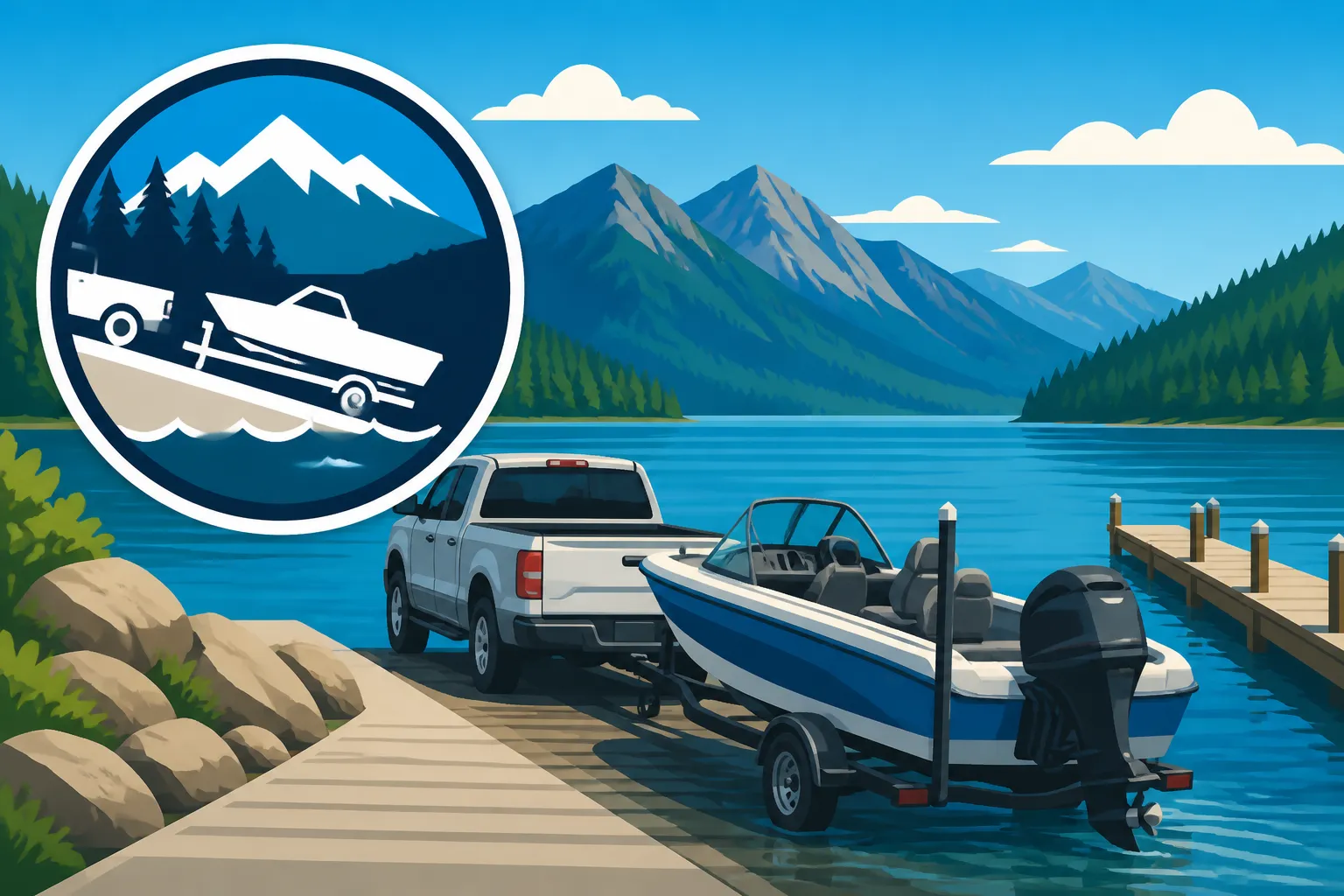
Launching and retrieving a boat can be one of the most stressful parts of a fishing trip, but with a few pointers and a bit of practice, it becomes second nature. Kootenay Lake's ramps, while generally good, still demand careful attention.
Pre-Launch Checklist and Preparation
Before you even get close to the ramp, do your pre-launch checks in the staging area. This means putting in your drain plug (the most common oversight!), removing tie-downs, lowering your motor, and loading all your gear and passengers. This swift preparation ensures you aren't holding up others when it's your turn. Have your ropes ready, know your crew's roles, and if you have a Pleasure Craft Operator Card, make sure you're applying those safe boating principles from the moment you hit the water.
Mastering the Back-Up
Backing up a trailer can be intimidating, especially with an audience. Practice in an empty parking lot if you're new to it. Go slow, make small corrections, and remember that when you turn the steering wheel right, the trailer goes left. If you have a spotter, establish clear hand signals beforehand. On Kootenay Lake, some ramps can be quite steep, so having good control is essential to avoid slipping or jackknifing.
Retrieval Etiquette and Efficiency
Just like launching, retrieval should be efficient. Once your boat is pulled out of the water, quickly move it off the ramp to a designated area for securing. Reattach your tie-downs, raise your motor, and clear your gear away from the busy ramp area. This respectful practice keeps the flow moving and prevents unnecessary bottlenecks. Always ensure you're in compliance with BC boat registration and licensing rules, and carry your required safety gear, including Life Jacket Requirements for BC Boaters. Don't be that person that holds up the line while you clean your fish or swap stories!
Checking Current Conditions and Fishery Notices
Always, always check current conditions before heading out. This includes weather forecasts, lake levels, and especially any BC Fishery Notices and In-Season Closures, Explained. Kootenay Lake, being so large, can have localized weather patterns, and strong winds can whip up quickly, making travel hazardous. Knowing what to expect means you can dress appropriately and choose the safest ramp for the day's conditions. For example, if there's a strong southerly wind, a ramp protected from that wind might be a better choice, even if it's slightly further away from your intended fishing spot. You might also want to consult resources like the Best sonar settings for finding structure on Kootenay Lake to maximize your time on the water.
Disclaimer
The information provided in this guide is for general informational purposes only and is subject to change. Water levels, ramp conditions, and regulations in British Columbia can vary without notice. Always check with official sources such as Fisheries and Oceans Canada (DFO), BC Parks, or local authorities for the most current information before planning your trip. Fishing and boating inherently carry risks, and personal safety is always your responsibility.