Best fishing spots in Wells Gray Provincial Park
There's nothing quite like the dream of escaping into British Columbia's vast wilderness, rod in hand, seeking that elusive trophy fish. But let's be honest, figuring out where to go in a province as massive and diverse as BC can be downright overwhelming. You've heard whispers of legendary spots, but then you dig a little deeper and realize many of those places are either over-fished, crowded, or require a float plane and a trust fund. It's frustrating when you just want a clear path to a fantastic outdoor experience. This guide is going to cut through the noise and zero in on one incredible, often overlooked gem: Wells Gray Provincial Park, a true wilderness haven where pristine lakes and rivers hold some incredible fishing opportunities, if you know where to look.
Understanding Wells Gray Provincial Park's Fishing Allure
Wells Gray Provincial Park, often lovingly called "Canada's Waterfall Park" for its more than 40 named waterfalls, is a truly magnificent expanse of wilderness located in the Cariboo Mountains of east-central British Columbia. It's a place where jagged peaks meet ancient forests, and sparkling waters flow through deep valleys carved by glaciers. What makes it particularly special for anglers isn't just the sheer beauty of the place, but the incredible sense of solitude and untouched nature you can still find here. Unlike some of the more accessible, heavily trafficked fishing holes closer to major cities, Wells Gray offers a genuine backcountry experience that feels a world away from the hustle and bustle.
A Pristine Wilderness Fishing Experience
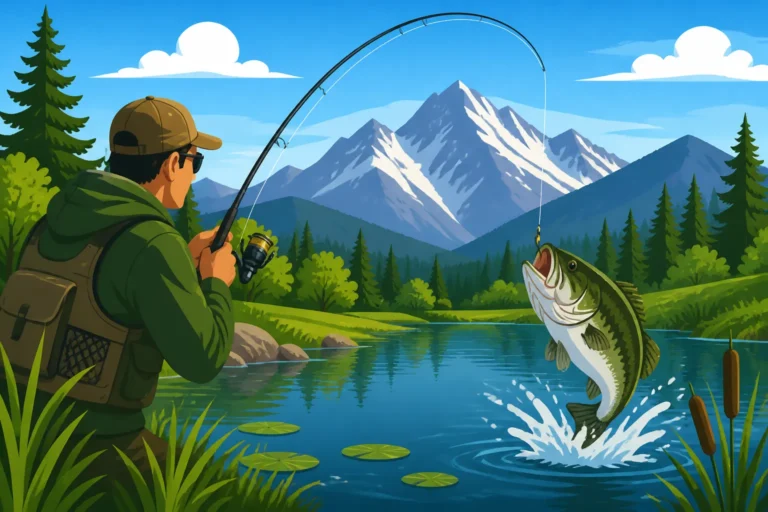
Imagine casting your line onto a glassy lake at dawn, surrounded by towering pines and the only sounds are a loon's call echoing across the water and the gentle dip of your fly or lure. That's the Wells Gray experience. The park's commitment to preserving its natural state means the fish populations are often robust, and the waters remain incredibly clean. You won't find marinas packed with speedboats or shorelines dotted with cottages here. This is raw, authentic BC, and it provides a unique opportunity to connect with nature while pursuing your passion for fishing.
The challenge, and part of the allure, is that many of these spots aren't drive-up. Some require a bit of effort – a paddle across a lake, a hike down a trail, or a portage. But trust me, the reward of pulling a vibrant, wild fish from such unspoiled surroundings is absolutely worth the extra effort. It’s a chance to truly earn your catch and create memories that go far beyond just the fish itself. For many of us, fishing isn't just about catching; it's about the entire experience, and Wells Gray delivers that in spades.
Target Species and Unique Opportunities
Wells Gray Provincial Park is a paradise for freshwater anglers, primarily known for its thriving populations of trout and char. While you won't find the massive salmon runs of coastal rivers, what you will find are hard-fighting, healthy fish that are a joy to target.
The star of the show in many of Wells Gray's lakes and rivers is the rainbow trout. These acrobatic beauties are found throughout the park and can offer incredible sport on light tackle or fly gear. Depending on the specific water body, you might encounter different strains, each with its own fighting style and preference for certain baits or flies. Beyond rainbow trout, many of the deeper, colder lakes are home to bull trout and Dolly Varden. Identifying the subtle differences between these two species can sometimes be a fun challenge, but both are formidable predators that grow to impressive sizes and put up a serious fight. These species often require a different approach, preferring deeper presentations or larger, more aggressive lures.
What's truly unique here is the opportunity for a multi-species trip in a stunning environment. You could spend one day targeting rainbows on a remote lake, and the next trying for big bull trout in a river system. The sheer diversity of fishing experiences within one park is remarkable. Just remember, some waters within the park might have specific regulations or be catch-and-release only, so always consult the Reading the BC Freshwater Fishing Regulations Synopsis before you head out.
Top Fishing Spots Within Wells Gray Provincial Park
Wells Gray Provincial Park boasts a number of incredible lakes and rivers, each offering its own unique fishing adventure. While the entire park is essentially a fishing playground, a few spots stand out for their consistent action and stunning scenery.
Clearwater Lake and Azure Lake: Deep Water Giants
Clearwater Lake and its connected twin, Azure Lake, form a spectacular glacial lake system that plunges to incredible depths. These lakes are the gateway to much of Wells Gray's interior and offer some of the most accessible yet rewarding fishing opportunities in the park. Both lakes are renowned for their abundant rainbow trout and substantial populations of lake trout (sometimes referred to as char in this region).
To fish Clearwater and Azure, you’ll typically need a boat. You can launch your own or rent canoes, kayaks, or aluminum fishing boats from the Clearwater Lake Campground. Trolling is a popular and effective method here, especially for those larger lake trout that hug the deeper, cooler waters. Using downriggers or heavy sinkers to get your lures (like spoons or large spinners) down to 50-100 feet can be very effective, especially during warmer months when fish retreat to the depths. For rainbow trout, lighter tackle and fly fishing along the shoals and drop-offs can be incredibly productive, particularly during morning and evening hatches. You'll often find rainbows cruising these shallower areas, looking for insects.
Many anglers choose to make a multi-day trip out of it, paddling or boating further up Azure Lake to explore its quieter bays and even portage into smaller, even more remote lakes. The stunning blue-green waters, framed by towering cliffs and dense forest, make every cast a scenic delight. When considering a trip of this magnitude, looking into guides or outfitters who specialize in Wells Gray via platforms like FishingBooker can provide valuable insights into current conditions and successful tactics. They can often provide the local expertise you need to maximize your chances of a great catch in these deeper waters.
Murtle Lake: Serene Backcountry Fly Fishing
Murtle Lake holds the distinction of being North America's largest canoe-only lake, a fact that speaks volumes about the tranquil, untouched experience it offers. No motorboats are allowed here, ensuring a serene environment perfect for paddlers and fly anglers seeking solitude. The only way in is via a short portage trail from the parking lot, adding to its backcountry charm.
Murtle Lake is primarily a rainbow trout fishery, with fish often ranging from pan-sized to several pounds, occasionally reaching impressive sizes. Fly fishing is the dominant method here, and for good reason. The lake features countless bays, rocky points, and submerged structures that provide excellent habitat for trout. During insect hatches, the surface of Murtle Lake can come alive with rising fish, offering incredible dry fly action. Think caddis, mayfly, and chironomid patterns. For deeper presentations, nymphing or stripping streamers can also be highly effective.
The sheer size of Murtle Lake means you could explore new waters for days on end. Many anglers camp at one of the numerous designated backcountry sites along its shores, waking up to incredible sunrises and having prime fishing right at their doorstep. It’s a truly immersive experience that feels a million miles away from civilization. If you're planning an extended trip, remember to check the BC Fishing Season Dates and Closures for the specific area and species you're targeting.
Hemp Creek and Clearwater River: River Fishing Challenges
While the lakes often get the most attention, Wells Gray also offers fantastic river fishing opportunities, especially for those who enjoy the challenge of moving water. The Clearwater River, flowing out of Clearwater Lake, is a prime example. This river system, including its tributaries like Hemp Creek, provides diverse habitats for rainbow trout, bull trout, and Dolly Varden.
River fishing in Wells Gray demands a different skill set than lake fishing. Understanding current seams, eddy lines, and structure becomes paramount. Fly fishing with nymphs, streamers, or even dry flies during hatches can be incredibly productive. Spin casters can find success with small spinners, spoons, or drifted baits (where permitted). The Clearwater River can be quite powerful in places, so wading safely is essential. Always be aware of water levels, which can fluctuate with weather and snowmelt.
Hemp Creek, a significant tributary to the Clearwater River, is another excellent option. It's known for its populations of wild rainbow trout and can offer some fantastic sight-fishing opportunities in its clearer sections. These smaller streams are often best fished with lighter tackle, focusing on presentation and stealth. For anglers looking to hone their river skills, these waters provide a challenging yet incredibly rewarding experience. When fishing rivers like the Clearwater, especially for species like bull trout, understanding BC Freshwater Salmon Retention Rules and other specific species regulations is crucial, as some sections might be catch-and-release only.
Here's a quick look at some key spots and their typical offerings:
| Location | Primary Species | Recommended Methods | Key Features for Anglers | Access/Notes |
|---|---|---|---|---|
| Clearwater Lake | Rainbow Trout, Lake Trout | Trolling, Fly Fishing, Jigging | Deep glacial lake, numerous shoals, structure | Boat launch, rentals available at Clearwater Lake Campground. |
| Azure Lake | Rainbow Trout, Lake Trout | Trolling, Fly Fishing, Jigging | Connected to Clearwater, quieter, incredible scenery | Boat access via Clearwater Lake. Backcountry camping. |
| Murtle Lake | Rainbow Trout | Fly Fishing (dry, nymph, streamer) | North America's largest canoe-only lake, remote | Short portage from parking lot. Backcountry camping. No motors. |
| Clearwater River | Rainbow Trout, Bull Trout, Dolly Varden | Fly Fishing, Spin Fishing (drift, cast) | Varying currents, pools, riffles, runs | Access points along river, some sections require wading. |
| Hemp Creek | Rainbow Trout | Fly Fishing, Light Spin Fishing | Smaller tributary, clear water, good for sight fishing | Foot access, best explored by wading. |
Navigating Regulations and Logistics for Your Trip
A successful fishing trip to Wells Gray Provincial Park isn't just about knowing where the fish are; it's also about being prepared and respecting the rules of this incredible wilderness. BC's fishing regulations can be complex, and ignorance is no excuse when it comes to conservation.
Essential Licenses and Permits
Before you even think about wetting a line in Wells Gray, or anywhere else in British Columbia for that matter, you need the right licenses. For all freshwater fishing in the province, you'll need a British Columbia Fishing License Guide for 2026. This typically involves purchasing a basic freshwater fishing license. Depending on the species you plan to target, you might also need additional stamps, such as a classified waters license for certain specific rivers or a BC Freshwater Salmon Conservation Stamp Requirement if you intend to fish for or retain any anadromous salmon in freshwater, even if those specific salmon species aren't the primary target in Wells Gray.
It's crucial to understand the difference between freshwater and tidal waters licenses. Wells Gray is entirely inland, so you'll definitely be needing a freshwater license. You can purchase these online through the BC government's website or from authorized vendors, often sporting goods stores or general stores in nearby towns like Clearwater. Always carry your license with you while fishing, either a printed copy or a digital version on your phone, ready to show to a conservation officer if requested. Getting this sorted out well in advance can save you a lot of headache and potential fines.
Access, Camping, and Best Practices
Accessing Wells Gray Provincial Park is generally via Highway 5, with the main park entrance near the town of Clearwater. Once inside, roads will take you to major campgrounds and trailheads, but many of the best fishing spots, especially on lakes like Murtle, require some effort.
When it comes to camping, Wells Gray offers a range of options, from drive-in campgrounds with basic amenities (like the popular Clearwater Lake Campground) to remote backcountry sites accessible by canoe or hiking. Reservations, especially for drive-in sites during peak season (July and August), are highly recommended and can be made through BC Parks. For backcountry camping, you’ll usually need a backcountry permit, which also needs to be purchased in advance. Always be prepared for true wilderness camping – bear-resistant food storage, proper waste disposal, and Leave No Trace principles are absolutely critical.
Beyond permits, here are a few best practices for fishing in Wells Gray:
- Check Fishery Notices: Before any trip, always consult the current BC Fishery Notices and In-Season Closures, Explained through the Fisheries and Oceans Canada (DFO) and BC government websites. Regulations can change frequently, especially concerning specific species or river systems.
- Practice Catch and Release: While retaining fish for a meal is often allowed within limits, consider practicing catch and release, especially for larger or wilder fish. This helps sustain healthy fish populations for future generations. If you do keep fish, know your BC Bag and Possession Limits by Species.
- Respect Wildlife: Wells Gray is home to a vast array of wildlife, including black bears, grizzly bears, moose, and deer. Carry bear spray, know how to use it, and store food properly.
- Boating Safety: If you're bringing your own boat or renting, ensure you have all the required safety equipment, including life jackets for everyone on board. If operating a motorized vessel, you'll need a BC Pleasure Craft Operator Card Requirement.
- Fire Safety: Be extremely careful with campfires, especially during dry periods. Always check for fire bans before lighting one.
- Pack It In, Pack It Out: Leave no trace of your visit. This includes all garbage, fishing line, and organic waste.
By being diligent about regulations and embracing responsible wilderness practices, you contribute to preserving Wells Gray Provincial Park as a world-class fishing destination. And when you're looking for that perfect guide or lodge to help you navigate this incredible park, sometimes platforms like FishingBooker can help you connect with local experts who know the intricacies of park access and regulations.
Tips for a Successful Wells Gray Fishing Adventure
A trip to Wells Gray Provincial Park is more than just a fishing excursion; it's an adventure into one of British Columbia's most pristine wilderness areas. To make the most of your time and increase your chances of success on the water, a little forethought and the right gear go a long way.
Gear Recommendations for the Park's Waters
When packing for Wells Gray, versatility is key. You'll likely encounter a variety of water types, from deep, cold lakes to fast-flowing rivers, and each demands slightly different equipment.
For lake fishing on Clearwater and Azure Lakes, especially if targeting lake trout, a medium-heavy spinning or casting rod paired with a reel spooled with 15-20 lb braided line and a fluorocarbon leader is a good starting point. You'll want to be able to handle heavier weights for trolling or jigging in deep water. A selection of spoons (like the classic Len Thompson or Gibbs Delta models), large spinners, and maybe some deep-diving crankbaits are essential. If you're going for rainbow trout in the shallows, a lighter setup (medium-light rod, 6-8 lb monofilament or fluorocarbon) with smaller spoons, spinners, and perhaps some floating or sinking Rapala-style lures will work wonders. Fly anglers heading to these lakes should bring a 6 or 7-weight rod with both floating and sinking lines to cover various depths and presentations.
For Murtle Lake and other smaller, remote lakes, where fly fishing is king, a 4 or 5-weight fly rod is ideal for rainbow trout. Pack an assortment of dry flies (caddis, mayflies, stimulators), nymphs (Prince Nymphs, Hare's Ears, Pheasant Tails), and small streamers (Woolly Buggers, muddler minnows). A floating line is a must, and a sinking tip or full sinking line can be invaluable for getting flies down to deeper cruising fish.
For river fishing in the Clearwater River or Hemp Creek, a medium-light spinning rod or a 5-6 weight fly rod is versatile. For spin fishing, small spinners, spoons, and perhaps some soft plastics on jig heads will be effective. Fly fishers should focus on nymphing rigs for bottom-dwelling trout or use streamers to imitate baitfish. Always carry extra leaders and tippet, as snags are common in river environments. Wading boots with good grip are essential for safety on slippery riverbeds.
Beyond fishing gear, don't forget wilderness essentials: a first-aid kit, waterproof layers, sturdy hiking boots, a reliable water filter or purification tablets, navigation tools (map and compass, GPS), a headlamp, and bear spray. Investing in quality gear, especially your rain gear, will make your trip far more enjoyable regardless of the weather.
Timing Your Visit for Optimal Results
British Columbia's fishing seasons can vary dramatically based on location and species, and Wells Gray is no exception. Understanding the best time to visit can significantly impact your fishing success.
- Spring (May-June): This is often a fantastic time for rainbow trout in the lakes. As ice recedes, fish become very active near the surface, feeding on emerging insects. The rivers can be high and murky due to snowmelt (freshet) in early spring, but late spring can see excellent river fishing as levels drop and water clears. Early spring offers some of the Best Techniques for Early Spring Steelhead, which, while not a primary species in Wells Gray, shares some tactics with early season trout fishing.
- Summer (July-August): Peak season for tourism in the park, the weather is warm and stable. Lake trout in Clearwater and Azure will be in deeper, cooler waters, requiring heavier gear and deeper presentations. Rainbow trout will still be active, especially in the mornings and evenings. River levels are usually stable, offering good opportunities, but can get crowded in more accessible spots. This is a great time for backcountry trips to Murtle Lake.
- Fall (September-October): Many consider fall to be the prime fishing season in Wells Gray. Water temperatures cool, and fish become more aggressive as they feed heavily before winter. Rainbow trout in lakes move into shallower waters, providing excellent opportunities for both fly and spin anglers. Bull trout in the rivers become more active, often chasing larger prey. The park is also less crowded, offering a more peaceful experience.
- Winter (November-April): Ice fishing can be an option on some of the smaller, shallower lakes in and around the park once sufficient ice thickness is established. Always prioritize safety and check ice conditions carefully. Clearwater and Azure Lakes often remain open or partially open due to their depth and currents.
Ultimately, the "best" time depends on your target species and preferred fishing method. Before you finalize your plans, confirm the specific regulations for your chosen time of year, especially since BC Fishing Regulations Explained can have seasonal variations. Planning ahead and staying informed are your best allies for a memorable and successful fishing adventure in Wells Gray Provincial Park.
Disclaimer
Fishing in British Columbia, especially in wilderness areas like Wells Gray Provincial Park, carries inherent risks. Always prioritize safety, be prepared for changing weather conditions, and be aware of wildlife. The information provided in this guide is for general informational purposes only and should not be considered a substitute for official regulations. Always consult the most current British Columbia Freshwater Fishing Synopsis, Fisheries and Oceans Canada (DFO) regulations, and BC Parks advisories before planning and undertaking any fishing trip. Adhere to all licensing requirements, bag limits, and conservation practices.