BC disabled resident fishing license discount
It can feel incredibly frustrating when you're passionate about angling, but financial limitations or physical challenges make it difficult to participate, especially for residents with disabilities. Thankfully, British Columbia understands these barriers and offers a vital discount on fishing licenses designed to make fishing more inclusive. This comprehensive guide will illuminate every aspect of the BC disabled resident fishing license discount, covering eligibility, the application process, and even practical advice for enjoying accessible fishing throughout our beautiful province.
Understanding the BC Disabled Resident Fishing License Discount
For many residents of British Columbia living with disabilities, fishing isn't just a hobby; it's a therapeutic activity, a connection to nature, and a cherished pastime. The province recognizes the value of this and has put measures in place to reduce financial barriers. This isn't just about saving a few dollars; it's about fostering participation and ensuring everyone has the opportunity to experience the joy of a bending rod and the tranquility of BC's waters.
Who Qualifies for the Discount?
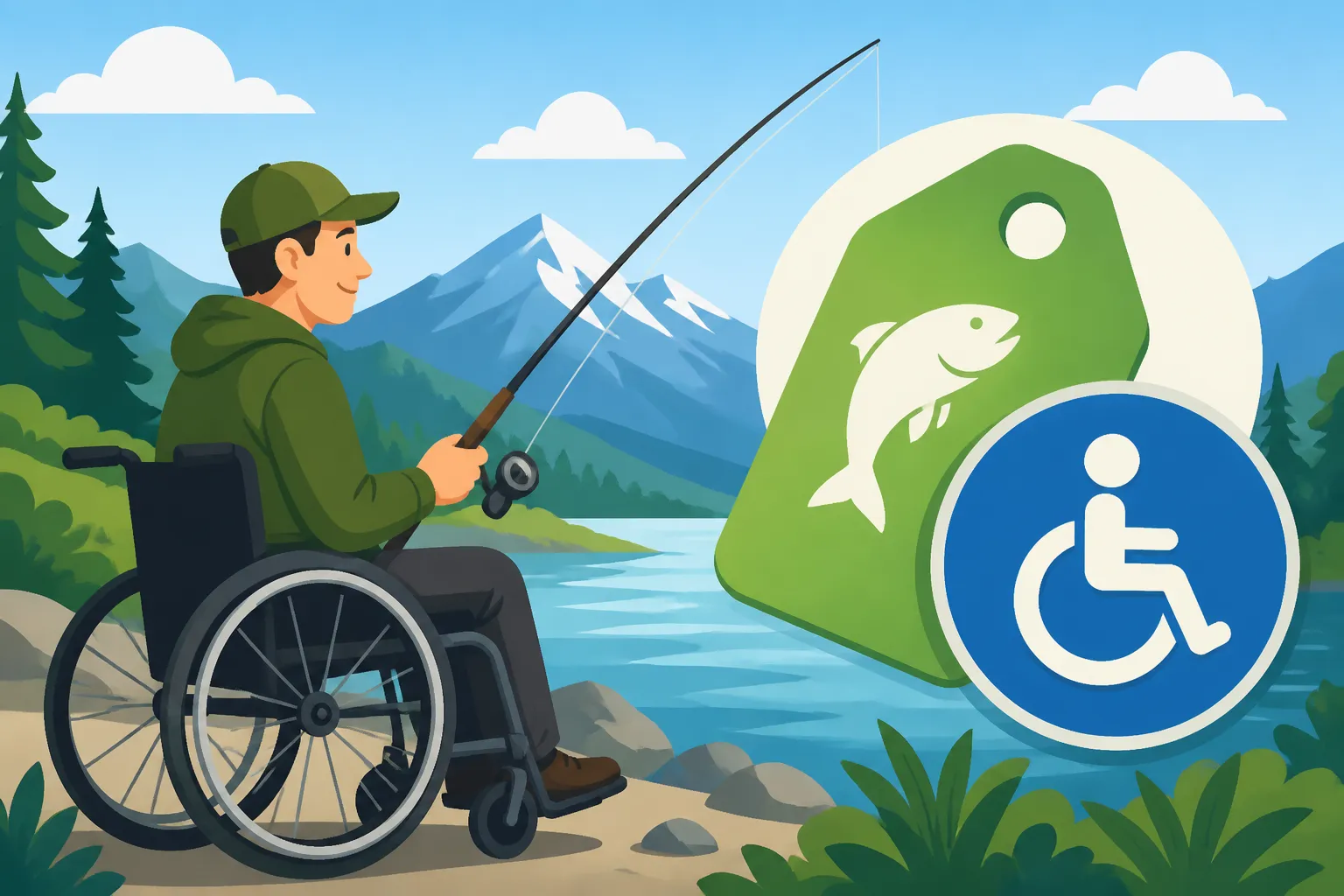
The eligibility for the disabled resident fishing license discount isn't overly complicated, but it does require meeting specific criteria to ensure the program helps those it's intended for. Generally, you need to be a resident of British Columbia and have a permanent disability that significantly impacts your ability to engage in daily activities, including recreational pursuits like fishing. This isn't just for visible disabilities; conditions that require ongoing medical support or significantly limit mobility, dexterity, or sensory functions can also qualify.
To be considered a "resident" for licensing purposes, you must have lived in British Columbia for the immediately preceding 6 months. This usually means you have a BC address, a BC driver's license or BC identification card, and you file your taxes as a BC resident. The key here is permanent disability. This typically means your condition isn't temporary; it's a long-term or indefinite impairment. The province doesn't usually list specific medical conditions, but rather focuses on the impact of the disability. This could include, for example, individuals who require the use of a wheelchair, have significant visual impairments, or other physical or cognitive limitations that are federally or provincially recognized. For specific details on residency, you might want to look into the nuances of BC fishing license residency requirements.
The Specifics of the Discount
So, what exactly does this discount look like in practical terms? Eligible disabled residents are often able to purchase certain annual freshwater fishing licenses at a reduced rate. While the exact figures can shift slightly with policy updates, historically, the discount has been quite substantial, sometimes offering the license at a significantly lower cost or even free, depending on the specific class of license and the nature of the disability. It's important to remember that this discount usually applies to the basic annual freshwater fishing license. Specialized stamps and surcharges, such as a BC Freshwater Salmon Conservation Stamp Requirement or a BC Steelhead Conservation Surcharge Stamp Cost, which are often required for retaining certain species, may still need to be purchased at full price.
This means you get your fundamental permission to fish freshwater in BC at a much more affordable price. However, if you plan to target specific species like salmon, sturgeon (catch and release only, of course, for BC Fraser River Sturgeon Catch and Release Requirement), or steelhead, you'll still need to ensure you have all the necessary endorsements. It’s always best practice to consult the most current BC Freshwater Fishing Regulations Synopsis, which provides up-to-date information on all fees and requirements. Knowing How Much Does a BC Fishing License Cost in general can give you a good baseline for comparison.
Why This Discount Matters
The impact of this discount extends far beyond just saving a few dollars. For many, it's about dignity, inclusion, and the ability to maintain a connection to nature and a beloved pastime. Fishing offers incredible therapeutic benefits, from the calm focus required to the meditative rhythm of casting and retrieving. It provides opportunities for social interaction, whether with family, friends, or fellow anglers on the water.
For individuals living with disabilities, these benefits are even more pronounced. The act of fishing can improve mental well-being, reduce stress, and provide a sense of accomplishment. It also addresses a common frustration: the disproportionate financial burden often faced by disabled individuals. Medical costs, specialized equipment, and accessibility modifications can all add up, making recreational activities seem out of reach. By offering a discount, British Columbia helps level the playing field, affirming that fishing is for everyone, regardless of their physical abilities or financial situation. It also encourages a healthier, more active lifestyle, which is beneficial for physical and mental health.
Navigating the Application Process for a Disabled Resident License
Applying for any government-issued license can sometimes feel like a bureaucratic maze. When you're dealing with a disability, these processes can become even more daunting. However, obtaining your BC disabled resident fishing license doesn't have to be a headache. With the right information and preparation, it can be a smooth process.
Gathering Your Documentation
The most crucial step in applying for your disabled resident fishing license is ensuring you have all the necessary documentation ready. This will typically include:
- Proof of BC Residency: As mentioned, this means showing you've resided in BC for at least the past six months. A valid BC Driver's License or BC Services Card (which combines your health and driver's license) is usually sufficient. Utility bills or a rental agreement might also be accepted if your ID isn't enough to prove the duration of residency.
- Proof of Disability: This is often the most critical piece. You will typically need a formal document from a recognized medical professional (like a doctor or specialist) or a provincial/federal government agency that confirms your permanent disability status. For instance, if you receive provincial disability assistance or federal disability benefits, documentation related to those programs might be acceptable. The key is that the documentation clearly states the nature of your permanent disability. Sometimes, specific forms provided by the Ministry of Forests, Lands, Natural Resource Operations and Rural Development (FLNRORD) may need to be filled out by your doctor.
- Identification: A valid government-issued photo ID is always required.
It’s always a good idea to call ahead to the licensing body or check their official website for the most current and specific requirements. Policies can occasionally be updated, and you want to ensure you don't miss any critical paperwork.
Here’s a quick overview of typical requirements:
| Document Type | Purpose | Examples |
|---|---|---|
| Proof of Residency | Confirm 6+ months living in BC | BC Driver's License, BC Services Card, utility bills, rental agreement |
| Proof of Disability | Verify permanent disability status | Doctor's note, medical certificate, provincial/federal disability assistance documentation |
| Photo Identification | Confirm identity | BC Driver's License, BC Services Card, passport |
Where to Apply and How
Once you have all your documents in order, the next step is actually applying for the license. British Columbia offers several convenient ways to purchase fishing licenses, and these generally apply to disabled resident discounts as well.
- Online: The easiest and often quickest way is through the official BC government's fish and wildlife online licensing system. You'll create an account, enter your personal details, and upload or provide information from your disability documentation. The system is designed to be user-friendly, and you can usually print your license right away or save a digital copy to your phone. Remember that for Printing or Carrying a Digital Fishing License in BC, you should always have a copy accessible while fishing.
- In-Person at Service BC Centres or Independent Vendors: Many anglers prefer the personal touch, or perhaps need assistance with the online system. You can visit a Service BC Centre or one of the many independent vendors, such as tackle shops or sporting goods stores, that are authorized to sell fishing licenses. When you go in person, make sure to bring all your original documentation. The staff can help you complete the application and process your discount on the spot. Local vendors often have the most up-to-date knowledge about regional regulations and can offer great advice. You can find a list of BC Fishing License Vendors Near Me through the government website.
- Mail: In some specific cases, or if you live in a remote area without easy access to online services or vendors, applying by mail might be an option. This usually involves downloading the application form, filling it out, attaching copies of your documentation, and mailing it to the appropriate government office. This method typically takes the longest, so plan well in advance of your fishing trip.
Regardless of your chosen method, double-check all information before submitting. Errors can lead to delays or rejection of your application, which is the last thing you want when you're eager to get out on the water.
Potential Hurdles and How to Overcome Them
While the process is generally straightforward, sometimes unexpected issues can arise. Knowing what these potential hurdles are and how to tackle them can save you a lot of frustration.
- Insufficient Proof of Disability: This is probably the most common issue. Your doctor's note might not be specific enough, or the government agency's documentation might not be recognized. If this happens, don't despair. Contact the Ministry of Forests, Lands, Natural Resource Operations and Rural Development (FLNRORD) customer service (you can search for the BC Fisheries Office Customer Service Phone Number online) or visit a Service BC Centre. Explain your situation and ask exactly what kind of documentation they require. They might have a specific form for your doctor to complete.
- Residency Questions: If you've recently moved to BC or have a complex living situation, proving the 6-month residency might be tricky. Be prepared to provide multiple forms of documentation if asked.
- Online System Glitches: Technology can be temperamental. If the online system isn't working for you, or you're having trouble uploading documents, don't hesitate to call the help desk. Sometimes clearing your browser cache or trying a different browser can resolve minor technical issues.
- Lack of Accessibility at Vendors: While many vendors are helpful, some smaller shops might not be fully equipped to handle complex disability documentation or provide detailed assistance. If you anticipate needing extra help, a Service BC Centre is often your best bet, as they are typically better equipped and trained for such inquiries.
The key to overcoming any hurdle is persistence and clear communication. Don't be afraid to ask questions until you fully understand the requirements. The goal of the program is to help you, and the staff are usually there to assist.
Beyond the Discount: Accessible Fishing in BC
Getting your discounted license is a fantastic first step, but true accessibility in fishing goes further. It's about having the right gear, knowing where to go, and connecting with resources that can make your time on the water truly enjoyable and comfortable. British Columbia, with its vast natural beauty, has many spots that are becoming more accessible for anglers of all abilities.
Equipment Considerations for Anglers with Disabilities
One of the biggest game-changers for anglers with disabilities is adaptive equipment. The fishing industry has come a long way in designing gear that caters to a wider range of needs.
- Adaptive Rod Holders and Reel Seats: For those with limited hand dexterity or strength, specialized rod holders can attach to wheelchairs or vests, allowing you to fight a fish hands-free. Power-assisted reels are also available, which can be a huge benefit for reeling in larger fish or when conventional cranking is difficult. You can often find a good selection of these kinds of specialized items on online retailers like Amazon, often at various price points.
- Lightweight Gear: Regardless of the specific disability, reducing fatigue is crucial. Opting for lightweight rods, reels, and tackle boxes can make a big difference, especially during longer outings. Modern graphite rods and compact reels are much lighter than older models.
- Comfortable Seating and Mobility Aids: If you're bank fishing, a comfortable, stable chair or a wheeled fishing cart can be invaluable. For those using wheelchairs, ensure any portable equipment is easily attachable or transportable. Looking for durable, all-terrain options for mobility aids or seating is a good idea, and you can compare many models and read reviews on sites like Amazon.
- Specialized Clothing: Staying warm and dry is essential for any angler in BC, but it's even more important if mobility is limited. Invest in good quality, easy-to-don rain gear, layered clothing, and waterproof footwear. Many outdoor clothing brands now design garments with accessibility in mind, and you might find great deals on practical outerwear from a range of brands also available through Amazon.
The goal is to set yourself up for success and comfort, allowing you to focus on the joy of fishing rather than battling with your gear. Don't be afraid to experiment with different setups to find what works best for you.
Finding Accessible Fishing Spots
British Columbia boasts countless lakes, rivers, and coastal areas, and happily, many are actively working to improve accessibility. Finding these spots can sometimes require a bit of research, but the effort is well worth it.
- Accessible Docks and Piers: Many urban and provincial park lakes now feature accessible docks or fishing piers, often with paved pathways leading to them and railings designed for easy access. For example, some municipal parks around Vancouver and Victoria have worked to create these kinds of inclusive spaces. Lakes like those near the Okanagan Valley, such as Okanagan Lake itself, often feature public access points with improved amenities. Check with local municipal parks and recreation departments or the BC Parks website for information on specific locations and their accessibility features.
- Community Fishing Programs: Organizations like the Freshwater Fisheries Society of BC often run programs that promote accessible fishing, sometimes even offering clinics or events at accessible locations. These are fantastic opportunities to learn, meet other anglers, and discover new spots.
- Charter Services and Guides: Many fishing charters, especially those operating on larger lakes or coastal waters, have boats that can accommodate anglers with mobility challenges. When booking, always discuss your specific needs in advance to ensure they can provide a safe and comfortable experience. For a fantastic experience, consider reaching out to services that specialize in accessible fishing trips, as they will have the right setup and understanding. This might include checking out Best Family-Friendly Fishing Charters in BC or even specific sturgeon guides on the Fraser River that operate larger boats with accessible decks.
- Lakes with Easy Shore Access: Not every accessible spot needs a fancy pier. Many smaller lakes have gradual, firm shorelines that allow for relatively easy access from a vehicle. Researching lakes with car-top boat launches or pull-off areas can reveal hidden gems.
- Local Knowledge: Don't underestimate the power of local fishing forums, tackle shop staff, or community groups. Anglers are often a tight-knit community and are usually happy to share information about accessible spots they know.
When researching locations, look for information on paved trails, accessible washrooms, gentle slopes, and designated parking. A little reconnaissance ahead of time can make all the difference for a stress-free fishing adventure.
Additional Support and Resources
Beyond the discount and accessible spots, a network of support exists for disabled anglers in British Columbia.
- Disability Advocacy Groups: Organizations that advocate for people with disabilities often have resources or community boards where you can connect with others and find information specific to accessible recreational activities. They might also be aware of specific grants or funding that can help with specialized equipment.
- Freshwater Fisheries Society of BC: This organization is a fantastic resource for all things freshwater fishing in BC. Their website often has information on accessible fishing locations, stocking reports, and educational programs. They are dedicated to enhancing fishing opportunities for all British Columbians.
- Local Fishing Clubs: Joining a local fishing club can provide a sense of community and access to shared knowledge. Many clubs are actively working to make their events and fishing trips more inclusive. It’s a great way to find fishing buddies and learn about new techniques or local hotspots.
- Government Websites and Regulations: Always keep an eye on the official BC government websites for the Ministry of Forests, Lands, Natural Resource Operations and Rural Development (FLNRORD) and BC Parks. These sites will provide the most current regulations, fishery notices, and information on park amenities. The Reading the BC Freshwater Fishing Regulations Synopsis is your best friend for staying informed.
Remember, fishing is a journey, and part of that journey is finding the tools and resources that make it most enjoyable for you. The BC disabled resident fishing license discount is a testament to the province's commitment to inclusive recreation, and with a bit of planning, you can fully embrace the incredible fishing opportunities British Columbia has to offer.
Disclaimer
The information provided in this guide is for general informational purposes only and is subject to change. While we strive to offer accurate and up-to-date content, fishing regulations, license costs, and accessibility features can be updated by the governing authorities at any time. Always consult the official British Columbia Ministry of Forests, Lands, Natural Resource Operations and Rural Development (FLNRORD) website or contact them directly for the most current and authoritative information before planning your fishing trip.