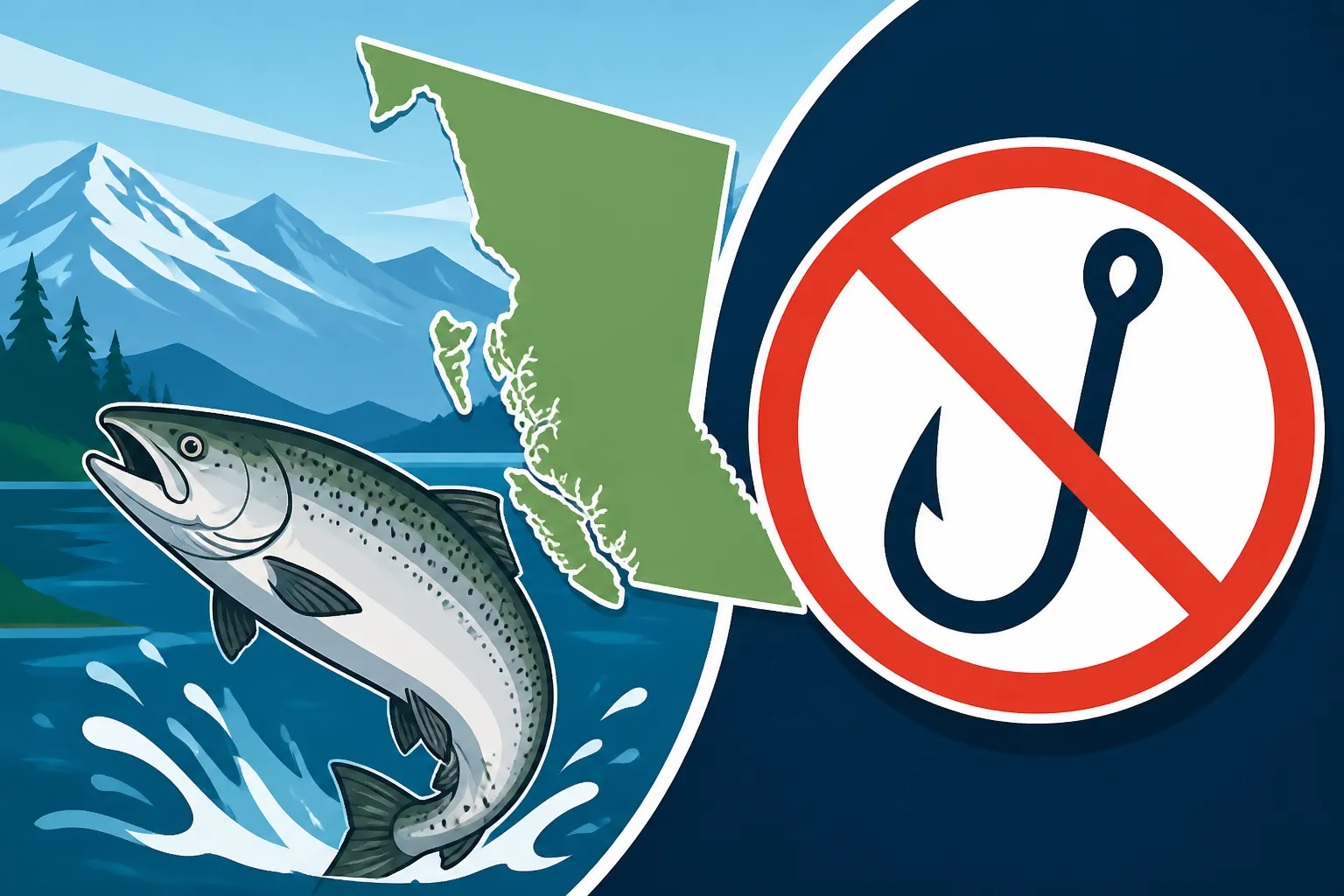
BC Chinook non-retention area hook restrictions
Navigating the myriad of fishing regulations in British Columbia can feel like a maze, especially when you're targeting a prized species like Chinook salmon, only to discover specific areas have complex non-retention rules. It's incredibly frustrating to plan a trip, get to your favourite spot, and then realize you're unsure about the exact gear requirements, potentially risking a fine or, worse, harming a vulnerable fish. This guide is here to untangle those rules, focusing specifically on the crucial hook restrictions within BC's Chinook non-retention areas, ensuring you're prepared, compliant, and ready for a responsible day on the water.
Understanding Chinook Non-Retention Areas in British Columbia
Chinook salmon, often called "Kings" for their impressive size and fighting spirit, are a cornerstone of BC's sportfishing industry. However, not all Chinook stocks are thriving, and conservation efforts are paramount. This is where the concept of "non-retention areas" comes into play, creating specific zones where these magnificent fish must be released unharmed, even if caught.
Why Certain Areas Have Non-Retention Rules for Chinook
The primary reason for designating Chinook non-retention areas is conservation. Many specific Chinook runs, particularly those returning to certain river systems or streams, are facing significant population declines. These declines can be due to various factors, including habitat loss, climate change, predation, and historical overfishing. To help these vulnerable stocks recover and ensure their long-term survival, fishery managers implement stringent measures.
Think about it like this: if a particular river's Chinook run is struggling, allowing anglers to retain fish, even with a license, could push that population further into decline. Non-retention rules aim to reduce fishing pressure on these specific stocks during critical periods, such as their spawning migration. These regulations are often highly localized and can change year by year, or even in-season, based on stock assessments and scientific data. For instance, the Department of Fisheries and Oceans (DFO) might implement non-retention periods in sections of the Fraser River or specific coastal inlets if a particular stock of concern is passing through. It’s not about preventing you from fishing, but about protecting the future of these incredible fish.
Identifying Chinook Non-Retention Areas
Knowing where these non-retention areas are is half the battle. This isn't information you can just guess; it requires diligent research before every outing, because these boundaries and rules are dynamic. The most authoritative source for this information is the Department of Fisheries and Oceans (DFO) Pacific Region. They publish detailed Fishery Notices that outline all current regulations, closures, and specific area restrictions.
These notices are often organized by geographic area (e.g., Strait of Georgia, West Coast Vancouver Island, Fraser River), and they provide precise coordinates or landmarks for where a non-retention zone begins and ends. Don't rely solely on old guidebooks or word-of-mouth. Always check the DFO website or subscribe to their email updates. You might also find invaluable local knowledge from reputable tackle shops in the area you plan to fish, as they often have the most current understanding of localized rules. It's easy to overlook, but taking the time to check BC Fishery Notices and In-Season Closures, Explained can save you a lot of grief and ensure you're fishing legally. Many seasoned anglers keep printouts or digital copies of the latest notices with them on the water, just in case.
Specific Hook Restrictions in Chinook Non-Retention Areas
Once you've identified a Chinook non-retention area, the next critical step is understanding the specific hook restrictions. These rules aren't just suggestions; they are legally binding requirements designed to maximize the survival rate of any Chinook that might be incidentally caught and subsequently released.
Single Barbless Hooks: The Golden Rule
In virtually all Chinook non-retention areas across British Columbia, the "golden rule" is the mandatory use of single barbless hooks. This isn't just a preference; it's a critical conservation measure. A single barbless hook is exactly what it sounds like: a hook with only one point, and with the barb either completely removed or crimped down flat against the shank.
The rationale behind this rule is straightforward: minimizing harm to the fish. When a fish takes a barbed hook, the barb often tears a larger wound or makes removal extremely difficult, especially if the fish is deeply hooked. This can lead to significant injury, prolonged stress, and a much lower chance of survival once released. A barbless hook, on the other hand, can be removed quickly and cleanly with minimal damage to the fish's mouth, greatly increasing its chances of recovery. Even if a fish swallows a barbless hook, it often has a better chance of dislodging it naturally or allowing for an easier, less invasive removal by the angler.
If you usually fish with barbed hooks, converting them to barbless is simple. You can use a pair of pliers (needle-nose or even a standard pair of multi-purpose pliers you might keep in your tackle box) to firmly crimp the barb down against the hook shank. Run your finger over the area; if it feels smooth, you've done it correctly. Many anglers now opt to purchase hooks that are already manufactured as barbless, saving them the hassle. You can often find a wide array of single barbless hooks suitable for different lure types and bait presentations on platforms like Amazon. Remember, these specific rules often apply in areas like those described in BC Chinook salmon non-retention area hook restrictions, so always double-check.
Restrictions on Treble Hooks and Multiple Hooks
Building on the single barbless hook mandate, non-retention areas typically have very strict prohibitions against treble hooks. Treble hooks, with their three points, are designed for maximum hooking potential, but they also cause maximum damage during catch and release. They can easily snag fish in multiple places, including eyes, gills, or vital organs, and are notoriously difficult and time-consuming to remove without causing severe injury. The goal in a non-retention zone is to release the fish in the best possible condition, and treble hooks fundamentally work against that goal. So, if you're planning to fish in a Chinook non-retention area, leave your treble-hooked spoons, plugs, and spinners at home, or replace the trebles with appropriate single barbless hooks. This directly addresses the common question of Is Treble Hook Fishing Banned for Chinook in BC?, and the answer is a resounding "yes" in these conservation-critical zones.
The regulations might also address lures with multiple single hooks, such as tandem fly rigs or certain bucktail jigs. While these are single hooks, the total number of points and their arrangement can sometimes be restricted if they are deemed to increase harm. Always consult the specific fishery notice for the area you're fishing, as definitions and limitations on "multiple hooks" can vary. It's about minimizing points of contact and ensuring easy, clean release.
The Rationale Behind These Hook Regulations
It’s easy to feel burdened by these rules, but understanding their purpose can shift your perspective from frustration to a sense of shared responsibility. These hook regulations are not arbitrary; they are meticulously crafted based on scientific data regarding fish mortality rates. When a Chinook salmon, particularly a mature one on its spawning migration, is caught, handled, and released, it experiences stress. The type of hook used directly impacts the level of physical injury and physiological stress it endures.
The DFO's goal is to ensure that fish released in non-retention areas have the highest possible chance of surviving to spawn. A barbless hook means less time handling the fish, quicker release, and significantly reduced tissue damage. This translates to more successful spawning, stronger future generations, and ultimately, more fish for everyone in the long run. By adhering to these regulations, you become an active participant in conservation, contributing directly to the health of BC’s incredible salmon stocks. Ethical angling isn't just about following the rules; it's about making conscious choices that support the ecosystem you love to explore.
Practical Tips for Fishing in Chinook Non-Retention Zones
Successfully fishing in Chinook non-retention zones isn't just about following the hook regulations; it's about adopting a mindset and equipping yourself to ensure the best possible outcome for the fish you encounter.
Gear Preparation and Selection
Before you even step foot in your boat or on the riverbank, your gear needs to be ready. For starters, make sure all your lures and baits that might be used for Chinook are equipped with single, barbless hooks. This might mean replacing factory trebles or crimping barbs down on existing hooks. Don't wait until you're on the water to do this; it's much easier and safer to prepare at home. Check your entire tackle box. Many anglers keep a dedicated small tackle box or compartment specifically for "non-retention zone" compliant gear to avoid mix-ups. High-quality single barbless hooks are readily available, and a quick search on Amazon for "single barbless hooks fishing" will show you plenty of options that will meet the regulations.
Beyond hooks, consider your overall setup. A good quality rod with a moderate action will help absorb head shakes and jumps, reducing the chance of a hook pulling out or the line breaking during a fight. A reel with a smooth, reliable drag is crucial. You want to be able to tire the fish efficiently without putting undue stress on it, allowing for a quicker catch and release. Also, invest in a good pair of long-nose pliers or a dedicated hook-removal tool. These tools are invaluable for quickly and safely extracting hooks, especially from larger, feisty Chinook. Lastly, a large, rubberized, knotless landing net is a must. The rubberized mesh is much gentler on fish scales and fins compared to knotted nylon nets, which can strip away protective slime and cause injury.
Best Practices for Catch and Release
Catch and release is an art, and in non-retention zones, it's a moral and legal imperative. The goal is simple: get the fish in, get the hook out, and get the fish back into the water as quickly and gently as possible.
Here are some key practices:
- Minimize Fight Time: Use appropriate tackle that allows you to land the fish without excessive strain, but don't "horse" it in. A prolonged fight can exhaust the fish to the point of no return, even if it swims away.
- Keep the Fish Wet: This is perhaps the most important rule. Try to unhook the fish while it's still in the water, ideally in your net. If you must lift it for a quick photo, do so gently, supporting its belly, and minimize its time out of the water – literally seconds. Avoid dragging it onto rocks or dry surfaces.
- Wet Your Hands: Always wet your hands thoroughly before touching a fish. Dry hands can remove the fish's protective slime coat, making it vulnerable to disease and infection.
- Handle Gently: Cradle the fish rather than squeezing it. Avoid putting fingers in the gills or eyes.
- Quick Hook Removal: This is where your barbless hooks and hook removal tools shine. With barbless hooks, a simple twist of the pliers can often free the hook. If the hook is deep, consider cutting the line as close to the hook as possible rather than tearing at the fish's throat. Most hooks will rust out over time.
- Revive the Fish: Once unhooked, hold the fish gently in the water, facing into the current. If fishing from a boat, move the boat slowly forward to push water over its gills. Support it until it regains its strength and can swim away under its own power. Don't just toss it back; make sure it's actively swimming and upright. Many of these principles are shared with regulations for other species, such as the BC Fraser River Sturgeon Catch and Release Requirement, highlighting the universal importance of responsible handling.
Staying Informed and Compliant
The dynamic nature of fishing regulations in British Columbia means that staying informed is an ongoing responsibility. Regulations can change seasonally, in-season, or even based on emergency closures. Never assume that what was legal last year, last month, or even yesterday, is still current.
Make it a habit to check the DFO Pacific Region website for the latest Fishery Notices every time you plan a fishing trip, especially to areas known for sensitive stocks or complex rules. Many local tackle shops, like those in the Campbell River area or along the Fraser River, also have up-to-date information and can offer invaluable insights into localized rules that might not be immediately obvious from official documents. Don't be afraid to ask questions! These local experts live and breathe fishing, and they are usually more than happy to help you understand the current situation. For freshwater anglers, regularly consulting the official Reading the BC Freshwater Fishing Regulations Synopsis is also non-negotiable.
Being compliant isn't just about avoiding penalties; it's about being a responsible angler. The penalties for Fishing Without a License in BC: Penalties can be steep, and similar fines apply to violating gear restrictions, especially in conservation-sensitive areas. Ignorance of the law is not an excuse. By making a habit of checking official sources, preparing your gear appropriately, and practicing responsible catch and release, you're doing your part to ensure that British Columbia remains a world-class fishing destination for generations to come.
| Hook Type | Description | Legality in Chinook Non-Retention Areas | Rationale |
|---|---|---|---|
| Single Barbless | One point, barb crimped or removed. | Mandatory | Maximizes survival rates, minimizes tissue damage, easy release. |
| Single Barbed | One point, with a barb. | Prohibited | Causes more tissue damage, harder to remove, lower survival rates. |
| Treble Barbless | Three points, barbs crimped or removed. | Prohibited | Still poses higher risk of foul-hooking and damage, even if barbless. |
| Treble Barbed | Three points, with barbs. | Strictly Prohibited | Highest risk of severe injury, multiple points of contact, difficult removal. |
| Tandem Single | Two single hooks on one lure (e.g., flies). | Often Restricted/Prohibited | Check specific regulations; can be considered "multiple hooks," increasing harm. |
Disclaimer
The information provided in this guide is for general informational purposes only and is subject to change. Fishing regulations in British Columbia are complex and can change frequently due to conservation efforts, environmental factors, and government policy. Always consult the official Department of Fisheries and Oceans (DFO) Pacific Region website and current Fishery Notices before engaging in any fishing activity. It is the individual angler's responsibility to understand and comply with all applicable regulations.