Best charters for drifting for halibut
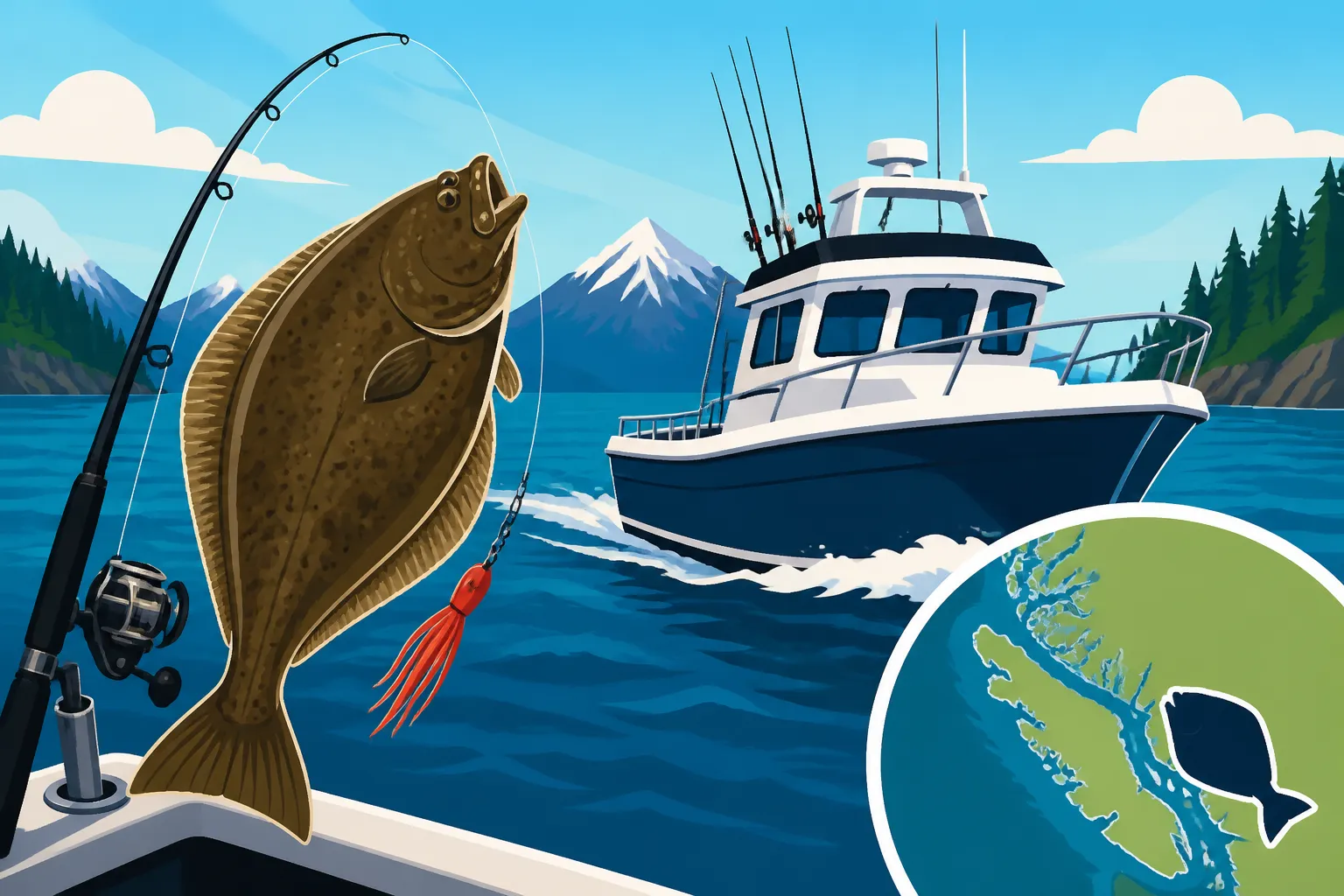
There's nothing quite like the immense satisfaction of hooking into a powerful halibut, feeling that unmistakable weight and stubborn fight from the depths. But let's be real, finding the perfect charter that specializes in the incredibly effective art of drifting for halibut can feel like searching for a needle in a haystack, especially with so many options out there. This guide is dedicated to helping you navigate the waters of British Columbia's charter scene, ensuring you book the best possible experience for a memorable drifting halibut adventure.
Understanding Halibut Drifting Charters in BC
Drifting for halibut is a classic technique, and for good reason: it’s incredibly effective. It's not just about dropping a line and waiting; it's a nuanced dance with the ocean's currents and the halibut's natural feeding instincts. When you're looking for a charter, understanding what makes drifting unique and what separates a good drifting charter from a great one is absolutely essential.
What Makes Drifting So Effective for Halibut?
Drifting is all about natural presentation. Instead of anchoring over a spot and letting your bait sit relatively still, a drifting charter uses the boat's movement, powered by tidal currents and sometimes a slow engine, to present your bait as naturally as possible. Think of a juicy piece of bait or a whole fish moving along the ocean floor, mimicking an injured or unsuspecting prey item. This subtle, natural motion is often irresistible to halibut, which are ambush predators.
When a charter masterfully executes a drift, they’re paying close attention to several critical factors. They monitor the tide tables and current speeds, understanding how these forces will carry the boat and, more importantly, your bait. They know the subtle nuances of underwater topography – the ledges, bumps, and channels where halibut like to lie in wait – and position the boat to glide over these prime hunting grounds. This method covers a lot more ground than anchoring, increasing your chances of presenting your bait right in front of a hungry flatfish. The constant, slow movement also means the scent trail from your bait spreads further, attracting halibut from a wider area. It’s a patient game, but when that rod tip eventually plunges towards the water, you know you’ve done it right.
Key Characteristics of a Great Drifting Halibut Charter
So, what should you look for in a charter that truly excels at drifting for halibut? First off, the boat itself plays a huge role. You want a stable vessel, often a larger, wider sportfishing boat or a comfortable cabin cruiser, that can handle the Pacific swell and provide a comfortable platform for several anglers. While smaller boats can certainly fish for halibut, for dedicated drifting, stability is key to minimizing seasickness and allowing you to focus on your line.
Secondly, the gear provided needs to be purpose-built for drifting. This means heavy-duty conventional rods and reels, often spooled with braided line that offers excellent sensitivity for feeling those subtle halibut bites. Drifting often involves heavier weights to keep your bait on the bottom in strong currents, so the rods need to be capable of handling significant loads. A good charter will have a variety of weight options, from 12oz to sometimes over 3lbs, to adapt to changing current conditions. The captain and crew's expertise in setting up these rigs, selecting the right baits (often whole or cut herring, salmon heads, or octopus), and teaching you the proper technique for feeling a bite while drifting is absolutely paramount. They should be able to explain how to manage your line, prevent tangles with other anglers, and detect that often-gentle "thump" that signals a halibut strike.
Top Regions and Their Drifting Charters for Halibut
British Columbia's coastline is vast and varied, offering incredible halibut opportunities from the southern reaches of Vancouver Island up to the remote archipelagos of Haida Gwaii. Each region offers a slightly different flavour of halibut fishing, and understanding these differences can help you pick the perfect spot for your drifting adventure.
Tofino and Ucluelet: West Coast Wonders
When most people think of halibut fishing in BC, their minds often drift to the rugged west coast of Vancouver Island, particularly the vibrant fishing hubs of Tofino and Ucluelet. These towns are synonymous with world-class saltwater angling, and for good reason. The exposed coast here plunges into deep, rich Pacific waters, creating ideal habitats for halibut. Charters operating out of Tofino and Ucluelet often have quick access to these productive grounds, sometimes just a short run from the harbour.
The captains in this region are incredibly skilled at reading the ocean. They know the precise depths and structures where halibut congregate, and they are masters of positioning their boats for optimal drifts. You'll often find yourself drifting along submarine banks, over rocky pinnacles, or through deep channels, letting your bait explore the bottom. The halibut here can be truly impressive in size, and the scenery of the wild west coast is simply breathtaking. Expect charters here to be well-equipped with top-tier gear, experienced deckhands, and a deep understanding of local currents and tides. These areas are so renowned that many anglers specifically seek out Best Halibut Charters out of Tofino or look into the excellent opportunities presented by Ucluelet Halibut Fishing.
Northern BC: Prince Rupert and Haida Gwaii
Venturing further north along the BC coast opens up a whole new world of halibut fishing. Areas like Prince Rupert and the remote islands of Haida Gwaii (formerly the Queen Charlotte Islands) are legendary for their abundant and often enormous halibut. The waters here are generally less pressured than the more accessible southern regions, and the fish, particularly halibut, tend to grow to truly monstrous sizes.
Charters in Northern BC often operate on multi-day lodge packages, as the travel can be more extensive, and the fishing grounds are often more remote. This isn't just a day trip; it's an immersive wilderness experience. Drifting in these northern waters requires captains with unparalleled local knowledge, as currents can be strong and unpredictable, and the bottom structure is complex. However, the rewards can be phenomenal, with the potential for multiple "barn door" halibut (over 100 pounds) being a real possibility. The sheer isolation and raw beauty of these northern fishing grounds add an extra layer of adventure to the pursuit of a trophy halibut. If you're seeking a true wilderness experience with the potential for a personal best, Northern BC is calling.
Other Notable Drifting Locations
While Tofino, Ucluelet, Prince Rupert, and Haida Gwaii are the stars of the show, other areas along BC's vast coast also offer excellent halibut drifting opportunities. Locations like Port Renfrew, on the southwestern tip of Vancouver Island, are gaining popularity for their productive halibut grounds, often fished with similar drifting techniques as Tofino. Further up the coast, areas around the Discovery Islands or Quadra Island might offer good halibut fishing, sometimes combined with salmon.
It's important to differentiate between locations where jigging is the primary halibut technique versus drifting. While many charters will use both methods depending on conditions, if your heart is set on drifting, confirm that the charter regularly employs this technique in their preferred fishing grounds. Always ask the charter operator about their specific methods for halibut. Some areas might have stronger currents better suited for drifting, while others might have smaller, more concentrated halibut "holes" that are better fished by anchoring or Jigging for Halibut off Vancouver Island. The key is to communicate your preference for drifting when you inquire, to ensure the charter's expertise aligns with your desired experience.
What to Look for When Choosing a Drifting Halibut Charter
Choosing the right charter for a halibut drifting trip is about more than just finding a boat with an open date. It’s about matching your expectations with a captain and crew who are truly passionate and proficient in this specific technique.
Captain's Expertise and Local Knowledge
This is, arguably, the most crucial factor. A captain's experience is measured not just in years, but in their intimate understanding of the local marine environment. For drifting, this means they need to be a true "hydrographer" of their fishing grounds. They must understand the nuances of the tides – how they affect current speed and direction, and how those currents interact with the underwater topography. Knowing which banks, ledges, and deep channels will produce a good drift on a specific tide, and how to precisely position the boat to maximize your time over productive ground, is an art form.
An experienced drifting halibut captain will also have a deep knowledge of Halibut Habits off the BC Coast, including their preferred feeding patterns, what bait they're keying on, and how their behaviour changes with water temperature or time of year. They should be able to explain why they're setting up a drift in a particular way, teaching you subtle tricks like how much line to let out, how to feel the bottom without snagging, and the difference between a bump on the bottom and a halibut investigating your bait. Don't be shy about asking direct questions about their drifting experience and success rates when you're making inquiries.
Gear, Boat, and Safety Equipment
Beyond the captain's skills, the physical assets of the charter are paramount. As mentioned, a stable boat is crucial for comfort and effective drifting, especially on BC's sometimes-choppy coastal waters. Look for boats with ample deck space, good shelter from the elements, and ideally, a head (toilet) on board for those longer days.
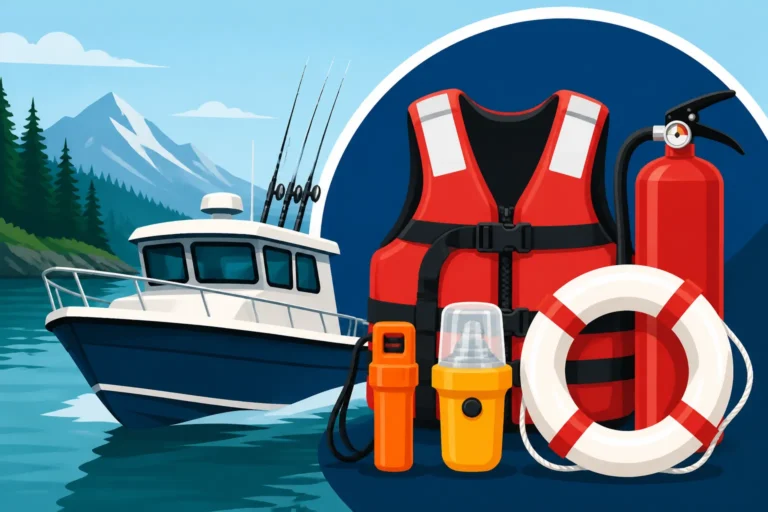
The fishing gear should be robust and well-maintained. You'll need heavy-duty conventional reels paired with stout rods, capable of handling large halibut and the significant weight often required for drifting. Braided line, typically 60-80 lb test, is preferred for its strength and sensitivity. Ask about the quality and quantity of terminal tackle, including large hooks and a variety of lead weights. A good charter will also provide quality bait, often fresh or brined herring, salmon bellies, or octopus, and know how to rig it effectively for drifting. Before you even step aboard, you can get a good sense of a charter’s professionalism by understanding What Gear a BC Charter Provides and ensuring they adhere to all necessary regulations regarding What safety equipment BC charters are required to carry. A well-prepared boat is a safe and effective boat.
Inclusions, Exclusions, and Expectations
Before you book, it's vital to clarify exactly what your charter package includes and what you'll need to provide yourself. Most reputable charters will include all fishing gear, bait, and fuel in their quoted price. However, there are often specific exclusions you need to be aware of.
For example, your fishing license and any necessary conservation stamps are almost always your responsibility. It's crucial to purchase these in advance. You can learn more about this by checking Do You Need Your Own Fishing License for a BC Charter?. Many charters will offer fish cleaning and bagging, but some might charge an extra fee or only provide basic cleaning. If you plan to keep your catch, ask about their fish handling procedures, like icing, and if they have facilities for filleting and vacuum sealing. Some charters might provide snacks and non-alcoholic beverages, while others expect you to bring your own. Always clarify these details to avoid any surprises on the day of your trip. Knowing What is included in a BC fishing charter price upfront ensures a smooth and enjoyable experience.
Booking Your Dream Halibut Drifting Experience
Once you've narrowed down your choices, the booking process itself should be straightforward, but there are a few key steps to ensure you land the perfect charter for your halibut drifting adventure.
The Booking Process and Key Questions
When you're ready to inquire, don't hesitate to reach out to multiple charters. Start by clearly stating your interest in a dedicated halibut drifting trip. Be prepared to ask specific questions:
- "What is your typical halibut drifting success rate during the time I'm looking to book?"
- "What size of halibut do you typically target using the drifting method in this area?"
- "How many anglers does your boat comfortably accommodate for a drifting setup?" (Too many can lead to tangled lines when drifting.)
- "What is your policy regarding weather cancellations or re-scheduling?"
- "Do you provide rain gear or specialized clothing, or should I bring my own?" (Always bring layers, as it can get chilly on the water, even in summer. Check out What to bring on a BC Fishing Charter for a comprehensive list.)
Many anglers find platforms like FishingBooker incredibly useful for browsing charters, comparing options, and even booking directly. It provides a convenient way to see availability and pricing in one place, and often includes direct contact information for the charter operators themselves.
Reviews and Reputation
In today's digital age, online reviews are your best friend when vetting a charter. Look for consistent positive feedback, especially comments that specifically praise the captain's knowledge of drifting techniques, the quality of the gear, and the overall experience. Pay attention to any recurring negative comments, as these can be red flags.
Beyond general reviews, seek out dedicated fishing forums or local angler groups where you can ask for personal recommendations for charters specializing in halibut drifting. Word-of-mouth from experienced anglers is often the most reliable source. A reputable charter will have a strong track record and be proud to share testimonials or references. Platforms like FishingBooker also aggregate reviews from verified customers, giving you a trustworthy insight into other anglers' experiences.
Preparing for Your Trip
Once your halibut drifting charter is booked, the anticipation builds! But don't forget to prepare thoroughly to make the most of your day. First and foremost, secure your BC fishing license and any required stamps before your trip. Your charter cannot take you fishing without it.
Pack layers of clothing. Even on a sunny day, the ocean air can be cool, and conditions can change rapidly. Waterproof outer layers (jacket and pants) are essential to stay dry, especially when facing ocean spray or a sudden downpour. Non-slip, waterproof footwear is also a must for safety on a wet deck. Don't forget sunscreen, a hat, and polarized sunglasses to protect your eyes and help you spot action on the water. Bring enough food and drinks for the duration of the trip, as well as any personal medications, especially if you're prone to seasickness. It's always a good idea to take seasickness medication the night before or at least an hour before departure if you're susceptible. Remember to bring a cooler in your vehicle for transporting your fresh fillets home, especially if you land a monster halibut!
Here's a quick comparison of what different regions might offer for halibut drifting:
| Feature | Tofino/Ucluelet (West Coast Vancouver Island) | Prince Rupert/Haida Gwaii (Northern BC) |
|---|---|---|
| Typical Trip Duration | Half-day to Full-day (8-10 hours) | Multi-day lodge packages common |
| Halibut Size Potential | Very good (often 20-80 lbs, larger possible) | Excellent (100+ lbs more common) |
| Access & Logistics | Relatively easy, good infrastructure | More remote, often requires flights |
| Scenery | Rugged Pacific coastline, islands | Wild, pristine, remote wilderness |
| Crowd Levels | Can be busy, especially in peak season | Generally less crowded |
| Drifting Focus | High, captains skilled in current reads | High, captains expert in remote drifts |
| Common Target Species | Halibut, Chinook & Coho salmon | Halibut, Lingcod, various rockfish |
Booking the best charter for drifting for halibut in British Columbia is about doing your homework, asking the right questions, and prioritizing expertise and safety. By focusing on charters with seasoned captains, proper gear, and a solid reputation for success with this specific technique, you're well on your way to an unforgettable angling adventure on the pristine waters of BC.
Disclaimer
This article is for general informational purposes only and does not constitute professional advice. Laws, prices and regulations vary by location and change over time. Consult a qualified professional for guidance on your specific situation.