Best charters near Campbell River’s Discovery Passage
Planning a fishing trip to British Columbia can feel like navigating a maze, especially when you're dreaming of the legendary waters around Campbell River and the Discovery Passage. It's tough to know where to start, who to trust, and how to ensure you pick the right charter for an unforgettable experience. This guide will walk you through everything you need to know to choose the best fishing charters near Campbell River's Discovery Passage, making your planning straightforward and your trip epic.
Why Discovery Passage is a Premier Fishing Destination
The Discovery Passage, nestled between Vancouver Island and Quadra Island, is more than just a body of water; it's a vibrant marine highway teeming with life, and a world-renowned hotspot for anglers. The currents here are notoriously strong, creating unique feeding opportunities and attracting an incredible abundance of fish, especially salmon. Many anglers, myself included, have spent countless hours dreaming of the chrome-bright Chinook and Coho that push through these very waters.
The Incredible Ecosystem of Discovery Passage
This particular stretch of ocean is a crucial migration route for all five species of Pacific salmon: Chinook, Coho, Sockeye, Pink, and Chum. As these fish return to their natal rivers to spawn, they funnel through the narrow passage, creating prime conditions for intercepting them. It's not just salmon, though. The rich baitfish populations, drawn by the strong currents and nutrient-rich waters, also attract powerful bottom dwellers like Halibut and Lingcod, making it a truly diverse fishery. The sheer volume of life here is astounding, and it's what truly sets Discovery Passage apart as a bucket-list destination for anyone with a fishing rod.
Imagine the thrill of a Chinook hitting your line, feeling its raw power as it fights the current and tries to escape. Or the fast, acrobatic leaps of a Coho. These are experiences that draw anglers from all over the globe, and the charters operating out of Campbell River are perfectly positioned to put you right in the middle of the action.
Iconic Fishing Grounds and Local Knowledge
Within the Discovery Passage, there are several iconic fishing grounds that local charter captains know like the back of their hand. Areas like the 'Hump' or 'Salmon Wall' are legendary, often holding vast schools of baitfish and, consequently, large aggregations of hungry salmon. The ever-present challenge of the currents means that understanding the tides and the specific feeding lanes is paramount, and this is where a skilled charter captain truly shines. They've spent decades reading the water, understanding the bait, and knowing precisely when and where to present a lure or bait to entice a bite.
Without this local expertise, navigating the passage and consistently finding fish can be incredibly difficult for an unfamiliar angler. This is precisely why hiring a reputable charter is not just a convenience, but often a necessity for a successful and safe fishing trip in these dynamic waters. The knowledge passed down through generations of guides here is invaluable, giving you access to secrets that would take years to uncover on your own. For more on local expertise, you might find Campbell River Fishing Guide useful.
Key Factors to Consider When Choosing a Campbell River Charter
Choosing the right fishing charter near Campbell River and the Discovery Passage can feel overwhelming, given the number of options available. It's not just about booking a boat; it's about finding the right fit for your experience level, desired target species, and overall expectations. Don't just pick the first name that pops up; a little research goes a long way to ensure a memorable trip, not a disappointing one.
Researching Charter Companies and Captains
When you start your search, look for charters with a strong reputation for safety, professionalism, and consistent success. Websites like FishingBooker are a fantastic resource, allowing you to browse various operators, compare their offerings, and read genuine reviews from past clients. Pay close attention to what other anglers say about the captain's demeanor, their knowledge of the area, and their willingness to teach or assist. A good captain isn't just a driver; they're an educator and a host.
Consider their experience – how long have they been guiding in the Discovery Passage? Do they specialize in certain species, or are they versatile? Many charters will highlight their years of experience and local roots, which is a huge plus in these complex waters. Look for captains who are passionate about the fishery and dedicated to conservation, as these are often the ones who provide the most rewarding experiences. A great starting point for understanding how to select a charter can be found in How to Choose a BC Fishing Charter.
Understanding Charter Types and Target Species
Not all charters are created equal, and understanding the differences will help you align your expectations with what's offered.
Types of Charters Available
- Half-Day vs. Full-Day Trips: Half-day trips are typically 4-5 hours, perfect for a quick outing, families with younger children, or if you're on a tighter schedule. Full-day trips, usually 8-10 hours, offer more time on the water, allowing captains to explore more distant grounds or wait out slower bite periods. If you're targeting elusive species like large Halibut, a full-day trip is almost always recommended. You can find more details on trip durations in Best Half-Day Fishing Charters in BC and Best Full-Day Fishing Charters in BC.
- Private vs. Shared Charters: Private charters give you exclusive access to the boat and the captain's attention, ideal for groups or families who want a personalized experience. Shared charters, where you join other anglers, are usually more budget-friendly but offer less flexibility in terms of where you fish or how long you stay at a particular spot. When browsing on platforms like FishingBooker, it's usually clear which type of trip is being offered.
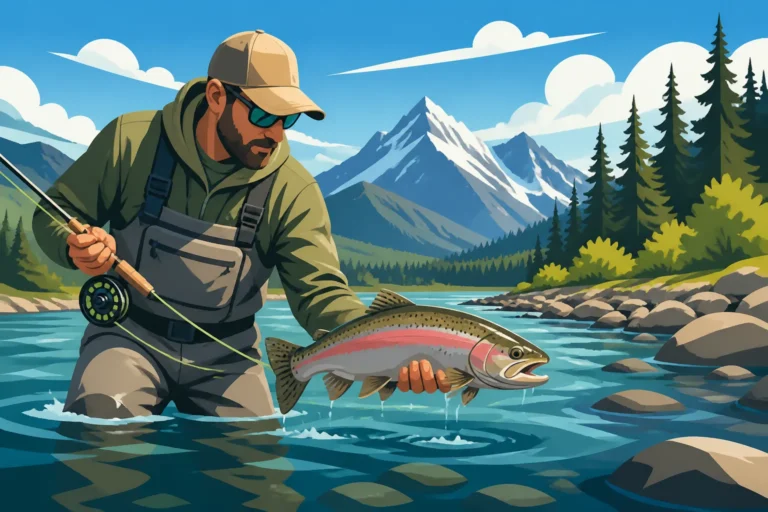
- Specialized Charters: Some charters focus solely on salmon, while others might offer combination trips for salmon and bottom fish. There are also guides who specialize in fly fishing for salmon or steelhead, although the latter often takes place in rivers rather than the open Discovery Passage.
Popular Target Species in Discovery Passage
| Species | Peak Season | Primary Fishing Method | Typical Size Range |
|---|---|---|---|
| Chinook Salmon | Late Spring to Early Fall (June – Sept) | Trolling, Mooching | 10-50 lbs, sometimes larger |
| Coho Salmon | Summer to Fall (July – Oct) | Trolling, Mooching, Jigging | 5-15 lbs |
| Pink Salmon | Mid-Summer (Late July – August, odd years) | Trolling, Jigging | 3-8 lbs |
| Halibut | Spring to Fall (May – Sept) | Bottom fishing, Jigging | 20-100+ lbs, sometimes much larger |
| Lingcod | Spring to Fall (May – Sept) | Jigging, Bottom fishing | 10-30 lbs |
Knowing what you want to catch helps narrow down your charter options considerably. If you're dead set on a trophy Chinook, you'll want a captain known for targeting them during peak season.
Asking the Right Questions Before Booking
Before you commit, don't hesitate to ask these important questions:
- What's included in the price? Does it cover bait, tackle, fuel, and fish cleaning? Some charters may have hidden fees.
- Do I need a fishing license and stamps? Absolutely, and this is a critical one. Your captain can advise you on what you need, but it's generally your responsibility to purchase them beforehand. Check out British Columbia Fishing License Guide for 2026 for detailed information.
- What's your cancellation policy? Weather can be unpredictable, especially on the coast. Understand what happens if your trip is called off due to unsafe conditions.
- How many people can fish comfortably? Ensure the boat can accommodate your group size without feeling cramped.
- What safety equipment do you have on board? A professional charter will always have all required safety gear, but it never hurts to ask for peace of mind.
- Is catch-and-release encouraged or mandatory for certain species? Conservation is a big part of BC fishing, and understanding retention limits and practices is important. You might be interested in BC Bag and Possession Limits by Species for more details.
Platforms like FishingBooker often have FAQs or direct messaging options to communicate with captains before you book, making it easy to get these questions answered.
What to Expect on a Discovery Passage Fishing Charter
Stepping aboard a fishing charter in Campbell River for a day out on the Discovery Passage is an exciting prospect. It's an experience that combines breathtaking scenery with the thrill of the chase, but knowing what to expect can help you prepare and fully enjoy your adventure. From the moment you arrive at the dock until you're back on solid ground, a good charter operation will ensure a smooth and enjoyable trip.
Pre-Trip Preparation and Departure
Typically, your captain will provide instructions on where to meet, usually at a specific dock or marina in Campbell River, such as the Government Wharf or a private marina. It's always a good idea to arrive a little early, allowing time for parking, last-minute restroom breaks, and to get acquainted with the crew and boat. This also gives you a chance to chat with your captain about the day's plan, target species, and current fishing conditions.
Most reputable charters will have all the necessary gear on board, including rods, reels, tackle, and bait. However, you are usually responsible for your own Do You Need Your Own Fishing License for a BC Charter? as well as any salmon conservation stamps. Make sure to purchase these online before your trip, as some remote areas might not have readily available vendors. Your captain will often offer advice on where to purchase these if you're unsure.
The On-Water Experience
Once you're out on the Discovery Passage, the real adventure begins. Depending on the target species and current conditions, your captain will navigate to known fishing grounds. You might experience the gentle roll of the boat as you troll for salmon, or the excitement of jigging for Halibut over deep structures.
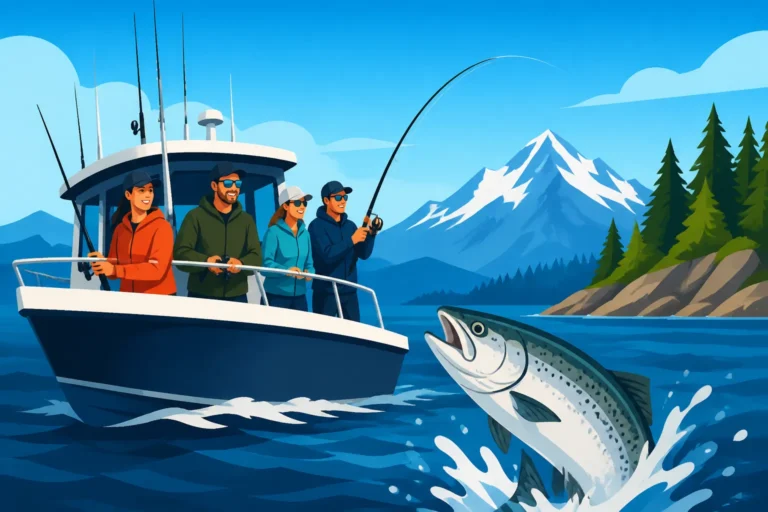
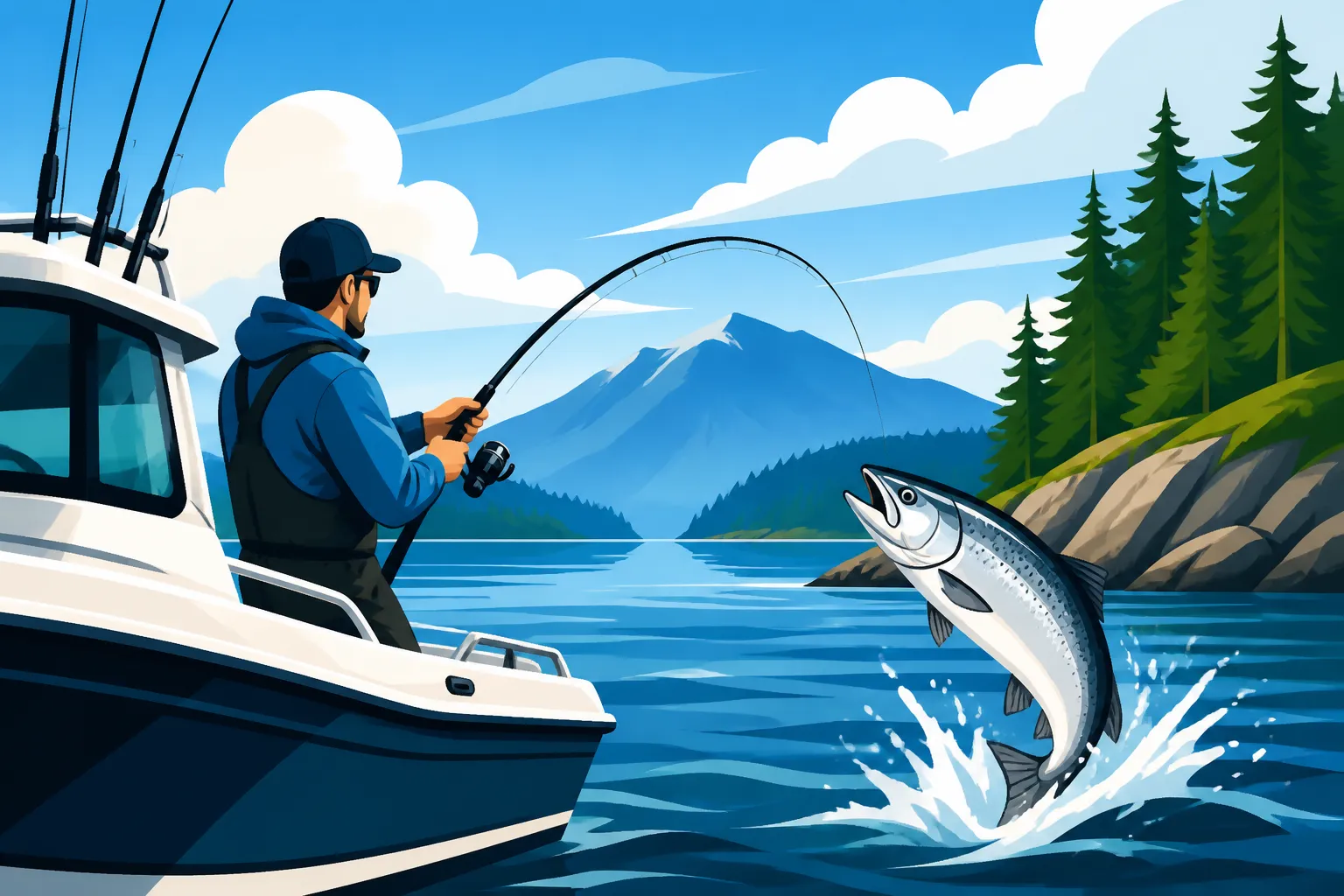
- Salmon Fishing: When targeting Chinook or Coho, trolling is a common method, using downriggers to get lures or bait to specific depths. The captain will be constantly monitoring the sonar, currents, and baitfish activity, adjusting speed and direction to optimize your chances. When a fish hits, the action can be fast and furious! The captain or deckhand will often guide you through the process of fighting the fish, ensuring proper technique to land it safely.
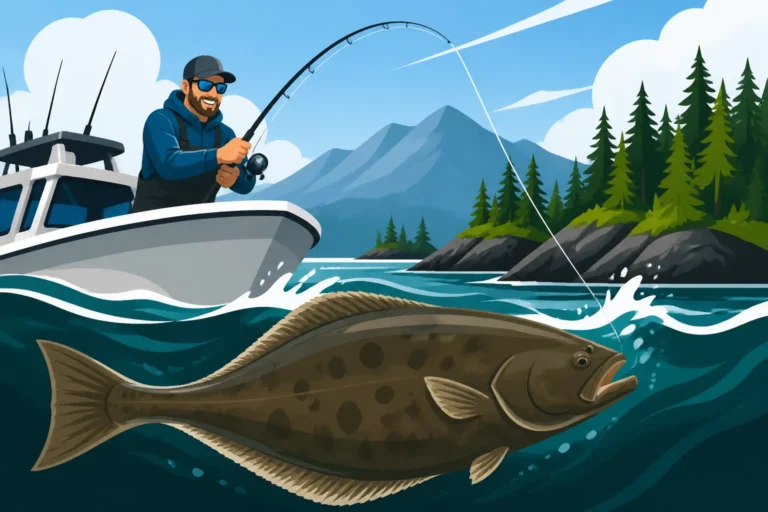
- Bottom Fishing: For species like Halibut and Lingcod, the boat will typically anchor or drift over reefs, ledges, or deep channels. You'll be using heavier tackle with substantial weights and large baits or jigs. This type of fishing is often a waiting game, but when a big Halibut decides to take your bait, it's an undeniable fight that will test your strength. For specific techniques, check out Jigging for Halibut off Vancouver Island or Halibut Fishing Techniques for BC's Coast.
- Safety First: Throughout the trip, your captain will prioritize your safety. This includes providing life jackets, giving instructions on how to move about the boat, and being mindful of changing weather conditions. BC's coastal waters can be dynamic, so trust your captain's judgment if they decide to move spots or head back early.
Handling Your Catch
After a successful day, your charter captain or deckhand will typically clean and bag your catch, preparing it for your journey home. This is a huge convenience, saving you the messy work at the end of a long day. They'll know the regulations for each species and ensure you stay within your BC Bag and Possession Limits by Species. Some charters even have vacuum-sealing services available for an additional fee, making it easy to preserve your delicious fish. Tipping your captain and deckhand is customary and greatly appreciated for their hard work and expertise; generally, 15-20% of the trip cost is a good guideline for Tipping Etiquette for BC Fishing Charters.
Making the Most of Your Campbell River Fishing Adventure
A fishing trip to the Discovery Passage is an investment in time and money, and you want to ensure you get the absolute most out of it. Beyond just catching fish, it's about the entire experience – the camaraderie, the stunning scenery, and the memories you create. A little extra effort in preparation and mindset can elevate your adventure from good to truly unforgettable.
Essential Gear and Personal Items
While your charter provides the fishing equipment, there are several personal items you should bring to ensure your comfort and readiness for whatever the BC coast throws at you.
- Layered Clothing: The weather can change rapidly. Dress in layers, including a waterproof outer shell, even on sunny days. It's often cooler on the water than on land.
- Sun Protection: Sunglasses, a hat, and high-SPF sunscreen are non-negotiable. The sun's reflection off the water can be intense.
- Food and Drinks: Pack snacks, a lunch, and plenty of water or other beverages. Most charters don't provide meals, so be self-sufficient.
- Cooler (for your catch): While fish cleaning is often included, having a cooler with ice in your vehicle for the ride home is crucial for keeping your fish fresh.
- Seasickness Medication: If you're prone to seasickness, take preventative medication well before boarding. The Discovery Passage can be choppy, especially with strong currents. You can find more tips on this in Seasickness tips for a BC fishing charter.
- Camera: The scenery alone is worth photographing, and you'll definitely want to capture that trophy catch!
Photography and Conservation
Remember to respect the natural beauty and the fish you encounter. If you're planning to take photos, do so quickly and keep the fish in the water as much as possible, especially if you intend to release it. Your captain will demonstrate how to handle fish properly for a safe release, minimizing stress. Ethical angling practices are paramount in British Columbia, ensuring healthy fish stocks for future generations.
Many anglers find immense satisfaction in catch-and-release fishing, particularly for species like Sturgeon, which are often strictly catch-and-release by regulation. Even for salmon or halibut, choosing to release some fish, especially larger breeding stock, contributes to conservation efforts. Always follow your guide's instructions and local regulations, which can change frequently. You can check BC Fishing Regulations Explained for general rules, and remember that BC Fishery Notices and In-Season Closures, Explained can update regulations on short notice.
Booking Logistics and Future Trips
Consider booking your charter well in advance, especially if you're planning a trip during peak season (summer months). The best captains and boats get booked up quickly. Platforms like FishingBooker allow you to secure your date with a deposit. If you have a specific date or special occasion in mind, don't wait until the last minute. For popular times like the best time of year to book a salmon charter or Best Season to Book a Halibut Charter, plan several months ahead.
Building a relationship with a good charter captain can lead to even better experiences on future trips. They'll learn your preferences, and you'll gain trust in their abilities. Many repeat clients find that their fishing trips become richer over time, guided by someone who knows them and the water intimately. Whether this is your first time exploring the rich waters of the Discovery Passage or you're a seasoned angler, a well-chosen charter from Campbell River promises an adventure that you won't soon forget.
Disclaimer
This article is for general informational purposes only and does not constitute professional advice. Laws, prices and regulations vary by location and change over time. Consult a qualified professional for guidance on your specific situation.