Seasickness tips for a BC fishing charter
There's nothing quite like the excitement of heading out on a British Columbia fishing charter, anticipating the tug of a salmon or the thrilling fight of a halibut. But for many, that excitement is tinged with a very real, very unpleasant worry: seasickness. That unsettling feeling of nausea, dizziness, and general misery can quickly turn a dream trip into a nightmare, ruining what should be an incredible experience on our stunning West Coast waters. This guide is here to tackle that head-on, offering practical, empathetic advice to help you manage and even prevent seasickness, ensuring your next BC fishing adventure is filled with fish tales, not tummy troubles.
Understanding Seasickness: What's Happening and Why It Matters on a BC Charter
Seasickness, or motion sickness, is a common affliction that can strike anyone, regardless of how often they've been on the water. It’s not a sign of weakness; it's a physiological response to conflicting sensory information that your brain receives. Understanding what's going on can actually help you combat it.
The Inner Ear Connection to Motion Sickness
At the heart of seasickness is your vestibular system, located in your inner ear. This intricate system is responsible for your sense of balance and spatial orientation. It's constantly sending signals to your brain about your head's movement and position. When you're on solid ground, everything usually aligns: your eyes see a stable horizon, your muscles feel the earth beneath you, and your inner ear detects subtle movements. All these signals confirm you're still.
However, when you step onto a boat, especially one navigating the dynamic waters off the BC coast, things get a bit chaotic. Your inner ear might be detecting the rolling and pitching motion of the vessel, sending strong signals to your brain that you are, in fact, moving. But your eyes, if you're looking inside the cabin or at a fixed point on the deck, might not see that same movement. Or, conversely, your eyes might see the boat swaying, but your body isn't registering the ground moving beneath you as it would if you were walking. This disconnect, this conflicting information between what your eyes see, what your inner ear senses, and what your body feels, throws your brain into a bit of a panic.
Your brain tries to make sense of these conflicting signals, often interpreting them as a sign of poisoning. As a defense mechanism, it triggers a cascade of symptoms, primarily nausea, dizziness, cold sweats, and a general feeling of malaise. It’s a primal response, and unfortunately, it can be incredibly debilitating, taking all the joy out of what should be a fantastic day fishing for salmon or halibut in the Pacific Northwest. The constant, unpredictable motion of waves and swells in open water, or even the subtle rocking in a calmer inlet, can be enough to set off this uncomfortable chain reaction.
Common Triggers on a Fishing Charter
Beyond the fundamental sensory conflict, several other factors on a fishing charter can exacerbate or trigger seasickness. Recognizing these can empower you to take preventative measures and mitigate their effects, turning a potentially rough day into a manageable, or even enjoyable, one.
One of the most immediate and impactful triggers for many is smell. The enclosed space of a boat cabin can sometimes concentrate odours like diesel fumes from the engine, the lingering scent of bait, or even someone else's strong cologne. These smells can quickly upset a sensitive stomach, especially when combined with the boat's motion. The good news is that many modern charter boats are designed with better ventilation, but it’s still something to be mindful of.
Another major trigger is focusing on something within the boat, particularly if it's close to your face, like a book, a phone screen, or even constantly watching your fishing rod tip. When your eyes are fixed on an object that's moving with the boat, they're sending signals of "still" relative to your immediate surroundings, while your inner ear is screaming "movement!" This intensifies the sensory conflict. Furthermore, lack of sleep and dehydration before a trip can significantly lower your resistance to seasickness. A fatigued or dehydrated body is simply more susceptible to feeling unwell when faced with the challenges of a rocking boat.
Lastly, the specific conditions of BC's diverse waters play a huge role. While a calm, sunny day in a protected inlet might be smooth as glass, heading out into the open waters of the Georgia Strait, Hecate Strait, or offshore near Tofino or Ucluelet can mean encountering significant swells and choppy waves. Even just a strong current against the wind can create a bouncy ride. Understanding that different waters present different challenges can help you mentally prepare and adjust your strategies. Whether you're targeting big salmon or going deep for halibut, the motion of the ocean is a variable you need to respect.
Pre-Trip Preparations: Proactive Steps to Prevent Seasickness
The best defense against seasickness is a good offense. Many highly effective strategies can be implemented before you even step foot on the boat. These proactive steps can significantly reduce your chances of feeling unwell and help ensure your fishing trip is a success.
Medication and Remedies: Choosing Your Weapon Against Nausea
When it comes to preventing seasickness, medication is often the first line of defense for many anglers. Over-the-counter options like Dramamine (dimenhydrinate), Bonine (meclizine), and Gravol are widely available and work by suppressing the inner ear's signals to the brain. The key with these medications is to take them before you start feeling sick – typically 30 minutes to an hour before your scheduled departure. Waiting until you're already nauseous often means it's too late for them to be fully effective. Be sure to read the packaging carefully for dosage instructions and potential side effects, such as drowsiness, which can impact your enjoyment of the trip. If you're sensitive to drowsiness, Bonine or non-drowsy Gravol formulations might be a better choice.
For those with more severe motion sickness, a prescription option like the Scopolamine patch (Transderm-Scop) can be highly effective. This patch is usually placed behind the ear several hours before the trip and delivers medication slowly over a few days, offering sustained relief. However, this is a prescription medication, so you'll need to consult with your doctor to see if it's right for you. They can discuss potential side effects and proper application. Always remember that any medication should be discussed with a healthcare professional, especially if you have existing health conditions or are taking other drugs.
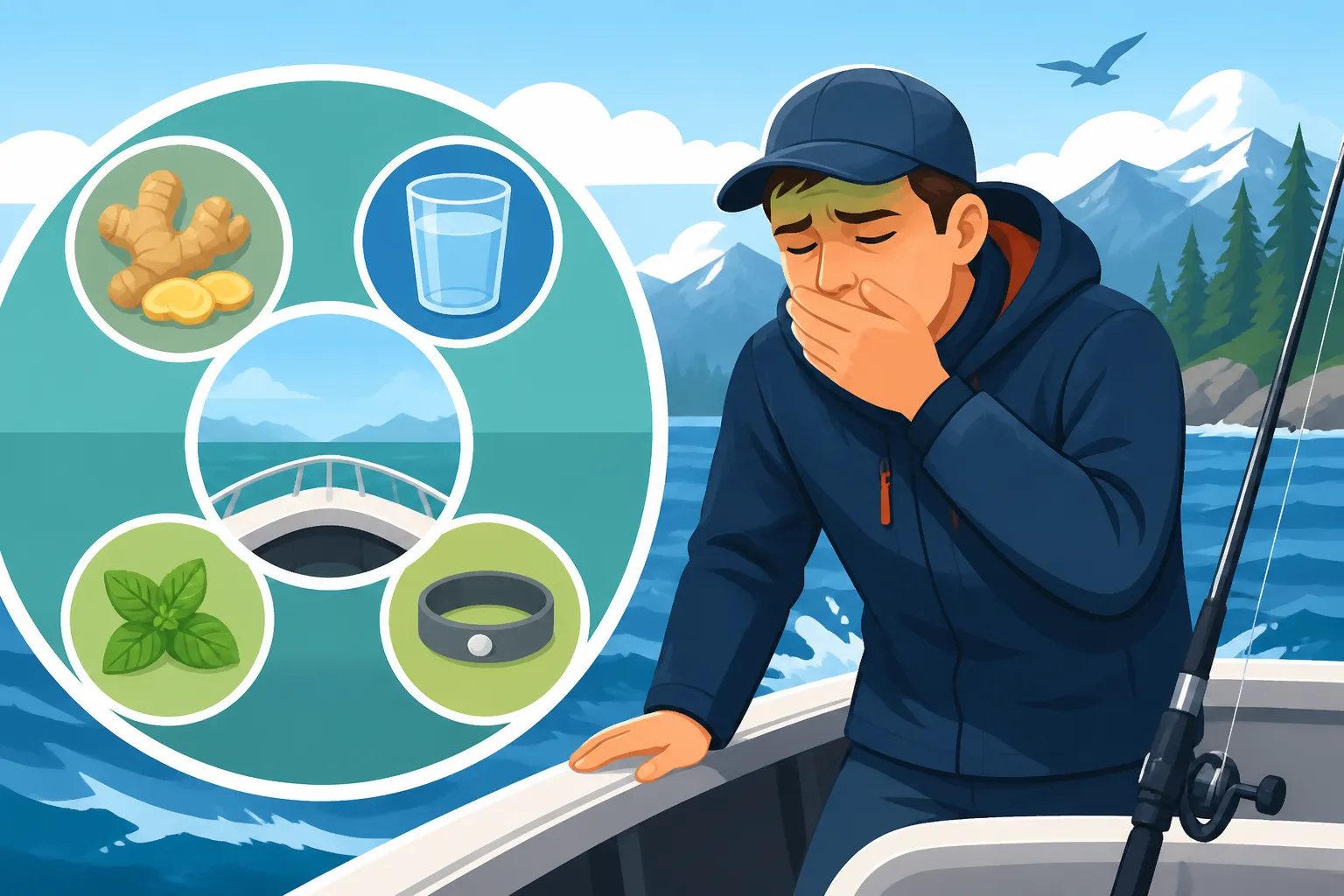
Beyond pharmaceuticals, many people find relief with natural remedies. Ginger, in various forms (ginger candies, capsules, or ginger ale made with real ginger), has long been lauded for its anti-nausea properties. While not a cure-all, it can certainly help settle a queasy stomach. Acupressure wristbands, such as Sea-Band, are another popular option. These bands work by applying pressure to a specific point on the wrist believed to relieve nausea. They're drug-free, making them appealing to those who prefer to avoid medication, and can be worn continuously. Many anglers find a combination of methods works best for them, perhaps a medication paired with some ginger candies for extra comfort. When you're planning your trip, consider browsing options on a platform like FishingBooker, where you might even find charters that cater to those with seasickness concerns by providing a more stable vessel or offering specific amenities.
Fueling Your Body and Mind for the Journey
What you put into your body, and how you prepare your mind, can have a surprisingly significant impact on your susceptibility to seasickness. Think of it as building your internal resistance before you even step on the dock.
On the day before and the morning of your charter, aim for light, bland meals. Foods like toast, crackers, bananas, or plain oatmeal are excellent choices. Avoid anything greasy, spicy, acidic, or heavy, as these can sit uncomfortably in your stomach and make you more prone to nausea. Similarly, steer clear of alcohol the night before, and limit caffeine intake on the morning of your trip. Both can contribute to dehydration and an unsettled stomach, making you an easier target for seasickness. Staying well-hydrated with water or clear juices is crucial. Dehydration can mimic or worsen seasickness symptoms, so sip water consistently.
Beyond diet, ensuring you get a good night's sleep before your charter is paramount. Fatigue significantly reduces your body's ability to cope with stress, and the rocking motion of a boat can be surprisingly stressful for your system. A well-rested body is simply more resilient. Furthermore, mental preparation plays a role. If you go into the trip dreading seasickness, you might actually manifest symptoms. Try to cultivate a positive mindset. Visualize yourself enjoying the fishing, breathing in the fresh BC air, and reeling in a big one. Consider what to expect on a BC fishing charter, so you know the routines and feel more prepared. Anxiety can heighten your perception of motion and contribute to nausea, so a calm, confident approach can be a powerful tool in your arsenal.
Booking Considerations for Seasickness-Prone Anglers
When planning your British Columbia fishing adventure, especially if you know you're prone to seasickness, some strategic booking choices can make a world of difference. It's all about setting yourself up for success from the very beginning.
Firstly, consider the type and size of the boat. Generally, larger vessels tend to be more stable in the water than smaller ones, as they displace more water and are less affected by chop and swells. If possible, ask about the boat's design – a wider beam or deeper hull can also contribute to stability. When researching options, perhaps on a platform like FishingBooker, pay attention to descriptions of the boats and consider charter operators known for their stable vessels. While it might not always be feasible to choose the biggest boat, being aware can help you make a more informed decision.
Secondly, the timing of your trip can greatly influence water conditions. Early morning departures often coincide with calmer seas, especially in protected areas or during certain seasons. As the day progresses, winds can pick up, leading to choppier conditions. If you're particularly sensitive, a half-day fishing charter in the morning might be a wiser choice than an all-day offshore excursion, giving you a taste of the action without overexposing yourself to potential discomfort. Don't hesitate to discuss your concerns with the charter company directly when you book; reputable operators are often happy to offer advice on the best times or types of trips for someone prone to seasickness.
Finally, consider the fishing location. Some areas along the BC coast are inherently more sheltered than others. For example, fishing within certain inlets or sounds might offer calmer waters compared to venturing far offshore into the open Pacific. If you're booking through a service like FishingBooker, you can often filter by location or read reviews that might give clues about typical water conditions. It’s also wise to check the marine weather forecast for your intended fishing area a day or two before your trip. While forecasts aren't perfect, they can give you a general idea of wind speeds and wave heights, allowing you to mentally prepare or even adjust your plans if conditions look particularly rough.
Onboard Strategies: Managing Symptoms While Out on the Water
Even with the best pre-trip preparations, seasickness can sometimes creep in. The good news is that there are many effective strategies you can employ while you're actually out on the water to manage symptoms and keep your day enjoyable. These tips are all about giving your brain the consistent sensory input it craves.
Positioning and Focus: Finding Your Sea Legs
Once you're on the boat, your immediate environment becomes critical for preventing or alleviating seasickness. One of the most important things you can do is to get as much fresh air as possible and stay on the main deck. Resist the urge to go down into a cabin or any enclosed space, as the lack of a visible horizon combined with concentrated smells can rapidly worsen symptoms.
When you're out on deck, try to position yourself towards the middle of the boat, where the motion is typically least pronounced. The bow (front) and stern (back) experience the most pitching and rolling. The most crucial visual strategy is to keep your eyes fixed on the horizon. This provides your brain with a stable reference point, helping to reconcile the conflicting signals from your inner ear. As the boat moves up and down, your eyes will see the horizon staying relatively level, sending a reassuring message to your brain that everything is alright. Avoid looking down at your feet, at your fishing line if it's close to you, or at anything moving erratically within the boat. Reading, using a phone, or anything that requires you to focus on an unmoving object in a moving environment is a surefire way to trigger or intensify seasickness.
Focusing on a distant landmass or cloud can also work if the horizon isn't clear. The goal is simply to give your eyes a consistent, stable visual anchor. Standing up and moving around gently (if safe to do so) can also sometimes help, as it engages your sense of balance and allows your body to better process the motion. If you're sitting, face forward in the direction the boat is travelling. The cool, fresh breeze on your face can also be surprisingly soothing and help to counteract the clammy, nauseous feeling.
Eating, Drinking, and Breathing Techniques
Even once underway, how you manage your intake and your breathing can play a significant role in staving off or reducing seasickness symptoms. It's about gentle maintenance and calming your system.
Continuing to hydrate is essential. Take small, frequent sips of water, clear soda, or even weak, unsweetened tea. Avoid sugary drinks, fruit juices (especially citrus), and certainly any alcohol, as these can upset your stomach further. Many anglers find flat ginger ale to be a good choice, as the ginger helps settle the stomach. If you feel up to eating, stick to the blandest of snacks – dry crackers, plain bread, or small pieces of banana. These can help absorb stomach acids and provide a little energy without taxing your digestive system. Remember, the goal isn't to eat a full meal, but rather to keep your stomach from being completely empty, which can sometimes worsen nausea.
Breathing techniques can be surprisingly effective for managing nausea and anxiety. Practice slow, deep breaths. Inhale slowly through your nose, letting your belly expand, and then exhale slowly through your mouth. This kind of controlled breathing helps to calm your nervous system, reduce panic, and can alleviate some of the physical sensations of nausea. Focus on your breathing rather than the feeling in your stomach. Sometimes, just having a specific action to concentrate on can distract your brain from the unpleasant signals it's receiving. If there are any particularly strong smells on board, like diesel fumes or fresh bait, try to position yourself upwind or as far away from the source as possible. Don't be shy about communicating with your charter captain or deckhand about these concerns, especially if it's impacting your well-being.
Communication with Your Crew
One of the most valuable resources you have onboard a BC fishing charter is your experienced crew. They've seen it all, and they are genuinely there to help you have a good time, not a miserable one. Open and early communication is key.
If you start to feel even a hint of queasiness, don't wait until you're already in distress to speak up. Discreetly let the captain or deckhand know how you're feeling. They are accustomed to dealing with seasickness and can often offer immediate practical advice or solutions. They might suggest a better spot on the boat, open a window for more air, or even offer some ginger candies or crackers. Many reputable charter operators, some of whom you might find on FishingBooker, pride themselves on their customer service and will do their best to make you comfortable. They want you to enjoy your Best Fishing Charters in British Columbia experience, not endure it.
Often, simply knowing that the crew is aware and supportive can alleviate some of the anxiety that can exacerbate seasickness. They might be able to temporarily adjust the boat's speed or course to make the ride smoother, if conditions and fishing allow. In the worst-case scenario, if you do become violently ill, having a bucket readily available can make the experience far less embarrassing and more manageable. Don't suffer in silence – your crew is there to assist, and they understand that seasickness is a common, unpredictable issue. Being upfront means they can help you manage it effectively, potentially saving your trip and ensuring you get to focus on reeling in that trophy catch.
Post-Trip Reflections and Future Charters
The experience of seasickness, whether mild or severe, can be a real downer. But it doesn't have to define your entire fishing career. Taking the time to reflect and learn from each trip can make all the difference in planning more enjoyable future adventures.
Recovery and Learning from the Experience
Once you're back on solid ground after your charter, take it easy. Even if you didn't actually get sick, your body has been working hard to maintain balance against the boat's motion. Rest, continue to hydrate, and stick to light, easily digestible foods for a few hours. The feeling of being "rocked" might persist for a little while after you get off the boat – this is a normal readjustment period for your inner ear and usually fades quickly.
Crucially, take a moment to reflect on what happened. What preventative measures did you take? Which ones seemed to help, and which didn't? Did you take your medication early enough? Was there a specific trigger onboard, like a strong smell or focusing on your phone? Every experience, good or bad, is a learning opportunity. Perhaps the ginger chews really helped, or maybe you realized that looking at your fishing line too much was a bad idea. Knowing what went wrong (or right) can inform your strategy for next time. It's vital not to let one challenging experience deter you from future fishing trips. Many people find that with consistent preparation and the right approach, seasickness becomes less of an issue over time. Remember, the goal is to make your next trip just as exciting as the initial booking through FishingBooker felt.
Planning Your Next Adventure with Confidence
Armed with new knowledge and a clearer understanding of your own sensitivities, you can approach future BC fishing charters with much more confidence. It's about refining your strategy and making smarter choices.
Revisit your pre-trip routine and onboard tactics. Did that particular medication work well? Should you try a different brand or dosage next time, after consulting with a pharmacist or doctor? Will you pack more ginger candies, or download an audiobook to listen to instead of staring at your phone? Every lesson learned is a tool for your next trip. Consider exploring different types of charters or fishing locations. If open ocean swells were a major issue, perhaps a charter in a more sheltered inlet or on a calmer river system, like those discussed in Comparing Charter Boats vs River Guides in BC, would be a better choice for your next outing. Best Half-Day Fishing Charters in BC can also be a great way to ease back into it without committing to a full day.
Don't be afraid to communicate your past experiences with charter operators when booking your next trip. A good charter company, whether you find them through word-of-mouth or a platform like FishingBooker, will appreciate your honesty and can offer tailored advice or suggest a suitable boat or trip. They might even have specific suggestions on how to choose a BC fishing charter to minimize seasickness. Many anglers prone to seasickness eventually find a combination of strategies that works for them, allowing them to fully enjoy the incredible fishing opportunities British Columbia has to offer. Just remember to pack your What to Bring on a BC Fishing Charter list carefully, including your chosen seasickness remedies, and you'll be well on your way to a fantastic time on the water.
| Seasickness Strategy | Description | Key Benefit | Best Used For |
|---|---|---|---|
| Over-the-Counter Meds | Oral pills (Dramamine, Bonine, Gravol) taken before the trip. | Suppresses inner ear signals; long-lasting relief (Bonine). | Proactive prevention for known sufferers. |
| Prescription Patch | Scopolamine patch worn behind the ear, delivers medication over days. | Highly effective, sustained relief; hands-free. | Severe, recurrent seasickness (requires doctor's consultation). |
| Ginger (natural) | Ginger chews, capsules, or real ginger ale. | Natural anti-nausea properties; no drowsiness side effect. | Mild nausea, supplementary to other methods, general stomach settler. |
| Acupressure Bands | Wristbands that apply pressure to a specific point (P6). | Drug-free, reusable, no side effects; can be worn continuously. | Mild nausea, complementary to other methods, good for children. |
| Horizon Focus | Keeping eyes on a stable point (horizon, distant land) on deck. | Helps brain reconcile conflicting signals; instant relief for some. | Onboard strategy; crucial for all. |
| Fresh Air & Positioning | Staying on deck, facing forward, in the middle of the boat. | Reduces concentrated smells, provides stable visual, minimizes boat motion. | Onboard strategy; immediate physical relief. |
| Light Meals/Hydration | Bland foods (crackers, toast), water, clear soda; avoid greasy/spicy. | Prevents upset stomach, maintains energy, reduces dehydration symptoms. | Pre-trip and onboard strategy; foundational for well-being. |
| Communication | Informing crew early if feeling unwell. | Allows crew to assist, provide solutions, adjust course/speed if possible; reduces anxiety. | Onboard strategy; leverages expert support. |
Disclaimer
This article is for general informational purposes only and does not constitute professional advice. Laws, prices and regulations vary by location and change over time. Consult a qualified professional for guidance on your specific situation.