What to wear on a BC fishing charter
One of the most common dilemmas for anyone heading out on the water, especially in a place as geographically diverse and weather-prone as British Columbia, is simply knowing what to wear. You’re ready for the excitement of hooking into a powerful salmon or a giant sturgeon, but the last thing you want is to be miserable because you’re freezing, soaking wet, or baked by the sun. This comprehensive guide is here to eliminate the guesswork, walking you through the essential layers and items you'll need to stay comfortable, safe, and focused on the fishing, no matter what Mother Nature throws your way during your BC fishing charter.
The Layering Principle: Your Best Friend in BC's Unpredictable Weather
If there's one golden rule for dressing for any outdoor activity in British Columbia, it's layering. The weather here can be incredibly unpredictable; a crisp, sunny morning can quickly give way to a blustery, rainy afternoon, or even a sudden drop in temperature. Dressing in layers allows you to adapt on the fly, adding or shedding clothing to match the conditions and your activity level. Think of your clothing as a dynamic system, not a static outfit.
The Base Layer: Wicking Away the Worries
Your base layer is the foundation of your comfort, and it's perhaps the most critical component. Its primary job is to wick moisture (sweat) away from your skin, even when you're working up a sweat reeling in a big one. When sweat stays on your skin, it cools rapidly, making you feel chilled, which is the last thing you want on a boat.
For base layers, think natural fibers like merino wool or high-quality synthetics specifically designed for moisture management. Merino wool is fantastic because it's soft, warm even when damp, and naturally odour-resistant, which is a bonus on multi-day trips. Synthetic options, usually made from polyester or similar materials, are often more affordable, very durable, and dry incredibly fast. A word of caution: absolutely avoid cotton for your base layer. Cotton absorbs moisture like a sponge and holds it against your skin, making you feel cold and clammy once it gets wet, whether from sweat or sea spray. Imagine being out on a charter near the Discovery Islands, casting away, and a sudden splash gets you wet – if you're wearing cotton, that chill will stick with you for hours. Choose a lightweight base layer for warmer days and a mid-weight for cooler conditions.
The Mid-Layer: Insulating Against the Chill
Once your base layer is doing its job of moisture management, your mid-layer steps in to provide insulation and trap warmth. This is the layer that truly makes the difference between being comfortably warm and shivering uncontrollably. The thickness and material of your mid-layer should be chosen based on the expected temperature and how prone you are to feeling cold.
Fleece jackets or vests are incredibly popular choices for mid-layers. They're lightweight, breathable, and provide excellent warmth-to-weight ratio. You can find fleece in various thicknesses, from thin microfleece for mild days to thick, heavy-duty fleece for colder excursions. Another excellent option is a synthetic "puffy" jacket or vest, often insulated with materials that mimic down but perform better when wet. These are super compressible, making them easy to pack, and they offer a lot of warmth for their bulk. Remember, the goal here is to create an air pocket that your body heat warms up, keeping you insulated from the cold outside air. On a fishing trip to the Skeena River, where temperatures can swing wildly, having a versatile mid-layer is an absolute game-changer. When booking through platforms like FishingBooker, you might want to confirm if the charter provides any additional warm gear, though personal layers are always best.
The Outer Shell: Your Fortress Against the Elements
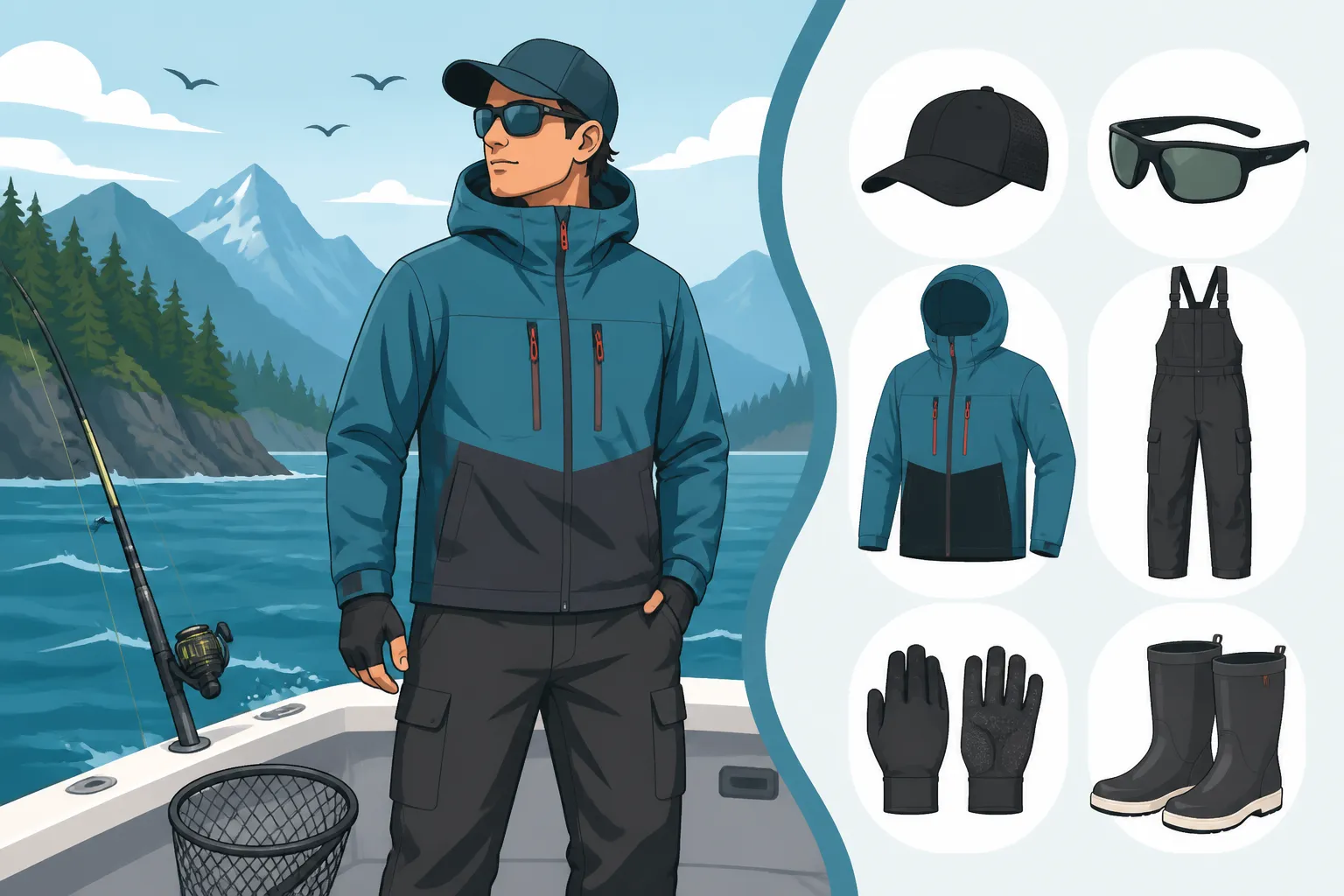
The final layer in your system is your outer shell, and it's your primary defense against the wind, rain, and sea spray that are common on BC waters. This layer needs to be both waterproof and windproof, protecting the insulating layers underneath from getting wet and losing their effectiveness. Look for jackets and pants made from high-performance waterproof-breathable fabrics like Gore-Tex or similar proprietary technologies.
"Water-resistant" is simply not enough for BC. You need full-on waterproof protection. Pay attention to features like taped seams, waterproof zippers, and an adjustable hood that can be cinched down tight. A good shell jacket will have a high collar to protect your neck and face from the wind. Waterproof pants are equally important, especially when sitting or kneeling on a wet deck, or if you encounter rain. The sea around Vancouver Island, for instance, can whip up quickly, and a quality outer shell will keep you dry and comfortable even if you're getting splashed constantly. This layer not only keeps water out but also stops chilling winds from penetrating your inner layers. Without a reliable outer shell, even the best base and mid-layers will eventually fail you.
Essential Gear for Your Comfort and Safety
Beyond the core layering system, there are several other critical pieces of gear that will significantly enhance your comfort and safety on a BC fishing charter. Thinking these through before you even step foot on the boat can make all the difference.
Waterproof Outerwear: Non-Negotiable Protection
Let's dive a bit deeper into this, as it's truly paramount. Your waterproof jacket and pants aren't just for rain; they're your armour against sea spray, accidental splashes, and even the slime from a fresh catch. A cheap rain jacket from a big box store might suffice for a quick dash to the car, but it won't stand up to hours of exposure on the open water. Look for outerwear specifically designed for marine or extreme outdoor use.
For jackets, features like a brimmed hood that offers good peripheral vision, adjustable cuffs (often with neoprene inner cuffs to prevent water ingress), and multiple sealed pockets are invaluable. Having a zipper that's easy to operate with cold or gloved hands is also a huge plus. For pants, look for high-waisted options that overlap significantly with your jacket, or even bib-style pants (often called "foul weather gear" or "bibs") for maximum protection. These prevent water from creeping in around your waist when you bend over or sit down. Getting soaked within the first hour of a charter near Tofino would absolutely put a damper on your halibut fishing experience, so invest wisely in this gear. Remember, while most charters supply life jackets, they don't typically supply personal waterproof gear, so it's all on you!
Headwear for All Conditions
Protecting your head is vital for regulating your body temperature and safeguarding against the elements. You'll likely want to bring two main types of headwear. First, a wide-brimmed sun hat or a baseball cap is crucial for sun protection. The sun's UV rays are intense on the water, amplified by reflection off the surface, even on seemingly cloudy days. A good sun hat protects your face, ears, and neck from sunburn, which can quickly ruin your trip.
Second, a warm hat, like a wool or fleece beanie, is essential for cooler temperatures, especially when the wind picks up. Your head loses a significant amount of heat, so keeping it covered will help keep your entire body warm. There’s nothing worse than a cold headache from a persistent sea breeze. Some anglers even prefer a neck gaiter or buff that can be pulled up over their ears and nose for extra protection against wind and sun. When you’re cruising along the coast or through a channel, even on a sunny day, the wind can be biting. Don't underestimate the comfort a simple beanie can provide when the temperature unexpectedly drops, which can happen often on a Best Time of Year to Fish in BC charter.
Sun Protection: Beyond the Forecast
Speaking of the sun, comprehensive sun protection goes beyond just a hat. The combination of direct sunlight and reflections off the water means you're getting a double dose of UV radiation. High-SPF sunscreen is a must for any exposed skin, including your face, neck, ears, and the back of your hands. Reapply it frequently, especially if you're sweating or getting splashed.
Polarized sunglasses are another absolute essential. They drastically reduce glare off the water, allowing you to see deeper into the water to spot fish or submerged structures. This can be a huge advantage for sight fishing, but more importantly, they protect your eyes from harmful UV rays and from stray hooks or lures that might be flying around. A good pair of sunglasses can prevent eye strain and fatigue, making your long day of fishing much more enjoyable. Don't forget lip balm with SPF to protect your lips from sun and windburn. A burnt lip is an uncomfortable affliction! Even if your charter is mostly about How to Catch Sturgeon on the Fraser River, where you're not typically "sight fishing," the sun protection is still vital.
Footwear and Handwear: Often Overlooked, Always Important
These two categories are surprisingly easy to overlook, yet they contribute immensely to your overall comfort, safety, and ability to effectively fish. Cold, wet feet or unprotected hands can turn a fantastic day into a miserable one.
Footwear: Sturdy, Waterproof, and Non-Slip
The ideal footwear for a BC fishing charter needs to check three crucial boxes: it must be sturdy, completely waterproof, and have excellent non-slip soles. Rubber boots (often called "deck boots" or "fishing boots") are a top choice for good reason. They keep your feet dry from splashes, rain, and general boat wetness. Their soles are typically designed for superior grip on slick, wet boat decks, preventing dangerous slips and falls.
Waterproof hiking boots can also work, provided they offer sufficient waterproofing (Gore-Tex or similar) and have aggressive, non-slip treads. Avoid regular sneakers or canvas shoes at all costs. They offer no waterproofing, poor grip on wet surfaces, and once soaked, your feet will be cold and uncomfortable for the rest of the day. A good pair of wool or synthetic blend socks worn with your waterproof boots will also help with moisture-wicking and insulation. Imagine reeling in a massive Chinook Salmon Fishing in BC on a slippery deck – you need to be sure-footed! Always opt for boots that come up high enough to offer good splash protection, especially when the boat is moving or the seas are choppy.
Gloves for Grip and Warmth
Your hands are your primary tools when fishing, and protecting them is paramount. Gloves serve multiple purposes on a fishing charter. Firstly, they provide warmth. On cooler days or when the wind is cutting across the water, cold hands can become stiff and painful, making it difficult to tie knots, handle tackle, or even hold your rod. Waterproof gloves are especially beneficial if rain or heavy spray is expected.
Secondly, gloves offer protection. They shield your hands from cuts and abrasions from fishing line, sharp fins, or hooks. They also provide better grip on wet rods and reels, preventing slippage, especially when battling a strong fish. Many anglers prefer fingerless gloves, or gloves with fold-back fingertips, for increased dexterity when performing intricate tasks like baiting hooks or tying knots. For colder conditions, a pair of full-finger waterproof fishing gloves can be a lifesaver. On a typical What to Expect on a BC Fishing Charter, your hands will be busy, so keeping them warm and protected is key.
Other Important Considerations for Your Kit
While we've covered the main clothing aspects, a few other items are critical for a truly successful and comfortable BC fishing charter experience. These are the small details that often get overlooked but can make a huge difference.
Packing a Dry Bag: Your Savvy Move
Even with all your waterproof outerwear, there are some items you absolutely cannot afford to get wet. This is where a reliable dry bag comes into play. A waterproof roll-top dry bag, available in various sizes, is an invaluable piece of gear for any boat trip.
Use it to store your spare set of clothes (because, let's face it, accidents happen and you might get soaked!), your wallet, keys, phone, camera, and any other electronics. Some anglers even keep their snacks and lunch in a smaller dry bag or a waterproof cooler. Knowing that your essentials are safe and dry provides immense peace of mind, allowing you to fully immerse yourself in the fishing experience without worrying about water damage. Many reputable charter operators you might find on FishingBooker will suggest bringing one.
Personal Items and Medications
While a good charter will have basic first-aid supplies, it's always wise to bring your own small personal kit. This might include any prescription medications you need, motion sickness remedies (even if you've never been seasick, BC's coastal waters can be unpredictable), pain relievers, and any personal hygiene items.
Bring plenty of water to stay hydrated throughout the day, as well as snacks to keep your energy up. Fishing is surprisingly physically demanding! Some people like to bring a small towel for wiping hands, and hand sanitizer. If you plan on keeping your catch, bring a cooler with ice to leave in your vehicle, ready for the end of the trip. Check out What to Bring on a BC Fishing Charter for more detailed packing lists.
A Quick Checklist for Your BC Fishing Charter Attire
To make things easy, here's a quick reference table summarizing what to wear for different conditions on a BC fishing charter. Remember, this is a guideline – always check the forecast and adjust accordingly.
| Layer Type | Item Description | Why It's Essential | Material Examples |
|---|---|---|---|
| Base Layer | Long-sleeve shirt, long underwear bottoms | Wicks moisture, keeps you dry and warm | Merino Wool, Synthetic |
| Mid Layer | Fleece jacket/vest, synthetic puffy jacket | Provides insulation and warmth | Fleece, Synthetic Down |
| Outer Layer | Waterproof & windproof jacket, waterproof pants | Protects against rain, spray, and wind | Gore-Tex, other waterproof- |
| breathable fabrics | |||
| Headwear | Sun hat/cap, warm beanie/tuque, neck gaiter | Sun protection, warmth, wind protection | Cotton/synthetic, Wool/fleece |
| Footwear | Waterproof boots (deck boots, hiking boots), warm socks | Keeps feet dry, non-slip grip on wet decks, warmth | Rubber, Waterproof leather/ |
| synthetic, Wool/synthetic socks | |||
| Handwear | Fishing gloves (fingerless/full-finger) | Warmth, grip, protection from line/hooks | Neoprene, Fleece, Synthetic |
| Eyewear | Polarized sunglasses | Reduces glare, protects eyes from UV and physical hazards | Polarized lenses |
| Extras | Sunscreen (high SPF), lip balm with SPF | Prevents sunburn, chapped lips | Zinc oxide, Titanium dioxide |
| Dry Bag | Keeps electronics, spare clothes dry | PVC, Nylon |
Being prepared with the right attire is not just about comfort; it's about safety and ensuring you get the most out of your incredible British Columbia fishing adventure. Don't let improper gear detract from the magic of the wild Pacific or the tranquility of an interior lake.
Disclaimer
This article is for general informational purposes only and does not constitute professional advice. Laws, prices and regulations vary by location and change over time. Consult a qualified professional for guidance on your specific situation.