What Gear a BC Charter Provides
One of the biggest questions I hear from fellow anglers, especially those new to charter fishing in British Columbia, is "What do I actually need to bring, and what will the charter provide?" It's a valid concern – you don't want to show up over-packed with redundant gear, nor do you want to be caught unprepared. This guide is here to unravel the mystery, detailing exactly what gear a typical BC fishing charter includes, from rods and reels to safety equipment and creature comforts, so you can focus on the thrilling experience of reeling in that trophy catch.
The Essentials: Rods, Reels, and Terminal Tackle
When you book a fishing charter in British Columbia, you're essentially buying into an all-inclusive experience when it comes to the actual fishing equipment. The guides are professionals who have invested heavily in top-tier gear, specifically matched to the waters and the target species, ensuring you have the best chance for success. This means you don't need to haul your prized rod and reel combo all the way from home!
Standard Fishing Rods and Reels
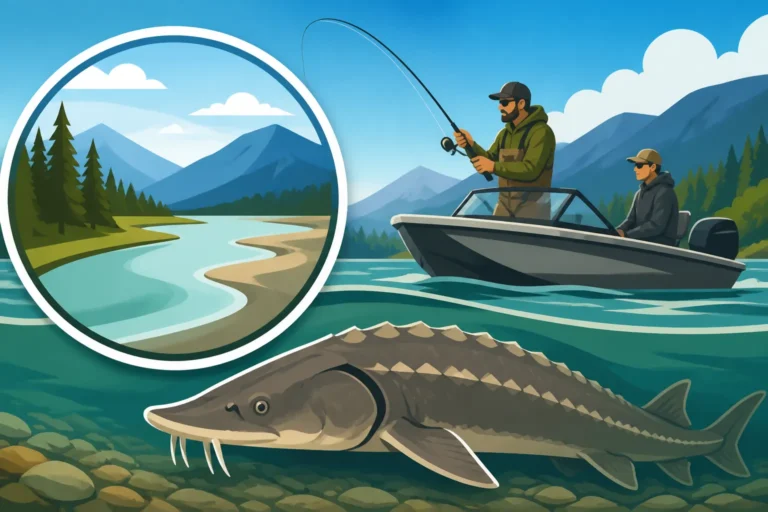
Every reputable BC fishing charter will provide a full complement of rods and reels. These aren't just any old setups; they're often high-quality, robust outfits designed to handle the powerful fish found in BC's waters, whether you're targeting fierce salmon or massive sturgeon. For saltwater charters, especially those pursuing salmon or halibut off Vancouver Island, you'll find sturdy trolling rods paired with reliable conventional reels, often spooled with braided line for strength and sensitivity. These setups are specifically chosen for their ability to withstand the strain of deep-sea fishing and the brute force of a charging Chinook. On the freshwater side, for example, if you're chasing sturgeon on the Fraser River, your guide will have heavy-duty rods that look more like broomsticks, paired with enormous conventional reels, capable of landing a fish that can easily outweigh you. They understand the nuances of the local fisheries, choosing lengths, actions, and power ratings that maximize your fighting advantage and the fish's safety.
The condition of the gear is also something you can generally count on. Charter operators perform regular maintenance on their equipment, ensuring smooth drags, sharp hooks, and clean lines. This investment in quality gear is a significant part of the value a charter provides, removing the financial burden and logistical headache for the recreational angler. Instead of worrying if your reel's drag can handle a 30-pound spring salmon, you can trust that your guide's equipment is up to the task.
Essential Terminal Tackle and Bait
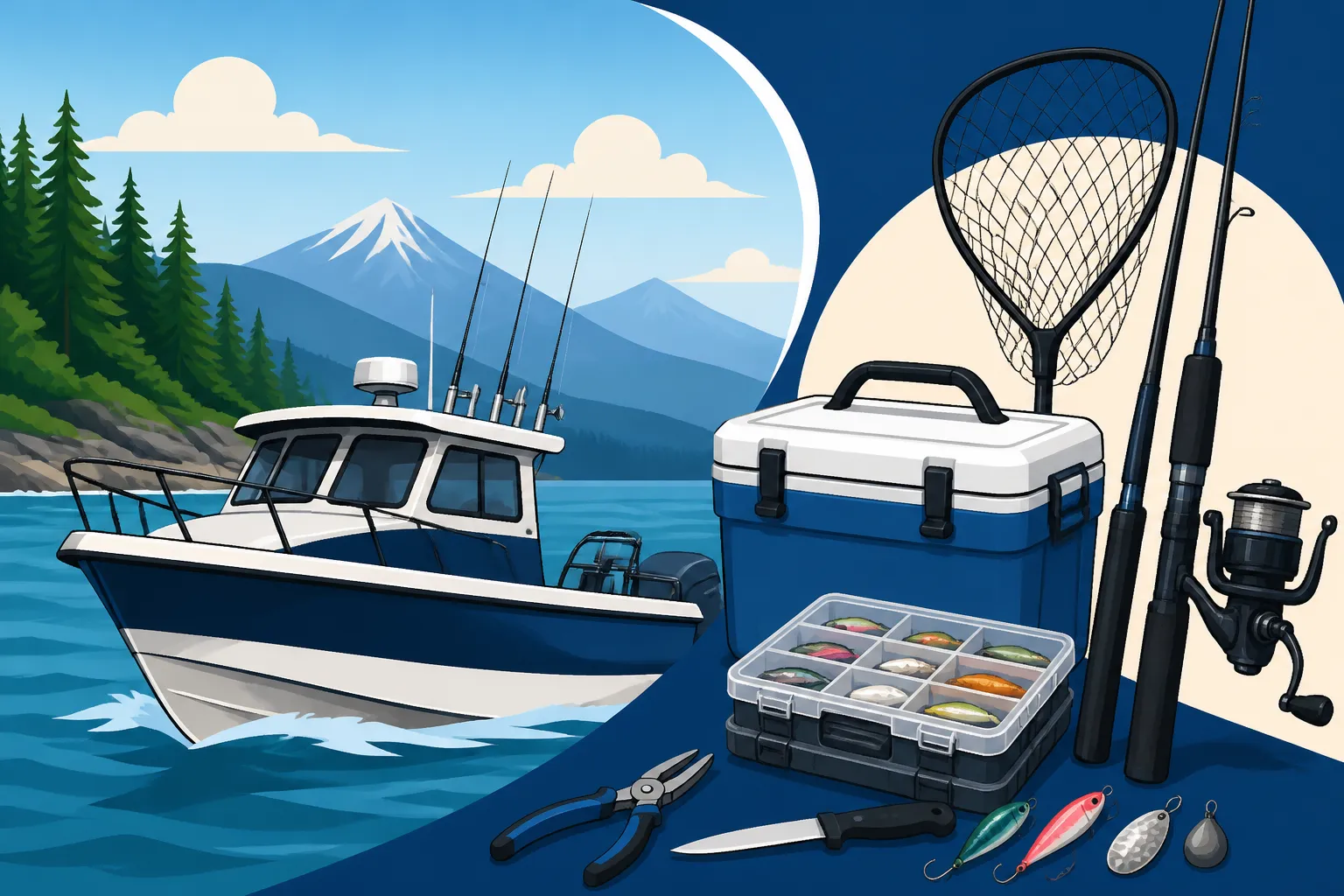
Beyond the rods and reels, charters also supply all the necessary terminal tackle – think hooks, leaders, swivels, weights, and lures. This is where the guide's expertise truly shines. They know exactly what baits and lures are working on any given day, in specific conditions, and for particular species. For instance, if you're salmon fishing, they'll have a selection of spoons, hootchies, and flashers in various colours and sizes, ready to deploy. They'll also provide fresh bait, like herring or anchovies, perfectly rigged for the target species. You won't need to spend hours at the tackle shop guessing which lure to buy or trying to find the freshest bait.
For freshwater pursuits, like sturgeon fishing on the Fraser, the bait provided will be specifically chosen for its effectiveness. This often includes various types of coarse fish, roe, or other natural attractants that sturgeon simply can't resist. Similarly, if you're on an interior lake chasing trout, the guide will have the right fly patterns or trolling gear that has proven successful for those particular waters. This local knowledge and readily available, appropriate tackle saves you time, money, and frustration, allowing you to focus purely on the fishing experience. You can even find and compare these types of services on platforms like FishingBooker, which often detail the included gear.
Specialized Gear for Target Species
British Columbia boasts an incredible diversity of fish, and charter operators specialize in specific fisheries. This specialization means they have unique, often expensive, gear tailored for those targets. For a halibut charter off the West Coast of Vancouver Island, you'll be using heavy-duty electric reels for deep-water jigging or large conventional setups for drifting large baits. These require robust rods and powerful reels designed to lift a barn-door halibut from hundreds of feet down. The jigs themselves can be enormous, often weighing over a pound, and the bait might be whole salmon heads or large pieces of octopus.
Similarly, fly fishing for steelhead on one of BC's renowned rivers like the Skeena or Thompson requires specialized two-handed Spey rods, specific fly lines, and an array of intricate fly patterns. Guides for these trips will have a selection of rods, often from different manufacturers, to match various casting styles and river conditions. They'll carry dozens of fly patterns – streamers, intruders, weighted nymphs – all tied with precision and selected based on water clarity, temperature, and insect hatches. This highly specialized gear, which would be a significant personal investment, is all part of the charter package, ensuring you're armed with the right tools for the job. Remember, understanding what you're targeting helps you understand the specific gear that will be provided, and guides are always happy to explain. BC Steelhead Season Dates are a good example of when specialized gear really comes into play.
Safety First: Essential Onboard Equipment
Beyond the fishing gear, safety is paramount on any professional fishing charter in British Columbia. Reputable charter operators adhere to strict Transport Canada regulations, meaning their vessels are equipped with a comprehensive array of safety equipment, often far beyond what a recreational boater might carry. This commitment to safety should always be a top priority when choosing a charter.
Life Jackets and Personal Flotation Devices (PFDs)
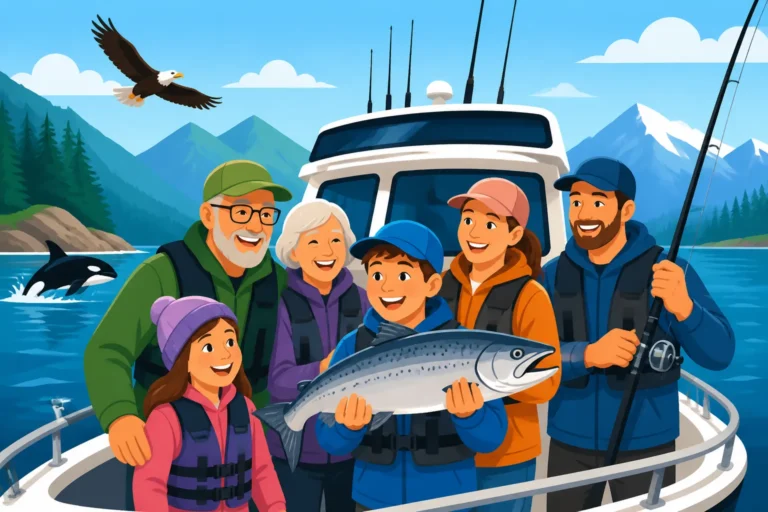
Without exception, every licensed BC fishing charter boat will provide approved life jackets or Personal Flotation Devices (PFDs) for every passenger on board, including children. These PFDs come in various sizes to ensure a proper fit for everyone. While you might prefer your own specific model for comfort, you are not required to bring one. The charter's PFDs are regularly inspected and maintained to ensure they are in good working order and meet all regulatory standards.
For offshore trips, especially in rougher coastal waters, you might find more advanced PFDs, sometimes inflatable vests that offer less bulk for active fishing. The skipper will typically provide a safety briefing at the start of the trip, explaining where the PFDs are located, how to properly wear them, and what to do in case of an emergency. This peace of mind, knowing that professional-grade safety equipment is readily available and properly maintained, is a crucial part of the charter experience. Life Jacket Requirements for BC Boaters are strict, and charters comply fully.
First Aid and Emergency Gear
Every commercial fishing charter in BC is mandated to carry a comprehensive marine first aid kit, far more extensive than what you'd find in a typical home. These kits are stocked to handle a wide range of potential injuries, from minor cuts and scrapes to more serious medical emergencies. Charter captains are also required to have marine first aid training, meaning they are certified to administer immediate care should the need arise.
In addition to first aid, charters are equipped with a suite of emergency gear. This includes flares, signaling devices, fire extinguishers, emergency oars or auxiliary propulsion, and often an emergency position-indicating radio beacon (EPIRB) or a personal locator beacon (PLB) for offshore vessels. Many larger vessels will also have a life raft. This extensive array of emergency equipment is a testament to the captain's responsibility for passenger safety, ensuring that in the unlikely event of a serious incident, they have the tools and training to manage the situation effectively. Booking through a service like FishingBooker can often provide insights into the safety certifications of various charters.
Navigation and Communication Tools
Modern BC fishing charters are veritable floating command centers when it comes to navigation and communication. Every vessel will be equipped with marine-grade GPS systems, often multi-function displays that integrate sonar, radar, and charting capabilities. These advanced electronics allow the captain to navigate safely through complex waterways, locate prime fishing grounds, and monitor weather patterns. They'll be able to pinpoint exactly where you are, track depth contours, and identify fish schools or underwater structure, significantly enhancing your fishing success and safety.
Communication is equally critical. Charters are required to carry marine VHF radios, ensuring constant contact with other vessels, Coast Guard, and shore stations. Many larger or offshore boats will also have satellite phones or other satellite communication devices for areas outside VHF range. This robust communication setup means that assistance is always within reach if needed, and the captain can stay informed about changing weather conditions or BC Fishery Notices and In-Season Closures. You can rest assured that your captain is not relying on a smartphone for navigation in remote areas; they are using professional-grade equipment designed for the marine environment.
Comfort and Convenience: What Else to Expect
While fishing is the main event, a good BC charter goes beyond just rods and reels and safety gear. They also strive to make your day on the water as comfortable and enjoyable as possible, offering various amenities and services that enhance the overall experience.
Weather Protection and Onboard Amenities
British Columbia's weather can be notoriously unpredictable, even on a summer day. That's why most reputable charters will offer some form of weather protection. This often means a covered and enclosed cabin, providing shelter from rain, wind, or excessive sun. Many larger charter boats, especially those designed for offshore or multi-day trips, will feature heated cabins, keeping you warm and dry even on cooler days. Some might even have a small galley with a stove or microwave.
In terms of other onboard amenities, don't be surprised to find comfortable seating, storage space for your personal bags, and often a marine head (toilet) – a definite bonus for longer trips! These comforts make a significant difference, especially if you're out on the water for many hours. Imagine chasing salmon in a light drizzle but being able to retreat to a warm, dry cabin for a quick break and a hot coffee. These seemingly small details contribute immensely to a pleasant and memorable fishing adventure. When researching options, checking a platform like FishingBooker can often give you details on specific boat amenities.
Fish Care and Cleaning Facilities
One of the best parts about a successful fishing trip is taking home your fresh catch. BC charters are typically well-prepared for this. Guides will have coolers filled with ice to properly bleed and store your fish immediately after they are caught. This quick and proper handling is crucial for maintaining the quality and flavour of your fish. They understand the importance of getting the fish on ice quickly to preserve that "fresh from the ocean" taste.
Once back at the dock, most charters offer a fish cleaning and filleting service, often included in the price or for a small additional fee. This is a huge convenience! Instead of having to clean and fillet a boatload of fish yourself, the experienced crew will quickly and expertly process your catch, preparing it for transport. They'll often bag and label your fillets, making it easy for you to take them home or to a local processor for smoking or freezing. This service saves you time and effort and ensures your fish are handled hygienically and efficiently.
Food, Drinks, and Other Personal Items
While a few high-end, all-inclusive lodge packages might provide meals, most standard BC fishing charters do not include food and drinks as part of the base price. It's generally expected that you'll bring your own snacks, sandwiches, and beverages for the day. However, many charters will have a cooler with ice available where you can store your items. Some might even offer bottled water or a hot coffee from a thermos in the morning, but don't count on it – it's always best to come prepared with your own provisions.
It's also a good idea to bring a small, soft-sided cooler for your personal drinks and snacks, keeping in mind space limitations on the boat. Discussing these details with your charter captain before your trip is always a good idea, as they can provide specific recommendations based on the length of your outing and the amenities on their particular vessel. This is an important distinction to clarify before you head out, so there are no surprises.
What You're Expected to Bring: Your Contribution to a Great Day
Even with all the fantastic gear and services provided by a BC fishing charter, there are still a few essential items you'll need to bring yourself. These are primarily personal items that ensure your comfort, legal compliance, and enjoyment.
Personal Fishing License and Stamps
This is arguably the most critical item you must bring. In British Columbia, every angler needs a valid fishing license. This includes both a basic freshwater or tidal waters license, and often additional stamps depending on what you plan to catch. For example, if you're fishing for salmon in either fresh or tidal waters, you'll need a BC Salmon Conservation Stamp Rules. If you're targeting steelhead in freshwater, a BC Steelhead Conservation Surcharge Stamp is typically required. Your charter guide will absolutely remind you of this, but it's your responsibility to purchase them beforehand.
You can easily purchase these licenses online through the BC government's website. It's crucial to have either a printed copy or a digital version on your phone readily available for inspection by a fishery officer. Fishing without the proper license and stamps can result in significant fines and penalties, and no charter wants to see your trip cut short because of a preventable oversight. Guides often check that you have these before you even leave the dock. How to Buy a BC Fishing License Online is a straightforward process, so make sure it's done well in advance.
Appropriate Clothing and Footwear
As mentioned, BC weather can be changeable, so dressing in layers is always the best strategy. Even on a sunny day, it can be significantly cooler on the water, especially at higher speeds or in the morning. Here's a breakdown of what to consider:
- Base Layers: Moisture-wicking materials are excellent, even in cooler weather, as they keep you dry.
- Mid-Layers: Fleece or wool sweaters provide warmth.
- Outer Layers: A waterproof and windproof jacket and pants are highly recommended. Even if it's not raining, sea spray can make you wet and cold quickly.
- Footwear: Waterproof, non-slip boots or shoes are essential. The deck of a boat can get wet and slippery, and you'll want good traction. Avoid open-toed shoes or sandals.
- Headwear: A warm hat (beanie) for cooler weather and a wide-brimmed hat or cap for sun protection are both good ideas.
- Gloves: Consider bringing fishing gloves for sun protection, grip, and warmth.
Don't underestimate the importance of staying dry and warm. A cold, wet angler is rarely a happy angler, and it can truly detract from the enjoyment of your trip.
Personal Snacks, Drinks, and Sun Protection
While the charter provides the fishing tools, your personal fuel and protection from the elements are up to you. Pack enough snacks and drinks to last the duration of your trip. Energy bars, sandwiches, fruit, and plenty of water are always a good idea. Dehydration can creep up on you, even on a cool day, and especially with the reflective glare off the water.
Sun protection is also non-negotiable. Even on cloudy days, UV rays can be intense on the water. Bring:
- Sunscreen: High SPF, waterproof sunscreen for exposed skin.
- Sunglasses: Polarized sunglasses are highly recommended. They not only protect your eyes but also help cut glare off the water, allowing you to see deeper and spot fish or structure more easily.
- Lip Balm: With SPF, to protect your lips from sun and wind.
These small additions make a huge difference in your comfort and ability to stay focused on the fishing.
Cameras and Personal Belongings
Of course, you'll want to capture those memories! A waterproof camera or a phone with a protective case is ideal for snapping photos of your catch and the stunning BC scenery. Just be mindful of keeping electronics safe and dry on a boat; splashes and bumps are inevitable. Many charters also offer to take photos for you, knowing the best angles and how to handle the fish safely for a quick picture before release.
Beyond that, consider a small, easily accessible bag for your essentials like car keys, wallet, phone, and any personal medications. Keep these items secure and protected from water. Most charter boats have limited space, so try to keep your personal belongings compact and organized. Remember, the focus should be on the fishing, so bring only what you truly need and can keep safe.
Why Charters Provide So Much Gear: The Value Proposition
It might seem like a lot for a charter to provide, but there are excellent reasons behind their extensive offerings. It's not just about convenience; it's about ensuring a safe, legal, successful, and ultimately, a memorable experience for every client. The investment in gear and expertise is what truly defines a professional guided fishing trip.
Ensuring Compliance and Safety
One of the primary reasons charters provide all fishing and safety gear is to meet strict regulatory requirements. As discussed, commercial marine vessels in British Columbia, and indeed across Canada, are subject to stringent Transport Canada regulations regarding safety equipment. This includes everything from the number and type of PFDs to fire suppression systems, communication devices, and first aid kits. By providing this, the charter ensures full compliance with the law, protecting both the passengers and the business.
Furthermore, providing specialized fishing gear ensures that anglers are using legal and appropriate tackle for the specific fishery. BC Fishing Regulations Explained are complex, with rules varying by species, location, and season. Charters ensure that hooks are barbless where required, that lead weights comply with environmental regulations, and that all gear meets the standards for responsible angling. This takes the burden of knowing every nuance of the regulations off the individual angler, allowing them to fish confidently and legally under the guide's supervision.
Optimizing for Success and Experience
A charter's reputation hinges on its ability to put clients on fish and provide a fantastic experience. By supplying all the necessary fishing gear, guides can optimize every aspect of the trip for success. They have invested in high-quality, durable equipment that can withstand the rigours of daily charter use and the power of trophy fish. More importantly, they have the right gear. This includes a diverse selection of rods, reels, lines, lures, and bait, allowing them to adapt quickly to changing conditions, fish behaviour, or new regulations.
Imagine trying to select the perfect jig for halibut at 400 feet, or the precise fly pattern for a picky steelhead, without local knowledge. A charter captain makes these decisions for you, drawing on years of experience on those specific waters. Their intimate understanding of the local ecosystem, migratory patterns, and fish habits, combined with their specialized equipment, drastically increases your chances of a successful catch. This optimization means less guesswork for you and more time with a bent rod. It's part of the comprehensive service you expect when you book with a professional.
The Value Proposition of a Guided Trip
Ultimately, the extensive gear provided by a BC fishing charter is a key component of its overall value proposition. For many anglers, especially those visiting from out of province or who don't own specialized offshore or heavy-duty freshwater gear, a charter makes these experiences accessible. Instead of spending thousands on equipment you might only use once or twice, you can pay a charter fee and have access to everything you need, along with the invaluable expertise of a seasoned guide.
The convenience of not having to pack bulky fishing rods, reels, and tackle, especially when flying, is a huge benefit. You simply show up with your personal essentials, and the rest is taken care of. This seamless, hassle-free experience allows you to fully immerse yourself in the beauty of British Columbia's waters and the thrill of the chase, without the logistical headaches. It's an investment in a professional, productive, and memorable adventure, and services like FishingBooker help highlight these included features when you're comparing different options.
Here's a quick summary of what you can expect:
| Category | Typically Provided by BC Charter | What Anglers Should Bring |
|---|---|---|
| Fishing Gear | Rods, reels, line | None (unless for personal preference, check with charter) |
| All terminal tackle (hooks, leaders, weights, swivels) | None | |
| Lures, flies, bait (specific to target species and conditions) | None | |
| Safety Gear | Life jackets/PFDs (all sizes) | None (unless personal preference, ensure it's approved) |
| Marine first aid kit, emergency flares, signaling devices | Personal medications, any specific medical supplies | |
| GPS, radar, VHF radio, satellite communication (on larger boats) | None | |
| Onboard Comfort | Covered/heated cabin (on most boats) | Layered clothing, waterproof outerwear |
| Marine toilet (on most boats) | None | |
| Cooler with ice for fish storage | Small personal cooler for snacks/drinks | |
| Fish Handling | Fish bleeding, gutting, storage on ice | None |
| Fish cleaning/filleting service (often included or small fee) | Zip-lock bags or small cooler for processed fillets | |
| Personal Items | None | Valid BC fishing license & required stamps (salmon, steelhead, etc.) |
| None | Snacks, drinks, water | |
| None | Sunscreen, lip balm, polarized sunglasses, hat | |
| None | Waterproof, non-slip footwear | |
| None | Camera (waterproof suggested), personal belongings |
Disclaimer
This article is for general informational purposes only and does not constitute professional advice. Laws, prices and regulations vary by location and change over time. Consult a qualified professional for guidance on your specific situation.