What to do if you catch an invasive fish species in BC
There’s nothing quite like a day out fishing in beautiful British Columbia, reeling in a catch you’ve worked hard for. But what happens when that catch isn’t quite what you expected? Finding an unfamiliar fish at the end of your line can be confusing, and even a little unsettling, especially with all the talk about invasive species. This guide is here to walk you through exactly what to do if you encounter an unwelcome fish in BC waters, ensuring you act responsibly and help protect our precious ecosystems.
Why Invasive Species are a Big Deal in BC Waters
When we talk about invasive species, it's not just a catchy term; it's a serious environmental issue that can have devastating consequences for the natural balance of our lakes, rivers, and coastal waters. Imagine a vibrant, healthy ecosystem, perfectly adapted over millennia, suddenly facing a new, aggressive competitor. That's essentially what happens when an invasive species takes hold, and it can disrupt everything from food chains to water quality.
Understanding the Threat: Ecological and Economic Impacts
The ripple effects of invasive fish species are truly far-reaching. Ecologically, they can outcompete native fish for food and habitat, sometimes even preying directly on vulnerable indigenous populations. This can lead to a decline in native species, threatening local biodiversity and, in severe cases, driving some species towards endangerment. They can also introduce diseases or parasites that native fish have no natural immunity to, causing widespread illness and death. Think about how a new flu strain can sweep through a population; it's similar, but with fins. Beyond the direct competition, some invasive species can degrade aquatic habitats, perhaps by stirring up sediment and clouding the water, or by altering plant life, making it harder for native fish to spawn or find shelter. It's a complex web of interactions, and a single invasive species can tug at many threads.
From an economic standpoint, the impact can be just as significant. Commercial and recreational fisheries, which are vital to many BC communities, can suffer greatly if invasive species reduce the populations of commercially valuable fish like salmon or trout. Tourism can also take a hit if famous fishing spots become less productive or if the natural beauty of an area is compromised. Moreover, there's a huge cost associated with managing and trying to eradicate invasive species, with millions of dollars often spent on prevention, monitoring, and control efforts. It’s a burden that ultimately falls on taxpayers and resource managers. Protecting our native fish is not just about environmental stewardship; it's about preserving a way of life and an economic engine for the province.
Common Invasive Fish Species in British Columbia
British Columbia, with its diverse aquatic environments, is unfortunately susceptible to a variety of non-native fish species. While many lakes and rivers boast healthy populations of native species, there are specific areas where invasives have established themselves. For instance, the Common Carp, often found in slower moving, warmer waters, can significantly degrade habitat by uprooting vegetation and increasing water turbidity, which negatively impacts native fish and aquatic plants. They’re a real problem in certain sloughs and lower river systems. Common Carp size and habits in BC lakes goes into more detail about these bottom-feeding behemoths.
Then there’s the Smallmouth Bass. While a popular sport fish in some regions, in BC they are considered an invasive species in areas where they are not historically found, particularly in the Okanagan region. They are aggressive predators that can decimate native fish populations, especially juvenile salmonids and kokanee, by competing for food and consuming young fish. It's a tough pill for some anglers to swallow, as they put up a good fight, but their presence can be truly damaging. You can learn more about their specific impact in Are Smallmouth Bass Invasive in BC?. Certain non-native trout species, like Eastern Brook Trout, while beautiful, can also outcompete native trout and char in some high-elevation lakes and streams where they've been introduced. Even seemingly innocuous species like feral Goldfish, often released from home aquariums, can grow to surprisingly large sizes and disrupt ecosystems in ponds and slower-moving waters. Understanding the specific regulations and concerns for your chosen fishing spot is crucial, and the BC Fishing Regulations Explained can offer a broader understanding.
It’s important to remember that the classification of a fish as "invasive" often depends on its location. A fish that is native to one part of BC might be considered invasive if introduced to another watershed where it doesn't naturally occur. This is why vigilance and proper identification are key for every angler.
Immediate Steps When You Catch an Invasive Fish
Alright, so you’ve got a fish on the line, and something just doesn’t look right. Your gut tells you it might be one of those unwelcome guests. Don't panic, but do take action quickly and decisively. Your response in those crucial moments can make a real difference in preventing further spread and protecting our native fisheries.
Identification: Knowing What You've Got
The first and most critical step is positive identification. Before you do anything else, try to determine what species you've actually caught. Sometimes, a native fish can look a little different than expected, or a younger fish might not have all the distinguishing marks of an adult. Misidentification can lead to unnecessary culling or, worse, the accidental release of an actual invasive species.
Here’s how to approach it:
- Take Clear Photos: If you have a phone or camera, snap a few clear pictures from different angles. Get shots of the whole fish, its fins, mouth, and any unique markings. These photos will be invaluable for confirming its identity later, especially if you're uncertain. Consider a waterproof phone case for your device; you can find reliable options on Amazon that protect your tech while you're out on the water.
- Consult a Field Guide: Keep a regional fish identification guide handy. Many anglers carry a laminated, waterproof version you can even clip to your vest. These guides are specifically designed for the fish in your area and can help you compare features on the spot. You might even find some excellent, compact guides available on Amazon before your next trip.
- Look for Key Features: Pay attention to fin placement, body shape, mouth size, coloration patterns, and any barbels or spots. For instance, Common Carp have distinct barbels around their mouth, while Smallmouth Bass have a mouth that extends to about the middle of the eye. If you’re fishing for trout, knowing the difference between Native trout species found in BC and any introduced populations, or understanding Difference between wild and stocked trout in BC, is really helpful.
- Don't Release If Unsure: This is paramount. If there is any doubt in your mind that the fish might be an invasive species, do not release it. It's always better to err on the side of caution. An accidental release could undo years of conservation efforts.
It's natural to feel a bit out of your depth when faced with an unknown catch, but taking these steps gives you the power to make an informed and responsible decision.
Containment and Euthanasia: Preventing Further Spread
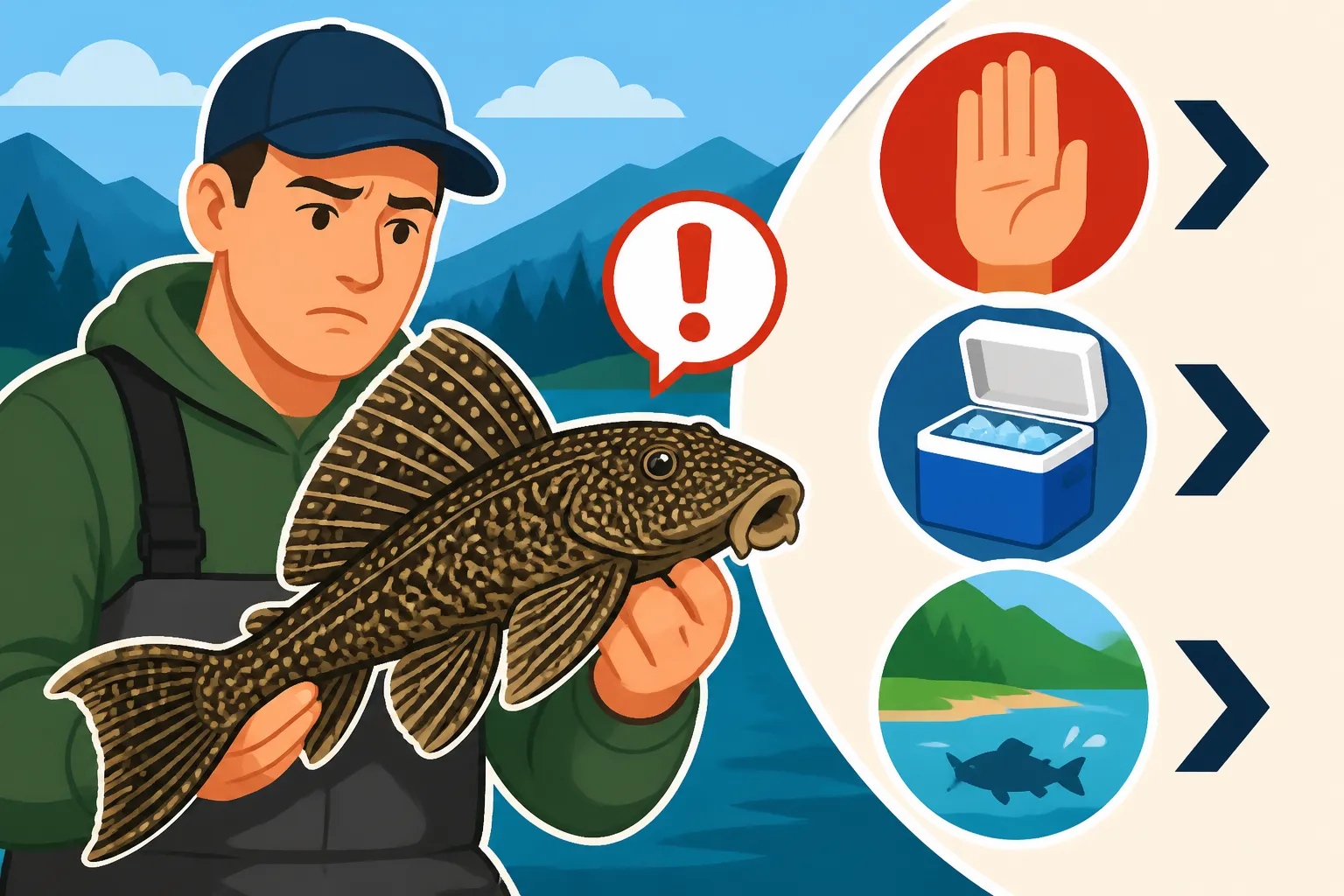
Once you've confidently identified the fish as an invasive species, the next step, as tough as it sounds, is critical: do not release it back into the water. Releasing it, even if it's just a short distance away, can allow it to continue to breed and spread, undoing all the good intentions of identification.
Here’s how to handle the situation responsibly:
- Euthanasia: The most humane method is typically a swift, blunt force blow to the head, often done with a priest (a small, heavy club designed for dispatching fish) or any suitable blunt object. Aim for the top of the head, directly above the eyes, to ensure a quick and painless end. Another method, if you are skilled, is Iki Jime, which involves piercing the brain to instantly cease brain function. The goal is to cause immediate unconsciousness and death. This might feel uncomfortable or even harsh for some, especially if you usually practice catch-and-release, but it’s a necessary step to protect native ecosystems from harm.
- Containment: After dispatching the fish, place it in a sealed bag or container. This prevents any eggs, larvae, or parasites from re-entering the water body. You don't want to accidentally spread anything further while moving the fish.
- Proper Disposal: Take the bagged fish away from the water. Do not dispose of it in the water, on the shore, or in nearby bushes, as scavenging animals could potentially move it, or its remains could still pose a risk. The best practice is to dispose of it in a secure garbage receptacle that will go to a landfill. If you’re in a remote area, packing it out and disposing of it properly back in civilization is your responsibility.
This process can be a stark reminder of the serious nature of invasive species. It’s not just about what you catch; it’s about what you do with it. Your actions prevent a potentially larger ecological catastrophe.
Reporting the Sighting: Your Role in Conservation
Catching and properly disposing of an invasive fish is a huge step, but your job isn't quite done. Reporting your sighting is absolutely crucial for conservation efforts. You, the angler, are often the first line of defense, the eyes and ears on the ground (or water!). Your report helps scientists and resource managers track the spread of these species, identify new incursions, and develop strategies to control or eradicate them.
- Who to Contact: In British Columbia, the primary channels for reporting invasive species sightings are through the provincial government's reporting tools. The BC Ministry of Forests, Lands, Natural Resource Operations and Rural Development is often the lead agency. You can typically find a dedicated invasive species hotline or an online reporting form on their website. Another excellent resource is the iNaturalist app or website, where you can upload photos and observations, and a community of scientists and enthusiasts can help confirm the identification. This digital tool is becoming increasingly popular and effective.
- What Information to Provide: The more detail you can offer, the more valuable your report will be.
- Species Identification: Clearly state what you believe the species is, along with those photos you took.
- Exact Location: Provide precise coordinates if possible, or a detailed description (e.g., "south end of Okanagan Lake, near the public boat launch," or "2 km upstream from the Hwy 1 bridge on the Fraser River near Hope").
- Date and Time: When did you catch it?
- Number of Individuals: Did you catch just one, or did you observe more?
- Your Contact Information: This allows researchers to follow up if they need more details.
- Why Your Report Matters: Each report adds a piece to the puzzle of invasive species management. It helps create a clearer picture of where these species are, how fast they’re spreading, and which areas are most vulnerable. This information guides decisions on targeted control efforts, informs public awareness campaigns, and helps protect our beloved native fish species. Without angler reports, many invasive populations might go unnoticed until it's much harder, or even impossible, to manage them. Staying informed through resources like BC Fishery Notices and In-Season Closures, Explained can also keep you updated on specific concerns in different areas.
Your effort, from the moment of the catch to the final report, is a vital contribution to keeping BC's waters healthy and thriving for future generations of anglers.
Beyond the Catch: Preventing the Spread of Invasive Species
Catching an invasive fish and knowing what to do is an essential skill, but it's equally important to adopt proactive measures to prevent their spread in the first place. Every angler has a role to play, and incorporating a few simple habits into your routine can make a massive difference. Think of it as being a good steward of the waters we all love.
Clean, Drain, Dry: Best Practices for Anglers
This mantra is the cornerstone of preventing the spread of aquatic invasive species. Many invasive organisms – not just fish, but also plants, mussels, and microscopic larvae – can hitch a ride on your equipment, boat, or waders from one water body to another.
Here’s a breakdown of the "Clean, Drain, Dry" process:
- Clean: Before leaving any water body, thoroughly inspect and remove all visible mud, plants, and aquatic organisms from your boat, trailer, motor, fishing gear (especially nets and lines), and waders. Pay extra attention to hard-to-reach crevices, anchors, and any standing water in your vessel. You might find a good, stiff scrub brush or a pressure washer on Amazon to make this task easier and more efficient. For soft items like waders, a simple hose down and scrub can be enough.
- Drain: Completely drain all water from your boat's bilge, live wells, bait buckets, and any other water-holding compartments. Pull your drain plug when you remove your boat from the water and leave it out during transport. For kayaks and canoes, tip them over to ensure all water drains out. Even a small amount of water can contain microscopic invaders. Remember that BC Boating Laws for Anglers often includes guidelines related to environmental protection and clean boating practices.
- Dry: This is perhaps the most effective step. Allow all your equipment, especially your boat and gear, to completely dry before using it in a different body of water. A minimum of 48 hours is often recommended, but longer is better if conditions are cool or humid. If you have waders or boots that absorb water, ensure they are bone dry. Consider getting a portable gear dryer or a drying rack, readily available on Amazon, to speed up this process for your boots and waders, especially if you fish frequently. Sunlight and heat are excellent disinfectants.
By consistently following these steps, you’re not just being compliant; you’re actively safeguarding the integrity of BC’s diverse aquatic ecosystems. It’s a small effort with a huge payoff for conservation.
"Don't Let it Loose": Understanding Your Responsibility
Many aquatic invasive species found in BC waters didn't arrive on their own; they were introduced by well-meaning but ultimately misinformed individuals. This often happens with aquarium pets or unused bait. It’s a common misconception that releasing a pet fish into a local pond or river is a humane act – in reality, it can be a death sentence for native species and a life sentence of ecological disruption.
- Aquarium Pets: That goldfish or tropical fish might seem small and harmless, but once released into a new environment, it can grow to an enormous size, outcompete native fish for food, introduce diseases, and disturb natural habitats. If you can no longer care for an aquarium pet, never release it. Instead, try to rehome it with another enthusiast, donate it to a pet store or school, or as a last resort, humanely euthanize it at home.
- Unused Bait: Live bait can be a vector for introducing both invasive fish species and diseases. If you've used live bait, such as minnows, never release any unused bait into the water or dispose of it on land near a water body. These species can easily establish new populations or transfer pathogens. Dispose of unused bait in a sealed bag in a trash bin. Check local regulations regarding the use of live bait, as they vary widely across the province.
Your personal choices have consequences that extend far beyond your own backyard or fishing spot. By embracing the "Don't Let it Loose" philosophy, you become a critical part of the solution in preventing new invasive species from ever taking hold. BC boat registration and licensing rules are in place to help manage activities on the water, and often come with guidance on preventing invasive species spread.
Educating Yourself and Others
Knowledge is power when it comes to combating invasive species. The more you know, and the more you share that knowledge responsibly, the better equipped our fishing community will be to protect BC's natural heritage.
- Stay Informed: Regulations, known invasive species, and problematic areas can change. Regularly check official provincial government websites, local fishing club forums, and reputable conservation organization pages for updates. Invasive Fish Species in BC Waters is a good starting point to learn more about the specific threats we face here. These resources often publish current information about species of concern and new advisories.
- Read Fishery Notices: Before heading out, always consult BC Fishery Notices and In-Season Closures, Explained. These notices not only inform you about fishing seasons and limits but can also highlight specific concerns about invasive species or special regulations in certain areas designed to mitigate their impact.
- Share Responsibly: If you see a fellow angler unknowingly violating "Clean, Drain, Dry" principles or about to release an aquarium pet, approach them kindly and offer information. Education, not confrontation, is usually the most effective approach. Share articles, point them to official resources, and explain why these practices are so important for the health of our shared waters. Your passion for fishing can be a powerful tool for advocacy.
- Support Conservation Efforts: Consider joining or donating to local conservation groups dedicated to aquatic habitat protection. These organizations often run volunteer programs for invasive species removal or awareness campaigns that could use your support.
Being an ethical and responsible angler means more than just following the rules; it means being an active participant in protecting the environments that bring us so much joy. By educating yourself and gently informing others, you contribute to a stronger, more informed community of conservation-minded outdoor enthusiasts.
Disclaimer
This article is for general informational purposes only and does not constitute professional advice. Laws, prices and regulations vary by location and change over time. Consult a qualified professional for guidance on your specific situation.