When sockeye salmon spawn in the Fraser system
It's a common misconception that all sockeye salmon in the mighty Fraser River system spawn at the exact same time. Many anglers and nature enthusiasts get frustrated trying to pinpoint the best time to witness this incredible natural event or understand why specific fishing regulations might shift seemingly without warning. This guide will clarify the intricate spawning windows for sockeye salmon across the vast and complex Fraser system, helping you understand their incredible journey and when to best appreciate this vital part of their life cycle.
The Epic Journey: Sockeye Salmon's Spawning Migration in the Fraser System
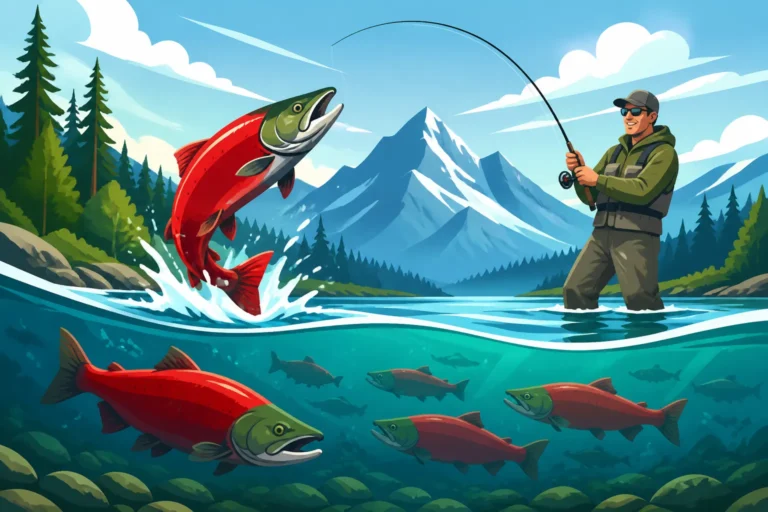
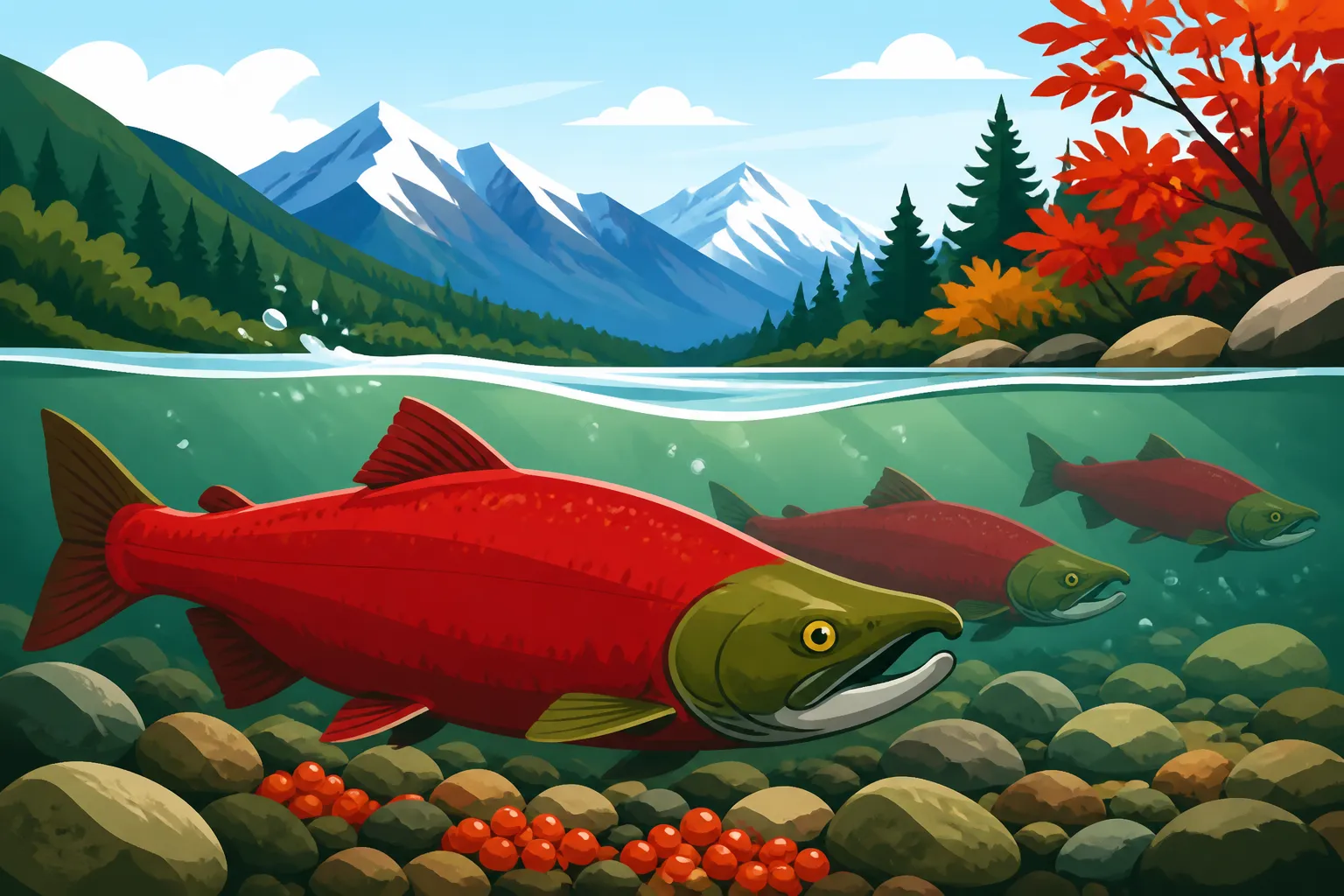
Before we dive into the specifics of when sockeye spawn, it's crucial to understand the monumental journey these fish undertake. Sockeye salmon, known for their vibrant red bodies and green heads during spawning, are anadromous, meaning they spend most of their lives in the ocean before returning to freshwater to reproduce. For the Fraser River sockeye, this means migrating thousands of kilometers from the North Pacific Ocean, through the Strait of Georgia, up the Fraser River, and often hundreds of kilometers into its various tributaries. This migration is driven by an instinctual clock, timed to ensure they arrive at their natal spawning grounds when conditions are just right for laying eggs.
Imagine the sheer willpower and energy expenditure involved. These fish navigate powerful currents, avoid predators, and push themselves against the flow, all without eating once they enter freshwater. Their bodies are literally transforming, using stored energy to fuel this incredible pilgrimage. It's a race against time, with their biological clock ticking towards the moment they must deposit their eggs. The timing of their arrival at the river mouth and subsequent ascent up the Fraser is influenced by a complex interplay of genetic programming, ocean conditions, and river temperatures, all leading up to the final act of spawning. Understanding this journey helps put the specific spawning windows into perspective.
Different "runs" or populations of sockeye salmon within the Fraser system are genetically distinct, and these distinctions include their timing. Some populations, like the early summer runs, might enter the river in late June, while others, the late summer or fall runs, might not appear until August. This staggered entry helps prevent overcrowding in specific spawning areas and ensures that if one run faces challenges, others might still succeed. It's a remarkable example of natural resilience and biodiversity, making the Fraser system a truly special place for sockeye.
Timing is Everything: Peak Sockeye Spawning Periods by Fraser Tributary
Pinpointing an exact, system-wide "sockeye spawning date" in the Fraser River is impossible because it's such a vast and varied watershed. Instead, different sockeye populations, often named after their primary spawning grounds, have their own distinct peak spawning windows. These windows can vary by several weeks, or even a month or more, depending on the specific tributary, its elevation, and water temperatures. Generally, the bulk of sockeye spawning in the Fraser system occurs between late August and early October, but there are notable exceptions.
Let's look at some key examples:
- Early Summer Runs (e.g., Chilko, Early Stuart): These fish often enter the Fraser in late June or early July. Their spawning activity typically peaks in late August to early September. The Early Stuart sockeye, for instance, undertake one of the longest freshwater migrations in the world, traveling over 1,000 kilometers to their spawning grounds near Fort St. James. Their early start is necessary to reach these distant, higher-elevation systems before winter sets in.
- Summer Runs (e.g., Quesnel, Stellako): These are often the largest runs, making up a significant portion of the total Fraser sockeye return. They typically enter the river in late July and August. Spawning for these populations generally peaks from mid-September to early October. The famous Adams River sockeye run, a dominant component of the "late run" sockeye, only has a massive return every four years, with smaller returns in between. When they do run in large numbers, their spawning spectacle on the Adams River is truly breathtaking.
- Late Summer/Fall Runs (e.g., Adams, Weaver, Harrison): These fish tend to enter the Fraser later in the season, often in August and September. Their spawning often extends later into the fall, peaking from late September through October, and sometimes even into early November for populations like the Harrison sockeye. These fish tend to spawn in lower-elevation systems, often closer to the mainstem Fraser or its larger, warmer tributaries, allowing them to spawn later without the immediate threat of freezing conditions.
It's important to remember that these are general windows. Local conditions, such as sudden cold snaps or prolonged warm spells, can slightly shift these peak times. Observing sockeye requires patience and often consulting local sources or BC Fishery Notices and In-Season Closures, Explained for the most up-to-date information.
Here’s a simplified table illustrating general peak spawning periods for some major sockeye populations in the Fraser system:
| Sockeye Population/Tributary | General Peak Spawning Window | Key Characteristics |
|---|---|---|
| Early Stuart | Late August – Early September | Longest migration, high elevation |
| Chilko River | Early – Mid September | Large, robust run |
| Horsefly River (Quesnel) | Mid – Late September | Major contributor, often large runs |
| Stellako River | Mid – Late September | Significant producer, central BC |
| Adams River | Late September – Early October | Iconic dominant run (every 4 years) |
| Weaver Creek | Mid – Late October | Lower Fraser tributary, important for research |
| Harrison River | Late October – Early November | Smallest run, latest spawning, near Chilliwack |
This table provides a snapshot, but the real magic is in the diversity. Each of these runs contributes to the incredible biodiversity of the Fraser sockeye.
Nature's Cues: Factors Influencing Sockeye Spawning Schedules
The timing of when sockeye salmon spawn isn't arbitrary; it's a finely tuned process influenced by a range of environmental and biological factors. These cues help ensure that the eggs are laid and incubated under optimal conditions, maximizing the chances of survival for the next generation. Understanding these factors can give you a deeper appreciation for the delicate balance of the ecosystem.
Water Temperature as a Critical Trigger
Perhaps the most significant environmental factor influencing sockeye spawning is water temperature. As sockeye migrate upstream, they are constantly sensing the water temperature. Ideal spawning temperatures for sockeye generally fall within a specific range, often between 8°C and 14°C (46-57°F). If the water is too warm, they might delay spawning, waiting for cooler conditions. If it's too cold too early, it can stress the fish and reduce their reproductive success. This is why you'll often hear about "thermal barriers" during unusually warm summers, where sockeye might hold in cooler pockets or succumb to disease before reaching their grounds. BC sockeye salmon 5-week closure window dates are often implemented with these thermal considerations in mind.
Think about it like this: if you're planting a garden, you wait for the soil to be just right, not too cold to stunt growth, not too hot to dry out the seeds. Sockeye are doing the same thing, instinctively. The long-term trends in climate change and warmer river temperatures are a major concern for sockeye populations, as they can disrupt these critical timing cues and create physiological stress for the fish during their arduous journey.
River Flow and Water Levels
The volume and speed of river flow also play a role. Sockeye typically prefer to spawn in gravel beds within stream riffles or lake shoals where there's a good flow of clean, oxygenated water. Very high water flows can make it difficult for fish to hold position and dig redds (nests), potentially washing away eggs or small fry later. Conversely, extremely low water levels can expose redds to air, drying out and killing the eggs. Heavy rains or sudden snowmelt can dramatically change river conditions, impacting the final stages of the spawning process.
Anglers trying to observe sockeye might find that high, turbid water makes spotting fish difficult, while clear, low water can make them skittish. A balanced flow is ideal for both the fish and those hoping to respectfully witness their life cycle. Monitoring river levels, often available through local government hydrological services, can be almost as important as checking the calendar when planning a trip to a spawning channel.
Light and Photoperiod
While less direct than temperature, changes in daylight length (photoperiod) also serve as a broad biological cue. As days shorten in late summer and fall, it signals to the fish that the season is progressing, reinforcing their internal clock for spawning. This is part of their innate, genetic programming that has evolved over millennia to align their life cycle with the rhythms of the natural world.
These combined factors explain why even within a specific tributary, the exact peak day can shift from year to year. It's a testament to the salmon's adaptability and the dynamic nature of their environment. For those passionate about these incredible fish, staying informed through sources like BC Fishery Notices and In-Season Closures, Explained is key.
Witnessing the Miracle: Observing Sockeye Spawning Safely and Responsibly
Seeing thousands, or even millions, of sockeye salmon returning to their natal streams to spawn is one of nature's most spectacular events. It's a profound experience that connects you directly to the raw power of the wild. However, observing this miracle requires respect, planning, and adherence to regulations to ensure you don't disturb these vulnerable fish during their most critical life stage. Many of the tools you might need for a responsible viewing experience can be found online.
Where to Go and When
Several places within the Fraser system are renowned for sockeye viewing, particularly during dominant return years. The Adams River Salmon Run (part of the Shuswap Lake system near Squilax) is perhaps the most famous, with a major dominant run occurring every four years, drawing tens of thousands of visitors. During these peak years, the river literally turns red with spawning sockeye. Other excellent locations include the Chilko River (accessible via Tweedsmuir Provincial Park), Weaver Creek Spawning Channel near Harrison Mills, and various sections of the Fraser River Fishing Guide] and its tributaries, particularly in the Cariboo and Fraser Canyon regions.
Your best bet for finding current viewing conditions and dates is to check with local visitor centres, BC Parks websites, or fisheries management agencies. Remember, the fish are often nearing the end of their lives, and any disturbance can affect their ability to successfully spawn. When you plan your visit, consider bringing a good pair of binoculars, perhaps a field guide to Pacific salmon (available on Amazon), and a camera to capture the moment.
Respecting the Spawning Grounds and Fish
When you're out observing, remember these critical points:
- Stay on Designated Paths: Keep a respectful distance and stick to marked trails or viewing platforms. Walking into the water or disturbing the riverbanks can damage delicate redds (nests) or scare spawning fish.
- Leave No Trace: Pack out everything you pack in. The spawning grounds are vital nurseries, and any litter can harm the environment and the fish.
- No Interference: Do not touch, chase, or harass the fish. They are under immense stress, and human interaction can be detrimental to their already fragile state. Even something as seemingly harmless as casting a shadow over a redd can disturb a fish.
- Check Regulations: Always, always check local fishing regulations before you go, especially if you're an angler. Many areas or specific times are closed to fishing during peak spawning periods to protect the stocks. You can find detailed rules in documents like Reading the BC Freshwater Fishing Regulations Synopsis. Remember, these regulations are designed to protect the resource for future generations.
If you're an angler, understanding Sockeye Salmon Fishing in BC regulations is paramount. While some sockeye runs are open to fishing in certain areas and times, others are strictly catch-and-release, or completely closed. The goal is always conservation first. For specific gear for a responsible viewing trip, you might look on Amazon for things like waders (if permitted to be near the water's edge), polarized sunglasses to cut glare, or waterproof jackets for typical BC fall weather.
The Cycle Continues
After spawning, the adult sockeye salmon die, their bodies providing vital nutrients to the ecosystem. Their decomposing carcasses feed insects, birds, bears, and other wildlife, enriching the forest and river. The eggs, safely buried in the gravel, will hatch in late winter or early spring, and the tiny alevin, then fry, will emerge to begin their own journey. Many will spend a year or two in freshwater lakes before migrating to the ocean, only to return years later and repeat this incredible cycle. It's a poignant end and a vibrant new beginning, all happening on nature's meticulously timed schedule. Being a part of witnessing this cycle, responsibly and respectfully, is a privilege that truly highlights the wild heart of British Columbia. You can even find books detailing the intricacies of salmon ecology on Amazon, deepening your understanding of this vital species.
Disclaimer
This article is for general informational purposes only and does not constitute professional advice. Laws, prices and regulations vary by location and change over time. Consult a qualified professional for guidance on your specific situation.