Best handicap-accessible fishing piers in BC
It can be incredibly frustrating to dream of a peaceful day by the water, rod in hand, only to arrive and find the fishing spot completely inaccessible. For anglers with mobility challenges, uneven terrain, steep banks, or crowded, narrow docks aren't just inconveniences; they can be outright barriers preventing them from enjoying one of British Columbia's most cherished pastimes. This guide is dedicated to shedding light on the best handicap-accessible fishing piers and spots across BC, ensuring everyone has the opportunity to cast a line and experience the joy of fishing.
The Importance of Accessible Fishing Opportunities
Fishing isn't just a sport; it's a vital connection to nature, a source of peace, and often, a cherished social activity. However, for many, the physical landscape of British Columbia's beautiful outdoors can present significant hurdles. Finding a spot where you can comfortably and safely fish, without worrying about treacherous paths or unsuitable platforms, is paramount to making these experiences possible for everyone.
Challenges for Anglers with Mobility Issues
Imagine finally arriving at a promising fishing location after a long drive, only to realize the path to the water is a steep, gravel trail, or the dock is a wobbly, narrow plank with no room to maneuver a wheelchair. These are common frustrations that anglers with mobility challenges face every single day. Parking can be too far, washrooms non-existent or locked, and access points uneven, sandy, or muddy. Even well-intentioned docks sometimes have railings that are too high, making it impossible to see the water or cast effectively from a seated position. The lack of proper ramps, sufficient turning radius, and firm, level surfaces can turn a hopeful outing into a disheartening ordeal. It's not just about getting to the water's edge; it's about being able to participate fully and comfortably once there.
Moreover, the challenge often extends beyond just the physical structure. Information about accessibility isn't always readily available or accurate online, leading to wasted trips and dashed expectations. Many resources might mention a "wheelchair-friendly path," but fail to specify if the actual fishing platform meets accessible standards, such as having lower railings or ample space. This lack of detailed information creates a constant barrier, making spontaneous trips nearly impossible and requiring extensive pre-planning, which can be exhausting in itself.
The Joy and Therapeutic Benefits of Accessible Fishing
Despite these challenges, the desire to fish remains strong, and for good reason. The therapeutic benefits of being outdoors, surrounded by the calming sounds of water and wildlife, are immense. For many, fishing offers a unique form of stress relief, a chance to focus on a singular, meditative activity that takes them away from daily worries. The anticipation of a bite, the thrill of a catch, and the camaraderie shared with fellow anglers contribute significantly to mental and emotional well-being. When these experiences are made accessible, it opens up a world of possibilities for individuals who might otherwise be isolated from such natural beauty and recreation.
Accessible fishing spots empower individuals, fostering independence and confidence. It’s about more than just catching fish; it’s about feeling included, capable, and connected. For families and caregivers, having truly accessible options means everyone can participate together, creating invaluable memories without the added stress of navigating difficult terrain or inadequate facilities. These spots become community hubs where people of all abilities can share their passion for the outdoors. Imagine a parent in a wheelchair being able to teach their child how to cast from a secure, well-designed pier – these are the moments that truly matter and enhance quality of life.
Top Handicap-Accessible Fishing Piers and Spots in BC
British Columbia has made strides in improving accessibility, and while there's always more work to be done, several fantastic locations offer truly accessible fishing experiences. These spots have generally invested in features like paved pathways, gentle ramps, accessible restrooms, and docks specifically designed for ease of use by individuals with mobility aids.
Lower Mainland and Vancouver Island Accessible Spots
The more populated regions of BC naturally offer a greater concentration of accessible facilities. On Vancouver Island, and especially in the Lower Mainland, you’ll find some of the best-designed accessible fishing spots.
One excellent example is Rocky Point Park in Port Moody. This park boasts a long, accessible pier that's a local favourite for crabbing and fishing. The pier is wide, well-maintained, and offers plenty of space for wheelchairs and walkers. The adjacent park facilities, including washrooms and paved pathways leading right to the pier, are also fully accessible. It’s a fantastic spot for families, offering a beautiful view of Burrard Inlet while you try your luck at catching small fish or Dungeness crab.
In Vancouver itself, the Jericho Beach Pier provides excellent access. While it's a popular spot, the pier is wide and offers good vantage points for casting. The surrounding park also has paved pathways and accessible facilities. Anglers here often target flounder, rockfish, and occasionally salmon, depending on the season. It’s a bustling environment with lots of activity, yet still offers dedicated space for fishing.
Further out in the Fraser Valley, Harrison Lake at Harrison Hot Springs has some excellent accessible waterfront areas. While not always dedicated "piers" specifically for fishing, the long, flat boardwalks and beach access points can provide suitable areas for bank fishing, especially for trout and kokanee. Make sure to check the specific access points, as the resort area is generally very accommodating. Remember to have your BC freshwater fishing license in order, as this is a freshwater lake.
On Vancouver Island, Sidney Pier is a very popular spot and largely accessible. It’s a long, wooden pier known for its fishing and crabbing opportunities, extending far into the ocean. The access from the parking lot is flat, and the pier itself is wide and smooth, making it easy to navigate. While it can get busy, there’s usually enough space to find a comfortable spot to cast a line. Anglers frequently catch various bottom fish, greenling, and sometimes salmon or Dungeness crab. The town of Sidney itself is very pedestrian-friendly, adding to the overall accessible experience.
In Victoria, while specific "fishing piers" designed for accessibility might be rarer within the Inner Harbour due to its commercial nature, the extensive accessible boardwalks around areas like Fisherman's Wharf Park offer unique opportunities. Some anglers cast directly from these seawalls and docks, targeting various species. It’s worth exploring these urban waterfronts for spontaneous casting, combined with the scenic views and amenities.
Interior and Northern BC Accessible Lakes and Piers
Moving away from the coast, British Columbia's interior also offers a growing number of accessible fishing locations, often focused on freshwater lakes and calmer river sections. These spots often provide a quieter, more serene fishing experience.
In the Okanagan Valley, a region famous for its beautiful lakes, efforts have been made to increase accessibility. Okanagan Lake itself, particularly along the Kelowna waterfront, features several parks with accessible pathways that lead to lakeside fishing areas. Parks like Waterfront Park and Rotary Beach Park offer paved access and sometimes provide sturdy, level platforms near the water's edge suitable for casting for rainbow trout, kokanee, and even bass. These areas are designed for general public access, which often translates to good wheelchair and walker accessibility.
Another gem in the Interior is Kalamalka Lake Provincial Park near Vernon. While some of its trails are rugged, specific day-use areas and viewpoints offer accessible paths to scenic spots where fishing can be enjoyed. It’s crucial to verify the specific section of the park you plan to visit, as accessibility can vary. However, the main beach areas and picnic spots often have hard-packed gravel or paved surfaces leading close to the water, where anglers can cast for kokanee and rainbow trout.
For those heading further north, while dedicated "piers" might be less common, many provincial parks in the Cariboo and Peace River regions are improving their day-use facilities. Lakes like Dragon Lake near Quesnel, known for its trophy rainbow trout, or Ten Mile Lake Provincial Park, offer accessible campsites and day-use areas that often include hard-packed gravel paths leading to lakeside fishing spots or boat launches with gradual slopes. It's always a good idea to check the specific park website or call ahead to confirm the most current accessibility features before planning your trip to these more remote areas. Remember that knowing BC fishing season dates and closures is especially critical in these areas, as regulations can be specific to certain regions and species.
Coastal Accessible Docks and Waterfronts
Beyond the major urban centres, many smaller coastal communities in BC are recognizing the need for accessible waterfronts. These spots might not always be advertised specifically as "fishing piers" but often provide excellent opportunities.
For instance, many smaller town marinas and public docks along the Sunshine Coast or Gulf Islands have flat, paved access to their main docks. While primarily used for mooring boats, these docks can often serve as suitable platforms for fishing, especially for species like rockfish, greenling, and sometimes salmon migrating through the channels. The key is to look for public access points at marinas or government docks, which are often built to certain standards that include ramps rather than stairs. Places like Gibsons Landing or Pender Island have public docks that are worth investigating for their accessibility.
The beauty of these coastal spots is often the incredible scenery and the peaceful ambiance. While not always equipped with dedicated fishing amenities like bait stations or cleaning tables, the ability to simply get onto a stable platform and cast into the Pacific is an experience in itself. Many of these docks offer stunning views of the surrounding islands and marine life, making the trip enjoyable even if the fish aren't biting. Using a resource like FishingBooker can sometimes help identify charters that depart from accessible docks, offering a broader range of fishing experiences for anglers with mobility needs. They often list specific boat features and amenities, which can be invaluable when planning a trip.
Planning Your Accessible Fishing Adventure
A successful and enjoyable accessible fishing trip requires a bit of thoughtful planning. From checking the regulations to gathering the right gear, preparing in advance can make all the difference.
Essential Gear and Support Considerations
When planning an accessible fishing trip, think beyond just your rod and reel. Consider the specific challenges you might face and how to mitigate them. For example, a stable, comfortable chair or a robust wheelchair with all-terrain capabilities might be crucial for comfort, even on a paved pier, especially if you plan to spend several hours. Ensure you have easy access to essentials like water, snacks, sunscreen, and any necessary medications. A small cooler with wheels can make transporting your supplies much easier.
If you rely on specific medical equipment, make sure it's fully charged and secured. Think about bringing a fishing vest with many pockets or a tackle box that can be easily accessed from a seated position. A net with a long handle can be incredibly helpful for landing fish without having to lean precariously over the railing. For those with limited hand dexterity, assistive devices for holding rods or reeling can be game-changers. Lastly, always consider bringing a companion. Not only does it enhance the social aspect of fishing, but a friend or family member can provide invaluable support with baiting hooks, untangling lines, or simply navigating unfamiliar surroundings. Checking the BC fishing license for disabled residents is also a crucial step, as there might be specific provisions or discounts available.
Checking Regulations and Fishery Notices
British Columbia's fishing regulations are incredibly detailed and can change frequently, especially for popular species like salmon and steelhead. Before you head out, it's absolutely vital to check the current BC Fishing Regulations Explained for your specific area and target species. Pay close attention to retention limits, size restrictions, and any seasonal closures. For instance, specific sections of the Fraser River might have BC Fraser River Sockeye Closure Windows that vary by year, or certain streams might be BC Catch and Release Only Waters for sensitive species like steelhead.
Beyond the annual regulations synopsis, always consult the real-time Fishery Notices issued by Fisheries and Oceans Canada (DFO) or the provincial Ministry of Forests, Lands, Natural Resource Operations and Rural Development (FLNRORD). These notices provide in-season updates, emergency closures, or opening dates that might not be in the printed synopsis. You can usually find these online or by calling local fisheries offices. Knowing How to check BC fishery notices before a trip is a skill every BC angler, especially those with accessibility needs who want to avoid wasted trips, should master. Being informed ensures you're fishing legally and responsibly, contributing to the conservation of BC's incredible aquatic resources.
Using Resources Like FishingBooker and Local Knowledge
While online searches can provide general information, dedicated platforms and local knowledge are invaluable for planning accessible trips. FishingBooker, for instance, is a great resource not just for finding charters (some of which operate from accessible docks and offer accessible boats), but also for reading reviews that might mention accessibility features of departure points or specific fishing areas. When browsing on platforms like FishingBooker, pay attention to photos and user comments that might highlight ramp access, dock width, or even the type of bathroom facilities available.
Beyond online resources, never underestimate the power of local knowledge. Reach out to local tackle shops, fishing clubs, or community centers in the area you plan to visit. They often have firsthand information about which spots are genuinely accessible and well-maintained. A quick phone call can save you hours of frustration. Many communities have passionate anglers who are eager to share their insights and help others enjoy the sport. Don't be shy about asking questions about path surfaces, railing heights, or even the best times to visit to avoid crowds, especially if maneuvering space is a concern.
Features of a Truly Accessible Fishing Pier
It’s one thing for a place to say it’s accessible, and another for it to truly meet the needs of all anglers. Understanding what makes a fishing pier genuinely accessible can help you evaluate potential spots and advocate for better facilities.
Designing for Universal Access
A truly accessible fishing pier goes beyond merely meeting minimum building codes. It’s designed with universal access in mind, anticipating a wide range of needs. This means the journey from the parking lot to the casting spot is seamless and safe. Look for designated accessible parking spaces that are clearly marked and wide enough for easy transfer, located as close as possible to the access point. The pathway to the pier should be paved or made of hard-packed, level material, free from significant cracks, potholes, or steep inclines. A gentle slope on ramps, rather than sharp angles, is critical for both manual and electric wheelchairs.
The pier itself should be wide enough to allow for easy passage and turning radius, especially where multiple anglers might be present. A minimum width of 36 inches is often cited for wheelchairs, but a wider path (ideally 60 inches or more) allows for two-way traffic and easier maneuvering, preventing bottlenecks. Surfaces should be slip-resistant, especially in wet conditions, to ensure safety for everyone. Good lighting, particularly for early morning or evening fishing, is also a key feature that enhances both safety and usability, ensuring clear visibility of the path and the pier itself.
Specific Features for Anglers with Mobility Challenges
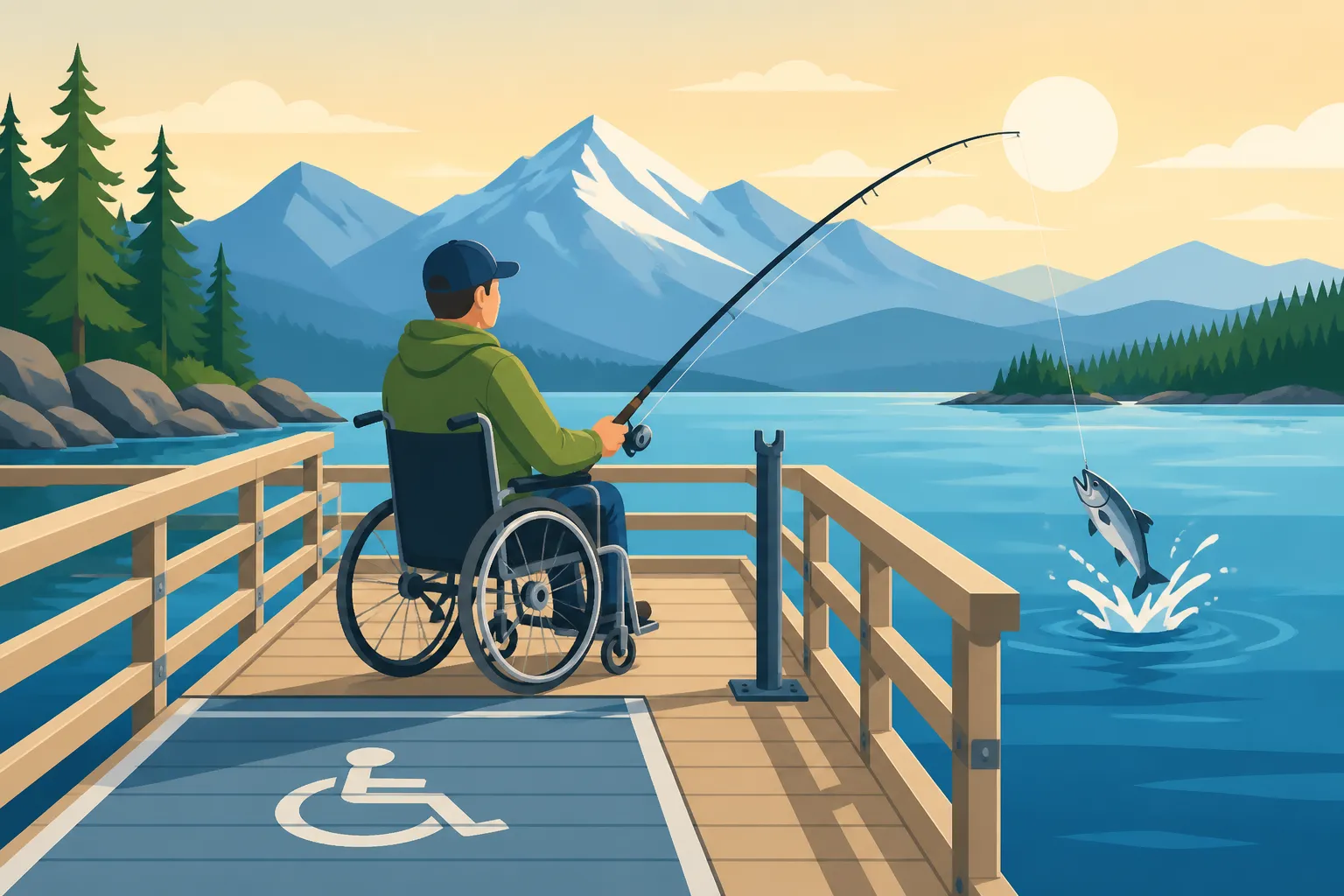
Beyond the general design, certain specific features elevate a pier from "accessible" to "ideal" for anglers with mobility challenges. The most critical feature is typically the railing design. Many standard pier railings are too high for someone seated in a wheelchair to comfortably see over or cast around. An ideal accessible pier will have sections with lower railings (typically 28-32 inches above the deck) or cutouts that allow for unobstructed casting and viewing. These sections should also be strategically placed to give ample space around them.
Another vital element is the provision of knee and toe clearance under any fixed benches or counters, similar to accessible kitchen or bathroom designs. This allows a person in a wheelchair to roll right up to the edge of a bait station or cleaning table, rather than having to reach over. Where benches are provided, they should ideally be transfer-friendly, with firm surfaces and armrests to assist with sitting and standing. Lastly, accessible restrooms, ideally with automatic doors or easy-to-use handles, and accessible drinking fountains should be readily available and well-maintained nearby. These amenities significantly enhance the comfort and convenience of a full day of fishing, truly making the experience enjoyable for all.
Conclusion
Finding truly accessible fishing spots in British Columbia can sometimes feel like a treasure hunt, but with growing awareness and dedicated efforts by parks and communities, the landscape is slowly changing for the better. From the bustling piers of the Lower Mainland to the serene lakeshores of the Interior, opportunities for anglers with mobility challenges are expanding. By focusing on locations with thoughtful design, checking current regulations, and leveraging resources like FishingBooker and local knowledge, every angler can discover the joy and tranquility of casting a line in BC's stunning waters. Don't let perceived barriers keep you from the water; with a bit of planning, your next great fishing adventure is well within reach.
Disclaimer
The information provided in this guide is for general informational purposes only and is subject to change. Fishing regulations, accessibility features, and local conditions can vary. Always verify current regulations with Fisheries and Oceans Canada (DFO) and the BC Ministry of Forests, Lands, Natural Resource Operations and Rural Development, and confirm accessibility directly with facility operators before planning your trip. Fishing inherently carries risks, and anglers should always prioritize safety and adhere to all local guidelines.