Best charters offering instructional casting lessons
It's a common story: you've been fishing for a while, you can get a line in the water, but you know deep down your casting could use some serious help. Maybe you dream of reaching that far bank on the Fraser River with your fly rod, or perhaps your baitcasting accuracy for Okanagan Lake bass leaves a lot to be desired. The frustration of missed opportunities or tangled lines can really take the fun out of a day on the water. This guide is here to help you navigate the fantastic world of British Columbia fishing charters that don't just take you fishing, but actually teach you how to cast like a pro, turning those frustrations into triumphs.
Why Invest in Casting Lessons on a BC Fishing Charter?
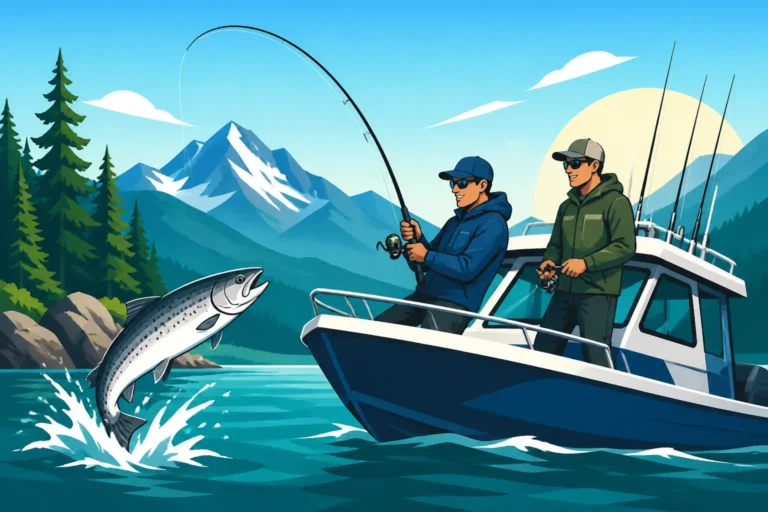
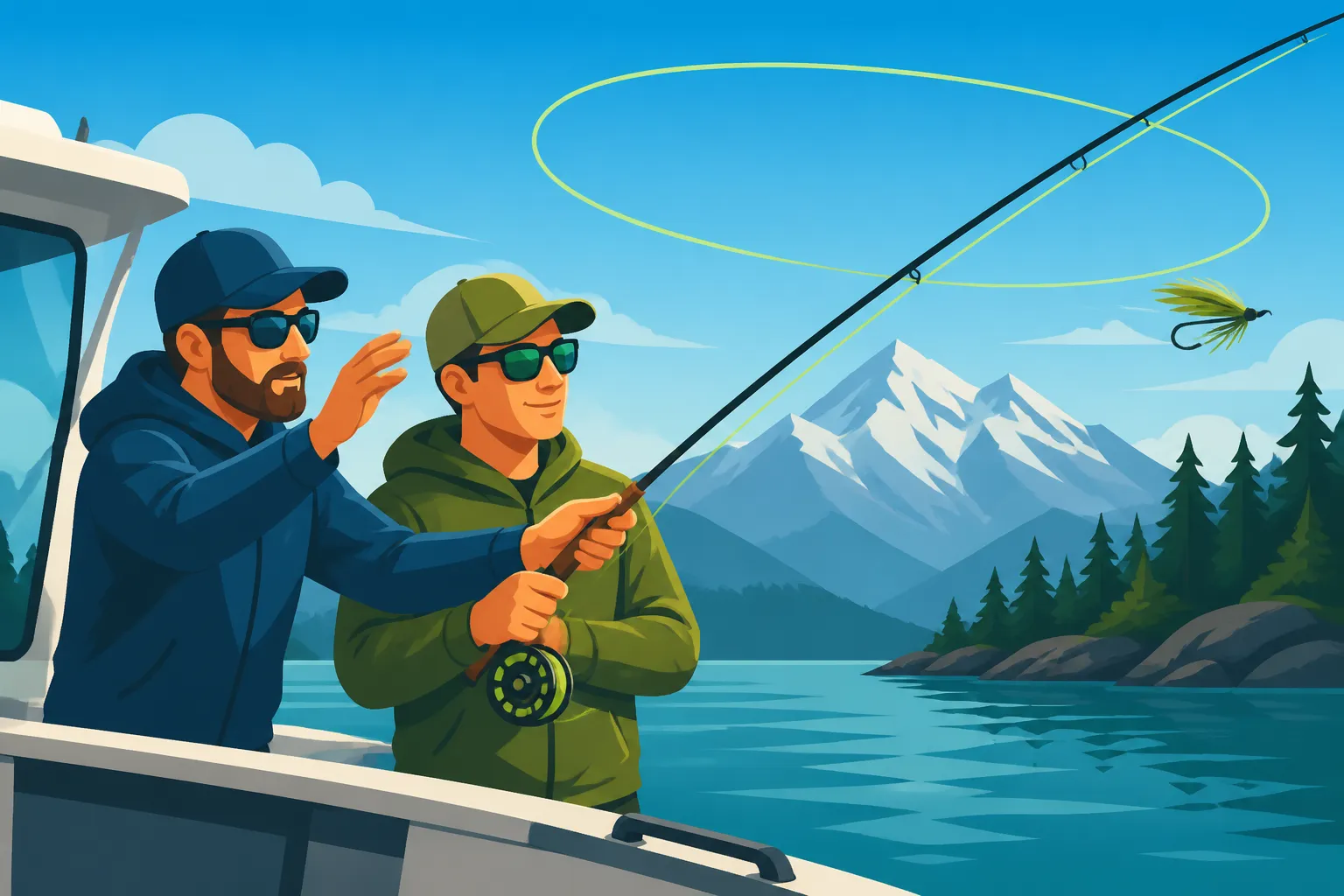
Many anglers, even seasoned ones, find themselves stuck in casting habits that might be holding them back. You might be able to get a line out, sure, but is it efficient? Is it accurate? Is it adaptable to different conditions and species? That's where a dedicated instructional charter truly shines. It's one thing to watch a video or read a book; it's another entirely to have a professional, experienced guide standing right beside you, offering real-time feedback and hands-on adjustments in a live fishing environment.
Think about it: BC's diverse waters demand a variety of casting skills. Picture yourself on a powerful steelhead river in the Skeena region. You're trying to present a fly in a tricky current seam, and your standard overhead cast just isn't cutting it. A guide specializing in fly casting instruction can teach you roll casts, Spey casts, or switch casts that are specifically designed for those tight spaces and heavy lines. Or maybe you're out on the vast Georgia Strait, targeting Chinook salmon, and you need to accurately cast a lure towards a surfacing school. A good instructor can help you refine your distance and precision, making sure your offering lands exactly where it needs to be, not a dozen feet off target. This isn't just about catching fish; it's about building a fundamental skill set that empowers you to approach any fishing scenario with confidence. It transforms you from a passenger hoping for a bite into an active participant in the angling process. It's the difference between merely being on the water and truly owning your technique.
The beauty of learning on a charter is the personalized attention. Unlike a group clinic, a charter means the guide's focus is solely on you (or your small group). They can observe your form, identify specific flaws, and tailor their teaching methods to your learning style. This focused approach accelerates your learning curve dramatically. You're also learning in the exact conditions you'll be fishing in, which is invaluable. Practicing a cast on a manicured lawn is different from doing it with a crosswind, a bobbing boat, or tricky currents. An instructional charter seamlessly blends the learning with the doing, making the lessons immediately applicable and memorable. Plus, having a guide patiently break down complex movements into digestible steps can alleviate that self-conscious feeling many of us get when trying something new.
What to Look For in an Instructional Fishing Charter
Finding the right charter for casting lessons isn't as simple as just picking the first guide you see. You want a guide who is not only a fantastic angler but also a gifted teacher. The two don't always go hand-in-hand, and it's a frustration many aspiring anglers face when searching for genuine instruction. Some guides might offer a quick tip, but a true instructional charter will dedicate time and effort to improving your skills, often even bringing specific practice gear or techniques to the water.
Firstly, consider the guide's experience and reputation specifically as an instructor. Look for charters that explicitly advertise "casting lessons" or "skills development" as a core part of their offering, not just an add-on. Don't be shy to ask direct questions before booking: "How much time will be dedicated to casting instruction?", "What specific casting techniques do you teach?", or "Do you provide different rods for practice before we start fishing?" Reading reviews and testimonials is crucial here. Look for comments where past clients rave about the guide's patience, clarity, and ability to improve their casting. Sometimes, a quick call with the guide can tell you a lot about their teaching philosophy. A good resource like FishingBooker can often let you filter for guides who highlight instructional services, and you can definitely read reviews there to get a sense of how well a guide educates their clients.
Secondly, clarify what type of casting instruction is offered. Are you interested in fly casting for BC Steelhead Season Dates on interior rivers, or more focused on accurate gear casting for salmon in coastal waters? Some guides specialize heavily in one discipline, while others are more versatile. Make sure their expertise aligns with your goals. If you're looking to learn Spey casting for big rivers like the Thompson, you need a guide who lives and breathes two-handed rods. If your aim is to master the art of jigging and casting for deep-dwelling halibut off Vancouver Island, you'll need someone experienced in that specific technique. Understanding this upfront will prevent disappointment and ensure you're getting the most out of your investment. It's also worth asking if they provide all the necessary equipment, including different weights of lines or types of rods for various casting drills.
Finally, consider the overall trip structure. Is the instruction integrated throughout the day, where fishing opportunities are used as teaching moments? Or is there a dedicated period for pure casting drills before you even start targeting fish? Both approaches have merit, depending on your learning style and goals. For beginners, a dedicated lesson might be ideal to build foundational skills without the pressure of immediately catching fish. For intermediate anglers, integrating instruction into active fishing can provide highly relevant, real-world practice. Always discuss these expectations when booking. Remember, a good charter offering instructional lessons is a partnership between you and the guide, designed to elevate your angling prowess.
| Type of Instruction | Focus Areas | Best For | Typical Equipment |
|---|---|---|---|
| Fly Casting (River) | Overhead, Roll, Spey, Switch, Mending, Line Management | Steelhead, Trout, Salmon in rivers; anglers wanting finesse | Fly rods (single & two-handed), various line weights, leaders, flies |
| Fly Casting (Lake) | Distance, Accuracy, Presentation with sinking lines | Lake trout, Kokanee, Rainbow Trout; stillwater fly anglers | Fly rods, floating/sinking lines, indicators, Chironomids |
| Gear Casting (River) | Spin, Baitcasting, Drift setup, Accuracy, Back-casting | Salmon, Sturgeon, Trout in rivers; conventional anglers | Spin/baitcasting rods, reels, weights, various lures/baits |
| Gear Casting (Coastal) | Boat casting, Jigging, Trolling setup, Depth control | Halibut, Lingcod, Salmon in saltwater; offshore anglers | Heavy spin/conventional rods, downriggers, jigs, spoons |
| Shore Casting | Distance, Accuracy, Reading currents from land | Surf fishing, lake shore, river banks; land-based anglers | Longer spin rods, heavier weights, specific lures |
Types of Casting Lessons You Might Find in BC
British Columbia's fisheries are incredibly diverse, and so too are the casting techniques required to be successful across its vast landscape. This diversity often leads to confusion for anglers trying to improve their skills, as what works for a small stream trout might be completely ineffective for a Fraser River sturgeon. Understanding the different types of casting instruction available will help you narrow down your search and find a charter that truly matches your angling ambitions.
One of the most popular and specialized areas of instruction is fly casting. This can range from single-hand fly casting for delicate presentations on crystal-clear mountain streams, targeting elusive BC Catch and Release Only Waters rainbow trout, to the powerful and elegant two-handed (Spey) casting techniques essential for tackling large rivers like the Bulkley or Skeena for wild steelhead. Learning to Spey cast opens up vast new possibilities, allowing you to cover immense amounts of water with minimal effort, even when wading isn't an option. Instructors will often break down the fundamental mechanics – grip, stance, timing, and line management – and then progress to various casts like the Roll Cast, Single Spey, Double Spey, and Snake Roll, which are crucial for navigating challenging river conditions and wind. You'll learn to "read" the water and place your fly exactly where you believe a fish might be holding, rather than just hoping for a lucky drift.
Then we move into gear casting, which encompasses everything from spin casting to baitcasting. For many, this is where their fishing journey began, but there's always room for refinement. A charter specializing in gear casting can teach you how to achieve greater distance with your lure, improve your accuracy to hit specific structures or pockets of water, and troubleshoot common issues like backlashes with baitcasting reels. If you're pursuing bass in the Okanagan or targeting aggressive salmon near coastal estuaries, precise gear casting can make a significant difference. Imagine casting a spoon or spinner exactly into a boiling school of coho salmon, rather than spooking them with an errant splash. Lessons might cover various retrieves, understanding lure action, and adapting your casting to different bait weights and conditions. How to Fish a River for Chinook Salmon often involves skilled gear casting in varied currents, making instruction invaluable.
Beyond these broad categories, some charters offer even more specialized instruction. This could include boat casting techniques for saltwater fishing, where the motion of the boat, changing currents, and deeper depths demand a different approach. Learning how to effectively deploy jigs for lingcod or halibut, or precisely cast bucktail jigs or spoons for salmon from a moving vessel, is a unique skill set. Similarly, you might find instruction focused on specific species or environments, like casting heavier rigs for bottom-dwelling fish or finesse casting for shy trout in small creeks. When looking through guides on platforms like FishingBooker, pay attention to their specialties. Many guides will clearly state if they are expert fly fishing instructors or if they excel at teaching gear fishing tactics.
Booking Your Instructional Charter and Maximizing the Experience
Once you've decided that investing in casting lessons on a BC fishing charter is the right move for you, the next step is to find and book that perfect experience. It might feel a bit daunting at first, trying to differentiate between guides, but a systematic approach will help you find exactly what you're looking for. The goal here isn't just to go fishing; it's to come away a significantly better angler.
Start your search by utilizing online resources. Websites like FishingBooker are excellent places to begin, as many guides detail their offerings, including instructional aspects, in their profiles. You can often filter by location, species, and even type of trip. Look for guides who explicitly mention "casting clinics," "guided instruction," or "angler development" in their descriptions. Don't hesitate to check out their social media or personal websites as well, which often feature videos or photos that showcase their teaching style or the types of casting they emphasize. Local tackle shops in areas like Campbell River, Terrace, or Chilliwack are also fantastic resources, as the staff often know guides personally and can recommend instructors known for their teaching prowess. Word-of-mouth recommendations from fellow anglers can also be golden.
Once you have a few potential guides in mind, communication is key. This cannot be stressed enough. Before you commit to booking, reach out to the guide directly. Explain your current skill level, what you hope to achieve, and any specific casting challenges you face. For example, tell them if you're a complete beginner with a fly rod, or if you're an experienced angler looking to refine your Spey casting technique for BC Steelhead Conservation Surcharge Stamp. A good instructional guide will engage with you, ask questions about your experience, and explain how they plan to structure the day to meet your goals. This initial conversation helps set clear expectations for both parties and ensures you're on the same page. Don't be afraid to ask about their teaching philosophy, how they provide feedback, and what kind of practice equipment they might have.
Finally, to truly maximize your instructional charter experience, come prepared to learn and be open to feedback. Bring an open mind and a willingness to try new things. Some guides might suggest starting with dry-land practice before hitting the water, or using specialized practice rods and lines to hone your technique. Embrace these steps – they are designed to build muscle memory and understanding before the pressure of catching a fish is introduced. Ask questions throughout the day. If something isn't clicking, say so! A patient instructor will re-explain or demonstrate in a different way. Many guides offering instructional trips also provide comprehensive gear, but confirm this beforehand. You might also want to bring a small notebook to jot down key tips or diagrams they show you, so you can remember them for future practice. Remember, this charter is an investment in your long-term angling enjoyment and skill. By being proactive and engaged, you'll walk away with not just memories of a great day on the water, but a tangible improvement in your casting ability. You might also consider booking a Best Half-Day Fishing Charters in BC if you're unsure, to get a feel for the guide's style before committing to a full day.
Disclaimer
This article is for general informational purposes only and does not constitute professional advice. Laws, prices and regulations vary by location and change over time. Consult a qualified professional for guidance on your specific situation.